
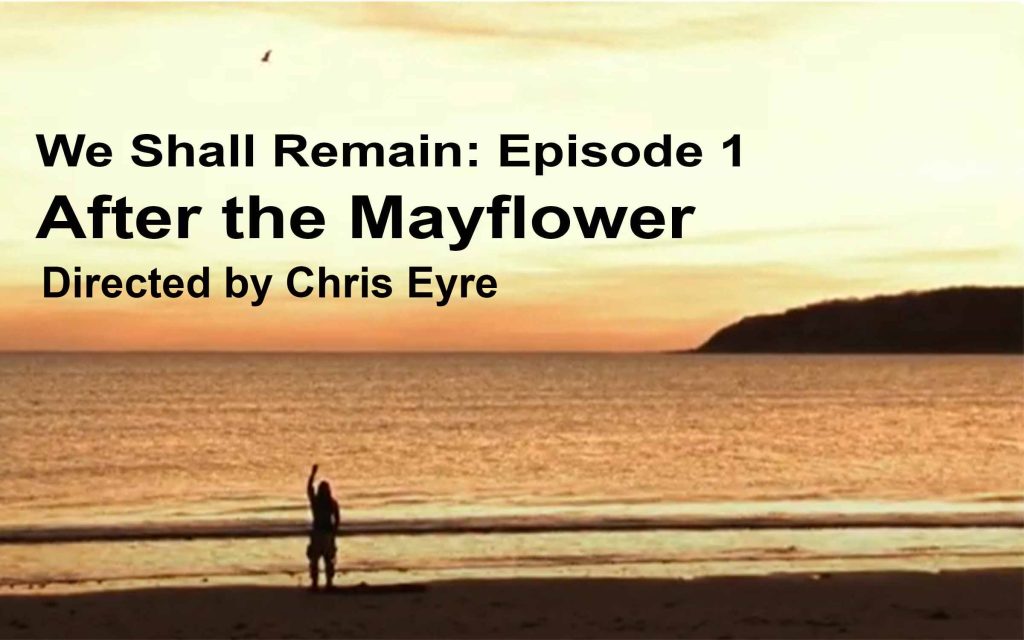
In March of 1621 in what is now southeastern Massachusetts, Massasoit, the leading sachem of the Pokanoket Tribe, sat down to negotiate with a ragged group of English colonists. Hungry, dirty, and sick, the pale-skinned foreigners were struggling to stay alive and were in desperate need of Native help. Click here for this 76-minute video directed by Chris Eyre, Part I of the American Experience We Shall Remain series filmed at Pioneer Village, first released in 2009, and posted on YouTube on August 11, 2025 by Roguemango.

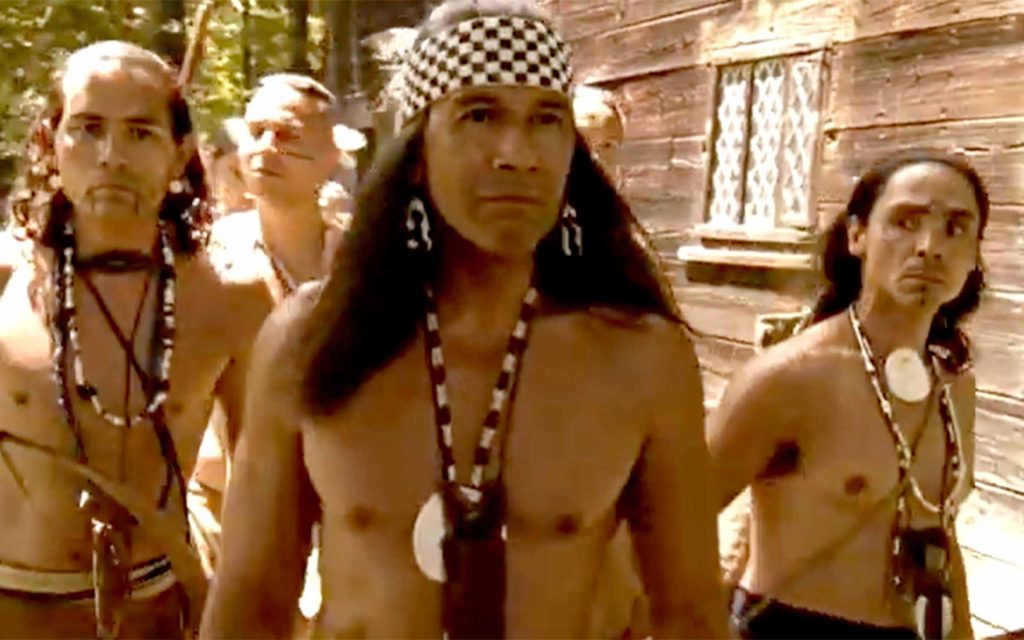
The film, narrated in part by Nipmuc Anthropologist Rae Gould, actor Marcos Akiaten (Chiricauha Apache) depicts the Massasoit Ousamequin (above center) when he agreed to give the English the help they needed through a mutual protection treaty. He calculated that a tactical alliance with the foreigners would provide a way to protect his people and hold his Native enemies at bay.
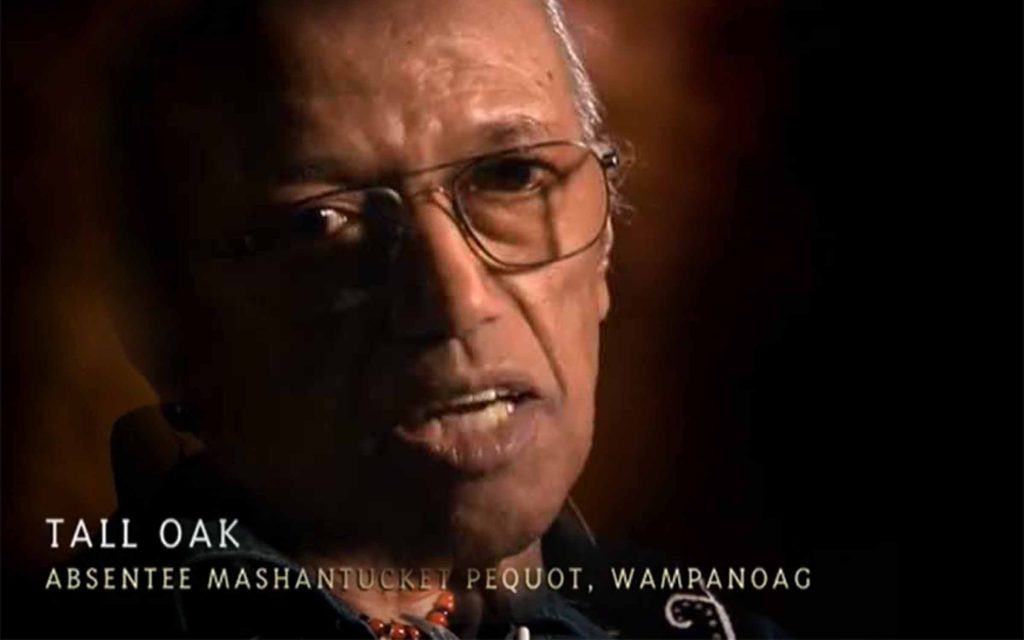
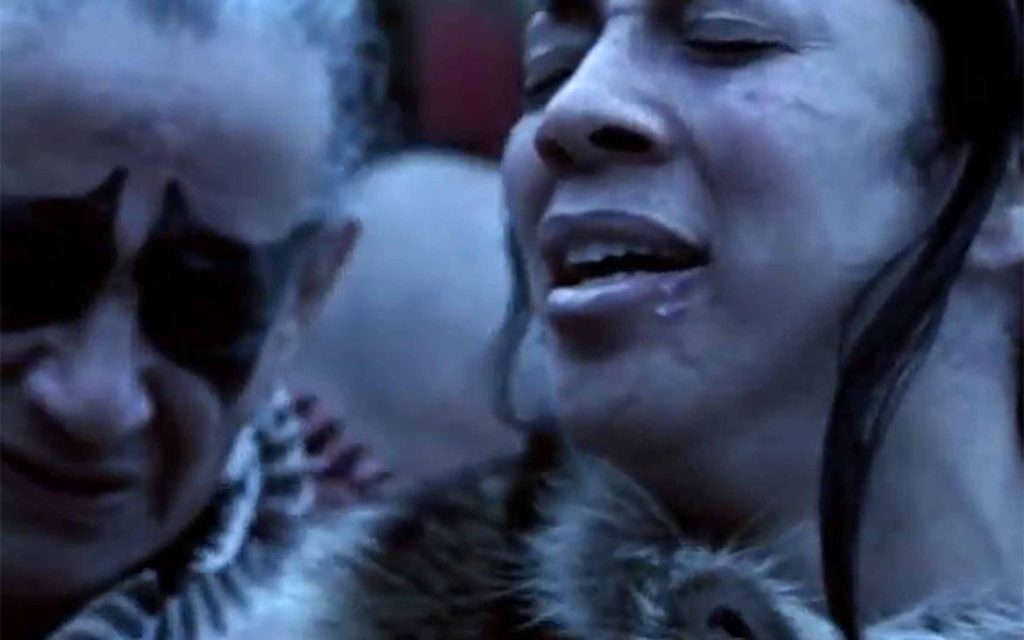
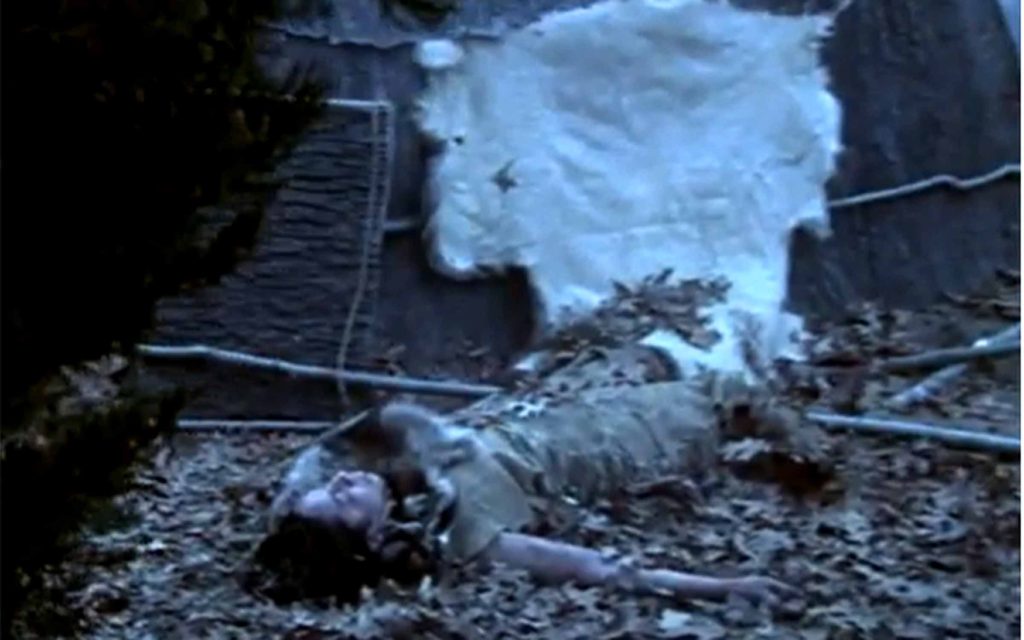
As Tall Oak Weeden (above, left) explains, the Massasoit’s people had been decimated by an unexplained sickness, leaving them vulnerable to the rival Narragansett Tribe to the west. Today’s Pokanoket Sachem, Tracey Dancing Star Brown and Lee Brave Heart Edmonds (above, center), portray the grief that the Tribe experienced before the English arrived, when up to 90% of their people had died from a plague in the three years prior to their arrival.
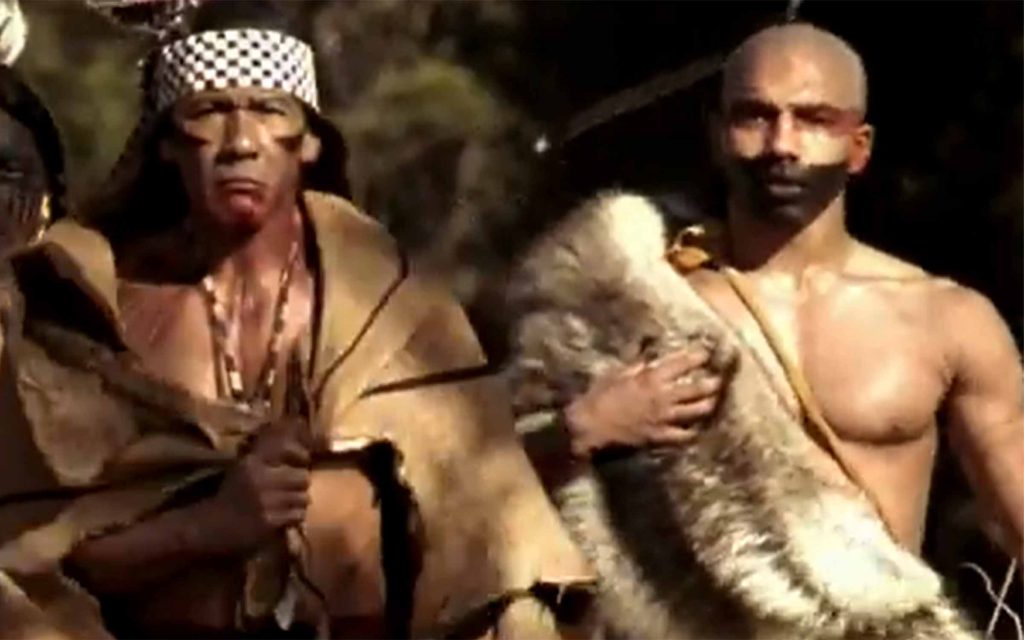
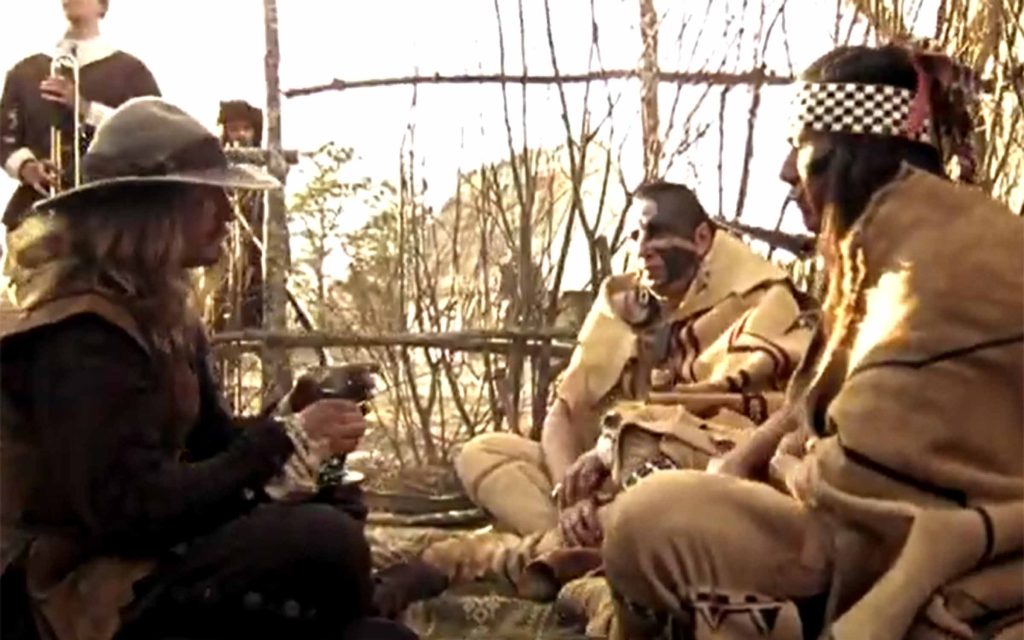
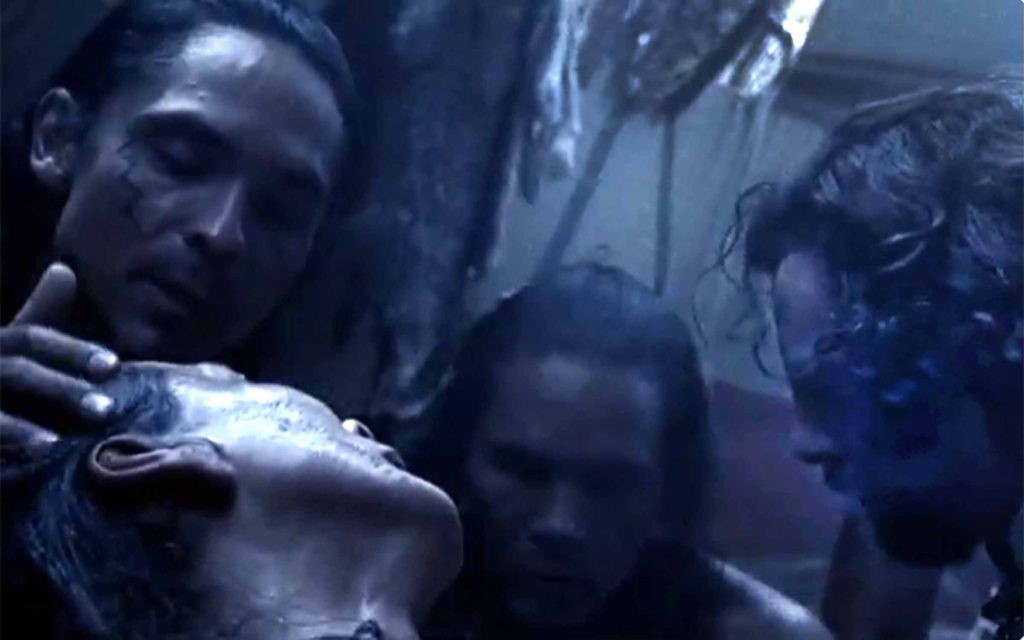
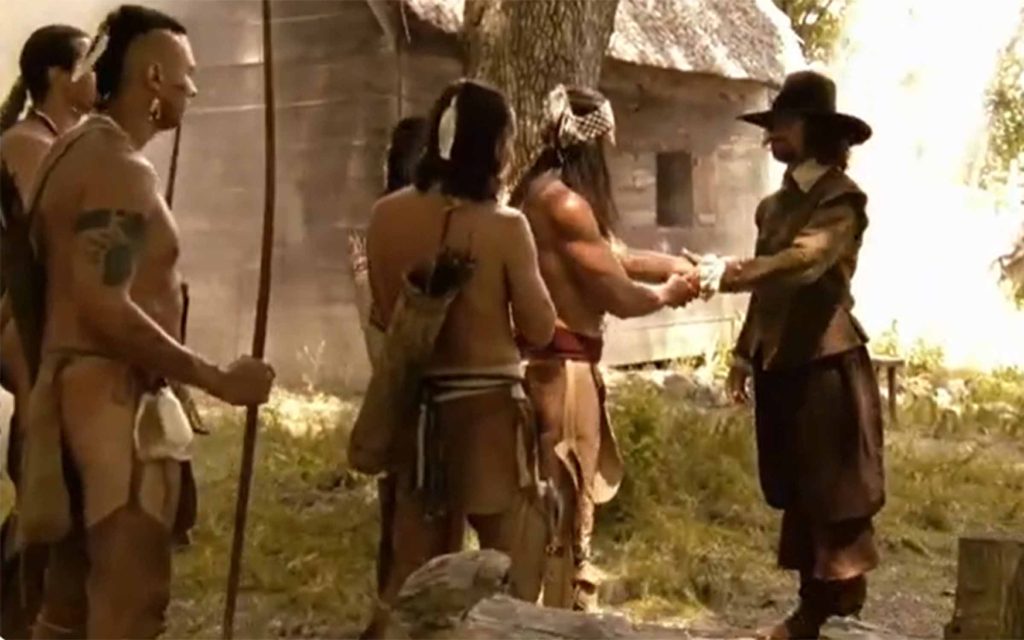
(Above) The Massasoit is accompanied by a warrior portrayed by Pokanoket Historian Donald Strong Turtle Brown to a meeting with English Governor John Carver, played by Alan Francis. Two years after the agreement, the Massasoit became ill but was aided in his recovery by Edward Winslow, portrayed by Nicholas Irons (far right). Five decades of English immigration, maltreatment, lethal epidemics, and widespread environmental degradation brought the Pokanokets and their way of life to the brink of disaster.
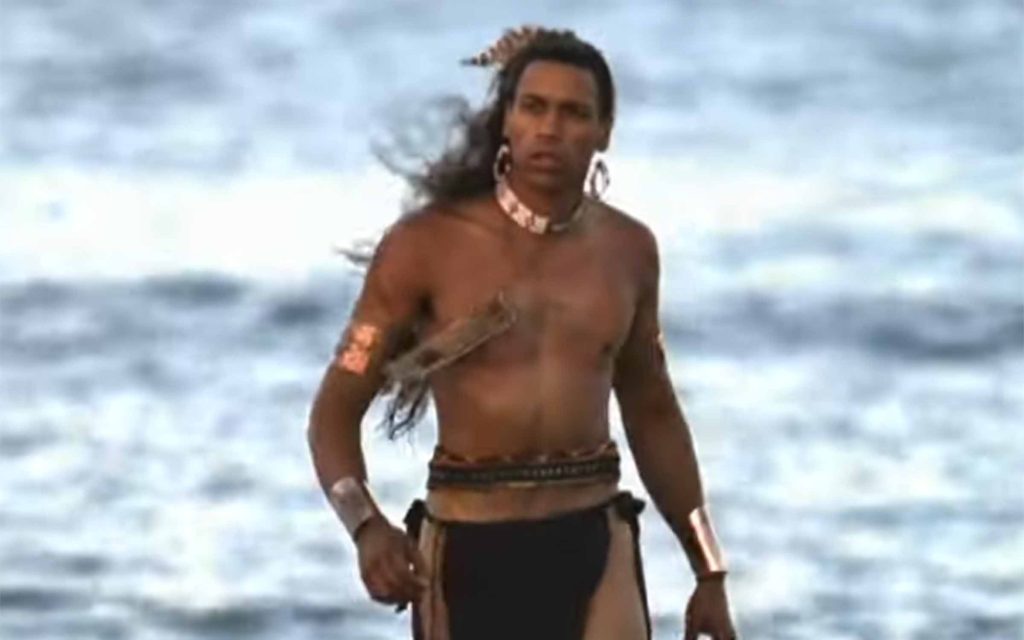
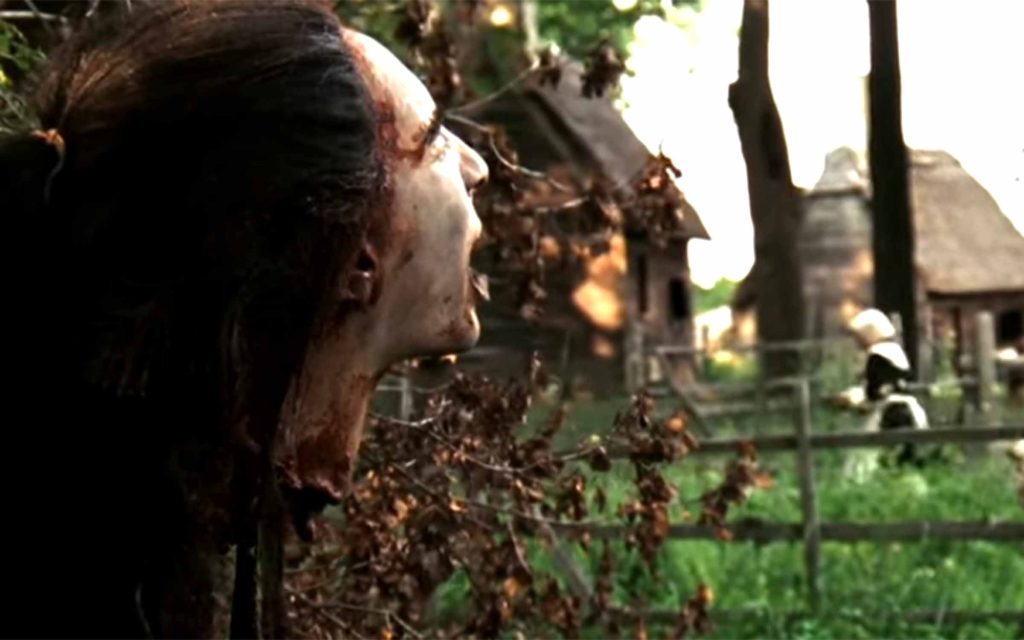
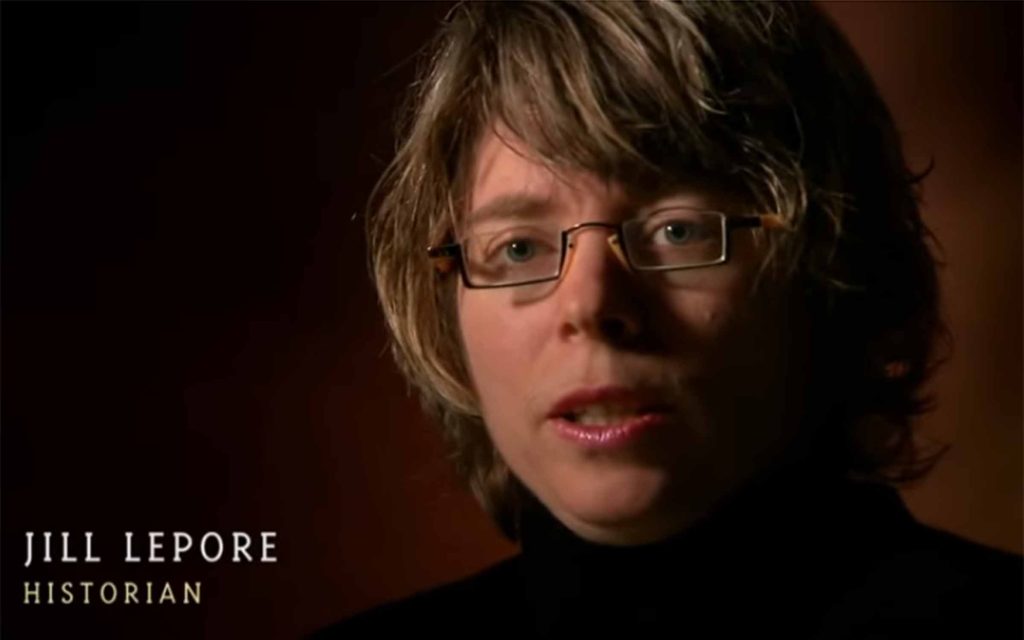
Led by Metacom (above, left), the Massasoit’s son played by Annawon Weeden, the Pokanoket Tribe and their Native allies fought back against the English, nearly pushing them into the sea in a conflict known as King Philip’s War. The war effectively ended on August 12, 1676 with the killing and beheading of Metacom at Mt. Hope in today’s Bristol, RI. Historian and author Jill Lepore comments about the effect that the war had on English and Indigenous relationships for hundreds of years to follow.