
This analysis examines the often misunderstood history of colonial war, contrasting the harsh realities faced by Indigenous populations with the accounts left by early settlers. By reviewing specific historical scenes, Eric J. Ostroff breaks down the complex tension between colonists and indigenous groups during periods of intense warfare. He analyzes the documented struggles of Indigenous conflict to better understand how these events unfolded on the ground. Click here for a 30-minute YouTube video posted on June 17, 2026 at Trace Your New England Roots.
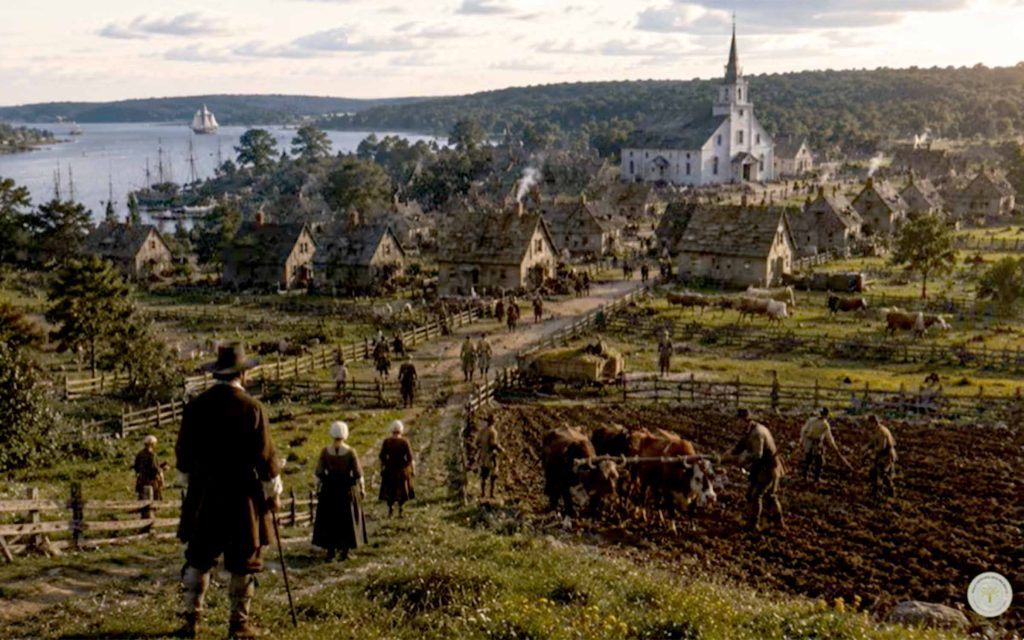
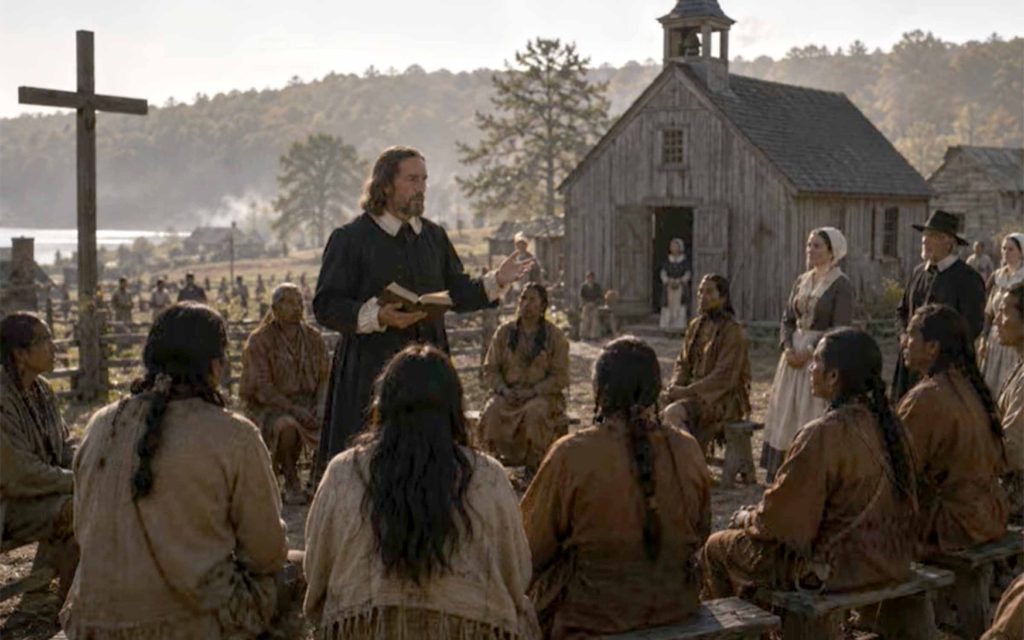
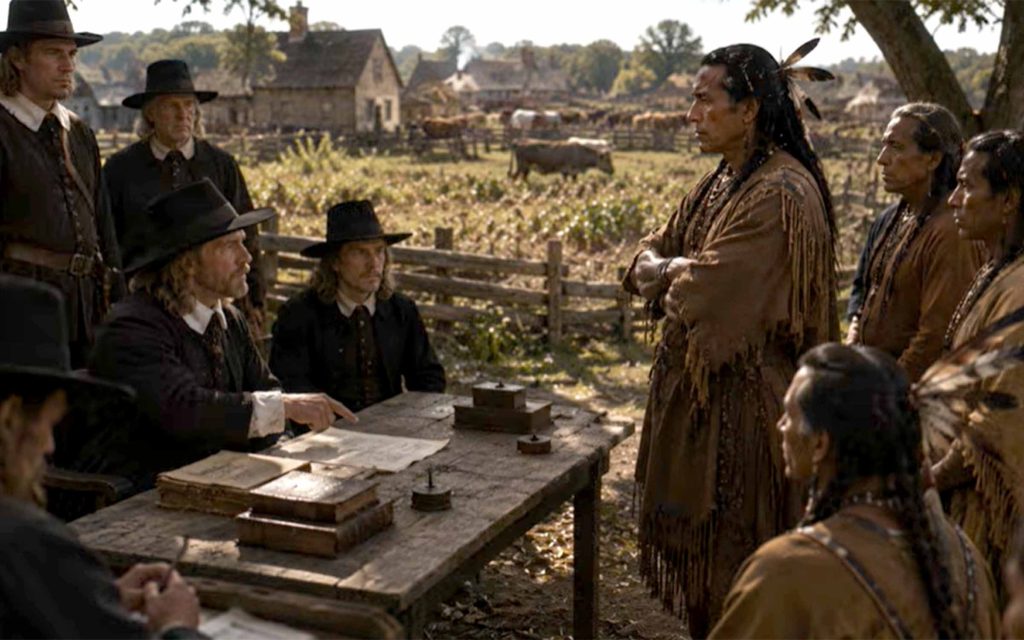
The year is 1670. It’s been 50 years since the Mayflower landed at Plymouth, and, in that time, the English have established a major foothold with over 50,000 colonists now living in dozens of towns across Massachusetts. There were roughly fourteen communities established by missionaries like Rev. John Eliot where Native Americans were encouraged to convert to Christianity and adopt English customs. For some this was just a path to survival in a changing world and, for others, a profound betrayal of their culture and sovereignty. When colonial cattle trampled native cornfields, English courts offered little help. Land sales based on concepts of ownership that were foreign to Native leaders steadily chipped away at their ancestral territories
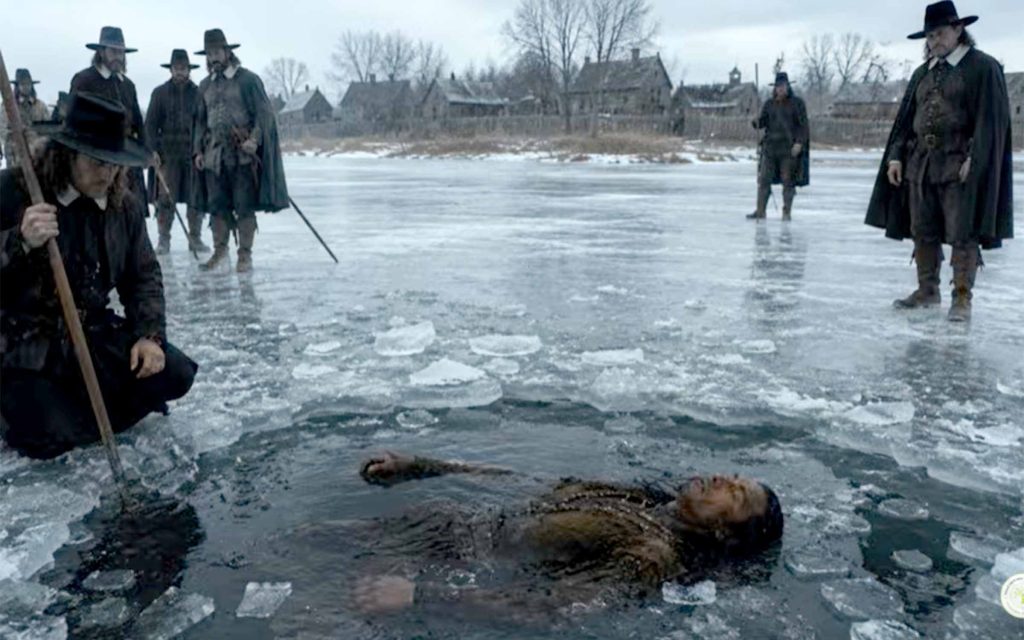
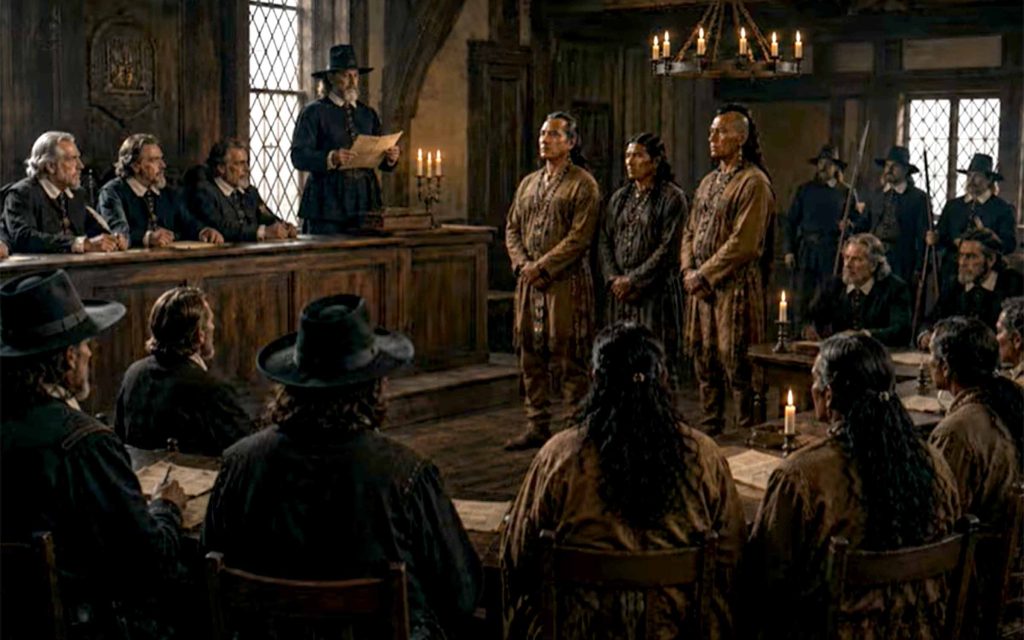
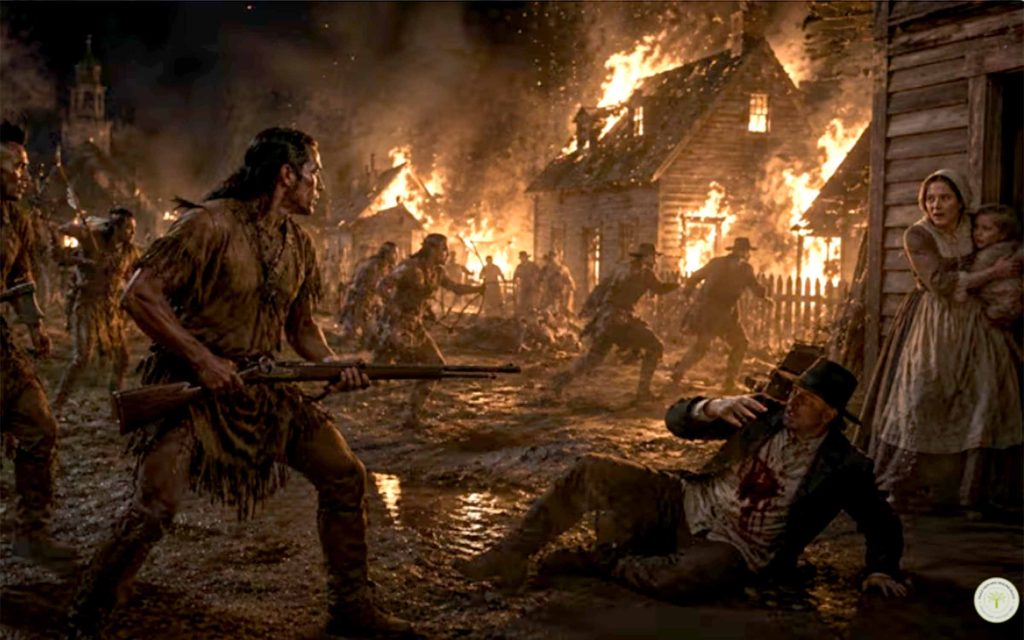
Native preacher John Sassamon traveled to Plymouth to warn Governor Josiah Winslow of a plot claiming that Philip was mobilizing tribes for a massive attack. Days later, Sassamon’s body was found under the ice of Assawompset Pond. Though some thought he drowned, his injuries did suggest that it was murder. The Plymouth authorities launched an investigation and then, based on a Native witness’s testimony, accused three of Philip’s senior men of the crime. Within weeks, King Philip’s War broke out in Swansea, today’s Warren, RI.
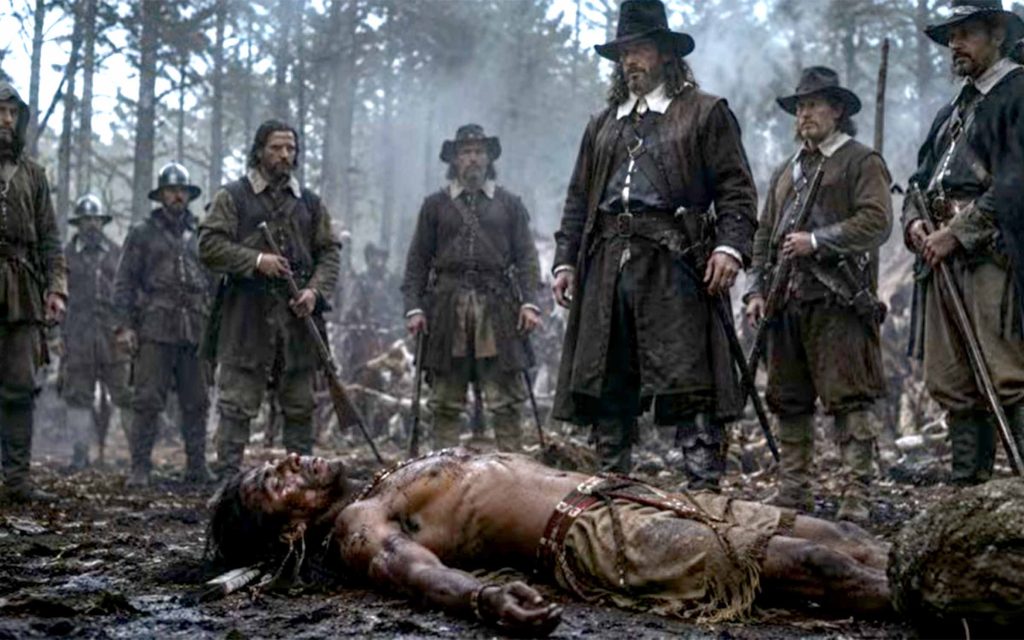
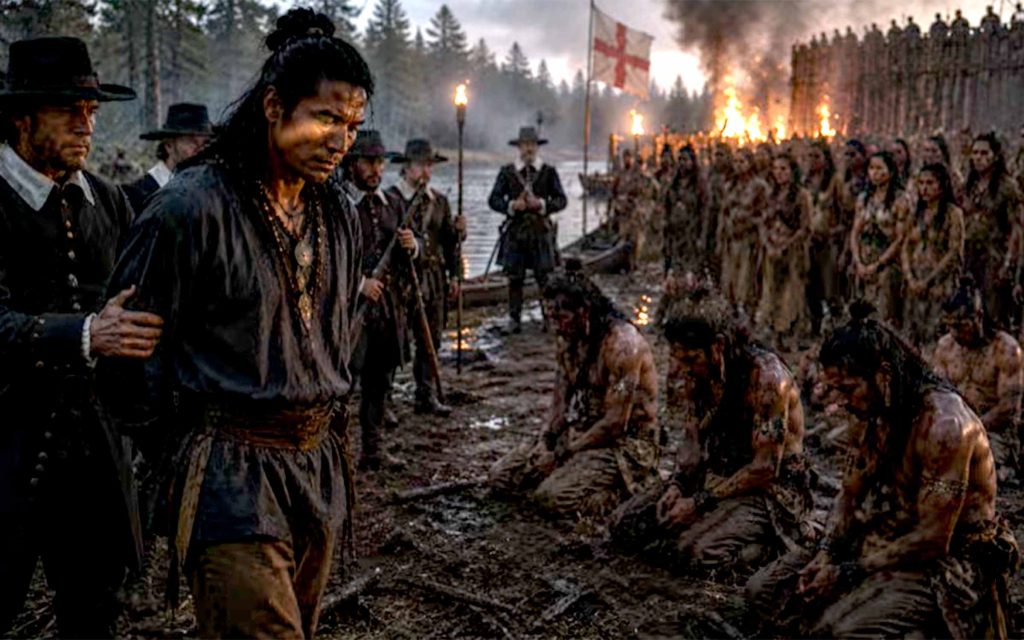
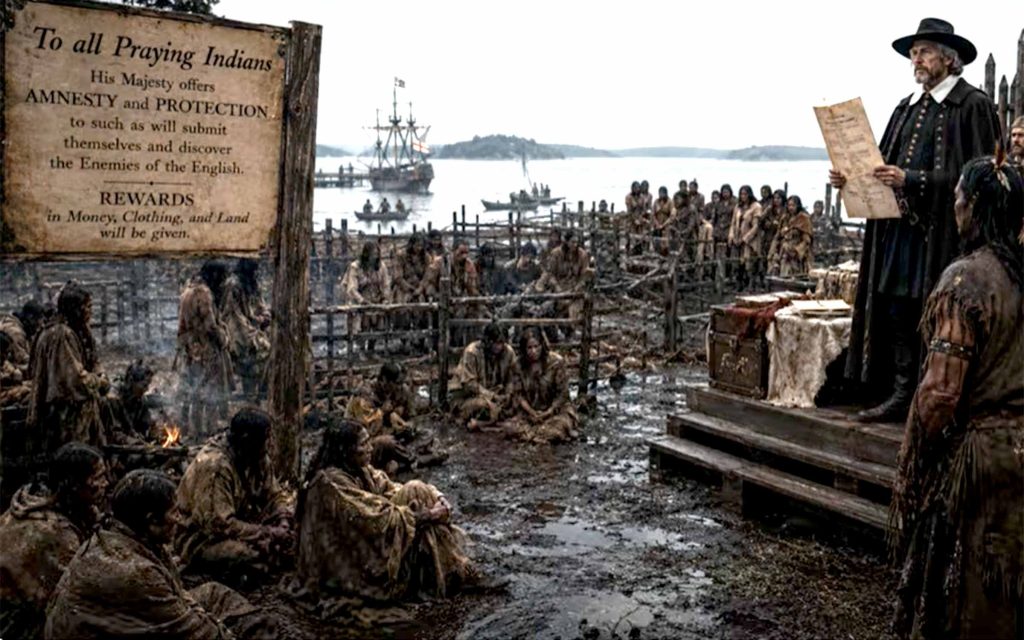
By the end of the War in August, 1676, Philip had been tracked down near his home at Mt. Hope, shot, and quartered, and his head was placed on a pike at Plymouth for 25 years. Native warriors were arrested and were either hung or sent to Barbados as slaves. Praying Indians were often afforded the same fate. The war created a poisonous legacy of hatred and mistrust that would linger for generations.