
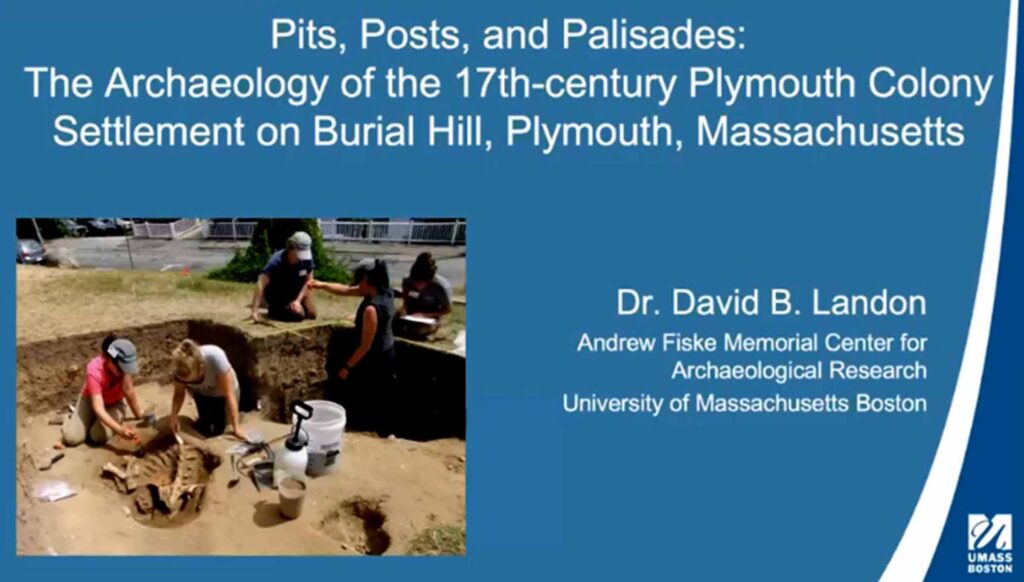
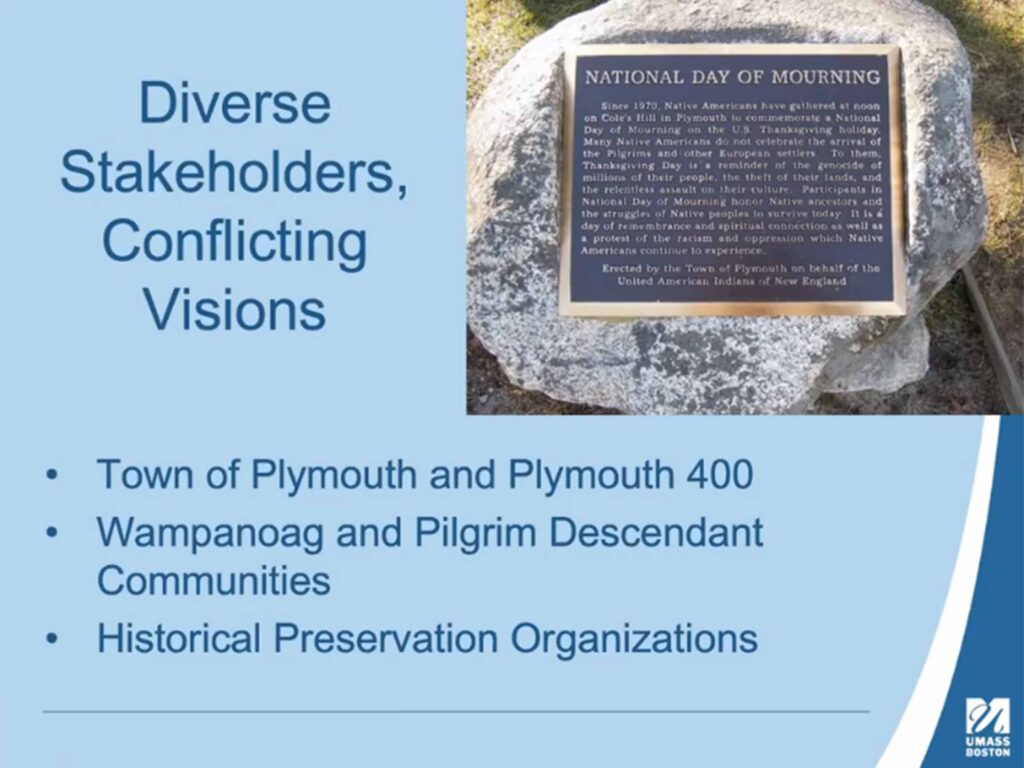
In May and June of 2019 and 2021, a field school from the Fiske Center for Archaeological Research at the University of Massachusetts Boston, in partnership with Plimoth Patuxet Museums (formerly Plimoth Plantation) and the Town of Plymouth, undertook their final two seasons of work as part of Project 400: The Plymouth Colony Archaeological Survey. Working with community partners, including the Mashpee Wampanoag Tribe, descendant organizations, and local museums, the field school undertook a series of initiatives focused on the Plymouth Colony to help advance a complex, inclusive, and scholarly understanding of the region’s Colonial and Native communities. Dr. David Landon from the University of Massachusetts, Boston, one of the project directors for the Survey, has been working to uncover the remains of the original 17th-century settlement. Click here for an 84-minute video of the April, 2021 presentation entitled “Pits, Posts, and Palisades: The Archaeology of the 17th-century Plymouth Colony Settlement on Burial Hill, Plymouth, Massachusetts” posted on June 17, 2026 by ESCONI.
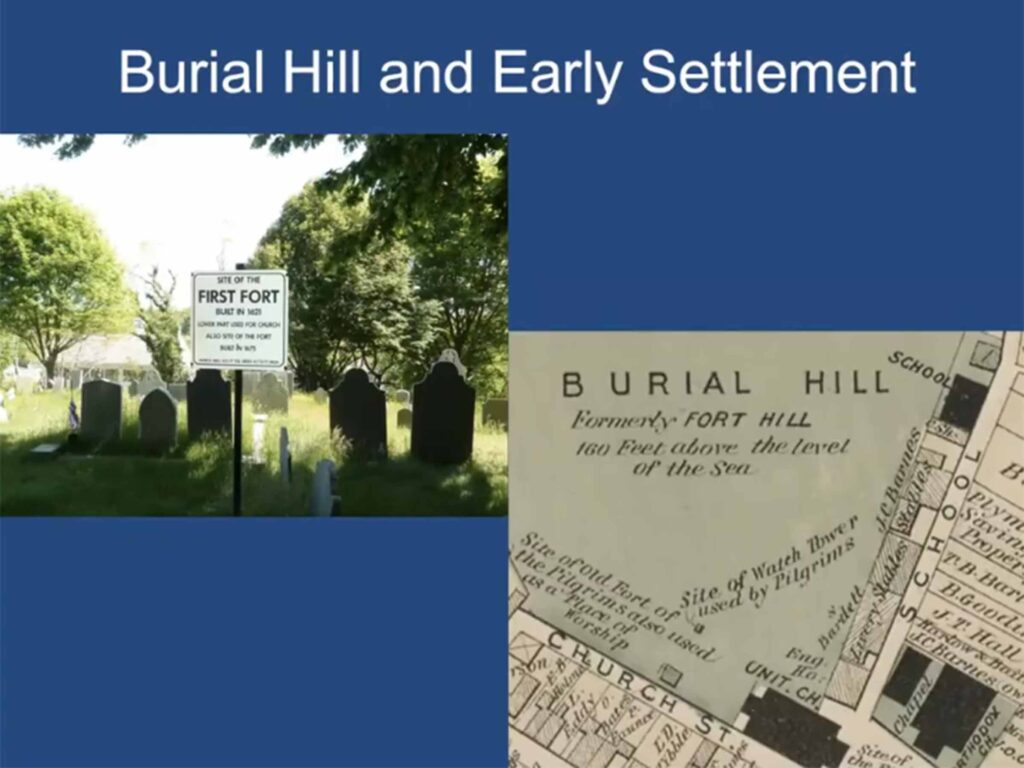
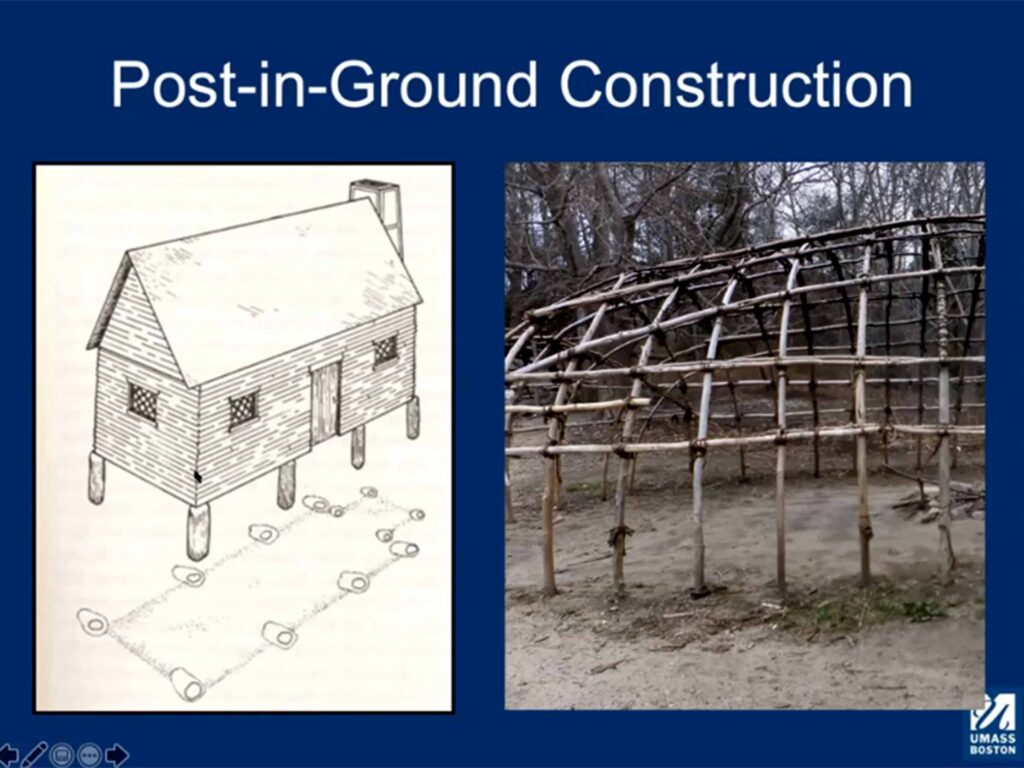
Since 2016, excavations on Burial Hill have focused on an area at the south end of School Street where we found the first known archaeological deposits from the early 17th-century English colony including a yard space, an earthfast structure, the colony’s palisade, and an extensive area outside the palisade.
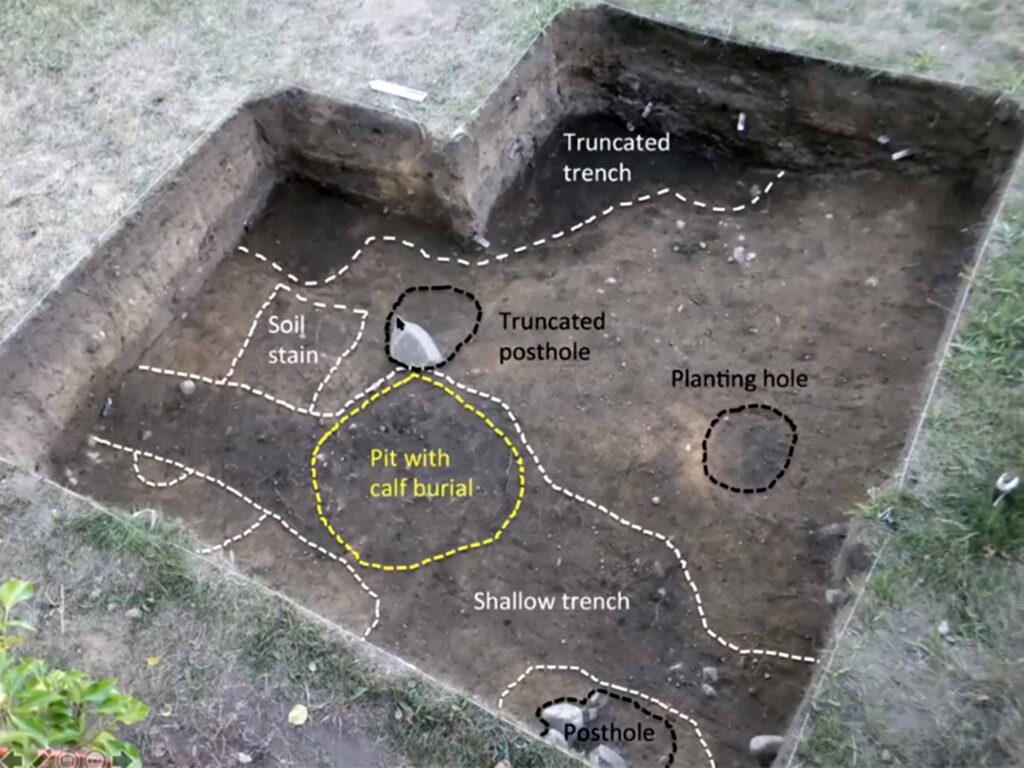
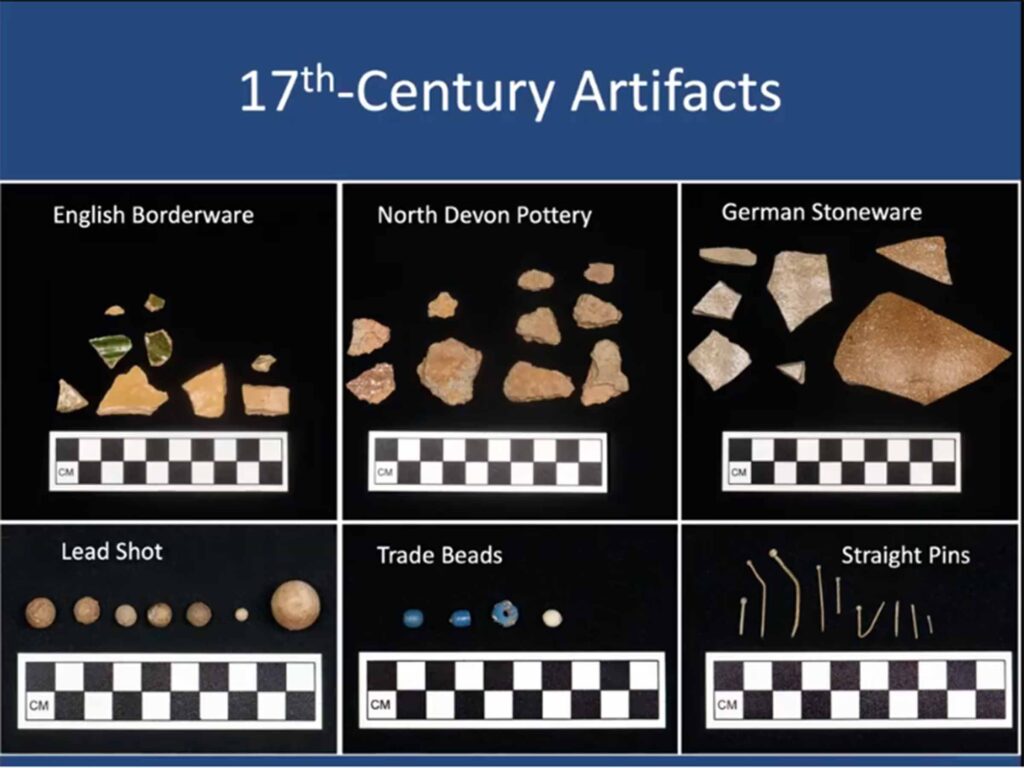
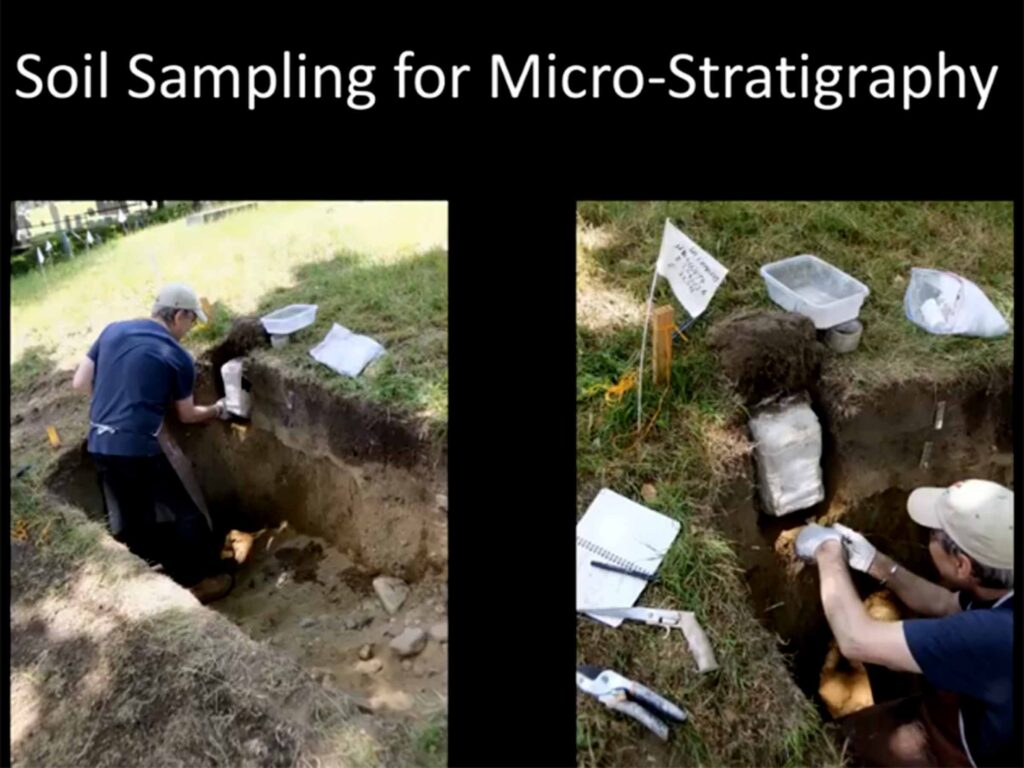
At the southern end, these units focused on an earthfast structure with two major parts, a northern sunken hearth room, cut more than a meter into the surrounding hill slope, and a southern portion closer to the surface.
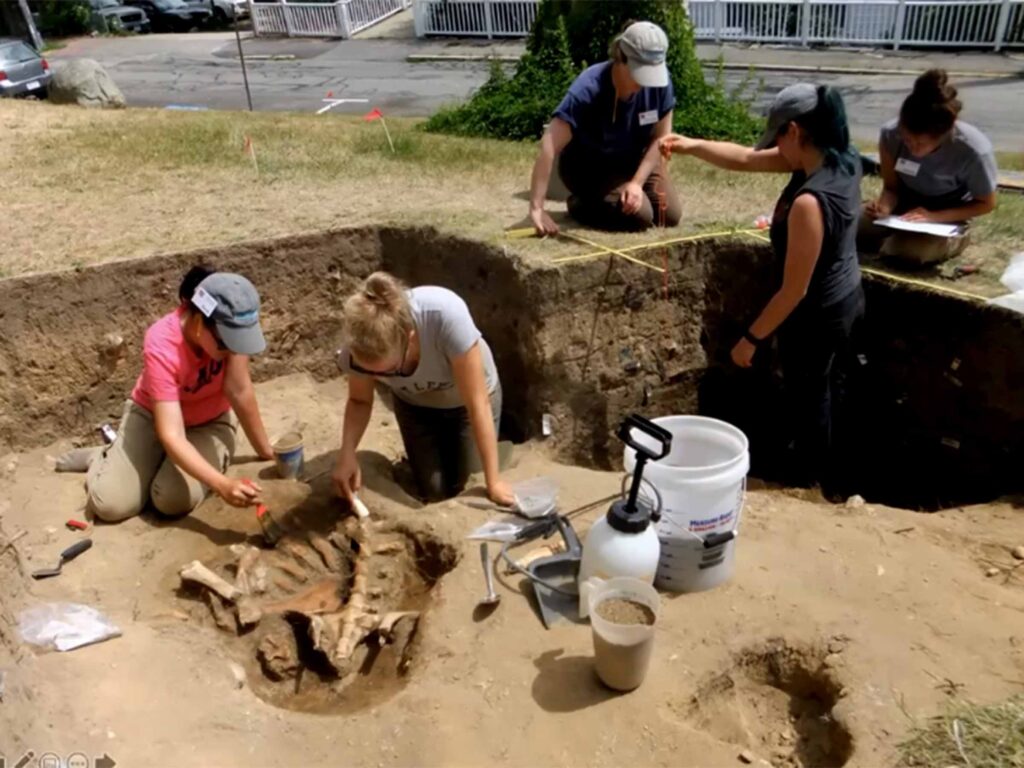
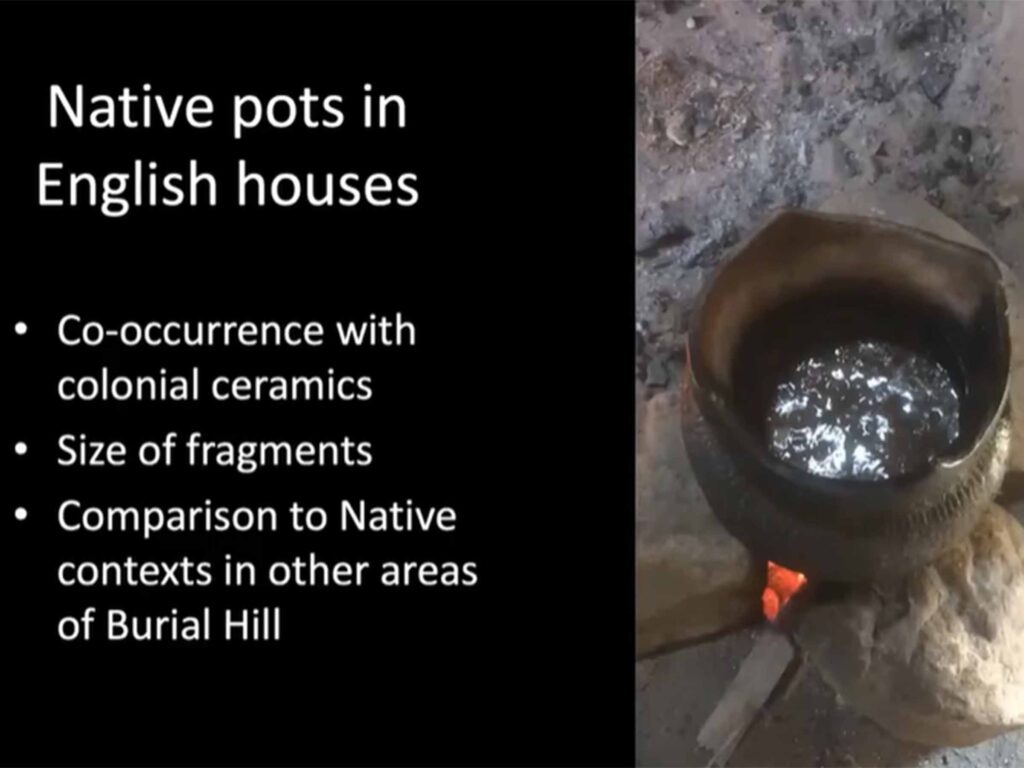
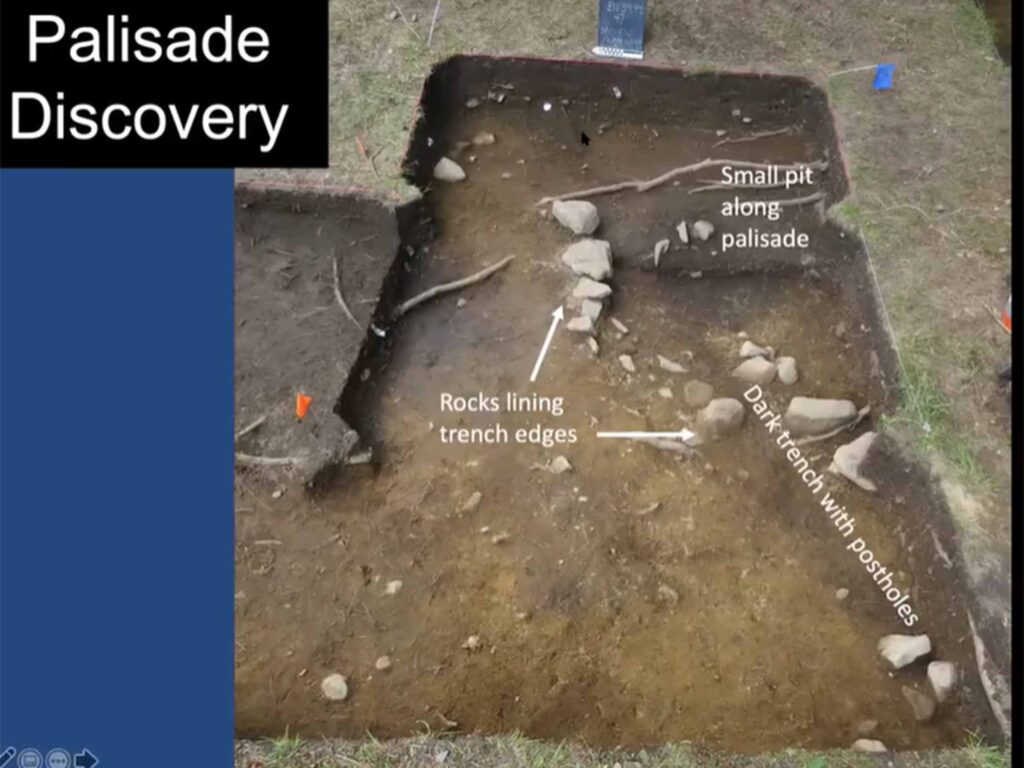
North of the palisade was an activity area that contained a large pit feature and a roughly cobbled surface, as well as dispersed artifacts, predominantly Native ceramic fragments and local lithics, with some European material as well.