
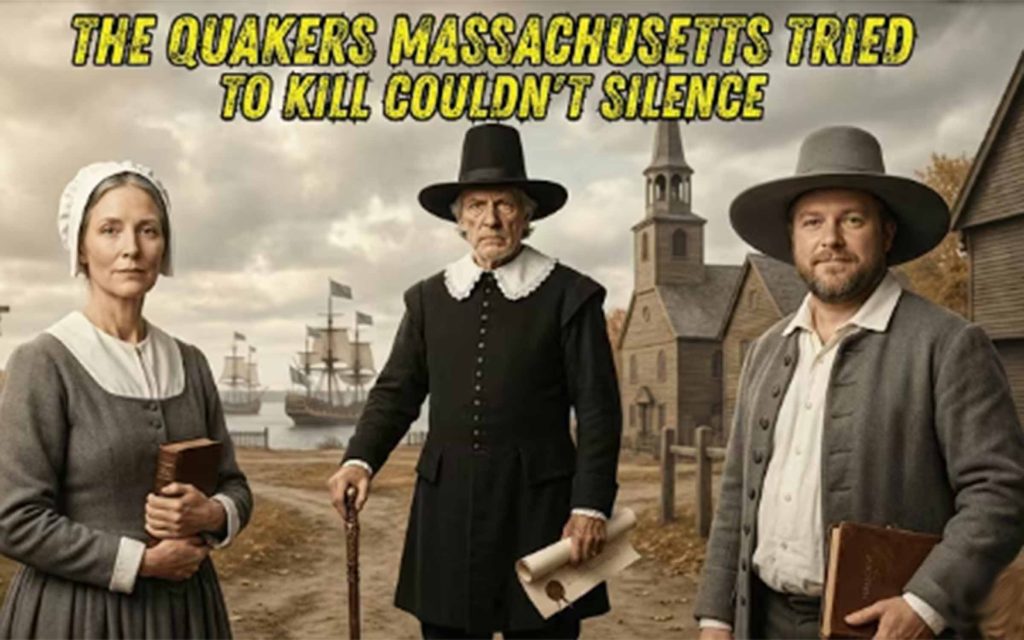
We’re told the Puritans came for religious freedom, but the truth is they were the most brutal persecutors in American history. Here is how one group of ‘quiet’ rebels finally “broke their power.” Then, sixteen years later, something impossible happened. What we discovered in the colonial records reveals uncomfortable truths about how tolerance really emerges in societies. Click here for a 24-minute AI-generated video posted on May 7, 2026 by Sermons of Silence.

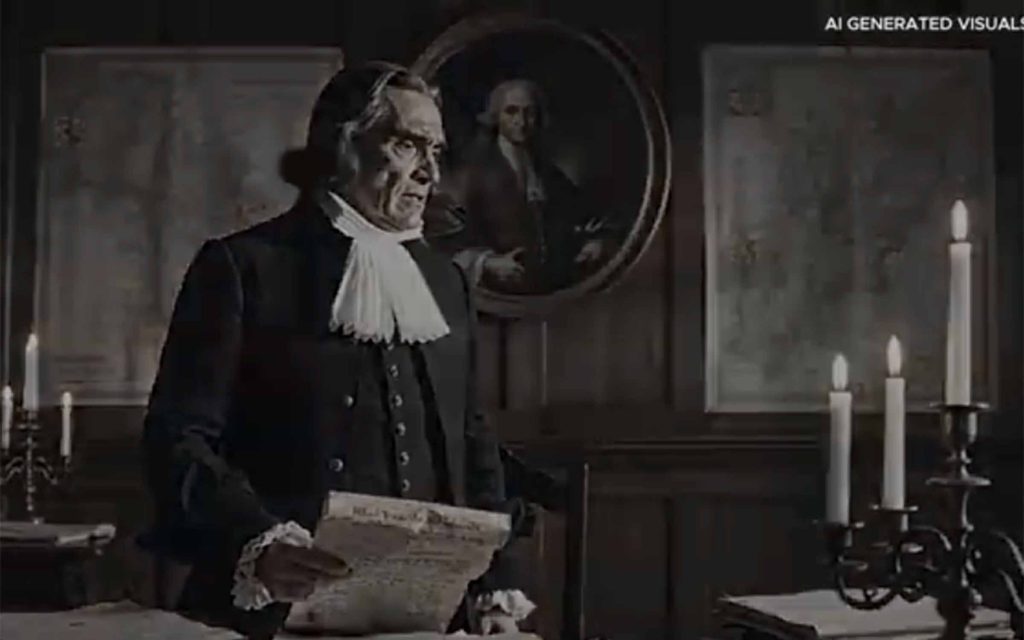
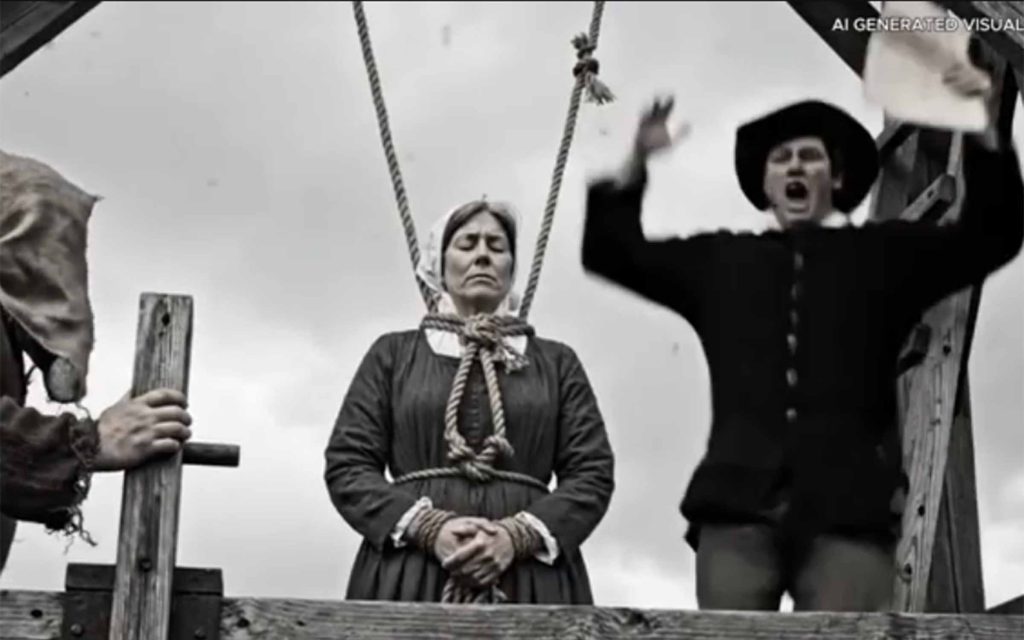
(Above, left) Two Quakers, Mary Fisher and Ann Austin, arrive in Boston in 1656 and are arrested for possessing Quaker books and pamphlets. (Above, left). On October 27th, 1659, Mary Dyer climbed the scaffold on Boston Common, a noose around her neck, while Governor John Endicott watched, unmoved (above, center and right). After a last-minute reprieve, she was returned to the gallows in 1600 and was hanged. She was the third Quaker executed that year for the “crime” of peaceful worship.
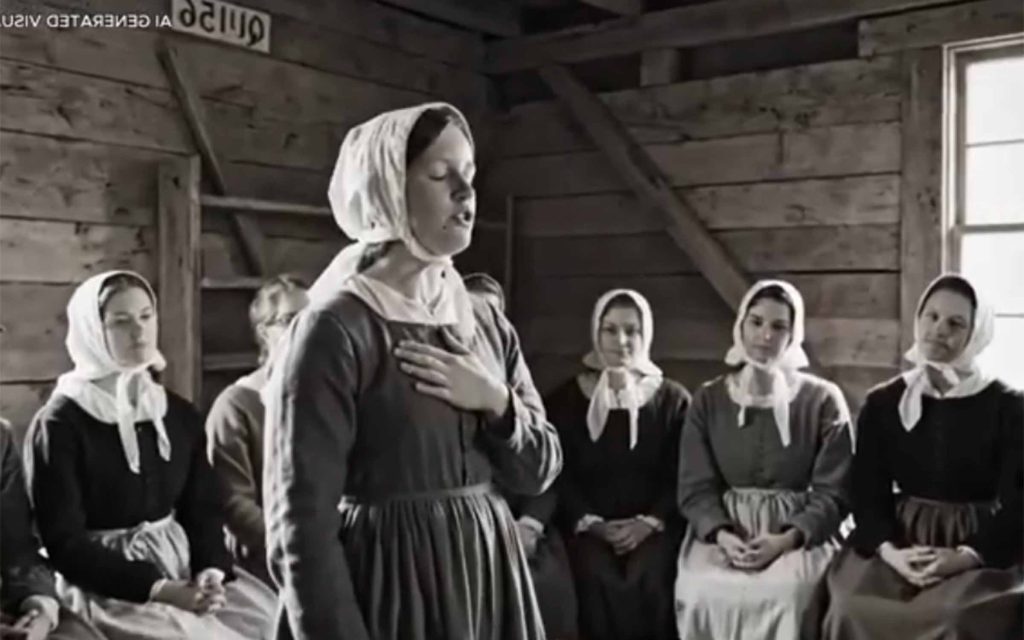
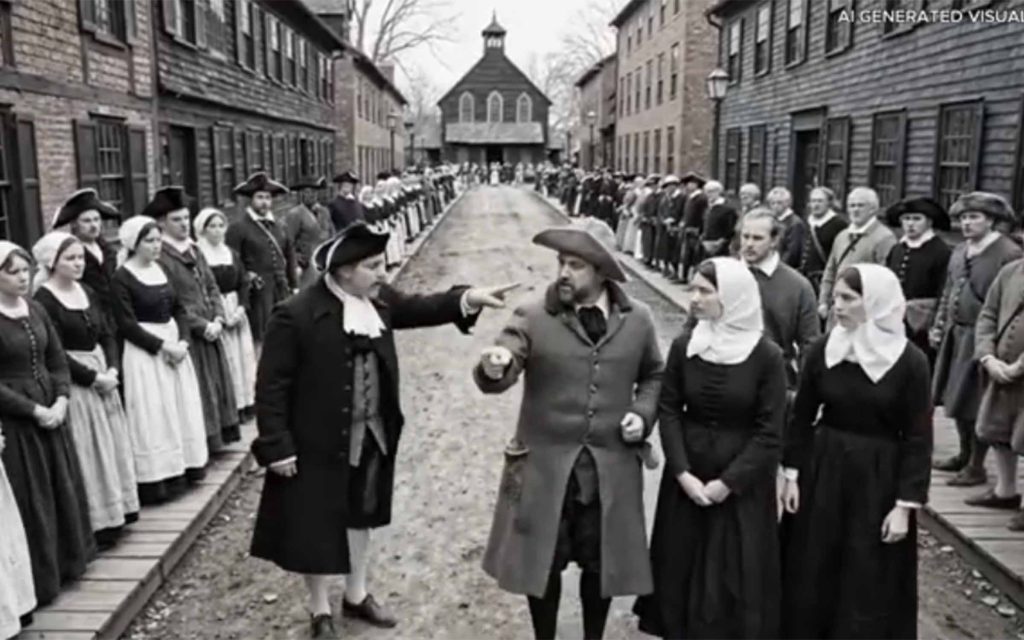

By 1700, Quakers walked freely through Boston’s streets. They held meetings openly. They conducted business in the harbor without fear. How did a colony that hanged peaceful believers transform into a haven of tolerance?
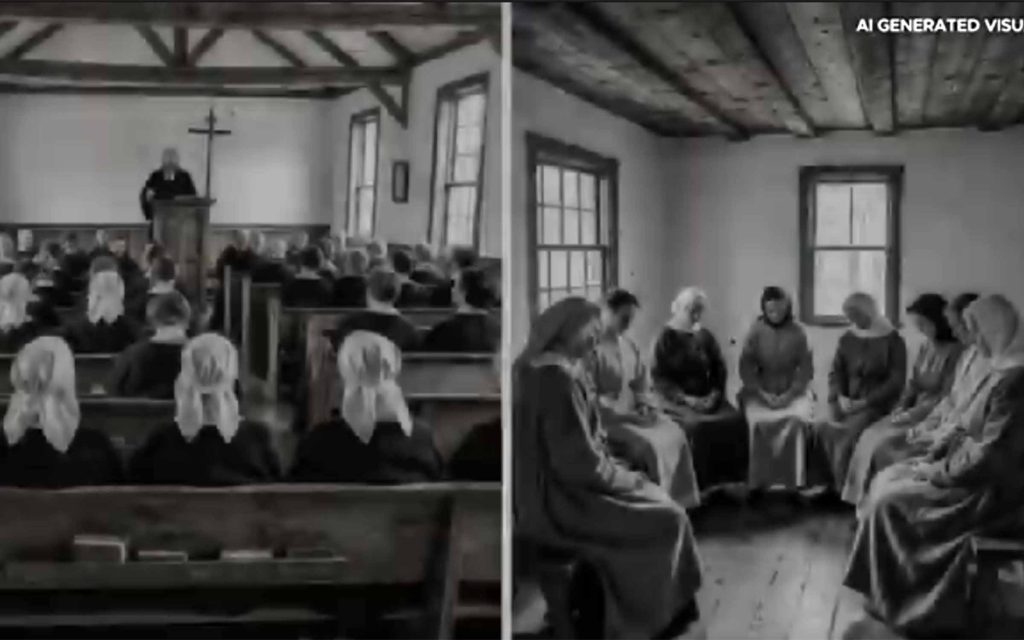
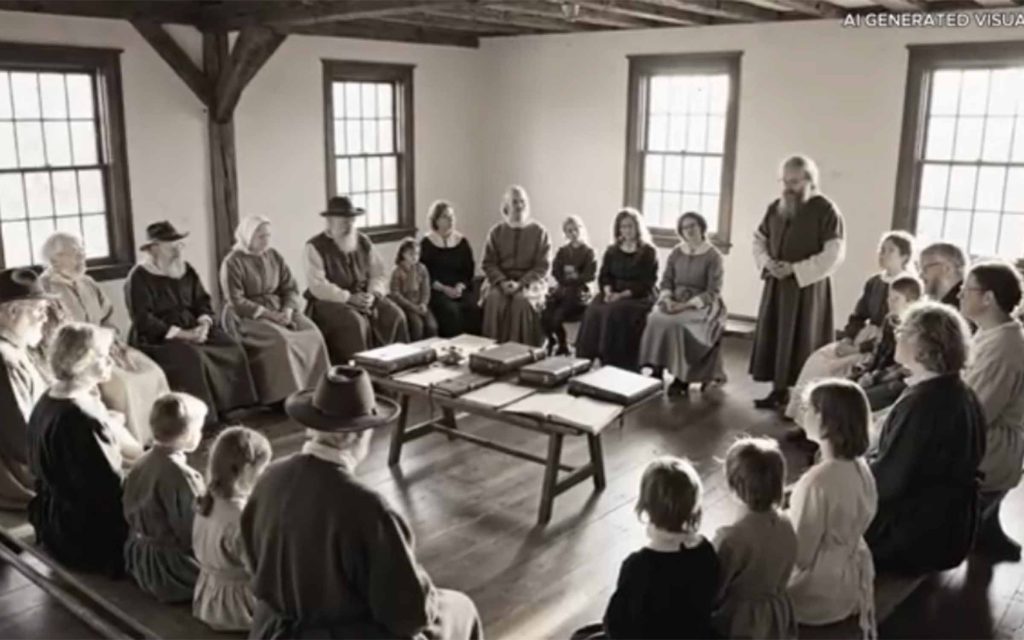
This is the untold story of how religious freedom developed in America—not through enlightenment or mercy, but through economics, politics, and a king who was watching far more closely than Massachusetts ever imagined.