
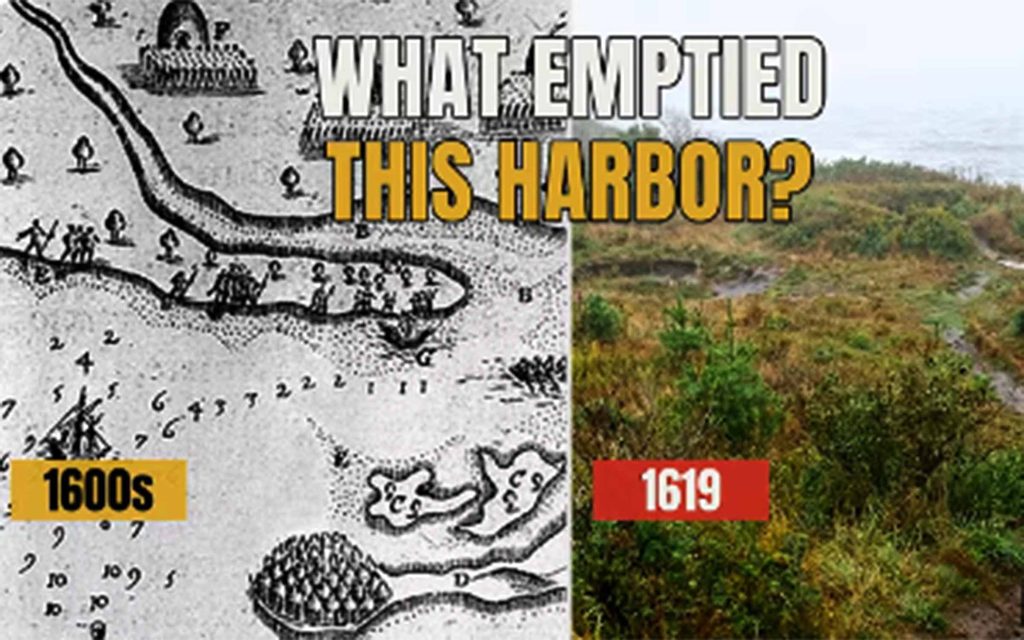
Before the first Thanksgiving, an epidemic emptied the harbor where the Pilgrims built Plymouth. Around 1616–1619, most of the Wampanoag people of their village of Patuxet died. Historians still argue about what killed them. Five suspects are tested — yellow fever, plague, smallpox, hepatitis B + D and leptospirosis — and weighed against what the witnesses actually saw: yellow skin, nosebleeds, who was spared, and how long it lasted. Short answer: no one has proven any of these as likely. Even the best suspect, leptospirosis, only scores 9 out of 20 on the channel’s scorecard, not enough to confirm a medical diagnosis. Click here for an 18-minute video posted on November 4, 2026 by Evidence Grade that summarizes the best available evidence.

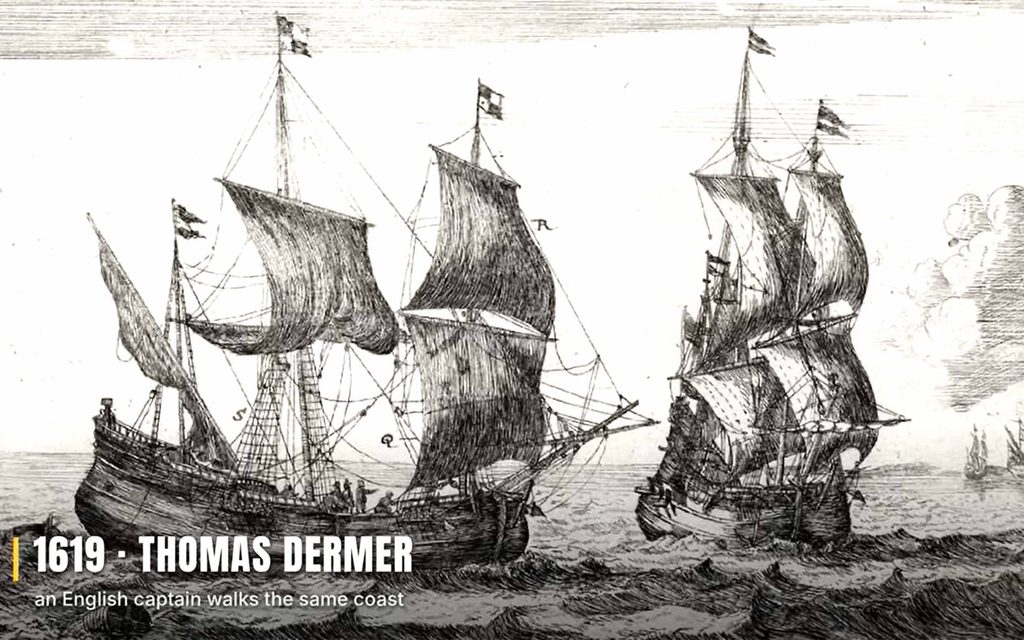

While early report indicated that Plymouth Harbor was well populated in the early 1600s. By 1620, most of the people of this harbor had died. Historians still argue about what killed them. In the years between 1616 and 1619 European fishing crews worked along the Atlantic coast. In 1619, Thomas Dermer kidnapped about twenty Native men and took them to sell into slavery in Europe. One of them was Tisquantum (AKA Squanto) who eventually returned to his village of Patuxet and found everyone that he knew there had died of an unknown disease.

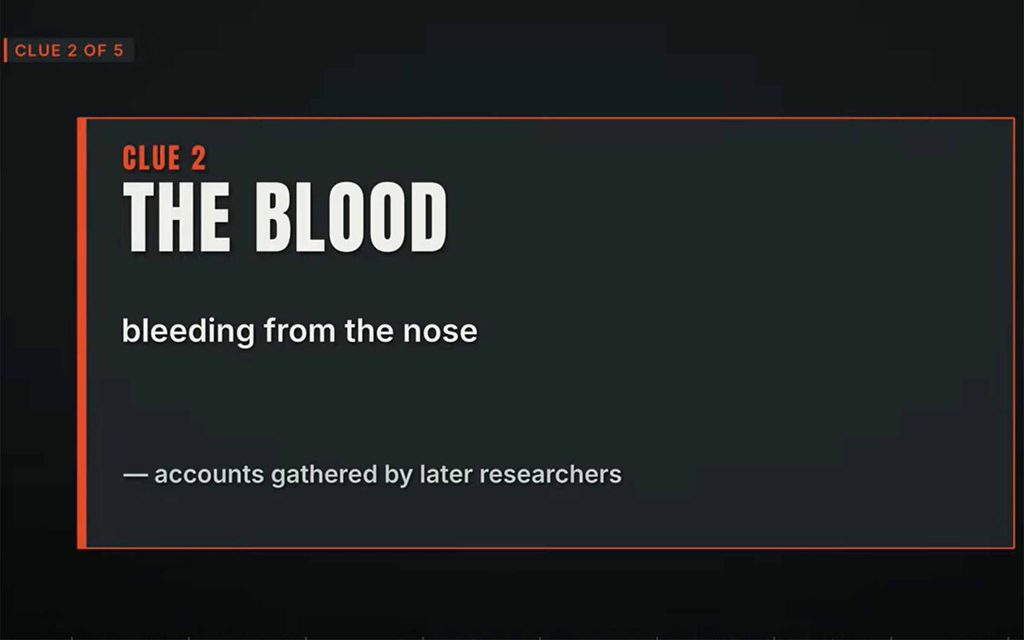

An analysis of over twenty reports found descriptions of three commonly described symptoms: yellow skin, bleeding from the nose, and sores on some survivors.
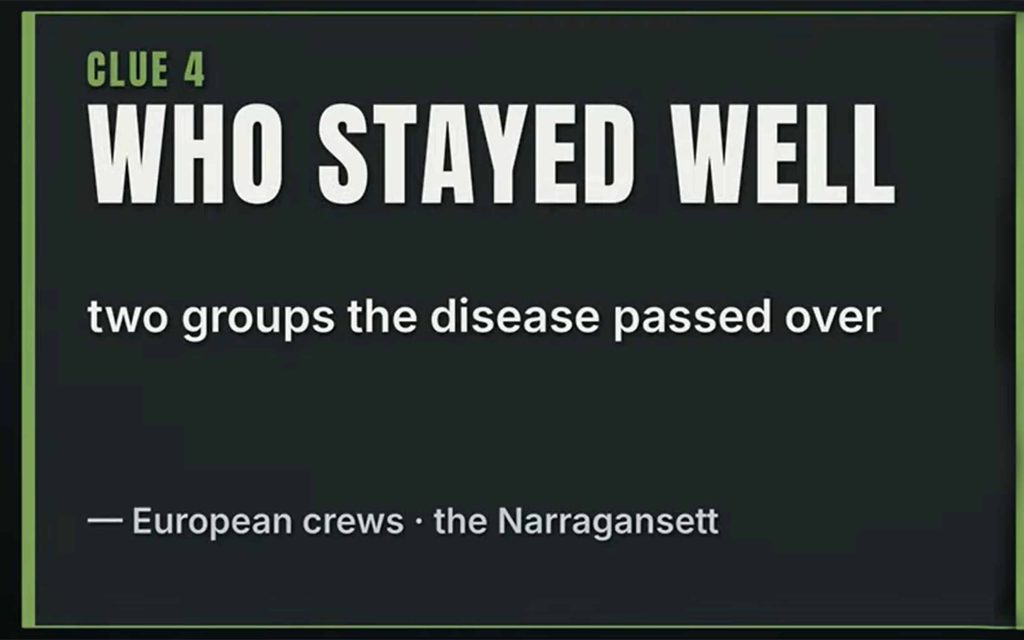
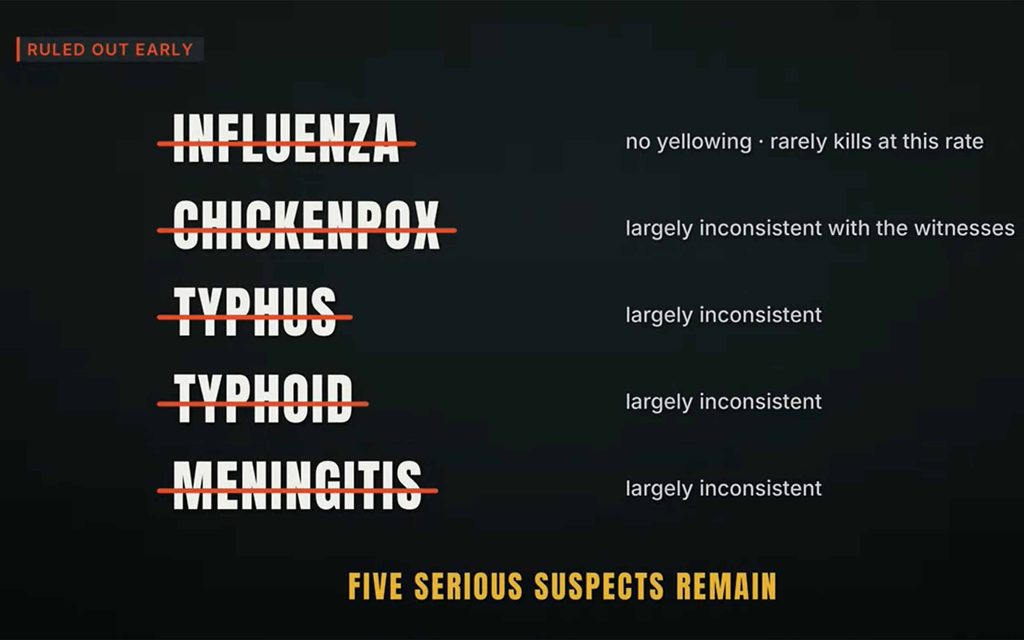
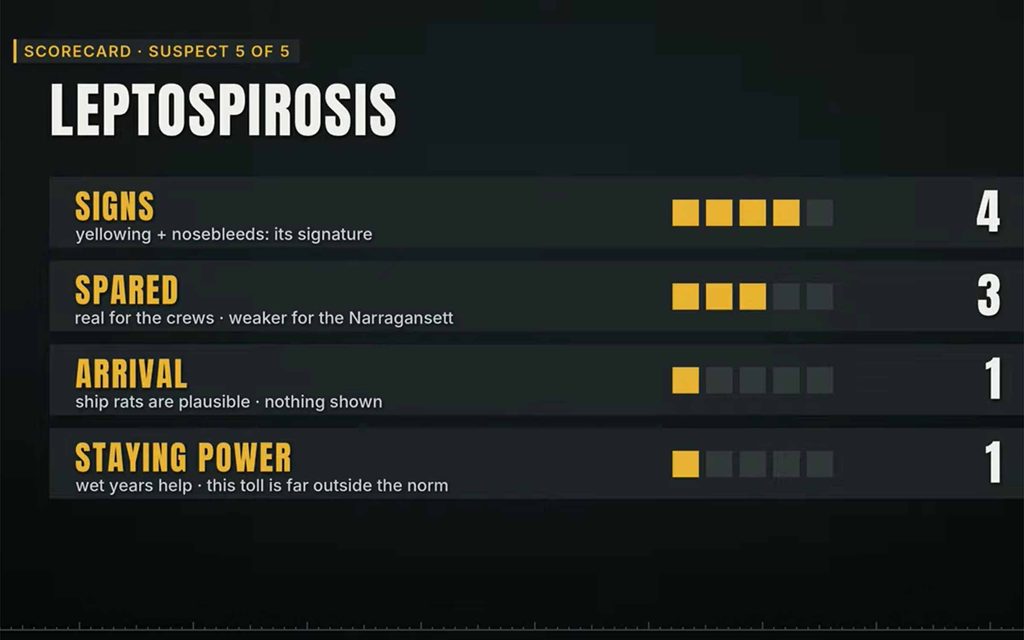
It was widely reported that neither the European crews or the Narragansett Natives to the west were ever affected. An analysis of symptoms ruled out influenza, chickenpox, typhus, typhoid or meningitis as likely causes. The most likely cause that best fits the symptoms, according to this study, is leptospirosis.