

King Philip’s War draft records reveal the role of wealth and reputation in your colonists’ lives. This analysis examines the connection between historical taxation and social standing in early New England. By contrasting the responsibilities of landowners with those of poor laborers, we see how reputation dictated who was called to serve. Using Massachusetts history, we look at why some individuals were exempt while others were forced into the militia. Understanding these colonial records helps explain your ancestors’ survival and status within their local community. We interpret graphical representations of wealth and historical village scenes to clarify the period’s social dynamics. This context is essential for any genealogy research focused on 17th-century ancestors. Click here for a 30-minute video on this topic posted on September 4, 2026 by Eric Ostroff of Trace you New England Roots.
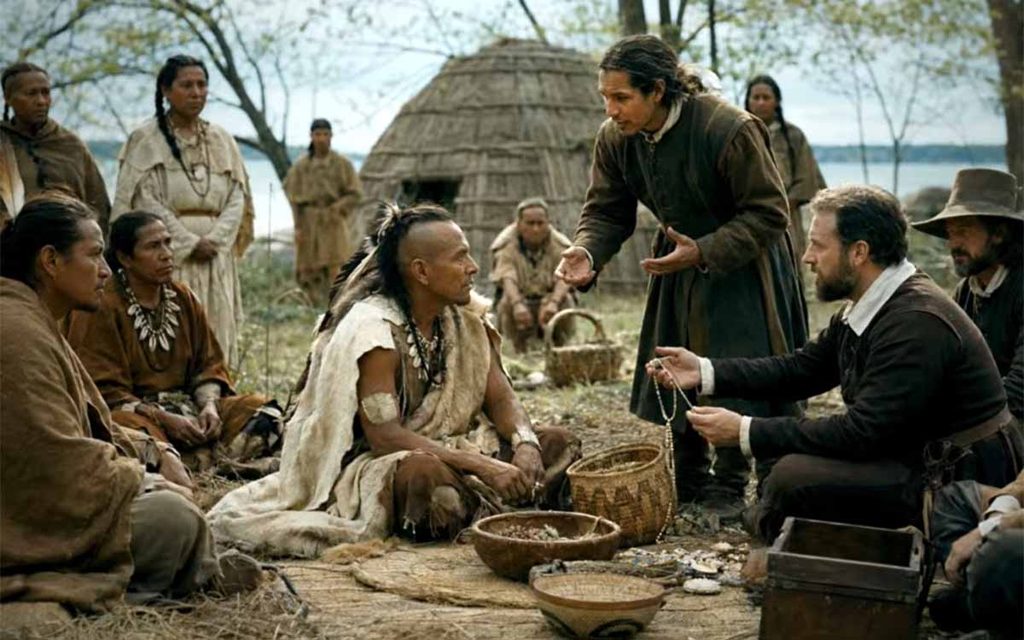
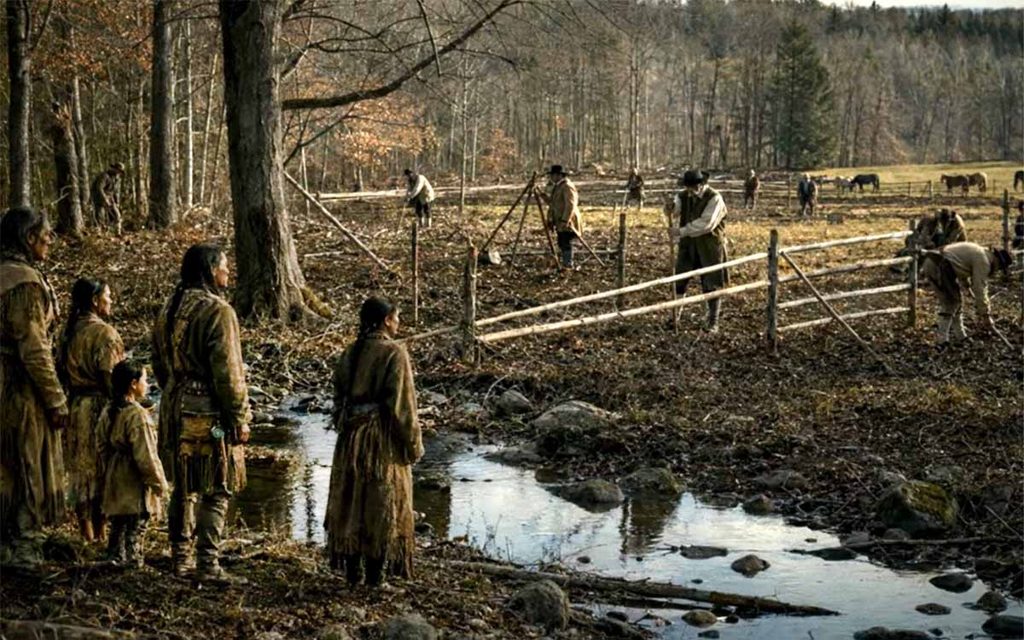
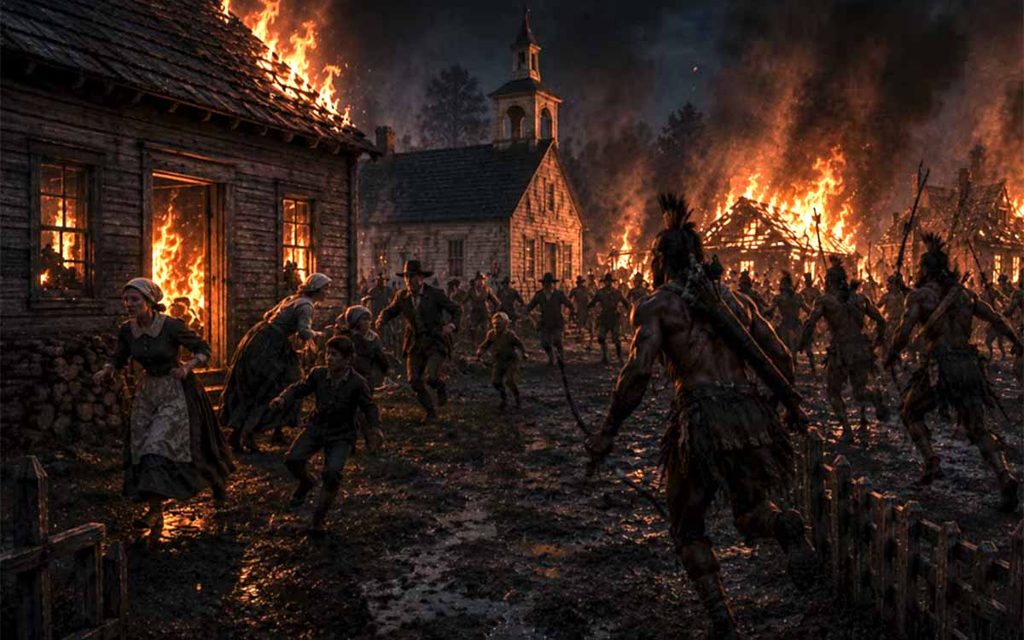
(Above) Starting in 1621, the English Separatists in Plymouth began to work out agreements for their use of Native land. Despite numerous treaties, the English soon overwhelmed Native land with expanding farms and wandering livestock that was destroying Native gardens. By June of 1675, Pokanoket warriors had enough, so their leader, Metacom, called King Philip by the English, began attacking colonial settlements in an effort to drive the colonists back to England. Colonists quickly began to draft men into militias to defend against the Native attacks.
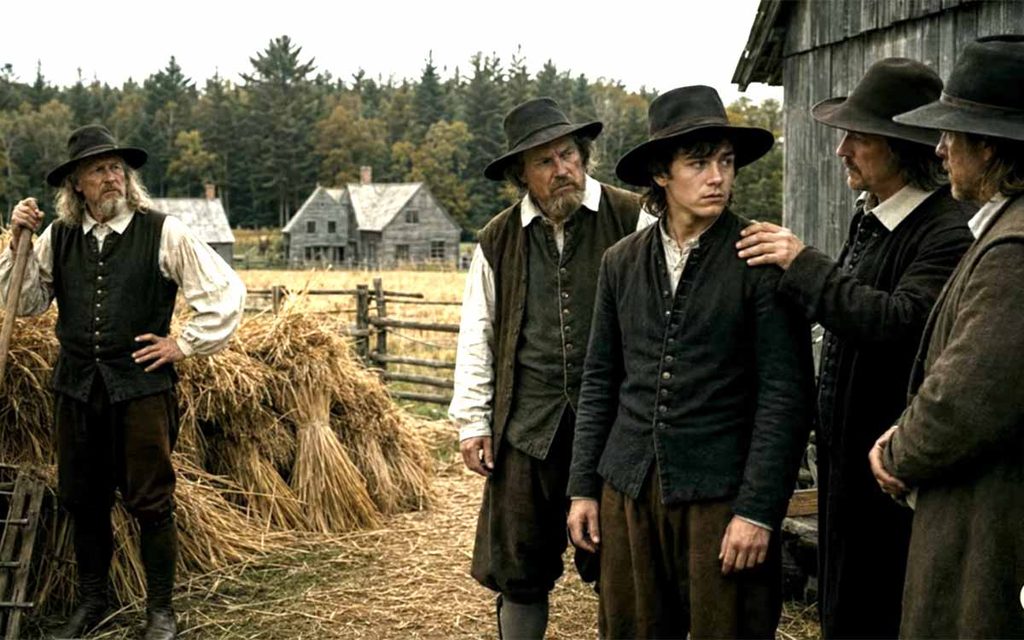
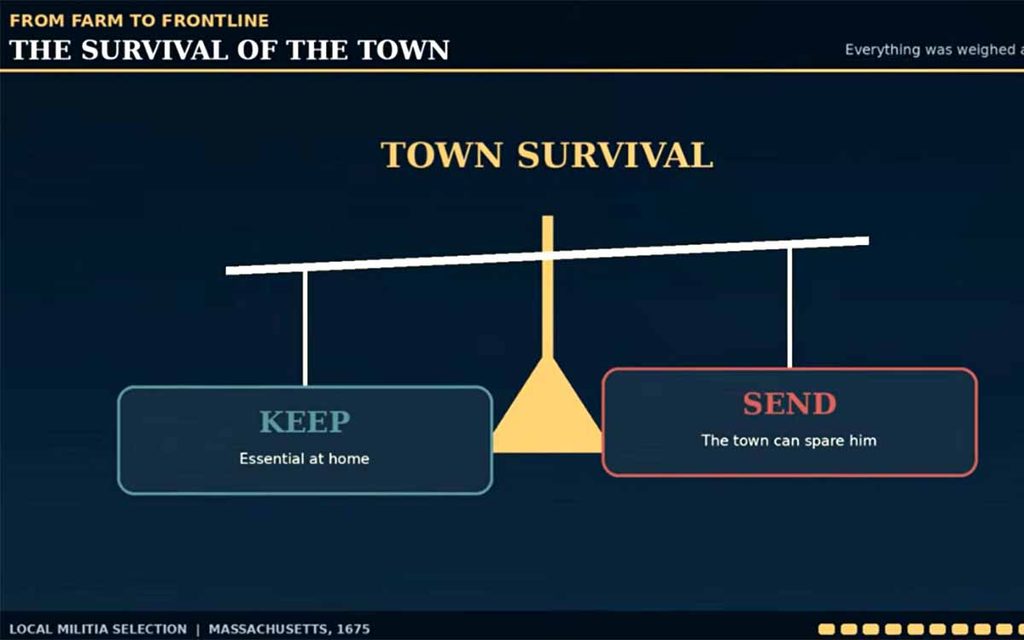
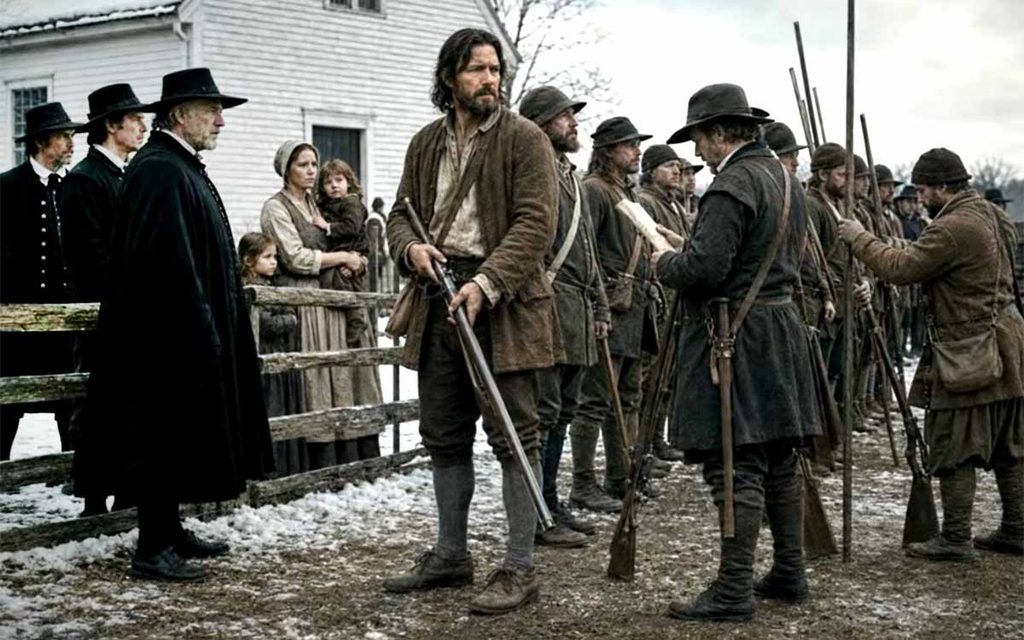
As they drafted men, the question that they were asking themselves was not just who is the best soldier. It was implicitly whose loss can this community most easily afford? And the survival of the town itself was everything. And so began the grim math of who to keep and who to send away. The more threads that tied one to the community such as family, property, and skills, the more valuable you were at home. But the fewer threads, the more likely you were to find your name on on that list.
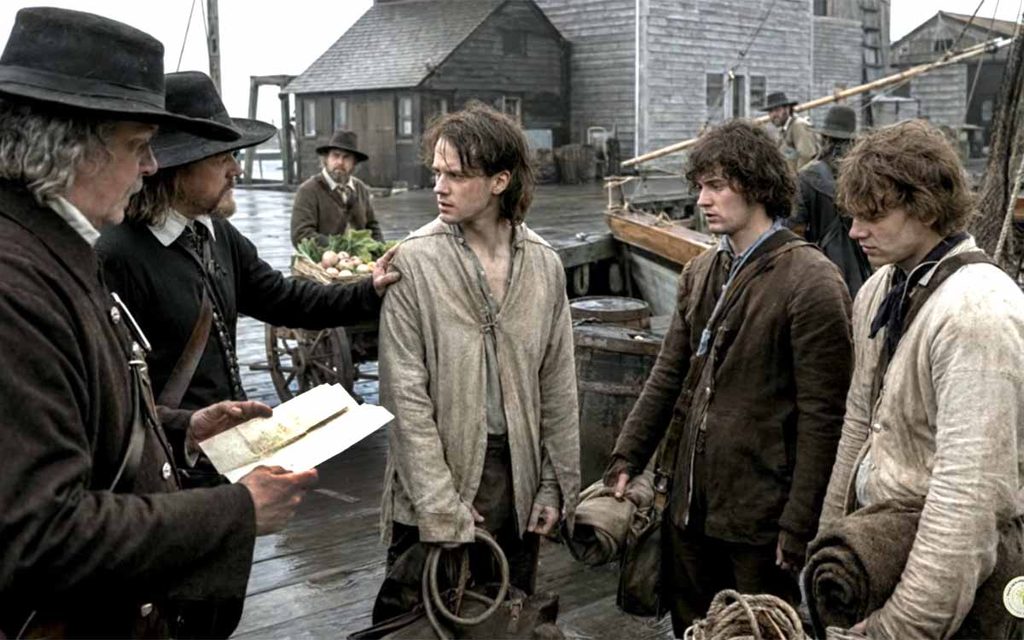
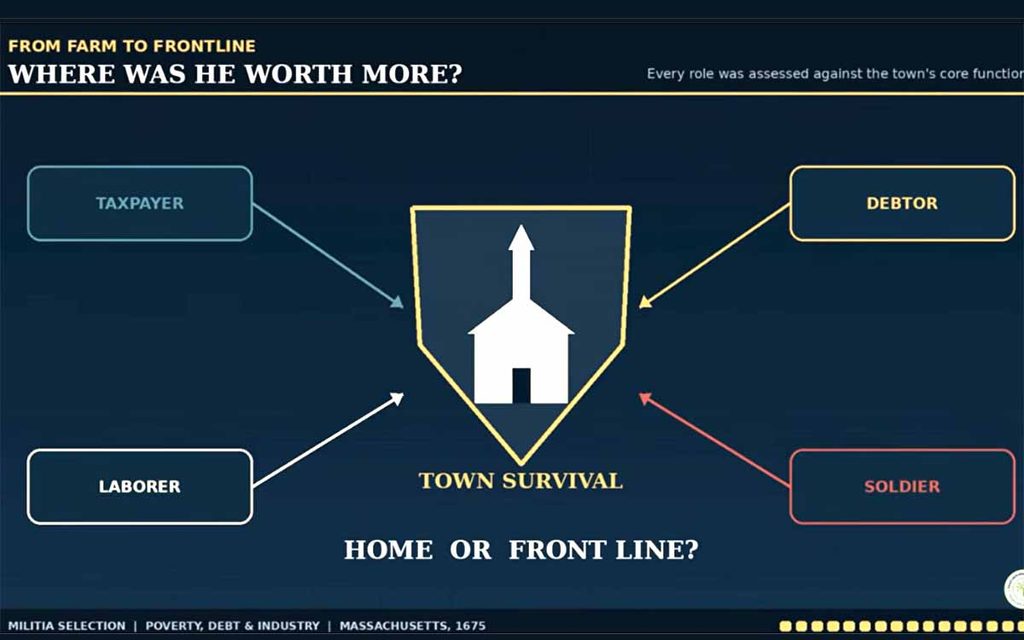
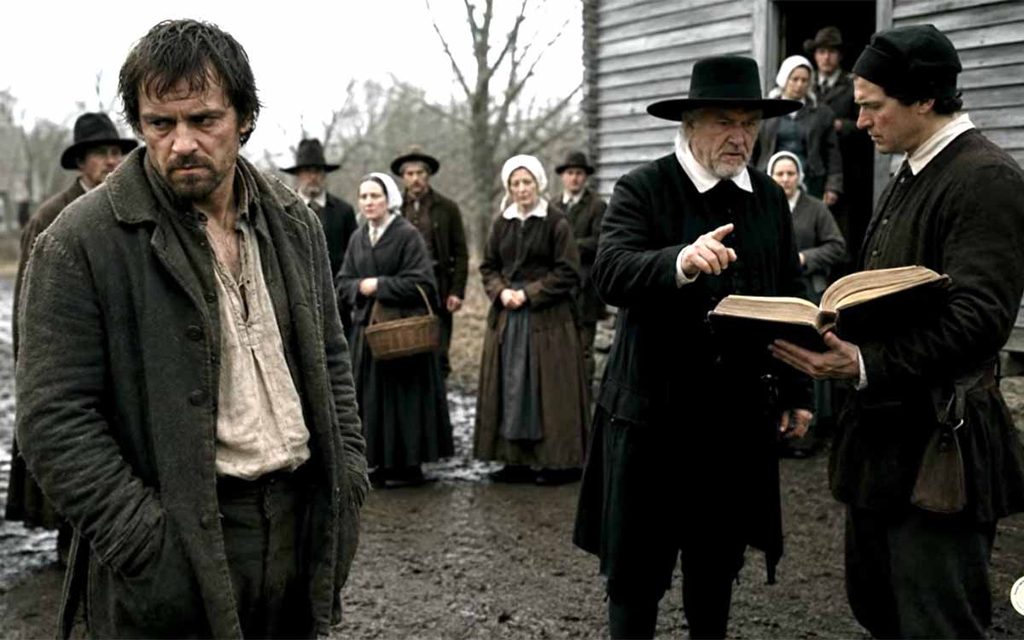
From the committee’s perspective, the logic was grimly sound. The the death of a poor man had had almost no negative economic impact on the town. The burdens of war have rarely been shared equally because for every man sent from his farm to the front line, there was a reason. That reason often had less to do with his willingness to fight and everything to do with his community’s willingness to lose him.