

Puritan social hierarchy dictated the arrangement of seating in 17th-century New England meeting houses, and that that arrangement was determined one’s social status. During King Philip’s War, thus, where you sat in meeting could have gotten you killed! This examination explores how specific placement within the meeting house reflected an individual’s social standing and perceived piety. By understanding these seating arrangements, one can gain a clearer picture of how early settlers prioritized order to build their vision of a godly society. Watch this 13-minute video posted on August 24, 2026 by Eric Ostroff of Trace Your New England Roots and walk away with a better grasp of the social mechanisms that defined life in these early settlements.
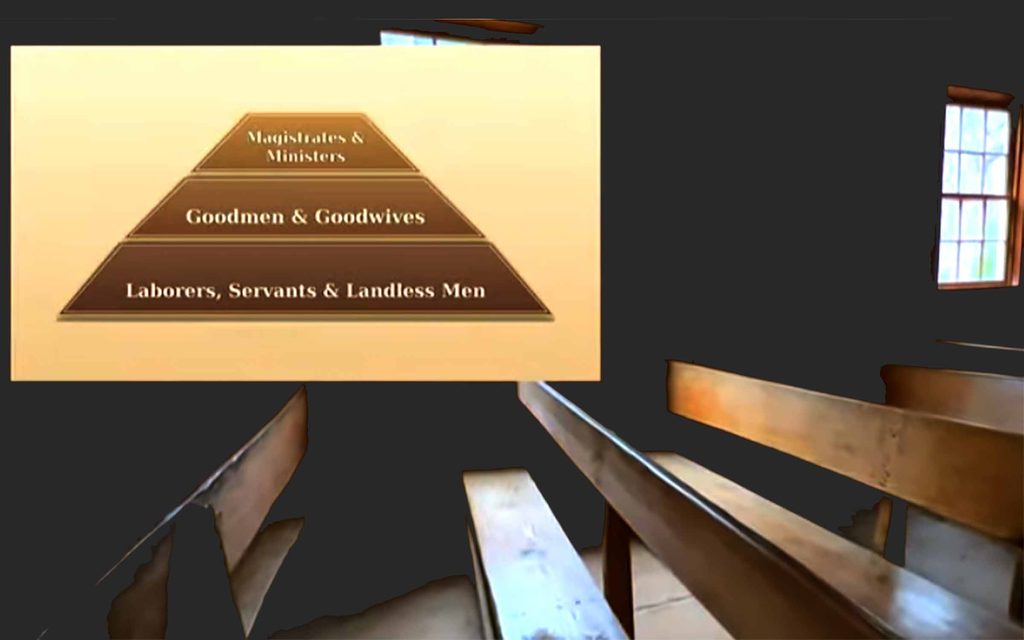
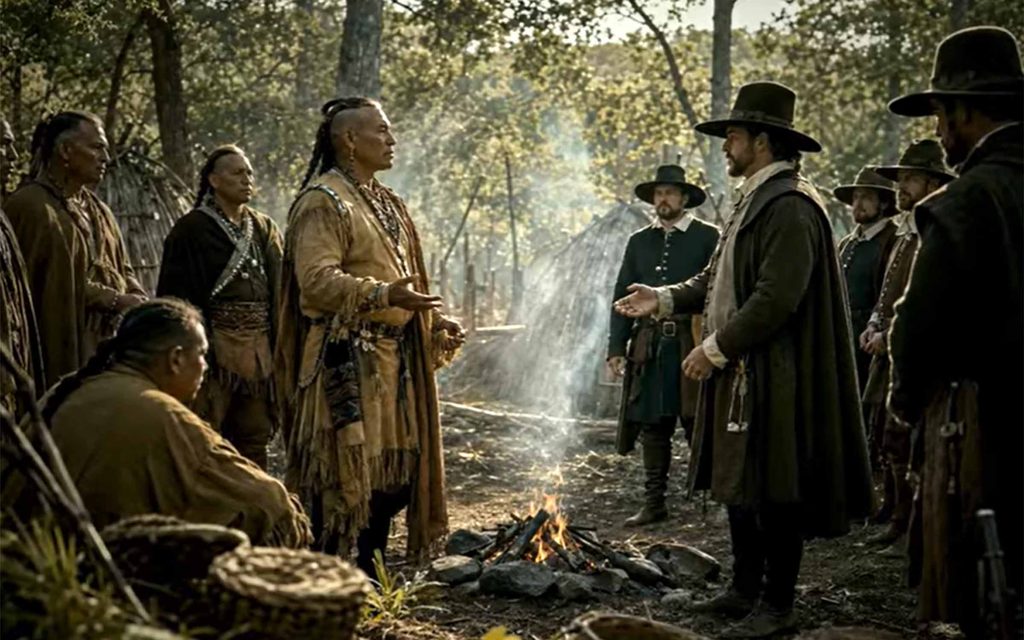
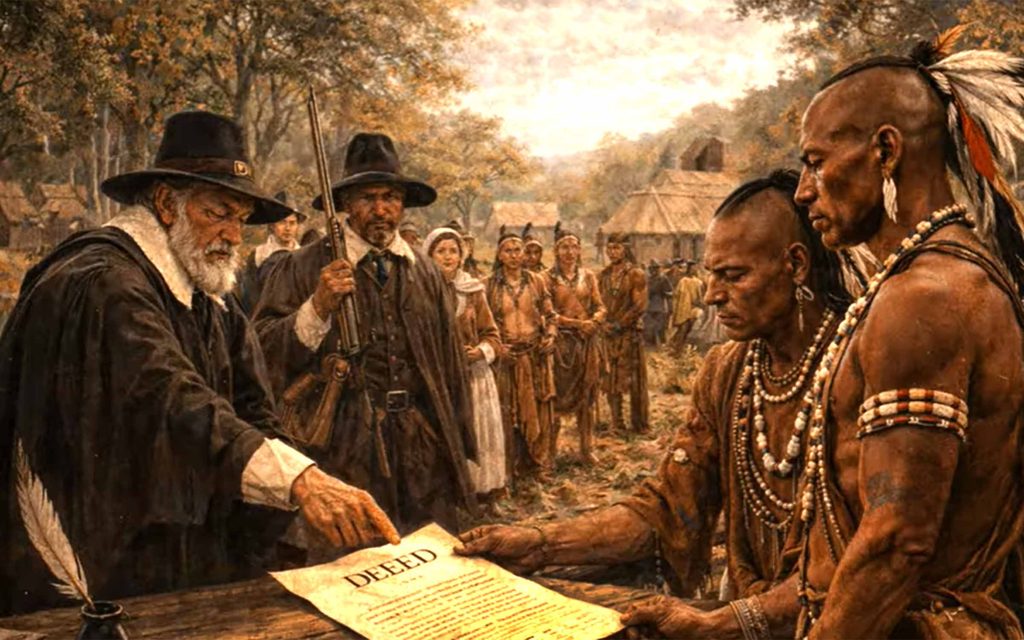
(Above, left) The rigid structure of colonial town meetings and the seating chart reveals much about the era’s values. For those studying 17th-century America, this breakdown clarifies the intersection of religion and community control. (Above, center and right) The Massasoit Ousamequin struck a treaty with Governor Carver of the Plymouth Plantation in 1621 that lasted until Ousamequin’s death in 1661. However, over that time, the English purchased much of his land using questionable deeds.
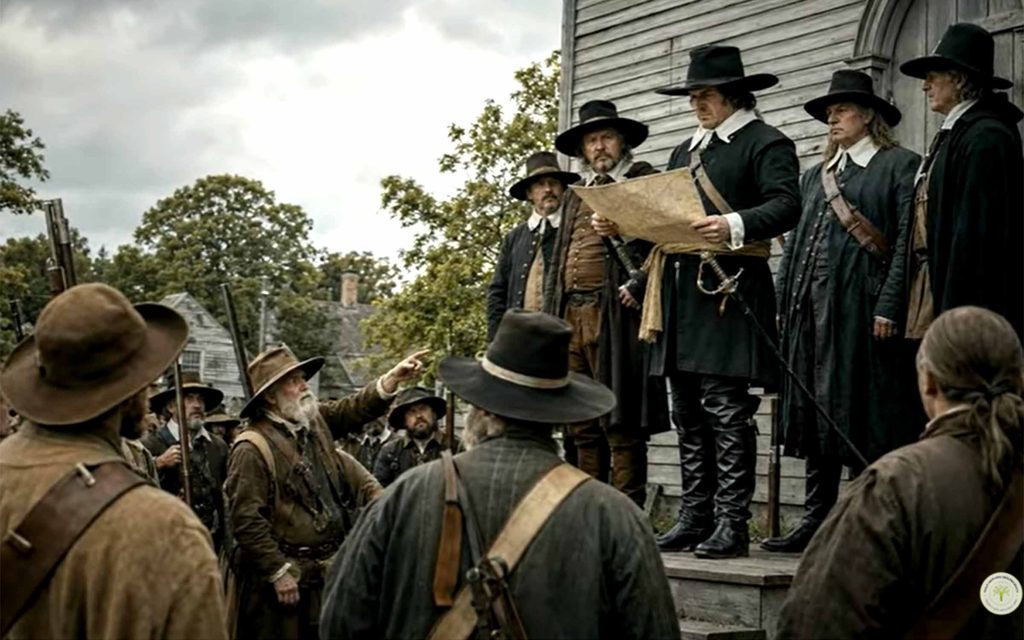
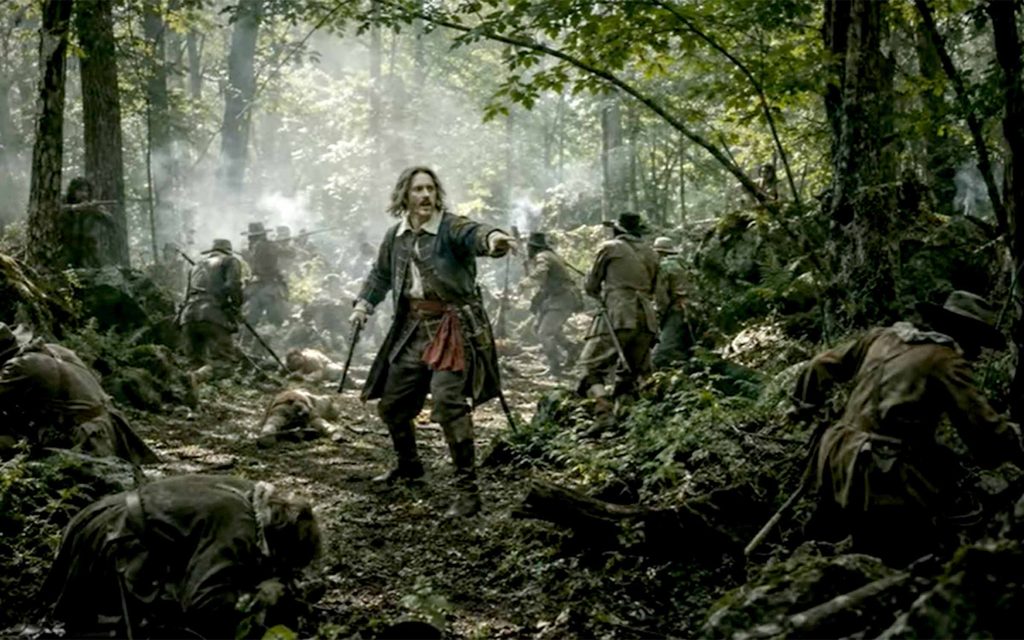
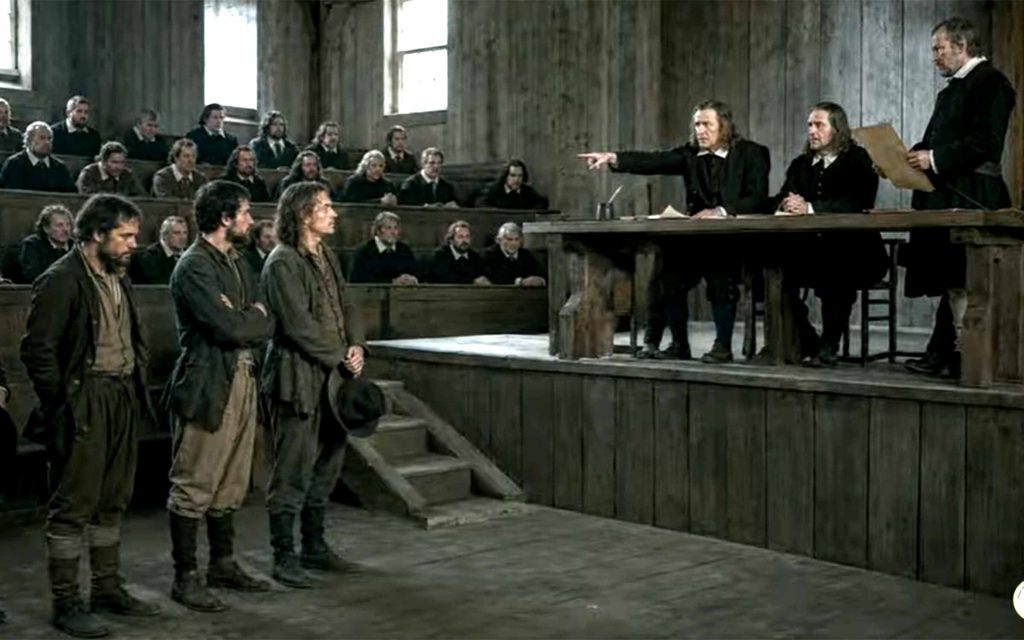
Learn why the Puritans enforced such strict protocols and how these town meeting seating rules maintained the cohesion of a “City Upon a Hill” that John Winthrop of early Boston often referred to. However, social status often determined who would first have to defend the colonies, whether they were skilled in warfare or not. And those drafted fight in King Philip’s War were usually those of low social status.
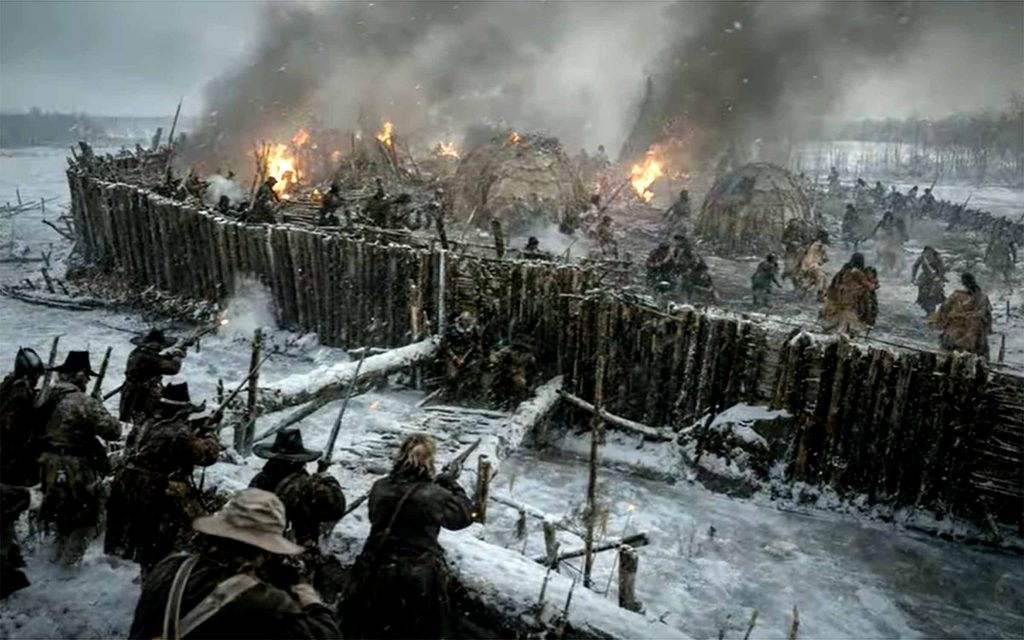
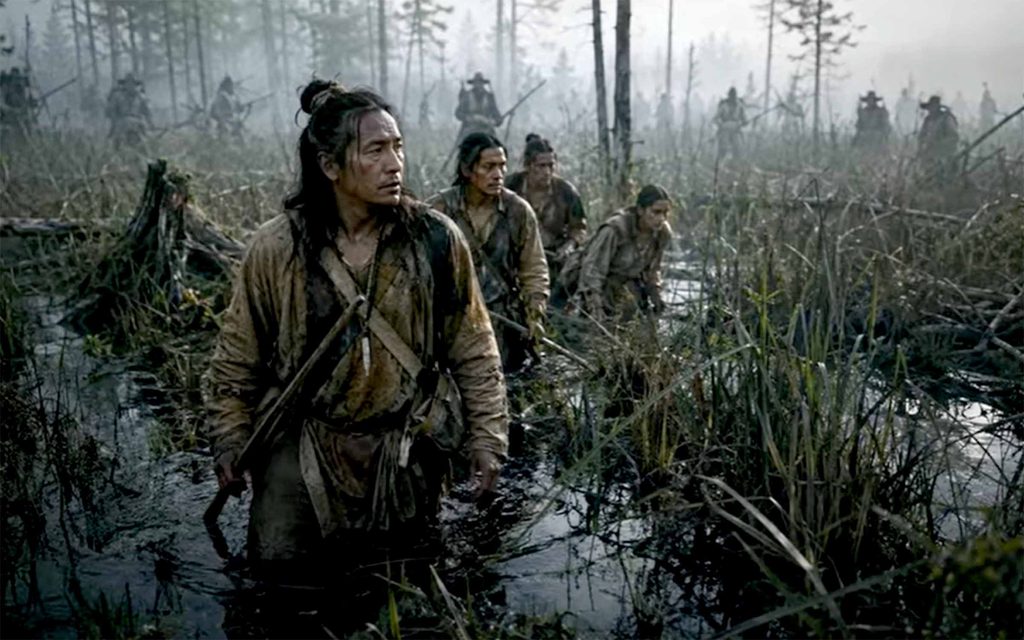
Following the disastrous Great Swamp Massacre (above, left) that brought the Narragansetts into the War, it first looked like the English would be driven out of New England. However, when King Philip and his allies began running out of food and ammunition in the following spring and summer, he was hunted down and killed in the Miery Swamp (above, center) on Mt. Hope in today’s Bristol close to where he lived. His body was quartered and his head mounted on a pike (above, right) outside the entrance to the Town of Plymouth where it remained for 25 years.