
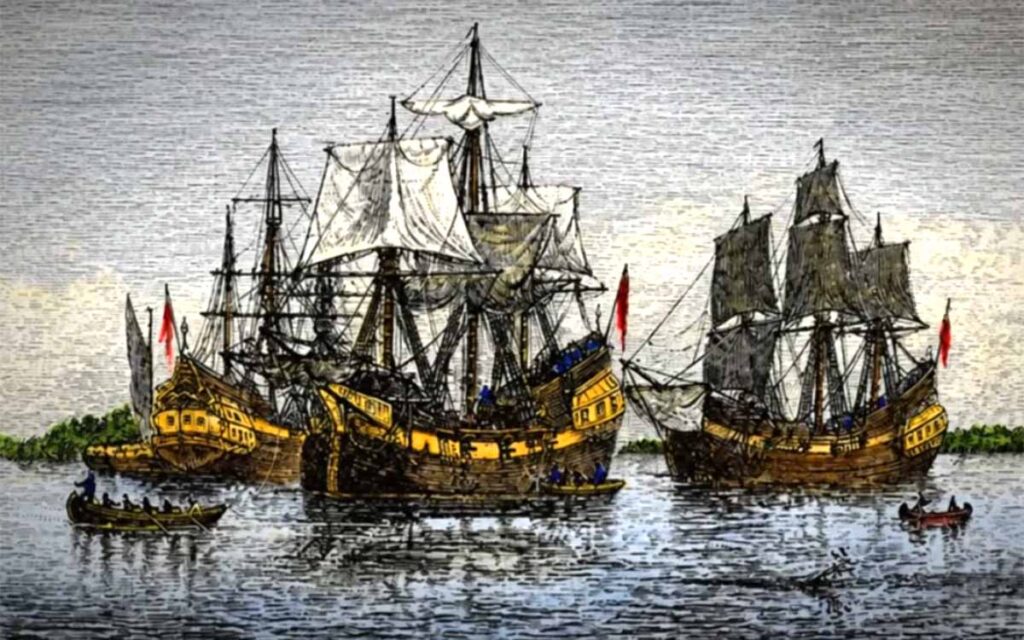
The Winthrop fleet dropped anchor in Boston harbor in 1630, and the twenty thousand English Puritans who followed became one of the most concentrated of founder populations in American history. In this 26-minute video posted on July 20, 2026 by Anglo Origins, we count through fifteen surnames of the Great Migration families of 1630s New England: the governors, ministers, poets, and judges who built Boston, Salem, Hartford, and Springfield, and whose descendants shaped America for centuries.
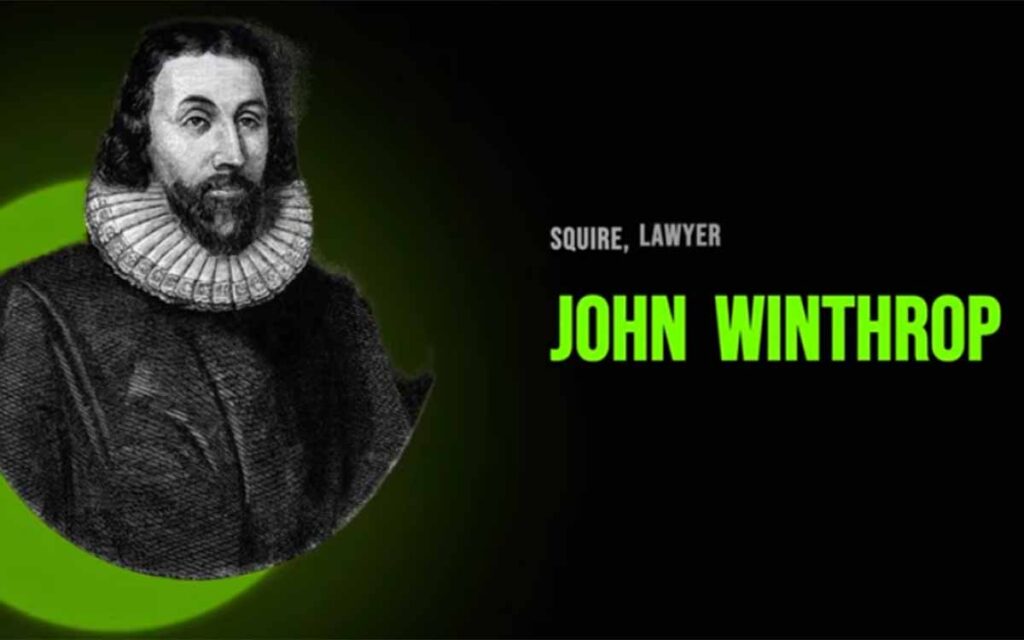
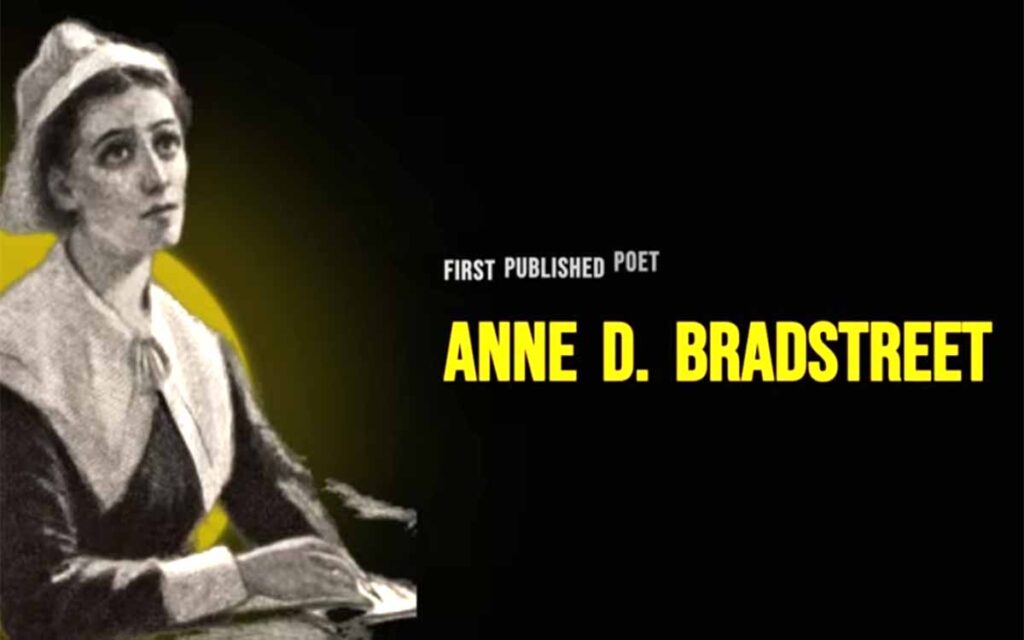
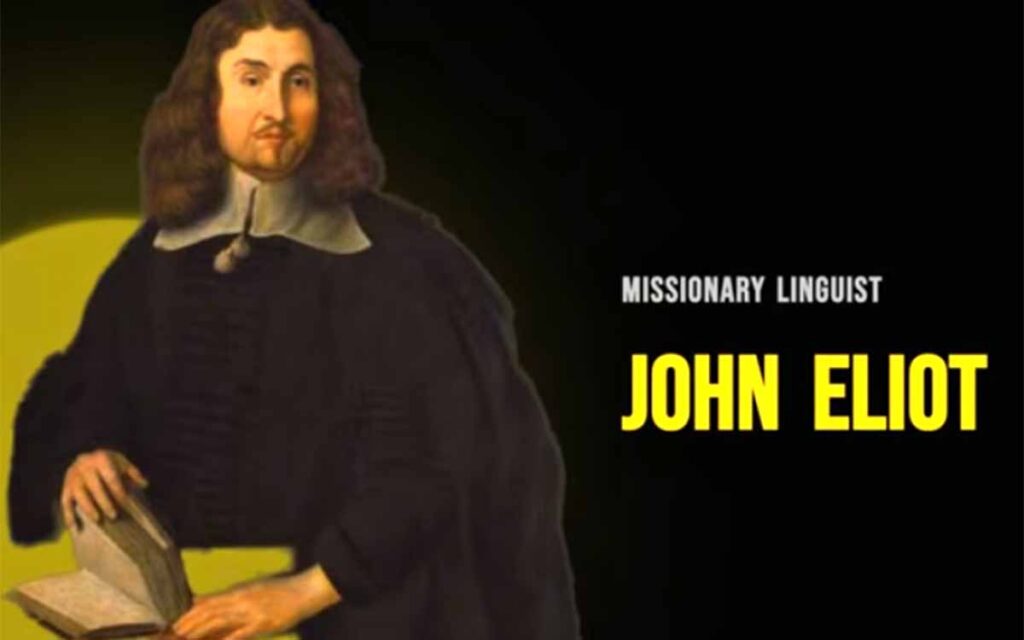
(Above, left) John Winthrop Jr., son of Governor Winthrop, became governor of Connecticut and one of the first colonial members of the Royal Society in London. The family stayed prominent for centuries. Senator John Kerry, who ran for president in 2004, descends from the Winthrops through his mother, Rosemary Forbes. (Above, center) Anne Bradstreet had become the first published poet of England’s American colonies. She was a Puritan wife raising eight children on the edge of the wilderness in Andover, who wrote verse by candlelight. Her husband, Simon, outlived her by a quarter century and served as the very last governor under the original Massachusetts charter, dying in Salem in 1697 at 93. (Above, right) John Eliot arrived in Boston in 1631 and became a minister in Roxbury. Then he learned the Massachusett language, an Algonquian tongue with no alphabet, no dictionary, and no grammar book. In 1663, at the press in Cambridge, Elliot published his complete translation of the Bible into that language, and it became the first Bible printed anywhere in British North America in Algonquin, before any edition ever appeared in English.
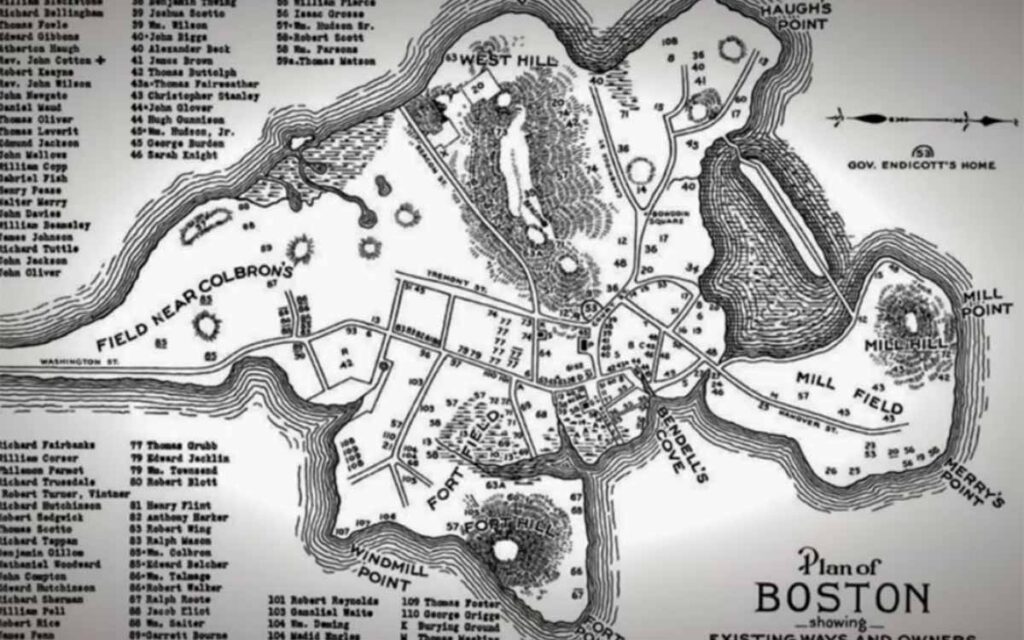
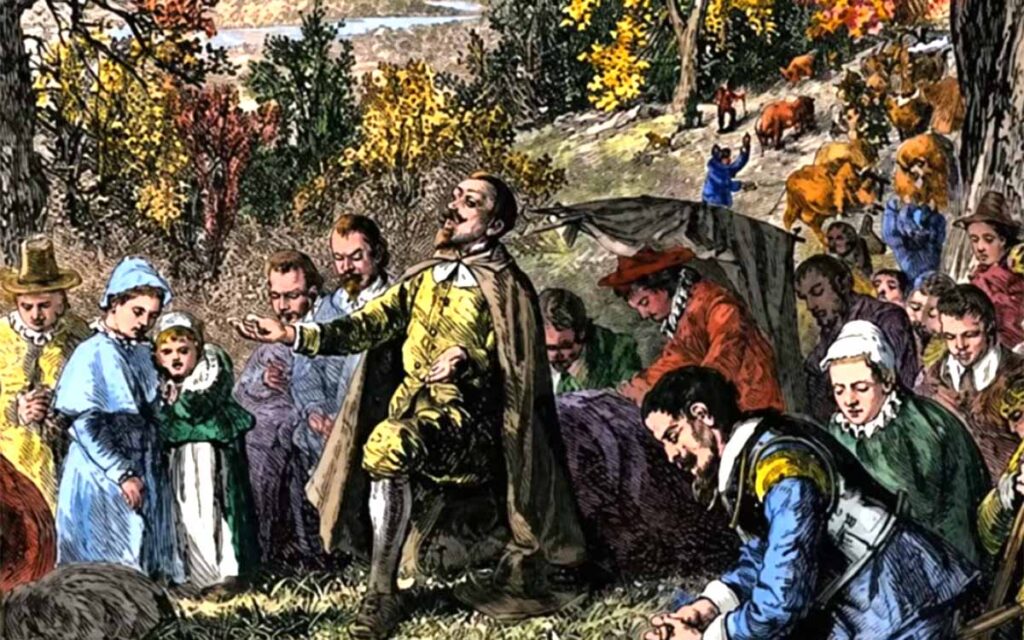
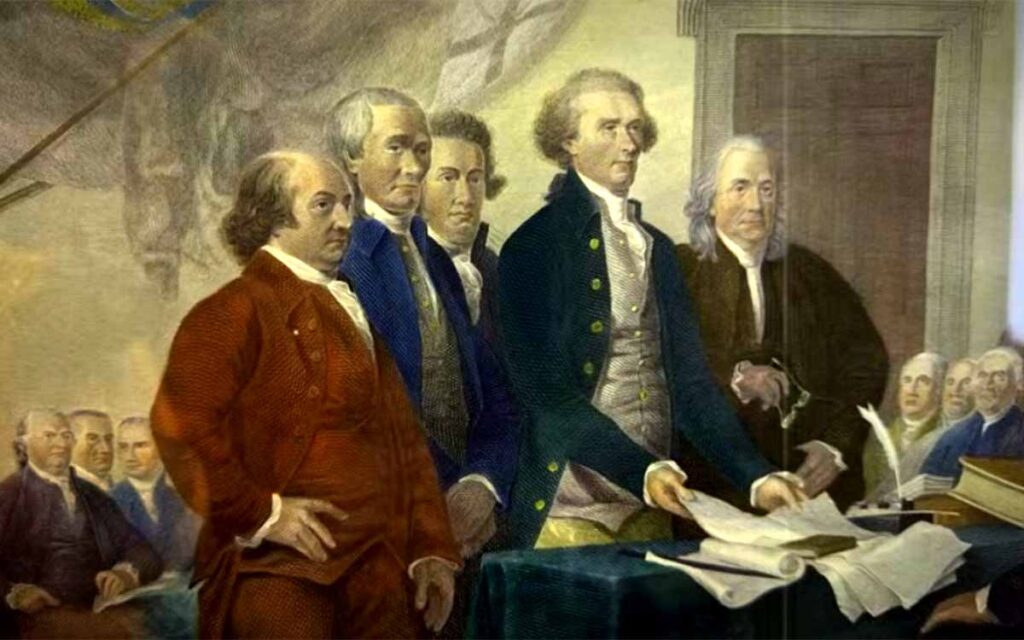
(Above, left) The video begins with a map of early Boston. (Above, center) Thomas Hooker left Boston for Connecticut where he founded Hartford. (Above, right) From Captain John Sherman of Watertown descended Roger Sherman of Connecticut, the only man in American history to sign all four founding documents: the Continental Association, the Declaration of Independence, the Articles of Confederation, and the Constitution.
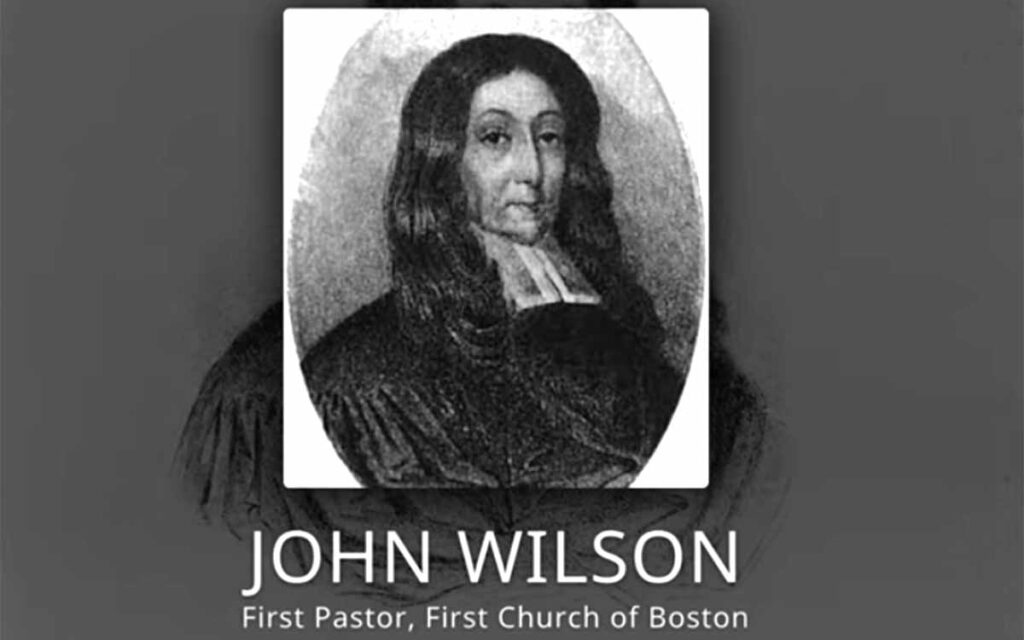
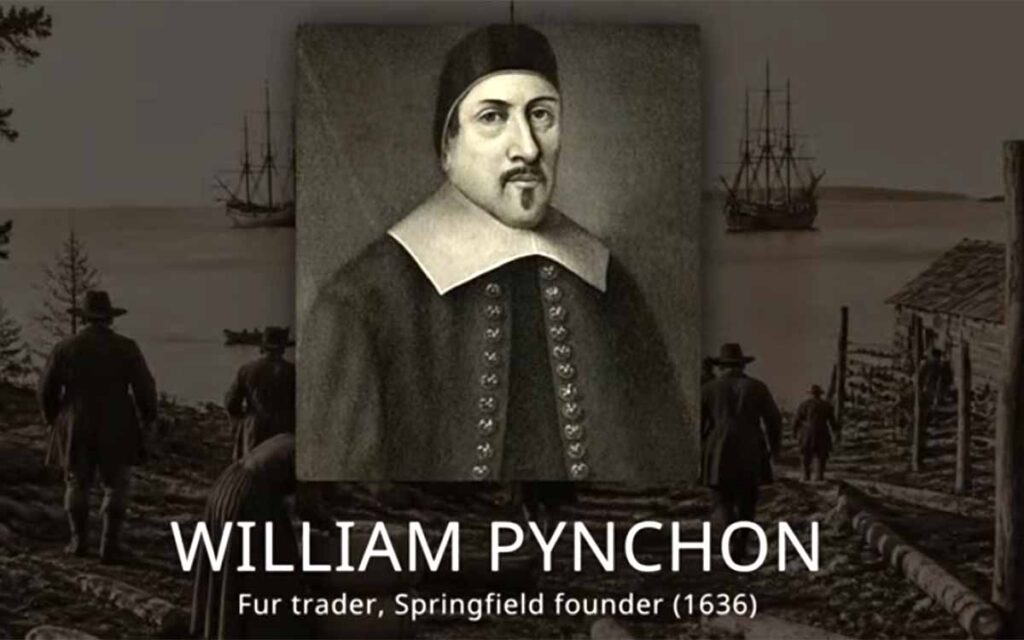
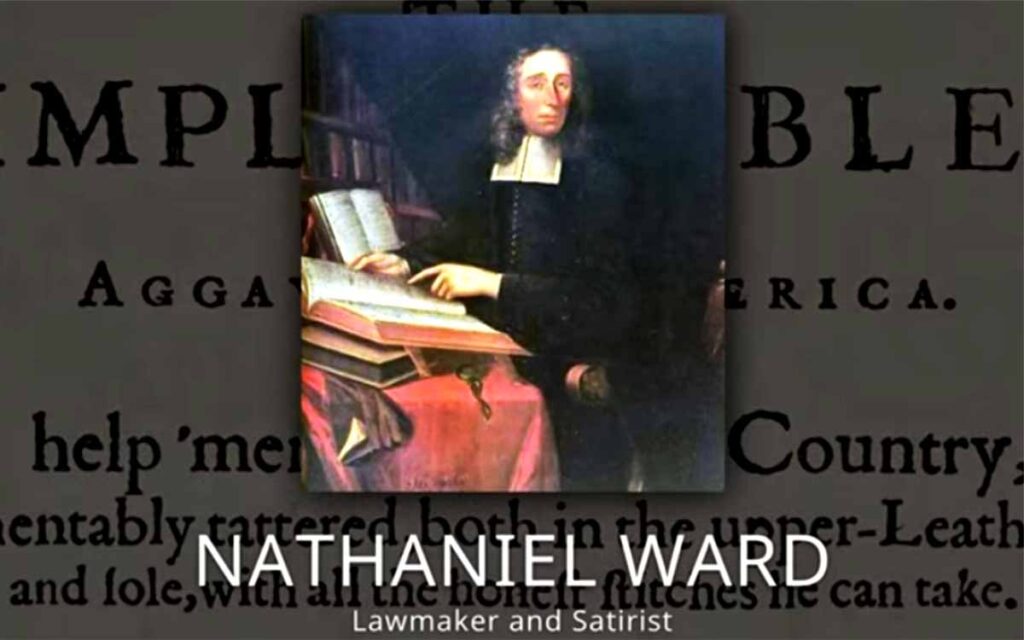
(Above, left) John Wilson was the first pastor of the first church of Boston, chosen in 1630, and he held that pulpit for 37 years, longer than the colony’s first generation of governors survived. (Above, center) William Pynchon crossed the Atlantic with the Winthrop fleet in 1630, helped found Roxbury and then looked west. In 1636, he planted a fur trading settlement on the Connecticut River and named it Springfield after his home village in Essex, England.(Above, right) Nathaniel Ward was a lawyer before he was a minister. He arrived in 1634 and settled at Agawam, now Ipswich. In 1641, the colony adopted the Massachusetts Body of Liberties, the first legal code in New England, and Ward was its principal drafter.