
In this lecture, Dr. Scott Berthelette explores the 1616–1617 Powhatan delegation to England through the intertwined experiences of Matoaka (Pocahontas) and Uttamatomakkin, revealing the journey as a mission of Indigenous diplomacy and intelligence-gathering rather than simple colonial spectacle. What Uttamatomakkin learned about England reshaped Powhatan strategy and set the stage for renewed conflict in early Virginia. Click here for a 42-minute video of his lecture posted on January 26, 2026 by Dr. Scott Berthelette Historic Trails.
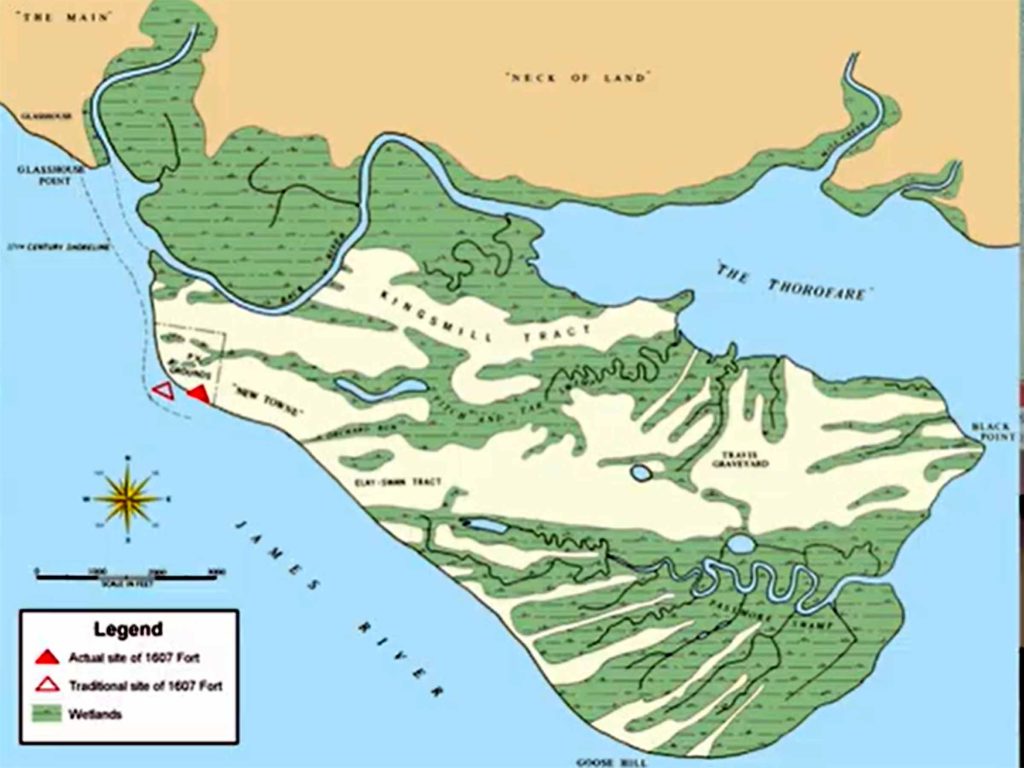
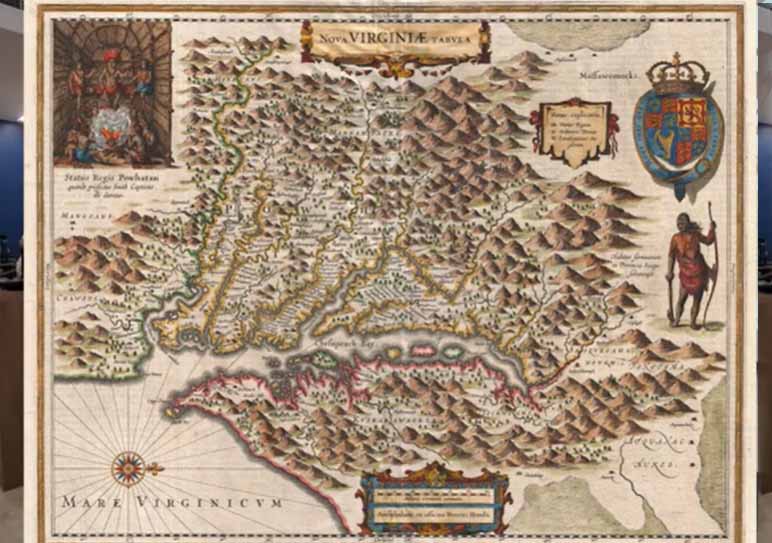
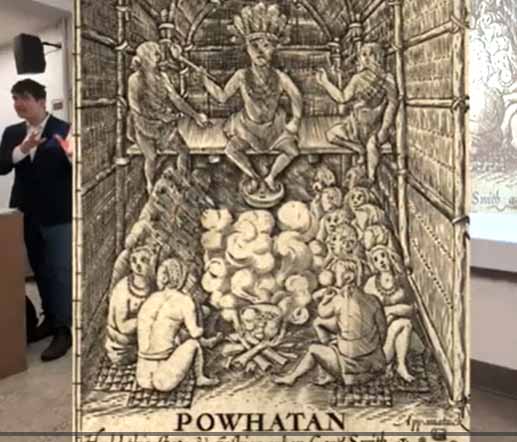
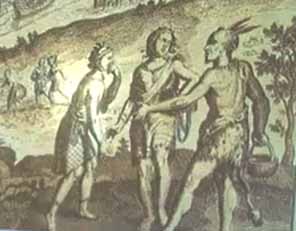
The island where the Virginia Company colonists chose to build their settlement (above left and center), however, was poorly situated. It was an island that had a swampy environment which bred malaria carrying mosquitoes and lacked reliable sources of fresh drinking water. The Indigenous population of roughly 20,000 people there was divided into about 30 nations who together formed the Powhatan Confederacy.
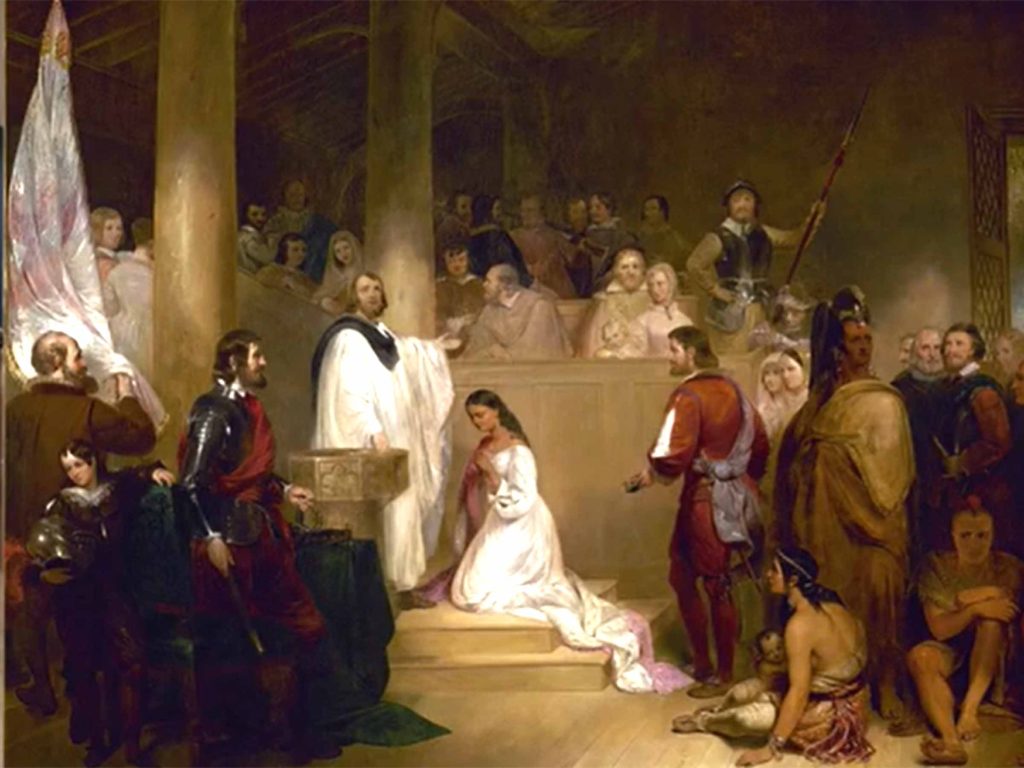
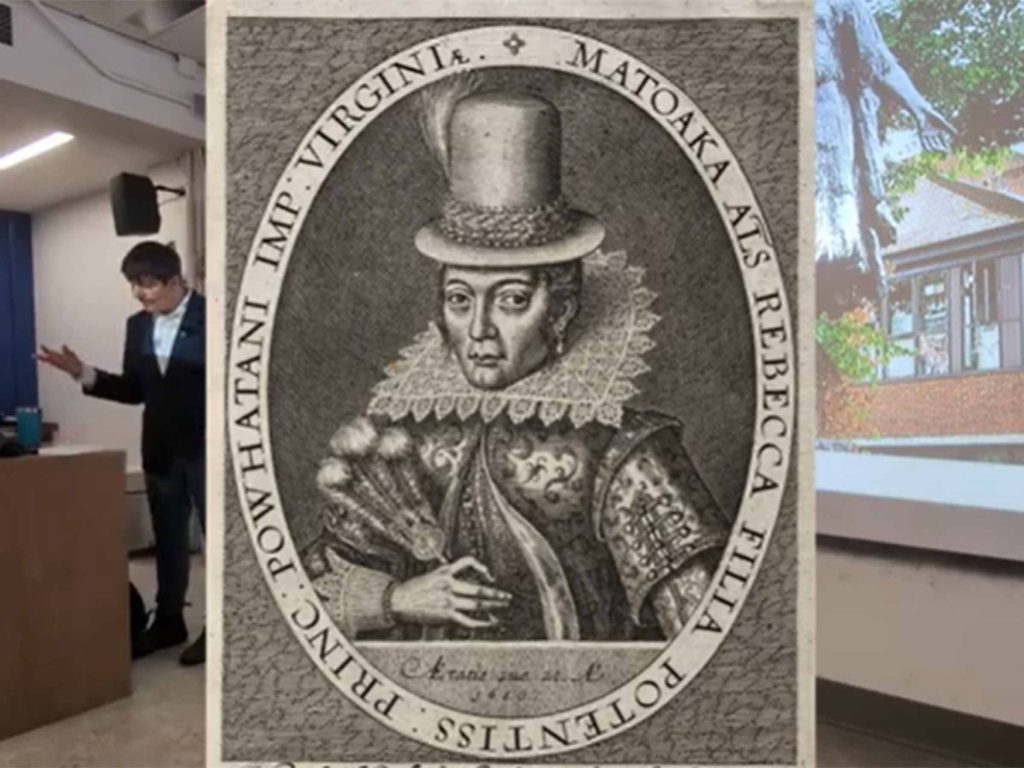
A 19th century painting (above, center) shows the baptism and Christian conversion of Matoka as part of the civilizing mission of the spread of Christianity. Also the famous engraving of Matoka that Simon Vanderpass sketched in February of 1617 went on to be printed as a woodcut engraving (above, right) that was spread widely.
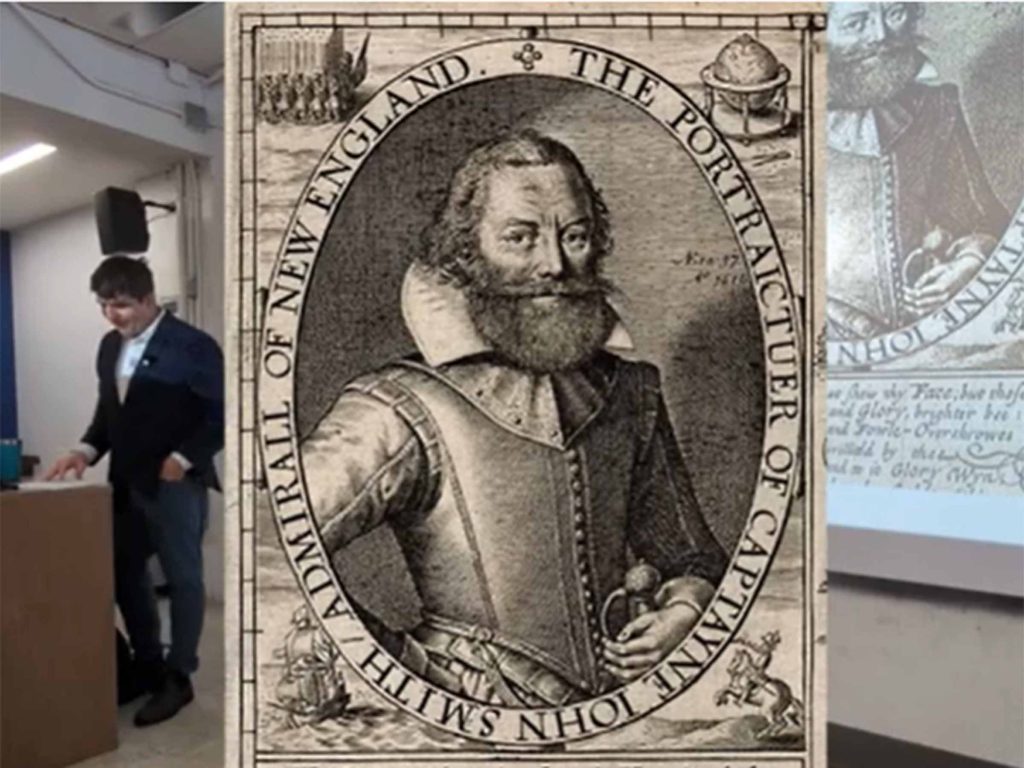
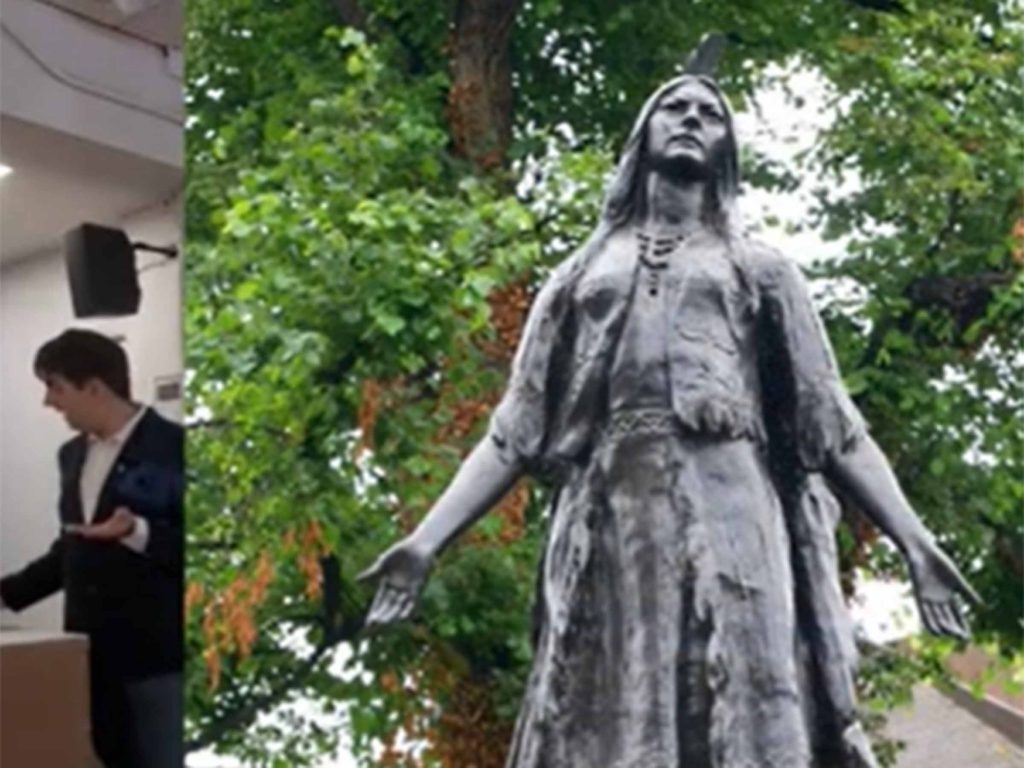
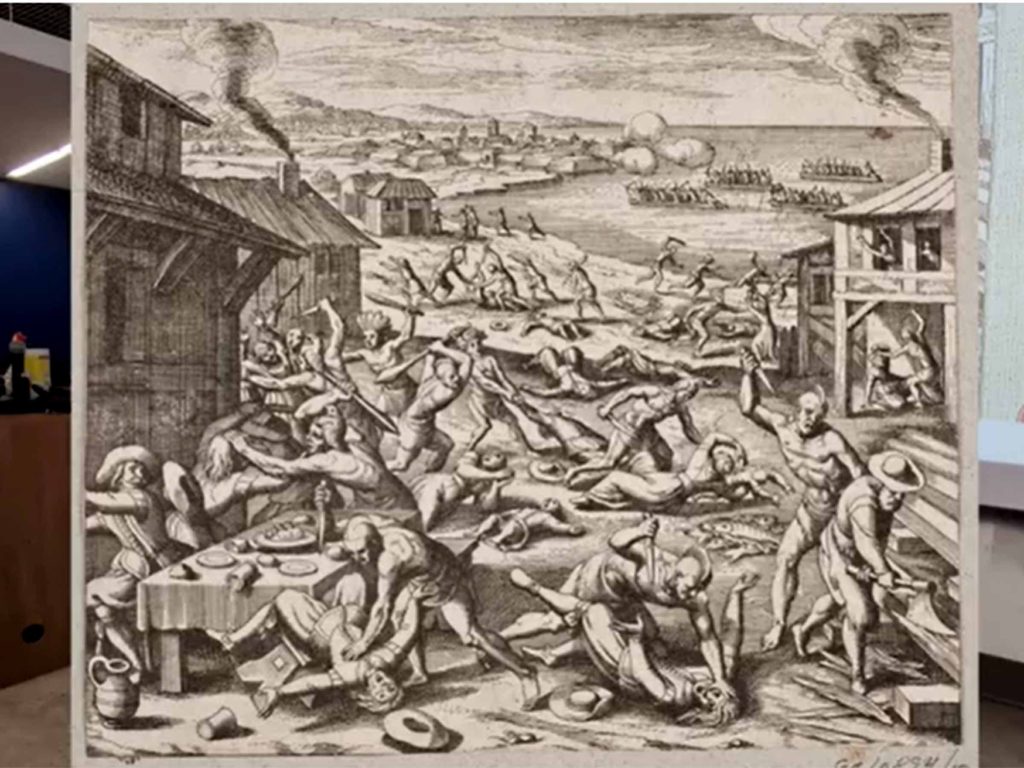
Samuel Purchas wrote that some other Powhatans had visited England where Matoka died. She is buried at a place called Graves End at St. George’s Church, which features a number of memorials, including multiple plaques, a stained glass window, and a life-sized bronze statue of Matoka. The number of Virginian colonists had increased every year, and the Powhatans lost much of their land to the English settlers who demanded major land expansions for their financially lucrative tobacco crop.