
Captured during King Philip’s War and held for 11 weeks before her ransom, the harrowing survival story of Mary Rowlandson, a minister’s wife and Puritan mother, is a testament to faith and resilience in colonial history. In 1682, her narrative, titled The Sovereignty and Goodness of God, was released in with multiple editions in both Massachusetts and London and was a massive success. This 29-minute video, posted by Eric Ostroff on June 2, 2026 on Trace Your New England Roots, recounts a foundational historical narrative of early America.
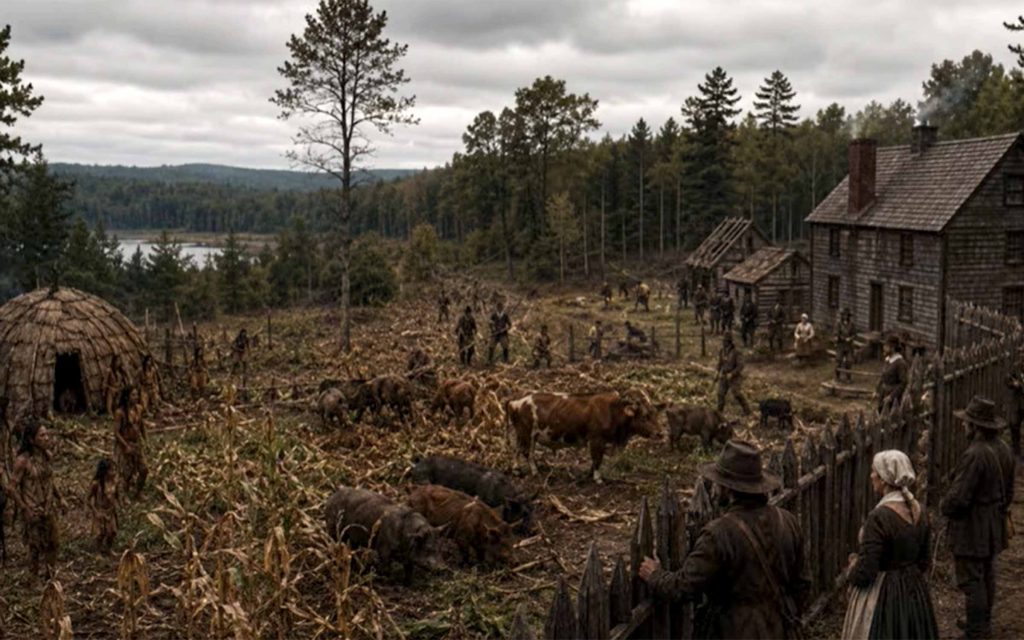

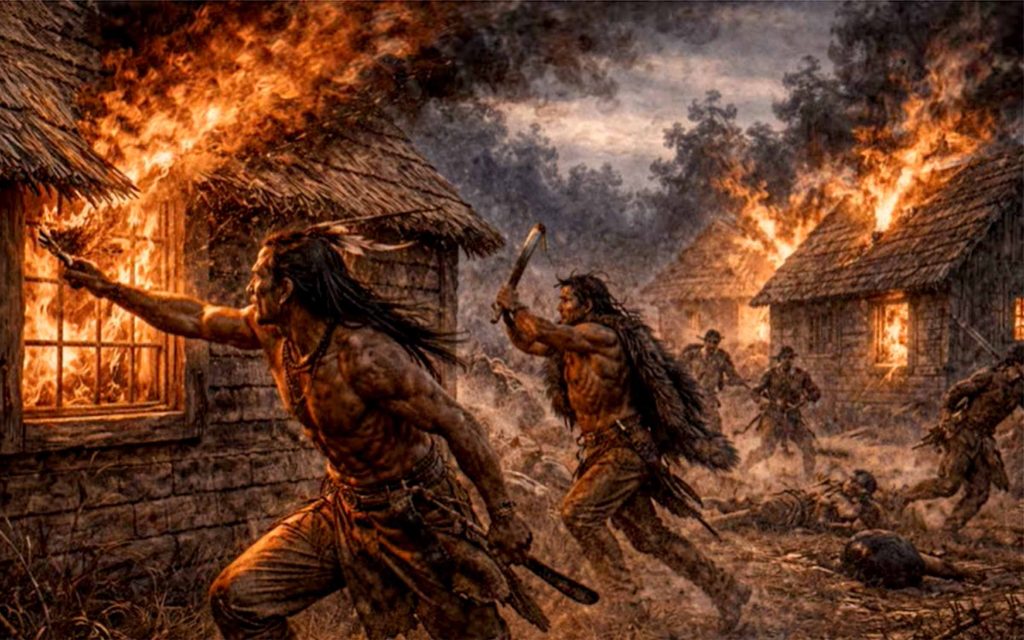
Mary first settled in Salem, Massachusetts before moving 50 miles west to the raw isolated edge of the English world in a new plantation called Lancaster, which she and her husband, Rev. Joseph Rowlandson, helped to establish around 1653. Their livestock trampled native cornfields and their laws chipped away at native sovereignty. When King Philip’s War broke out in 1675, Native raids and colonial counter raids swept across the region, turning villages into smoking ruins. Lancaster on the very edge of the frontier was a prime target.
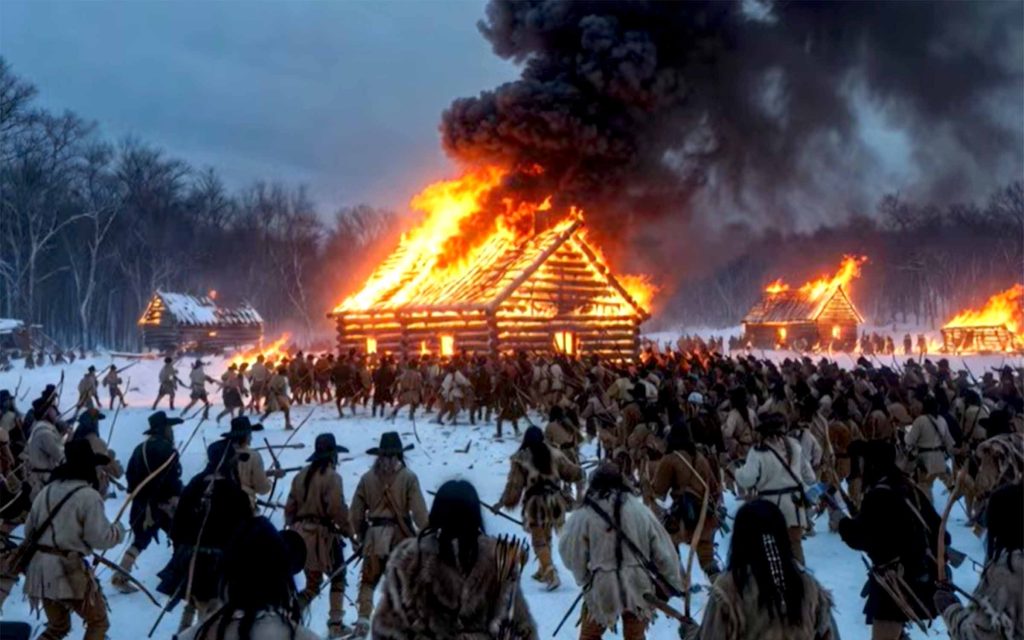
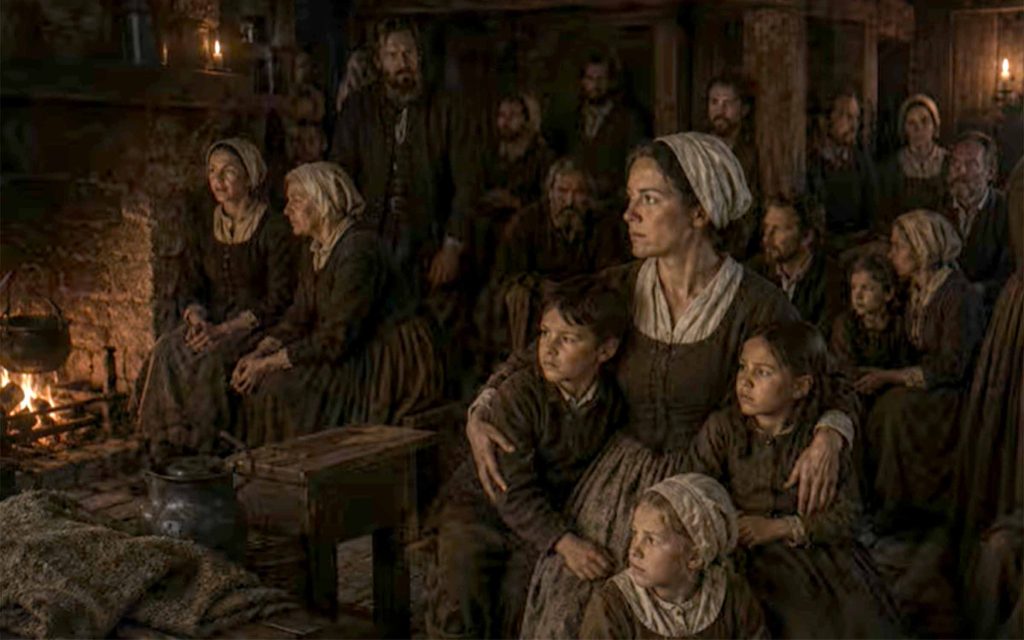
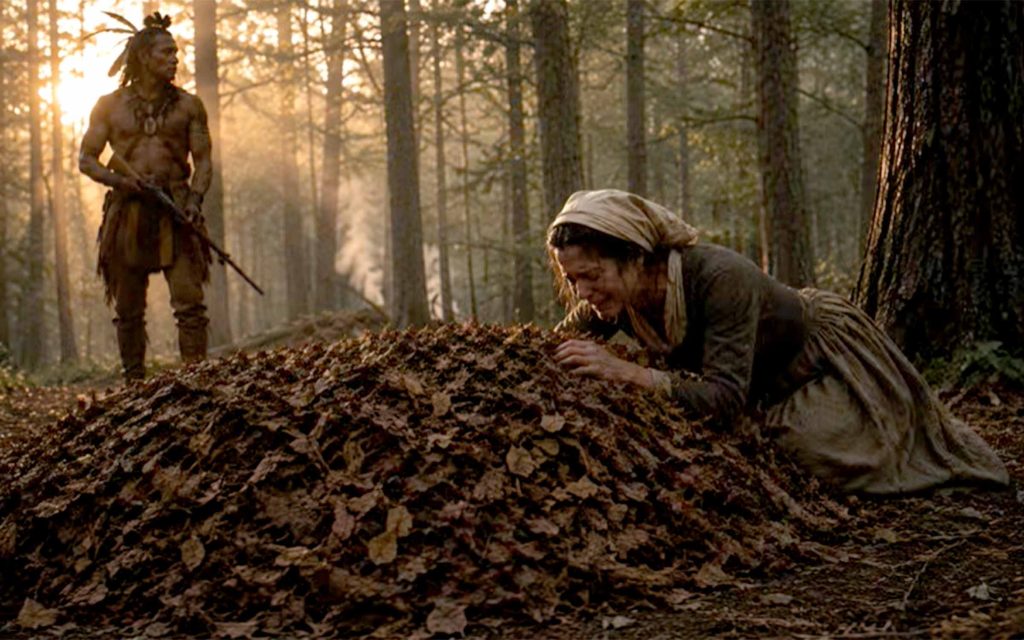
The fiery attack, the death of her child, her capture, and her long ordeal in the wilderness at the hands of Philip were captured in a narrative she wrote six years later. Written through the lens of Puritan faith, she sought a divine explanation and saw her suffering as a test from God and a punishment for her community’s sins.
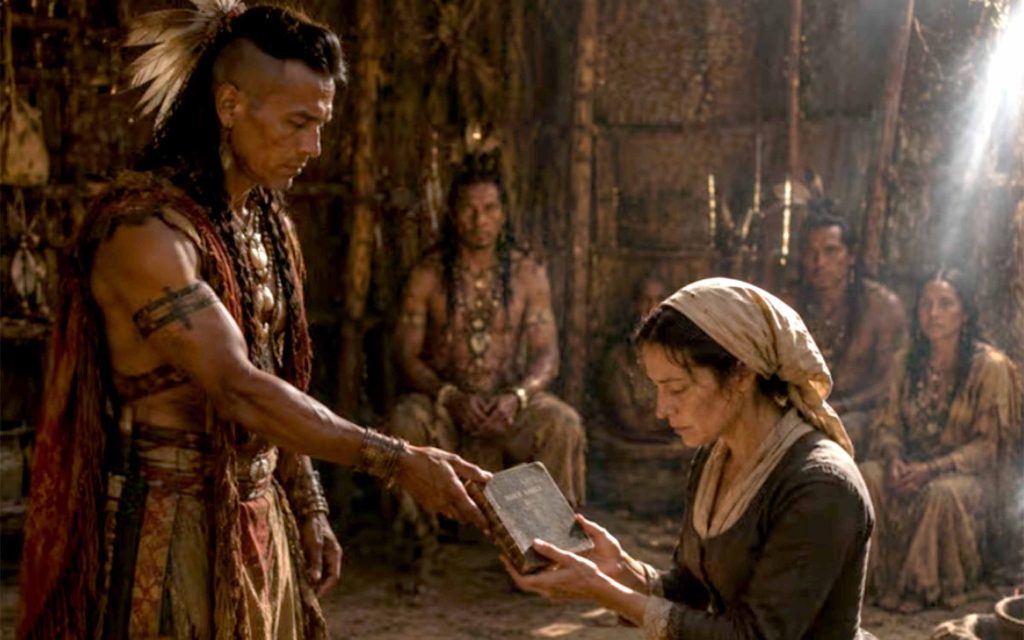
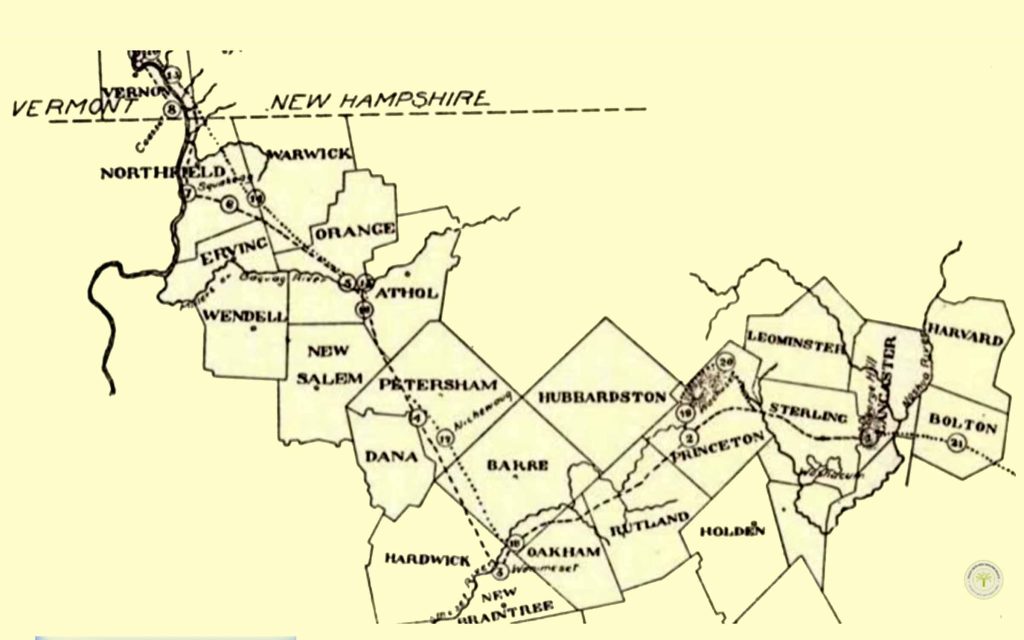
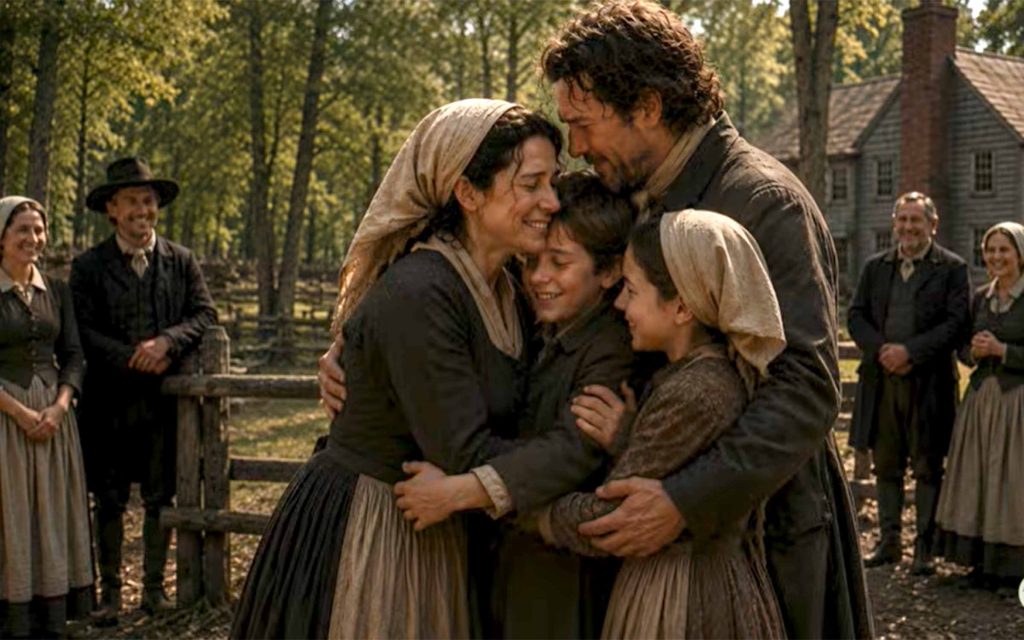
Twenty-four people from the town, including Mary and her surviving three children, were rounded up and marched away. Forced marches that took her and her fellow captives on an estimated 150 mile journey through the frozen wilderness of Massachusetts and in into present day New Hampshire. On May 2nd, 1676, after 11 weeks and five days in captivity, Mary was finally released and brought to her husband for a ransom of 20 pounds of silver. Her book, published six years later, served a powerful political purpose by framing the conflict as a struggle between pious Christians and savage heathens, and justified the War and the colonial project itself, rationalizing rationalizing the ongoing violence and displacement of Native peoples.