
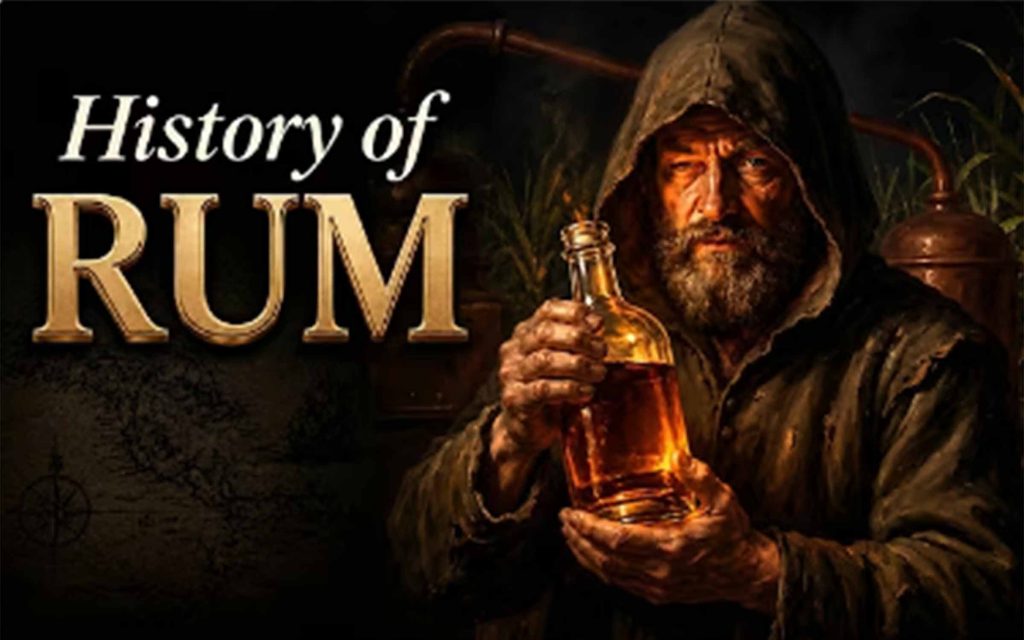
Before it was a cocktail, it had a murderer’s name. In 1657, an Englishman in Barbados wrote down what the sugar planters called their raw new spirit: Kill-Devil — “a hot, hellish, and terrible liquor” that was so strong that it would kill the devil inside you. Within a century, that drink became the currency of the slave trade: in the ledgers of New England merchants, 150 gallons of rum could buy a human being. This video is the dark history of rum, told through two real documents: Richard Ligon’s 1657 account of Barbados, and Olaudah Equiano’s 1789 narrative. Click here for a 28-minute video posted on October 15, 2026 by Grim Goods.
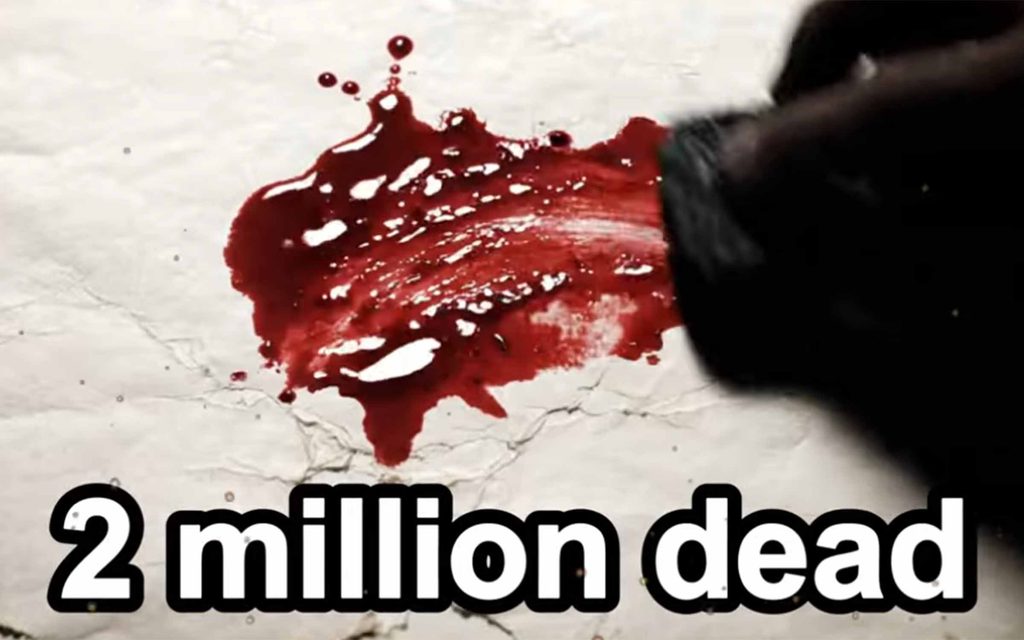
In the 1600s, Caribbean sugar plantations produced massive amounts of molasses as a waste byproduct of refining sugar. It starts with garbage — molasses, often dumped into the Caribbean Sea — and follows it through the Triangle Trade that ground millions of lives into profit: two million dead at sea, sugar islands that could never replace their dead, and rebellions from Saint-Domingue to Barbados.
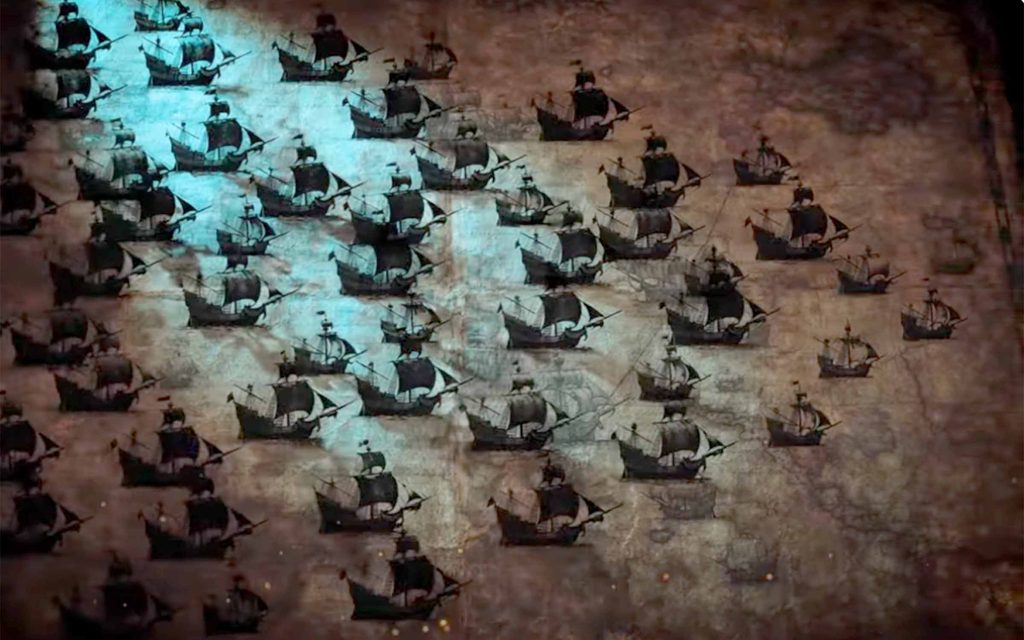
Enslaved Africans were shipped to the Caribbean, sugar and molasses were sent to New England and Europe, and rum fueled further commerce. By 1775, North American colonists consumed massive quantities of rum, and British attempts to tax molasses via the Sugar Act of 1764 helped ignite revolutionary tensions
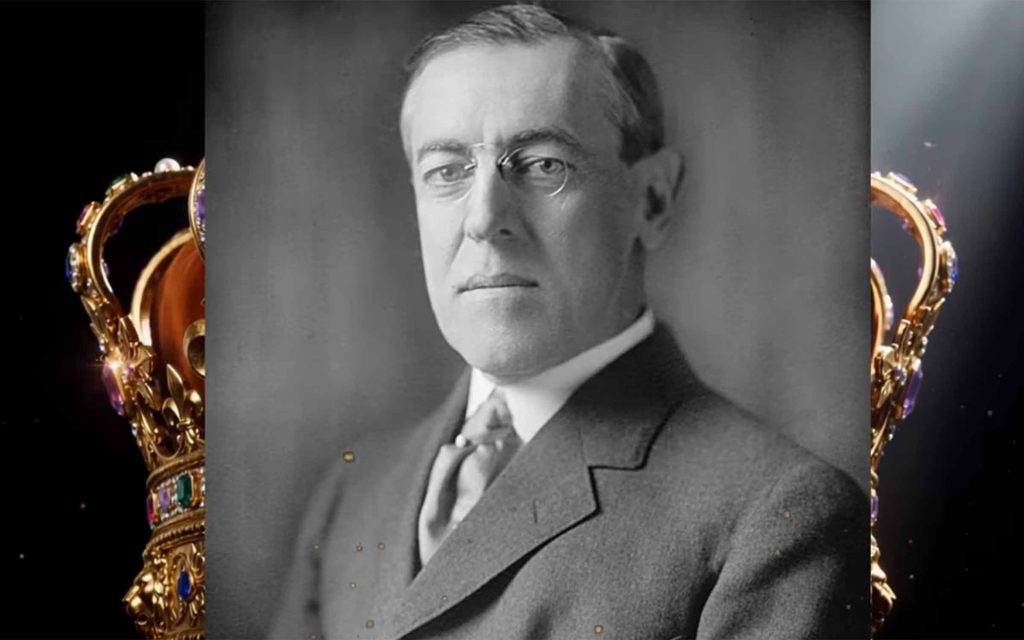
The fiery, harsh early liquor was first called “kill-devil” or “rumbullion” (meaning an uproar or tumult) before shortening to rum. President Woodrow Wilson oversaw the passage of the 18th Amendment, which effectively banned the manufacture, sale, and transportation of intoxicating liquors—including rum—across the United States from 1920 to 1933.