

The Great Migration of the 17th century was one of the most significant population movements in early American history, fundamentally shaping the political, religious, and cultural identity of New England. Unlike other waves of migration that were primarily motivated by economic opportunity or territorial expansion, the Puritan migration was driven by a quest for religious and ideological purity. Click here for an 8-minute video posted on October 24, 2025 by Sir Talk A Lot Dolittle.
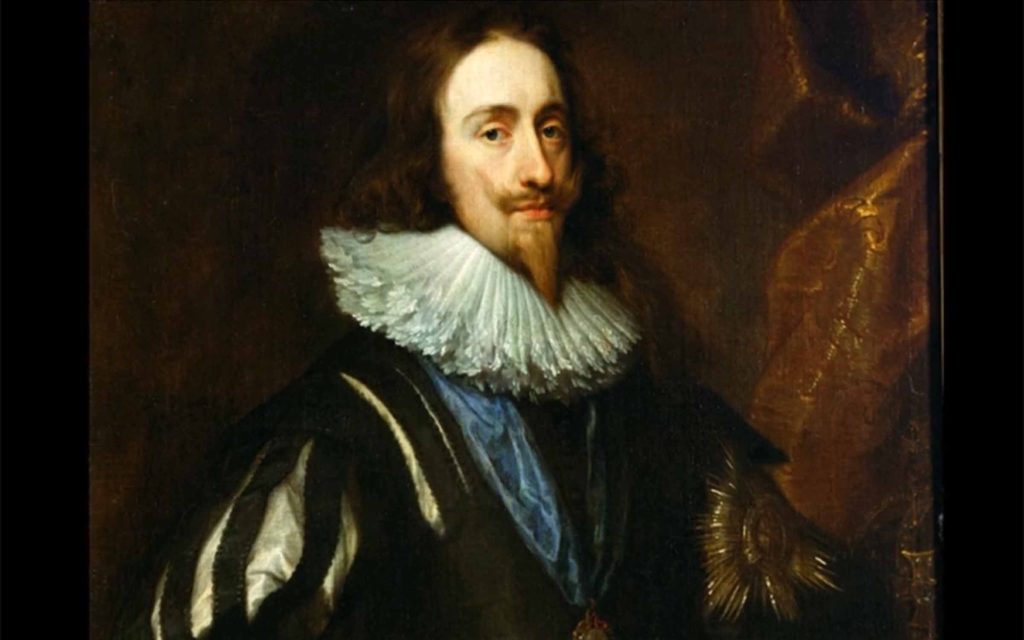
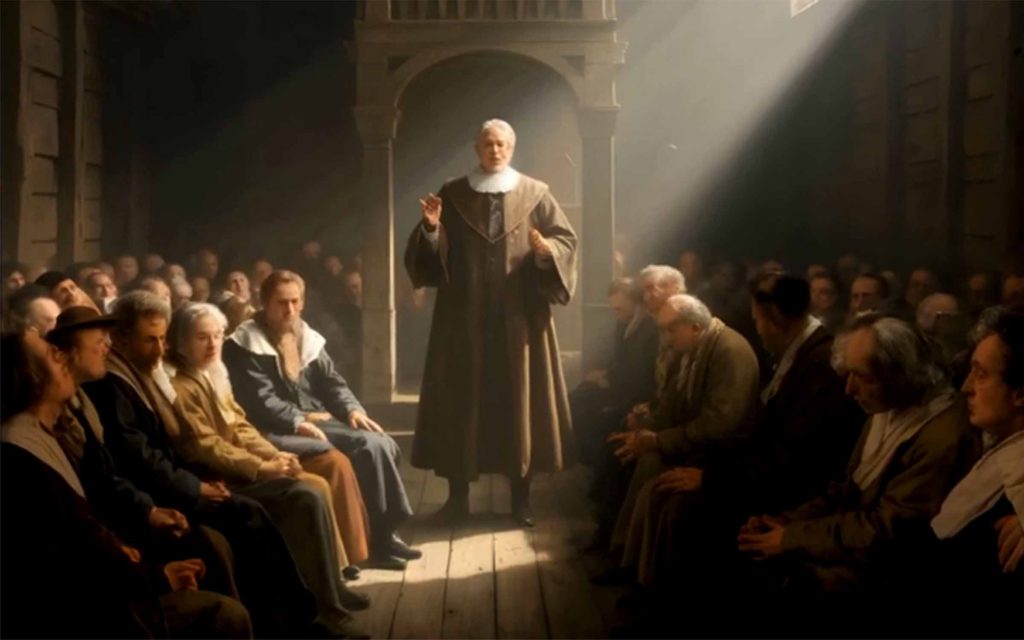
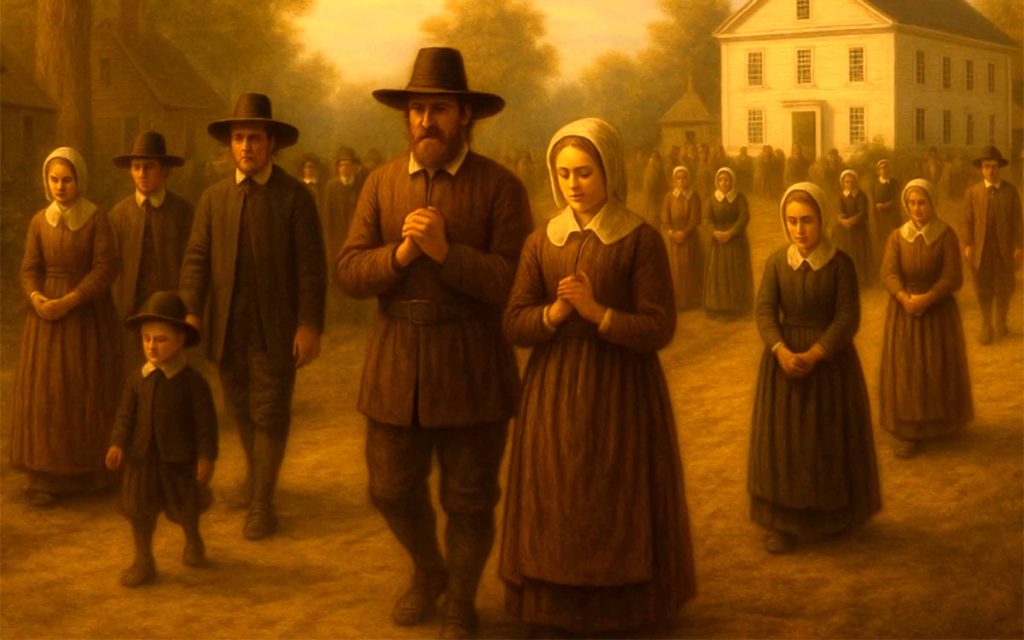
Disillusioned with the increasingly autocratic rule of King Charles I (above, left) and his policies promoting high church Anglicanism, thousands of Puritans sought refuge in the new world. Their journey was not merely an escape, but an intentional effort to establish a society rooted in their vision of godly governance and communal discipline.
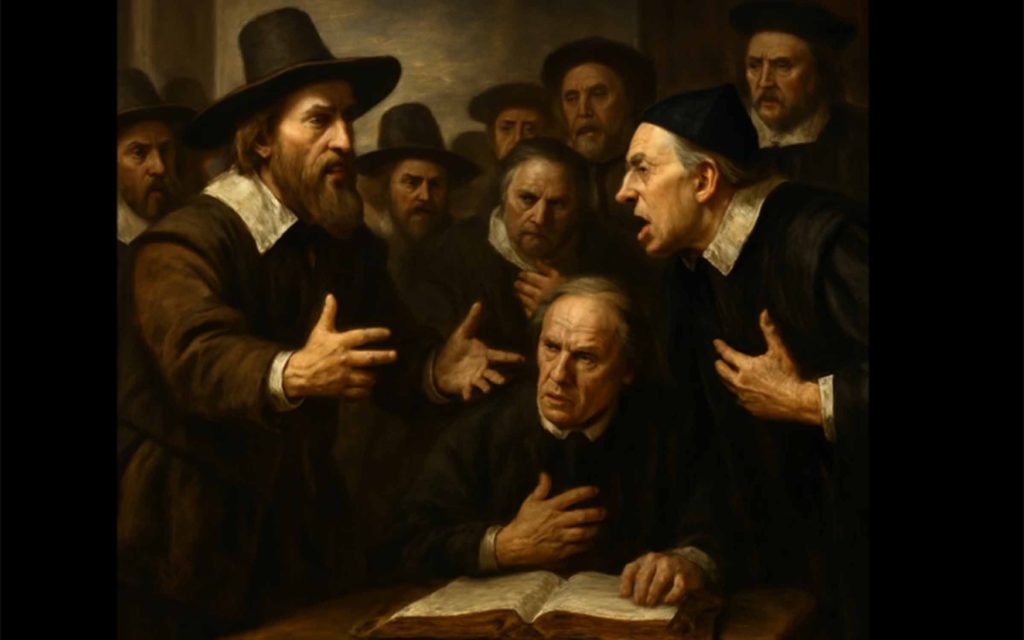
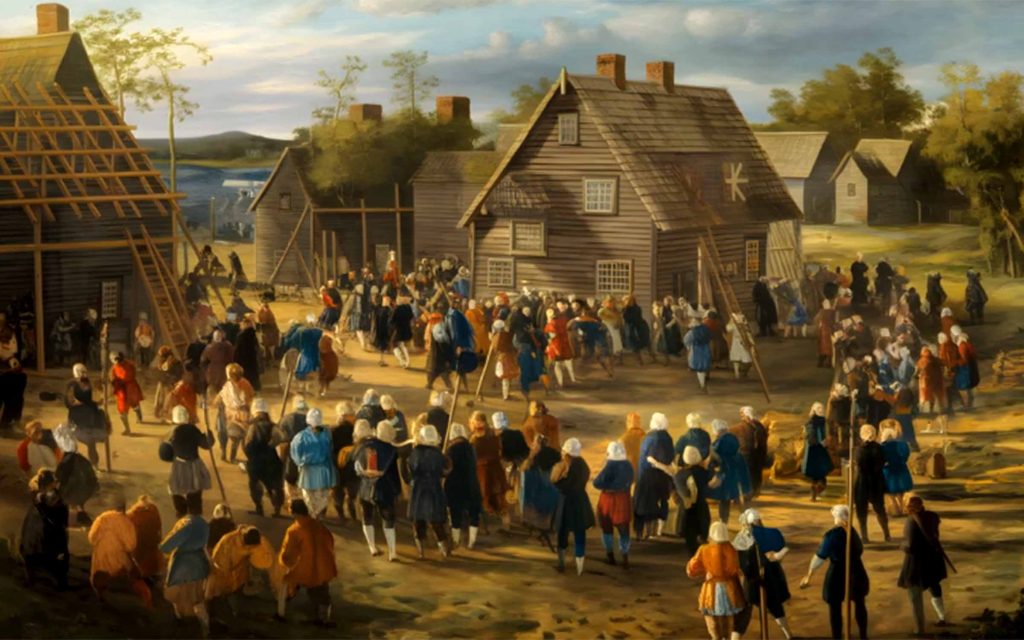
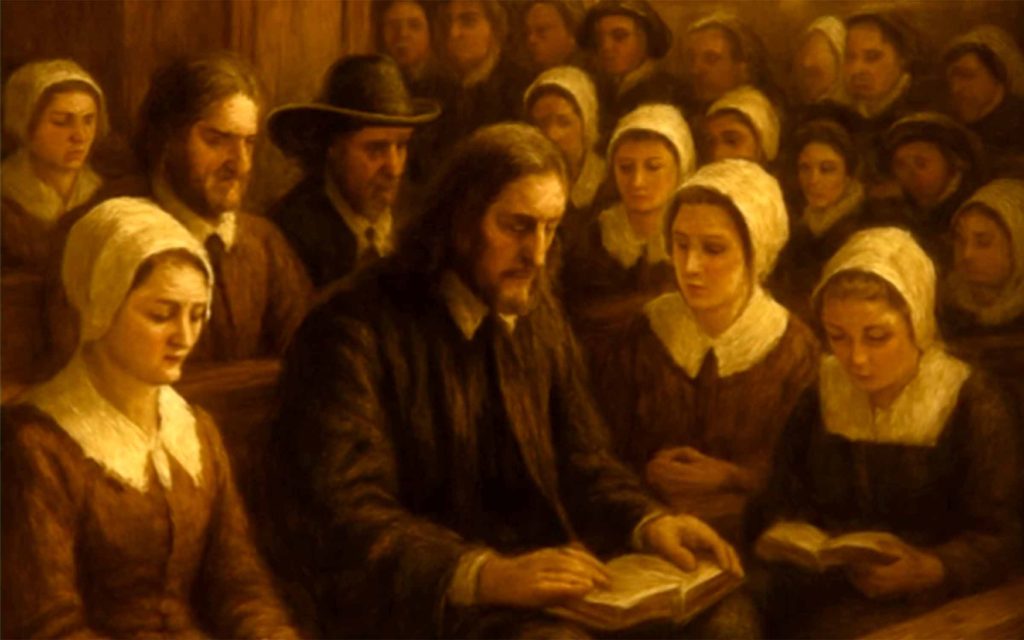
The early 17th century was a period of intense religious and political upheaval in England. Puritans who sought a simplified more personal relationship with God free from what they viewed as the unnecessary pomp of traditional Anglicanism.
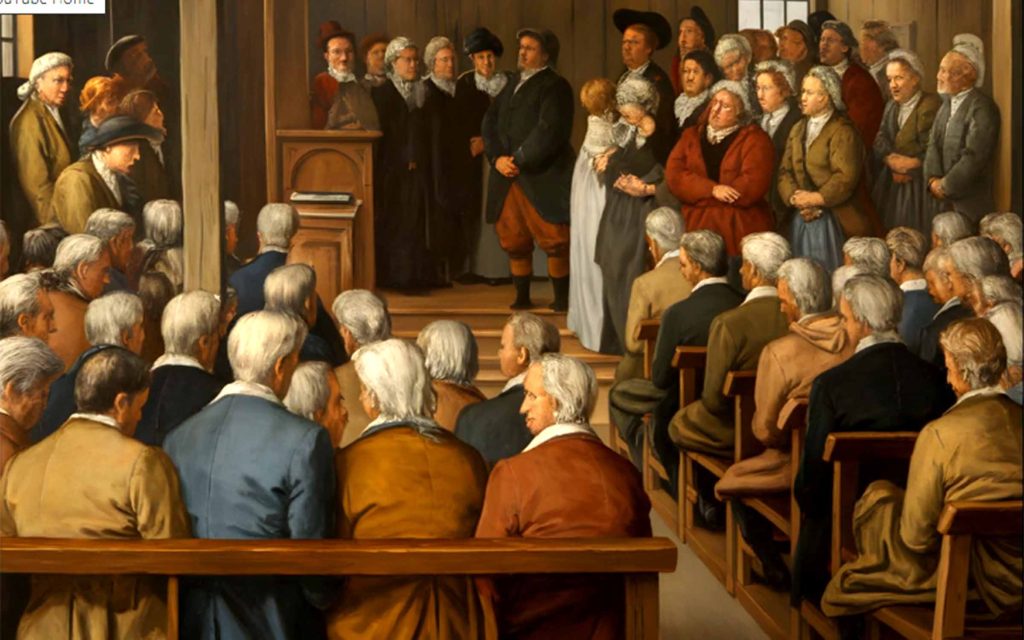
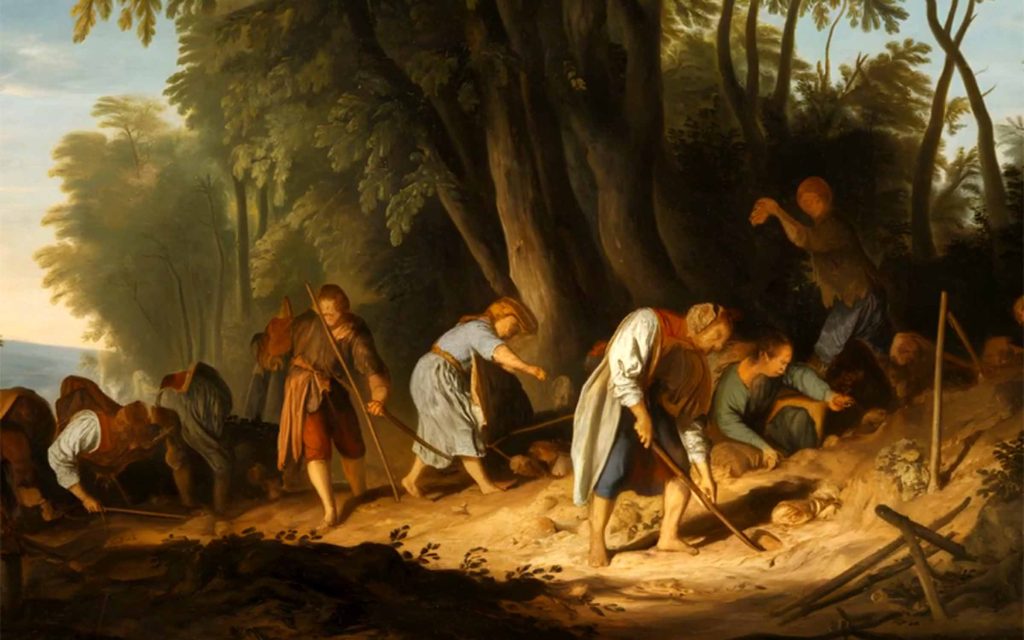
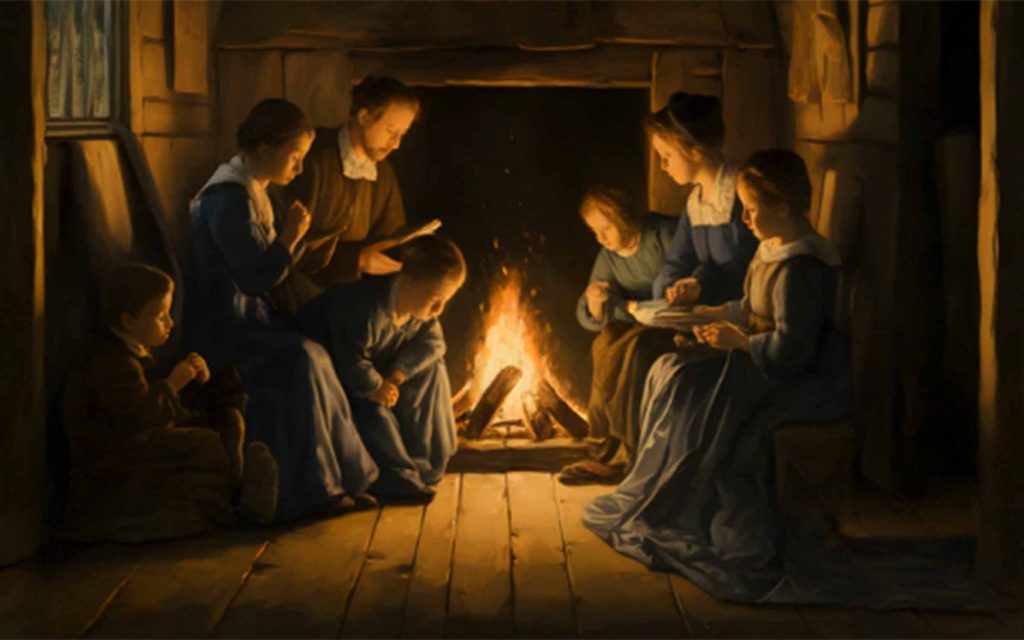
The Puritan migration began in earnest during the 1630s with over 20,000 settlers relocating to New England over the course of the decade. Unlike previous English migrations, such as those to Jamestown which were primarily composed of single men seeking economic opportunities, the Puritan Exodus was characterized by family units,