
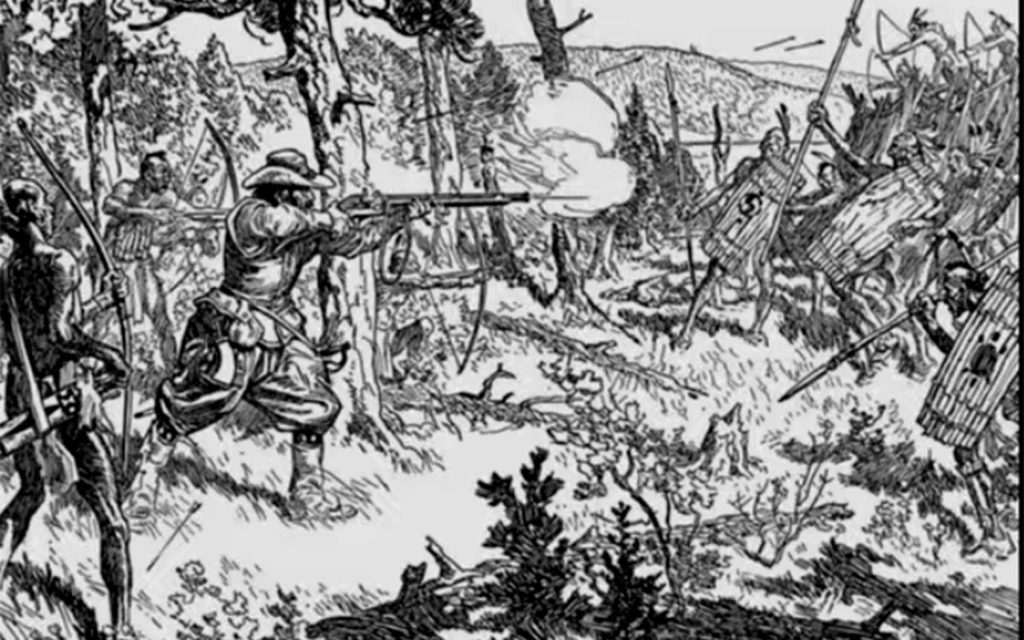
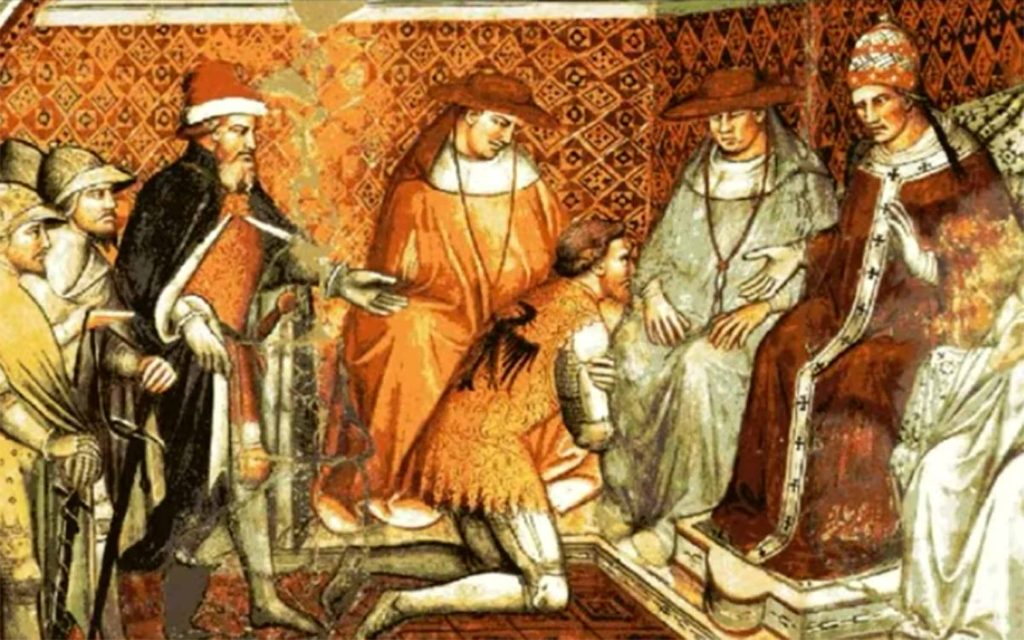
We shift our focus away from the Southeast and journey into the Great Lakes region, leaping forward a few decades into the era of the Beaver Wars — a brutal and transformative series of conflicts that forever altered the balance of power in North America. To understand why France took the positions it did, we go back to the very beginning — the voyages of Jacques Cartier, the politics of papal authority, and the fragile nature of early French claims in the New World. We also examine the evolving systems of slavery, shifting alliances, and the economic engine of the fur trade that enriched European empires while destabilizing Indigenous lifeways. This 61-minute YouTube episode posted on February 6, 2026 by Harry Session brings together the major players, pivotal wars, and far-reaching consequences that defined this era, revealing how European rivalries, economic ambition, and military alliances permanently transformed the Americas.
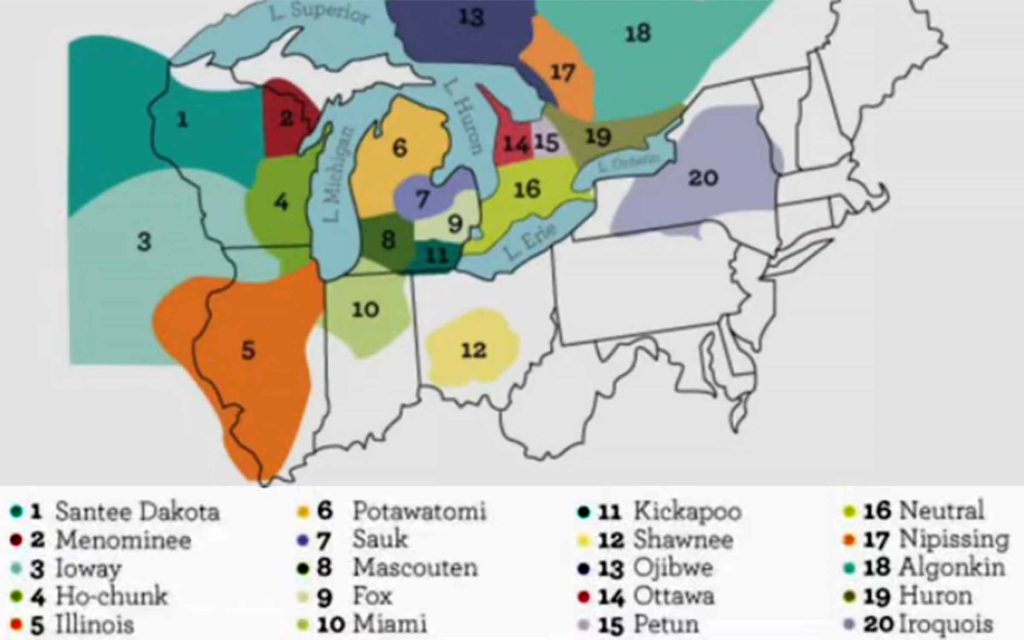
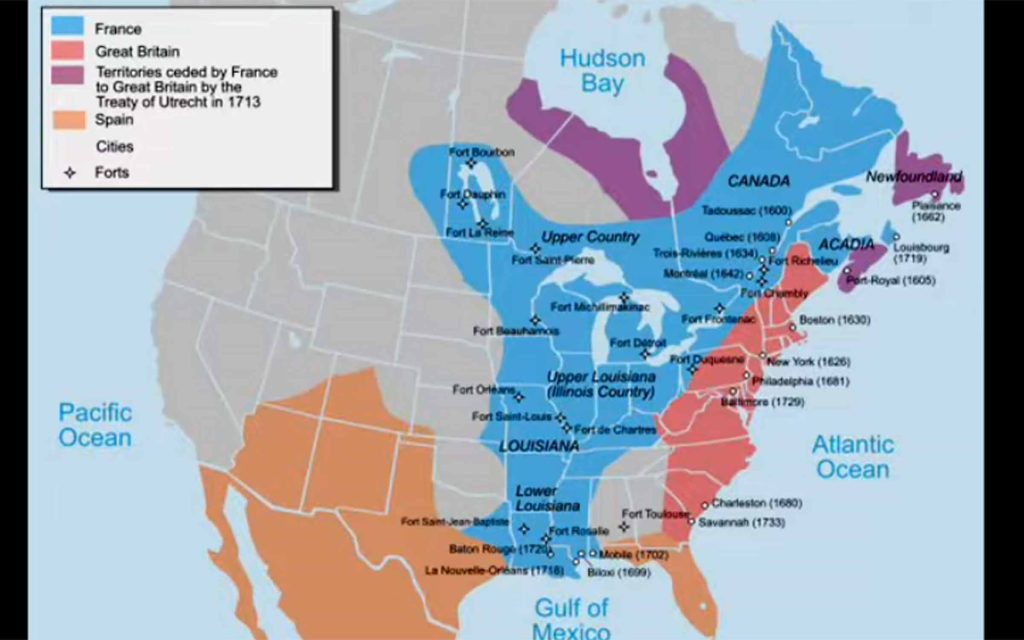
Here, the English and Dutch, alongside their powerful Indigenous allies — the Iroquois Confederacy — clashed with France and its vast network of tribal alliances, igniting wars driven by trade, territory, and survival. These struggles would ultimately expand French influence throughout the Great Lakes and open the door to their southern expansion into what became known as French Louisiana. While maps painted France as a dominant power, the reality on the ground was far different: Indigenous nations still controlled the land, trade routes, and the fate of European settlements.
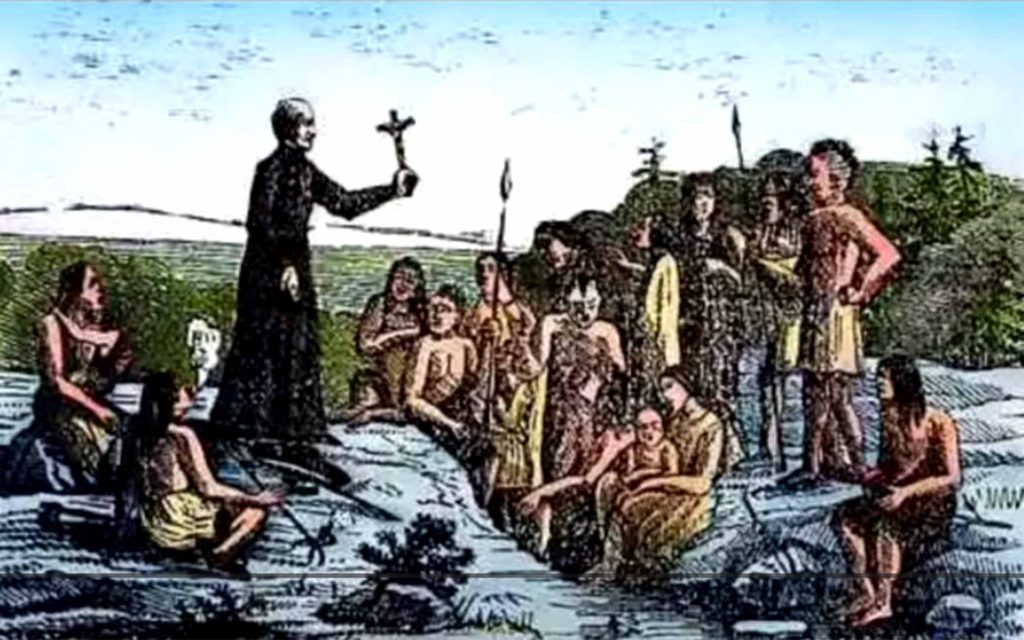
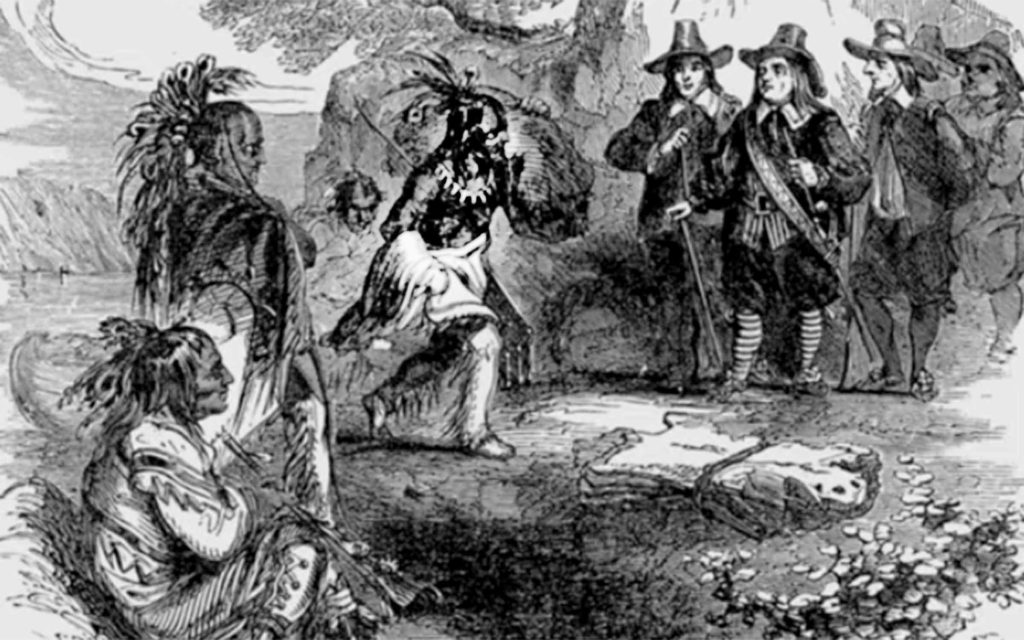
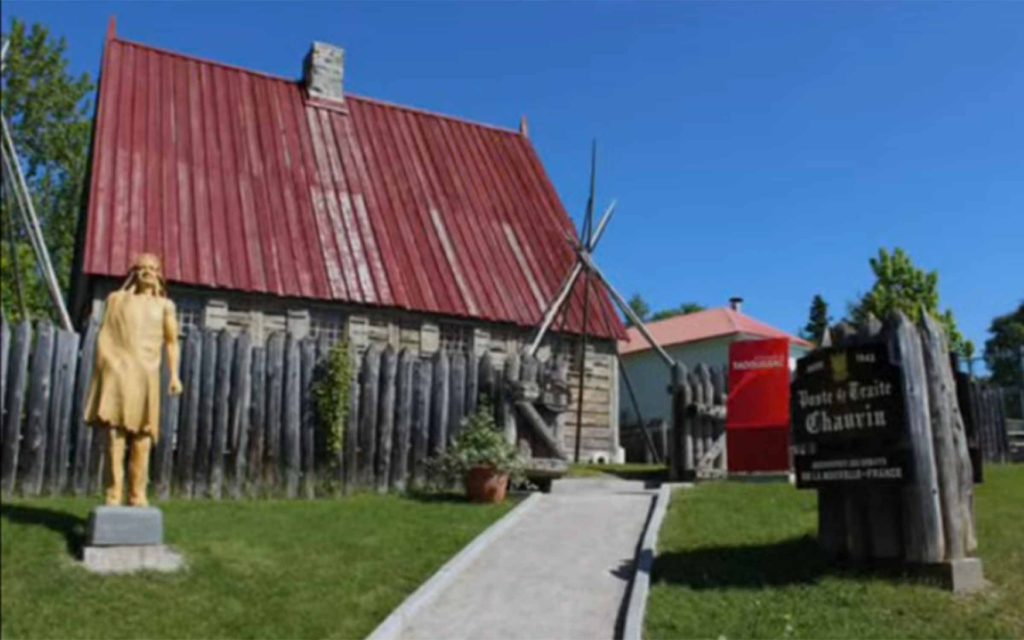
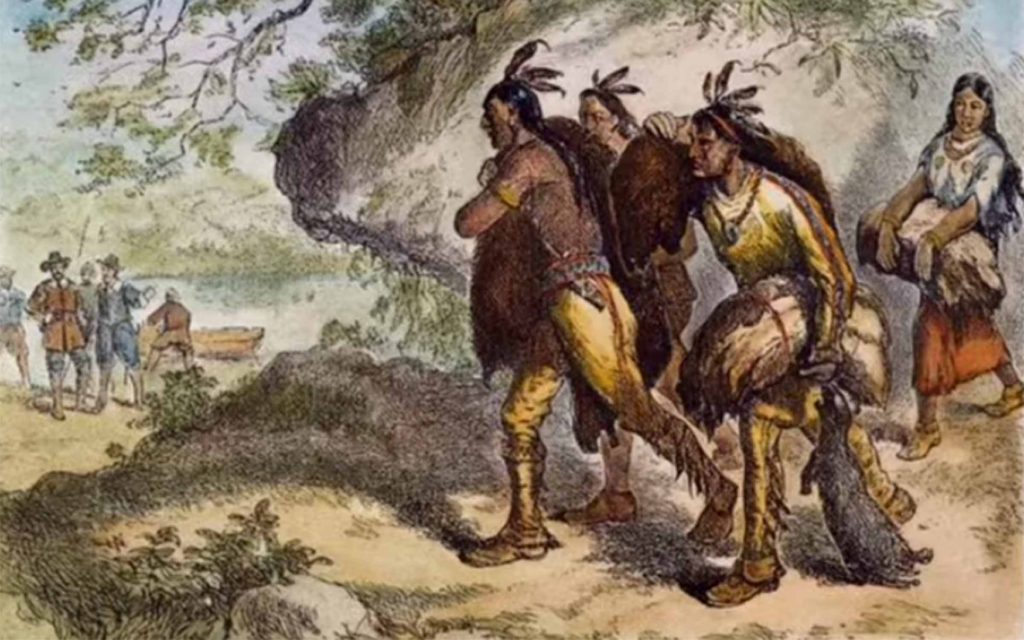
This episode explores the rise of the fur trade, the alliances with the Native Montagnais, Algonquin, and Etchemins, and the cultural exchanges that reshaped both European and Indigenous societies. We examine the emergence of the Haudenosaunee (Iroquois) as a military force empowered by firearms, the devastation of mourning wars, and the displacement — and in some cases disappearance — of entire nations across the Great Lakes.
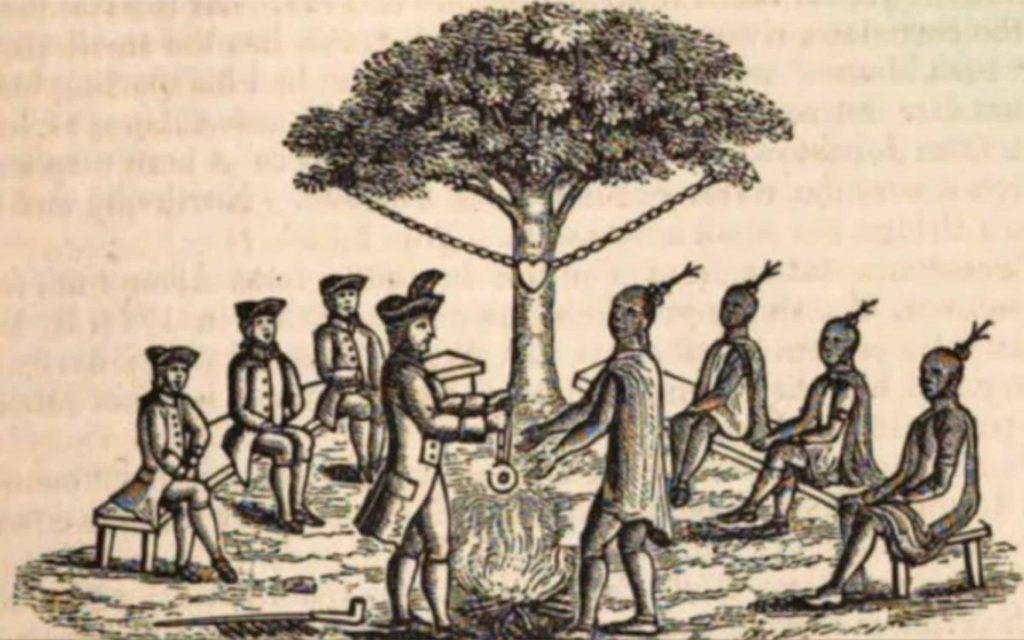
We connect these northern conflicts to the violent chain reactions unfolding along the East Coast, including the Anglo-Powhatan Wars, the Pequot War, King Philip’s War, the Tuscarora War, and the Yamasee War — conflicts that redrew borders, shattered confederacies, and resulted in massive land loss and forced migration for Indigenous peoples. Finally, we turn our attention to the Westo Tribe — a powerful and controversial force whose rise, slave-raiding campaigns, and eventual downfall played a major role in reshaping the Carolina region and the wider Southeast.