

In 1654, during a period of escalating conflict between England and France, English forces launched a successful campaign to seize the French colony of Acadia. Click here for a 4-minute episode of ChronoScape posted on January 6, 2026 that explores the events that led to the English conquest of Acadia, its short-term impacts, and the lasting significance of the region in early North American colonial history.
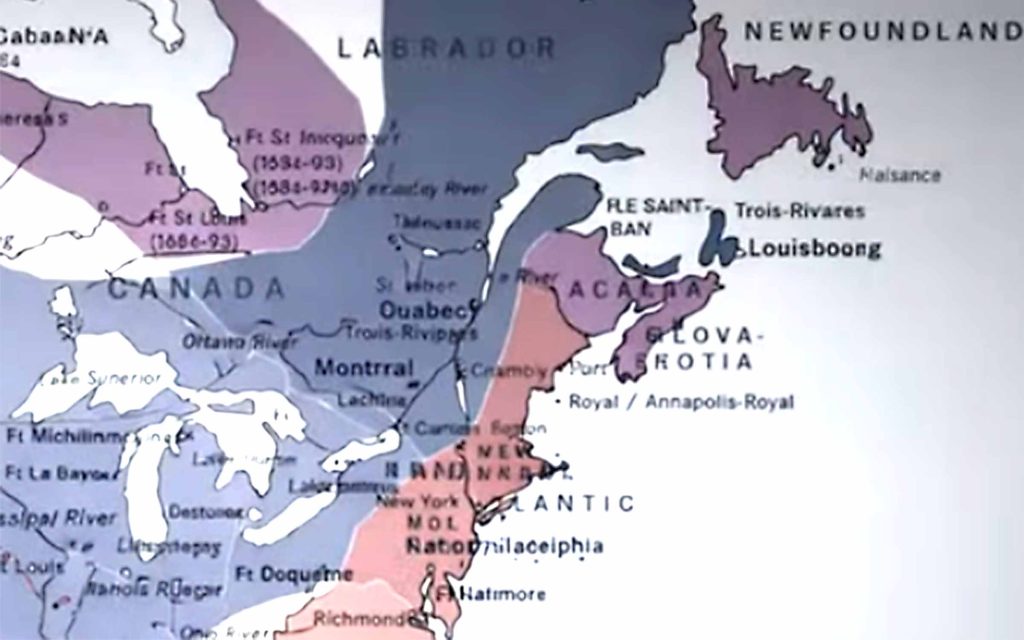

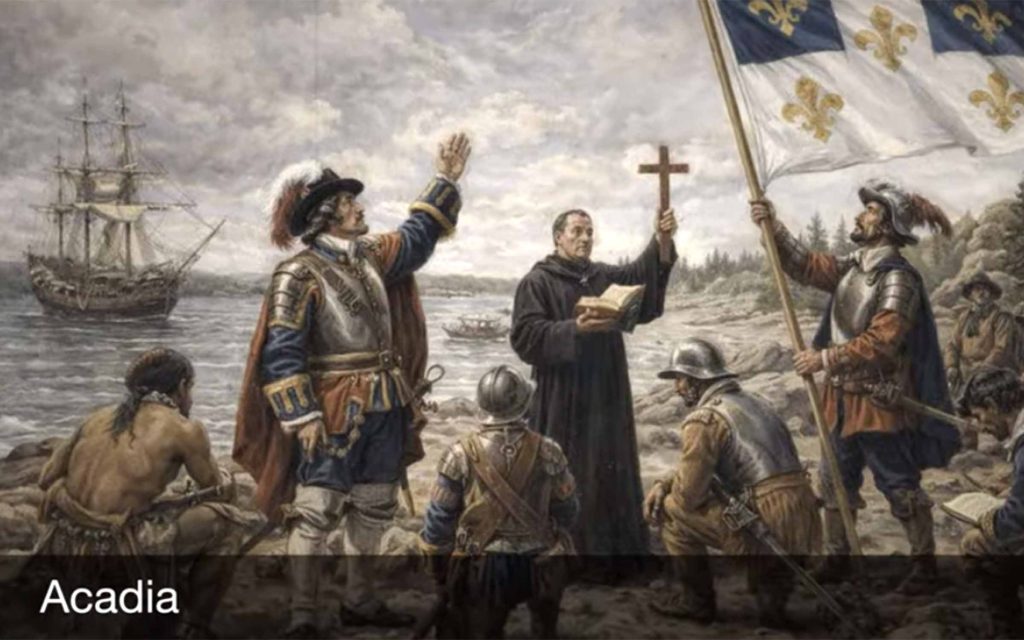
Located in present-day Nova Scotia and parts of New Brunswick, Acadia was a strategically important region in the ongoing struggle for control of North America. First established in 1605 as Port-Royal, it is the oldest permanent settlement in Canada.


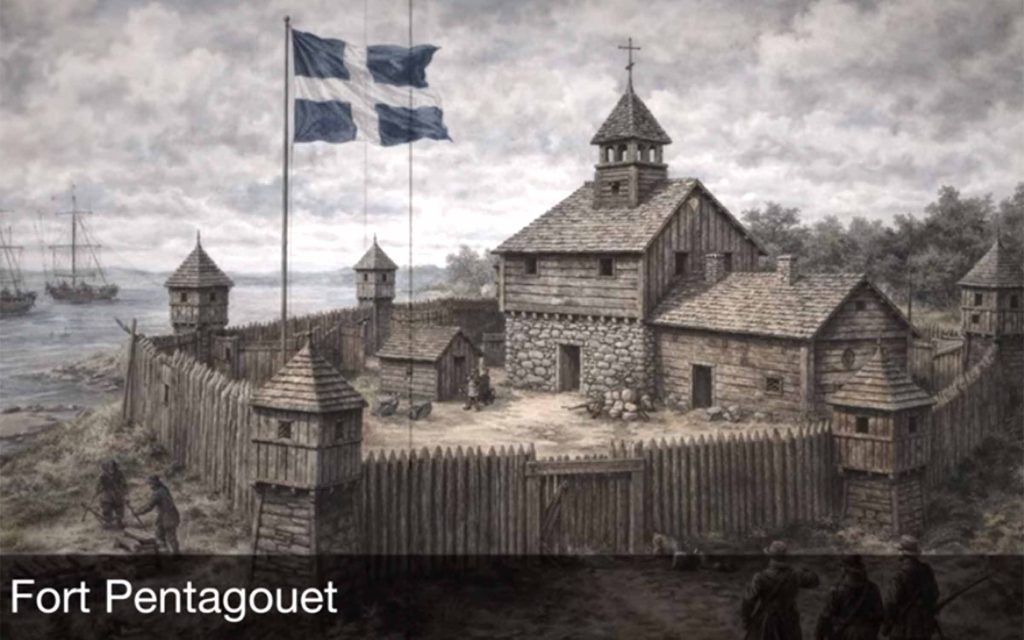
Led by Major Robert Sedgwick, the English captured key French settlements, including Fort Pentagouet, effectively ending French control in the area — at least temporarily. The English seizure of Acadia disrupted French colonial expansion in the region and shifted the balance of power between the two empires.

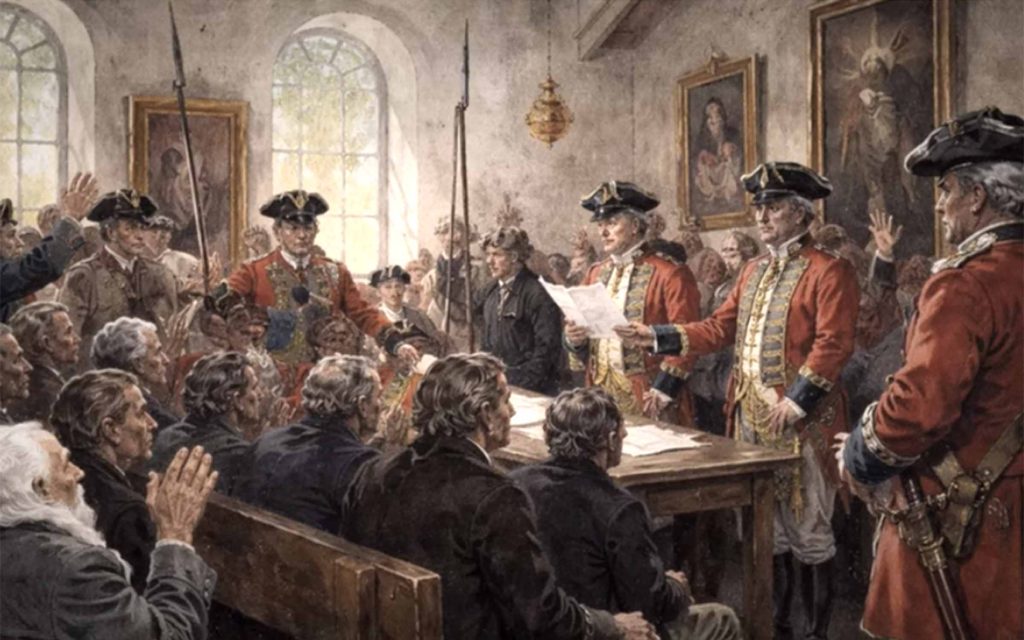

However, this victory was short-lived, as Acadia would later be returned to France under the Treaty of Breda in 1667.