

In 1684, a single Boston history document changed land ownership forever. In the late 17th century, Boston city fathers sought a deed from Charles Josias Wampatuck to solidify their claims over the territory. This process was far more than a simple transaction; it was a complex series of negotiations that defined the expansion of early settlements in Colonial Massachusetts. The story of Wampatuck serves as a reminder of the complex forces that shaped the city. Click here for a 16-minute video posted on September 26, 2026 by New England Untold.
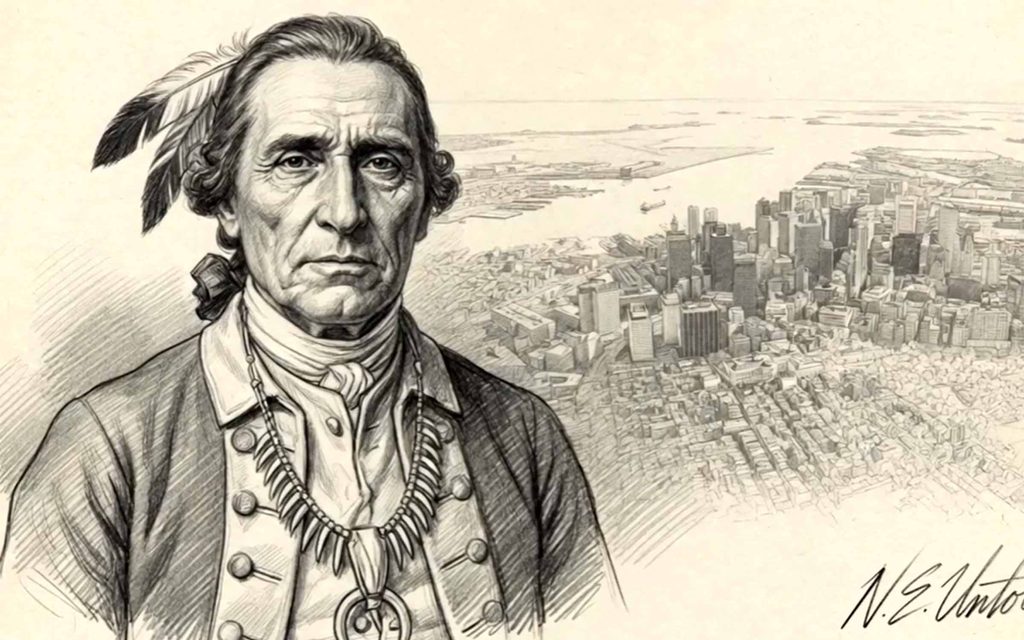
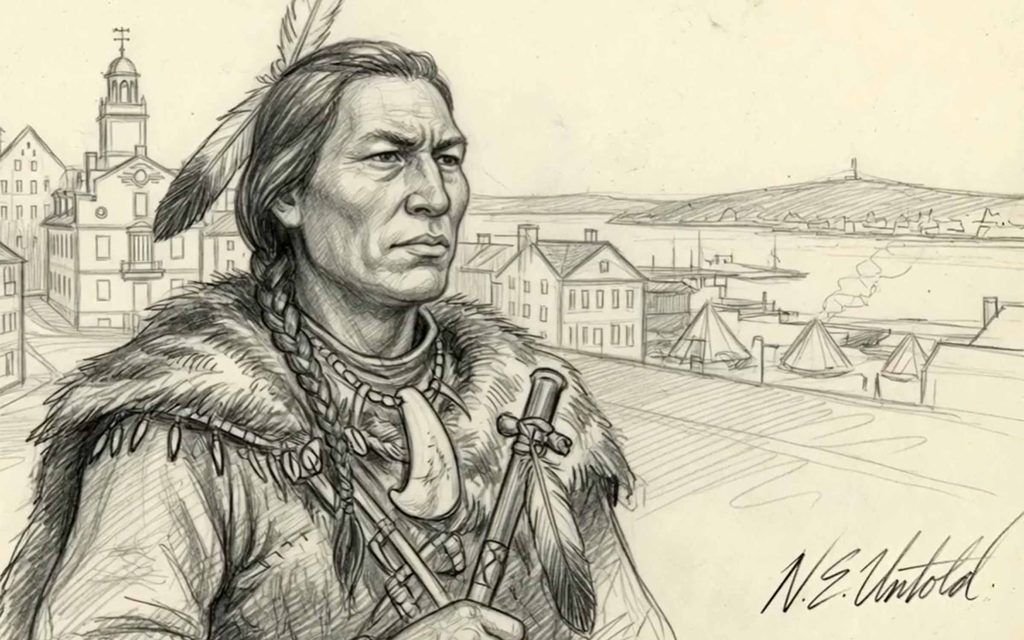
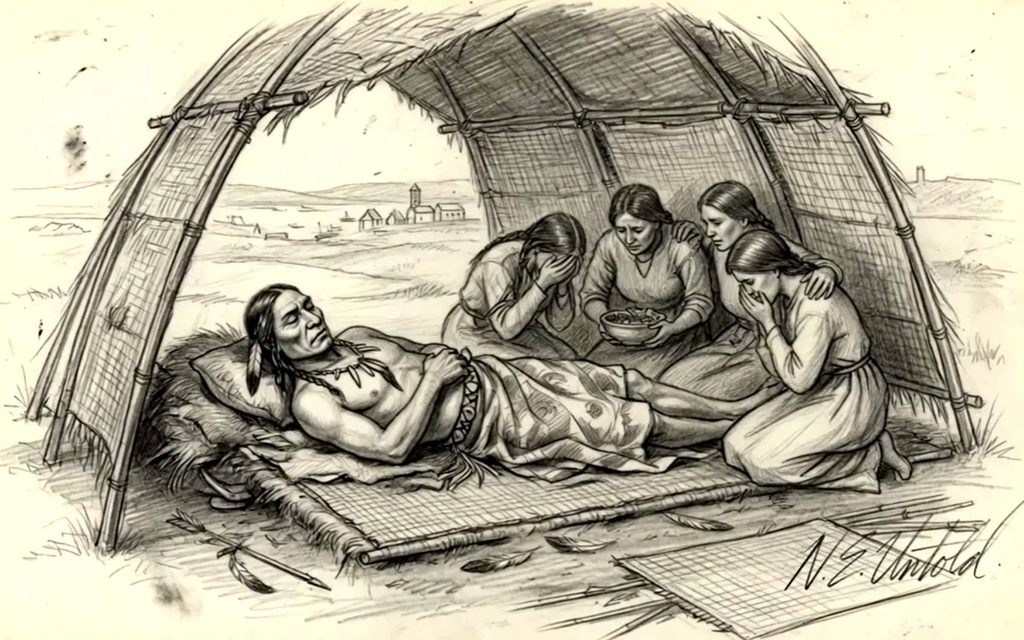
(Above, left) In 1684, English authorities sought a signature from Massachusetts Sachem Charles Josas Wampatuk a descendant of Chickatawbut who controlled the Shamut Peninsula. They needed him to say Boston could have the land. (Above, center) Chickatawbut was the leader of the Neponset band of the Massachusett Confederation, but the Massachusetts Bay Colony never sought a deed for the land when they came there in 1630. In 1633, Chickatawbut died of smallpox without ever signing a deed.
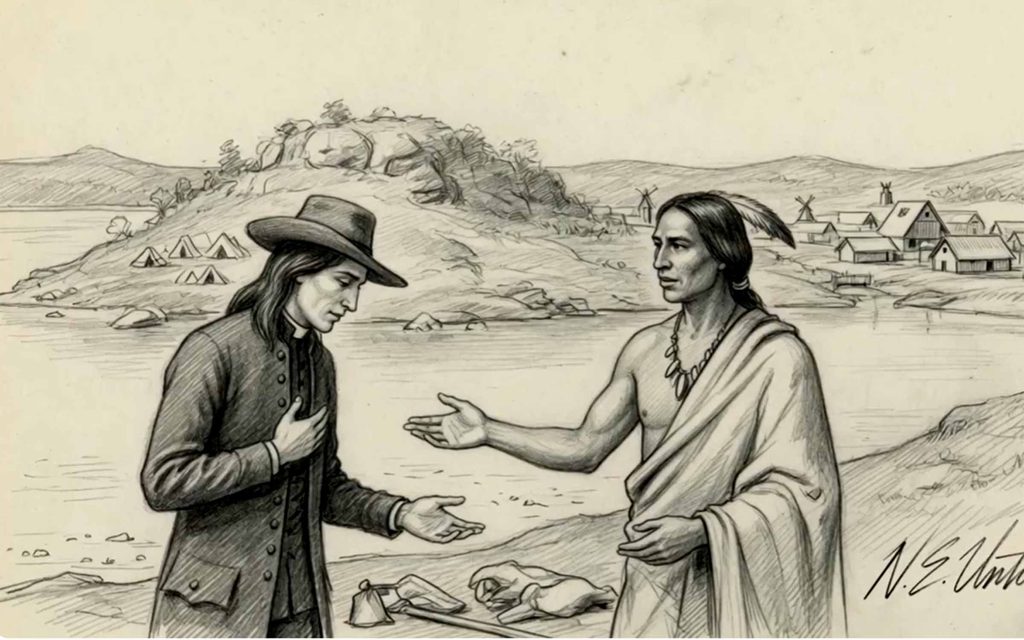
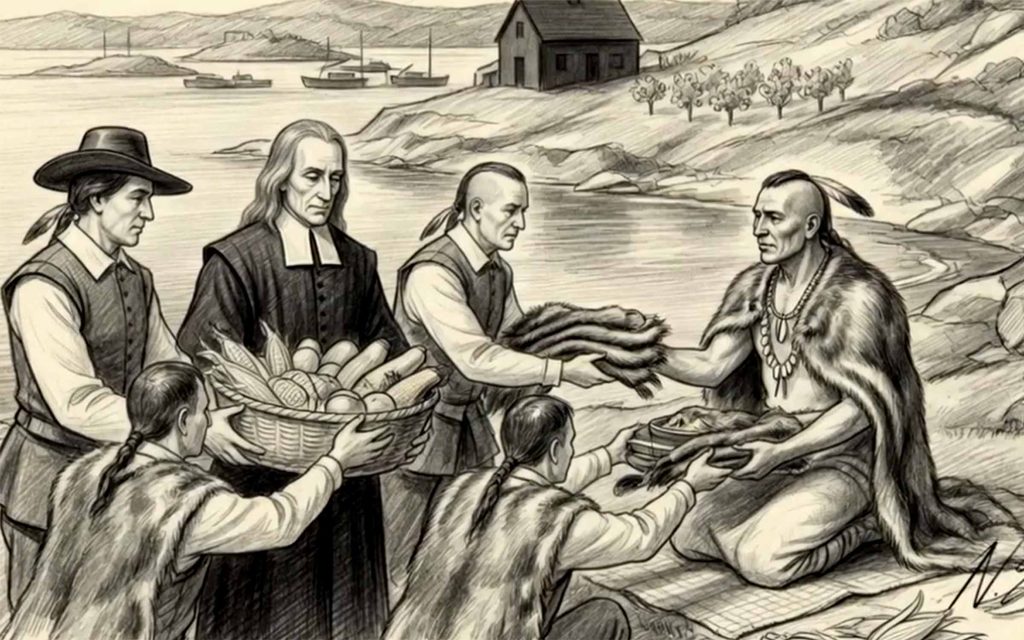
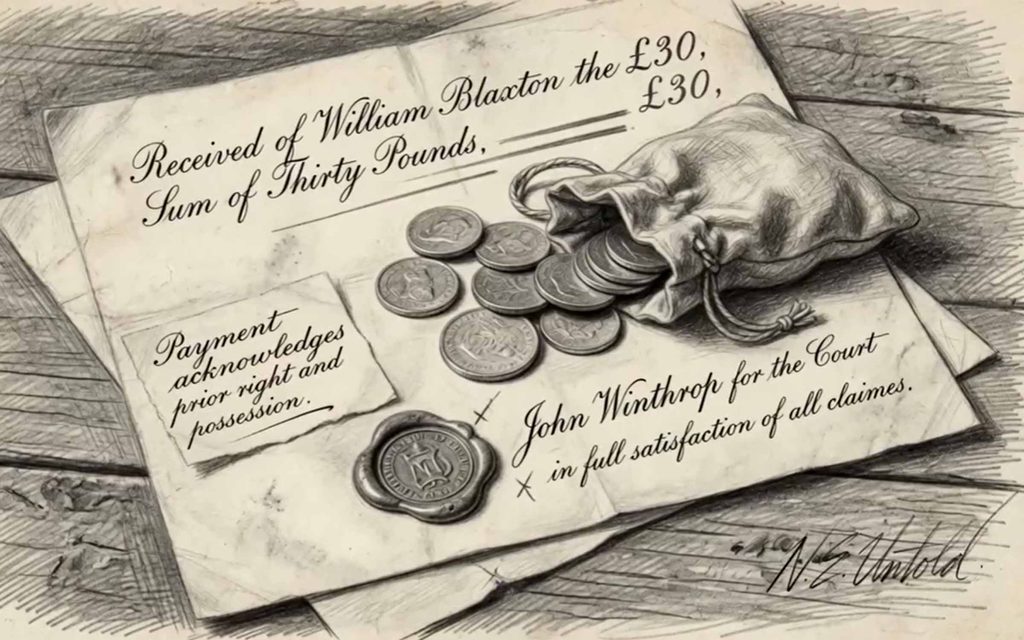
(Above) William Blaxton had settled there in 1625 and had paid Chikatawbut tribute so he could stay there. He then sold the land that became Boston to the Massachusetts Bay Company in 1630 for £30.
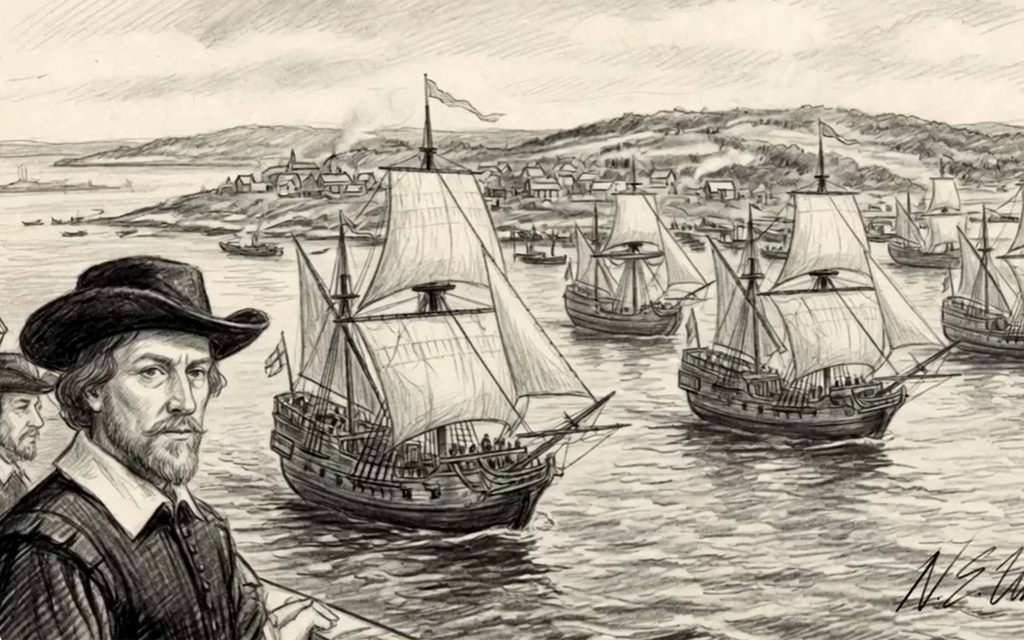
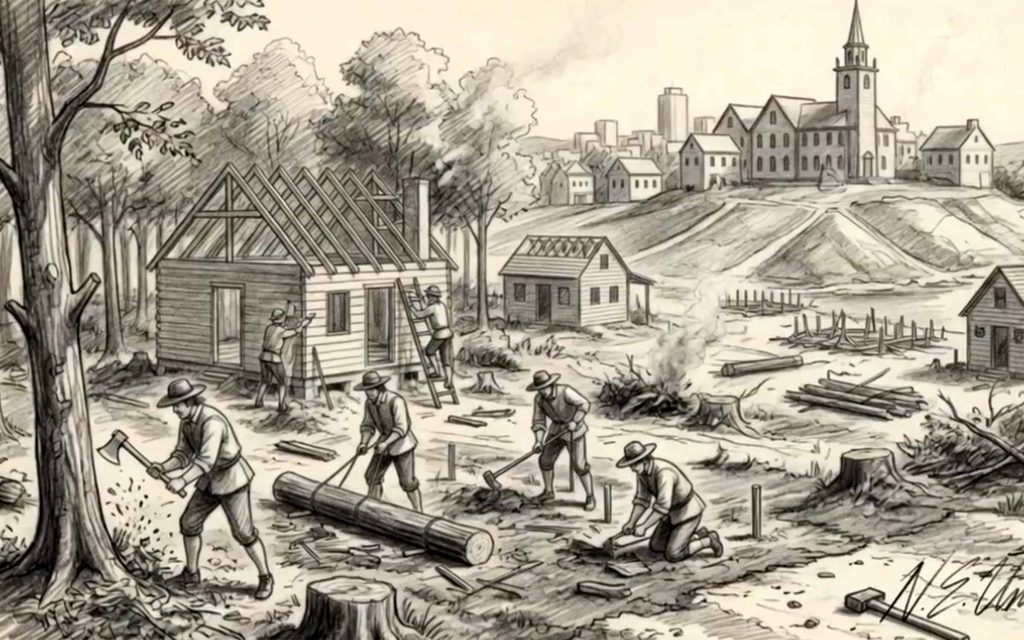
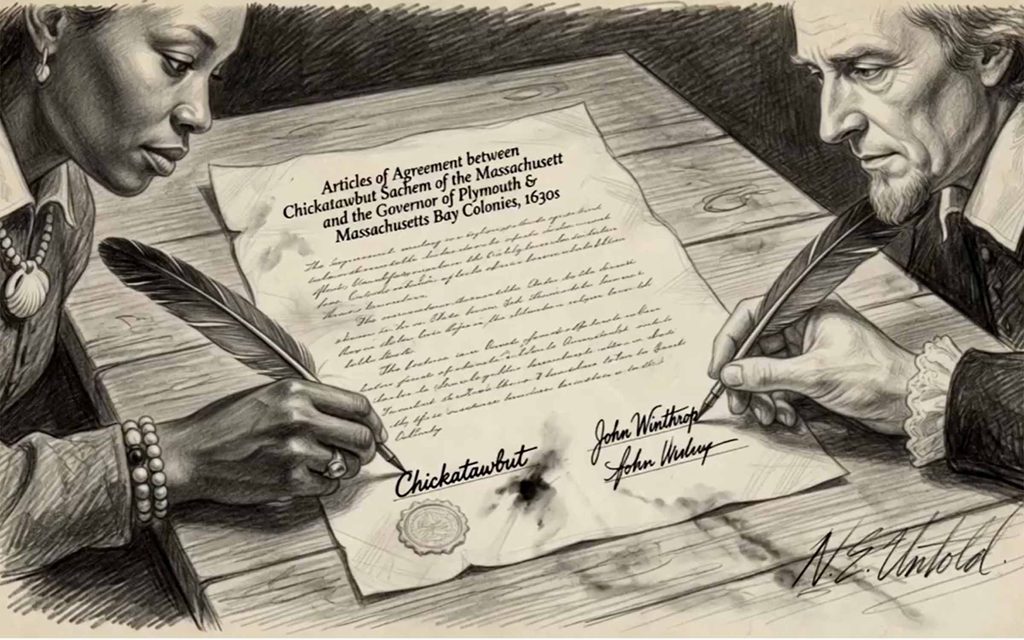
(Above) When John Winthrop arrived in 1630 with eleven ships full of English settlers, he did not purchase the land and began building an ever-expanding settlement. By examining the 1684 treaty and the specific pressures placed on local leaders, we can better understand how land rights were secured during this pivotal era.