
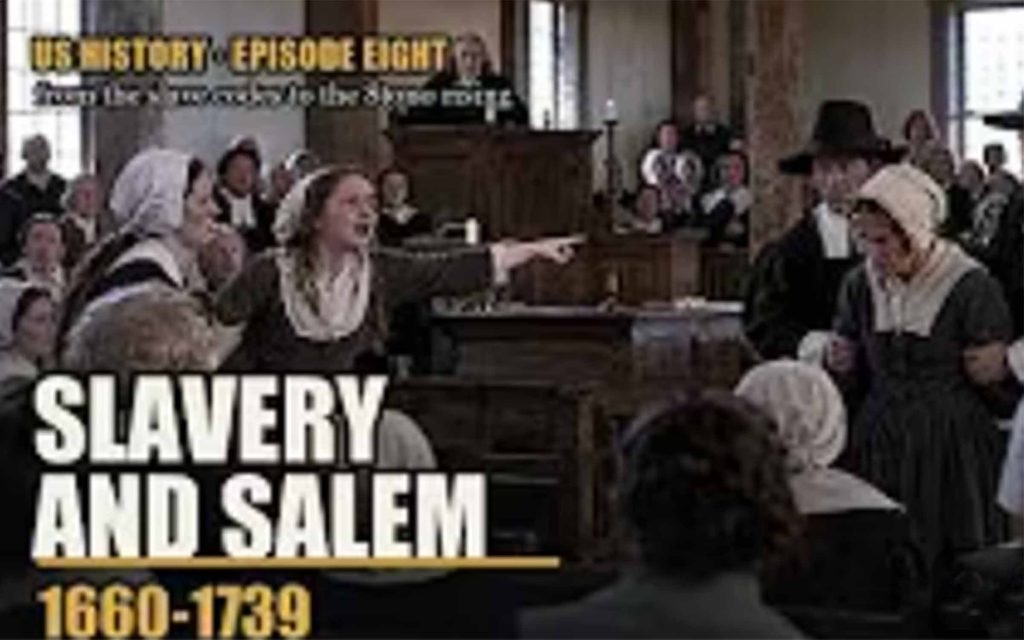
In 1667 a man named Fernando stood before a Virginia county court and said that no court could hold a Christian as a slave for life. The court ruled against him, and that same year the burgesses closed the door he had tried to open. On a Sunday in September 1739, about twenty enslaved people gathered by a bridge over the Stono River, broke into a store for guns and marched south toward Spanish Florida, where freedom had been promised. The colony answered with the Negro Act of 1740. Click here to view the two-hour-and 43-minute episode eight of US History, a fifty-part history of America from the peoples who lived here before Columbus to the present day posted on October 3, 2026 by Yitz History. The narration is synthesized, and the research, script and assembly were done with AI assistance.
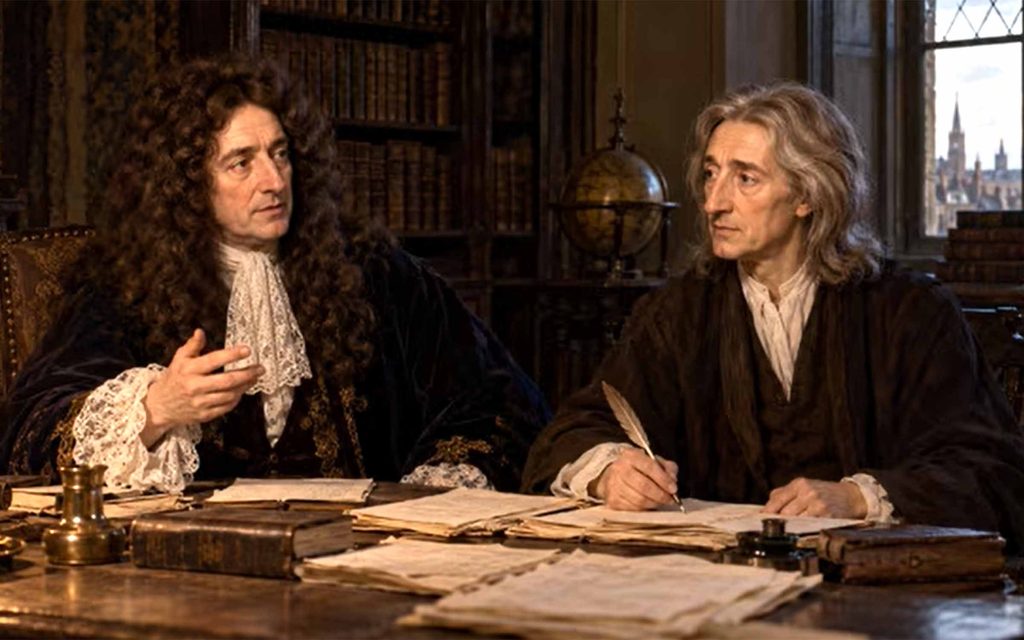
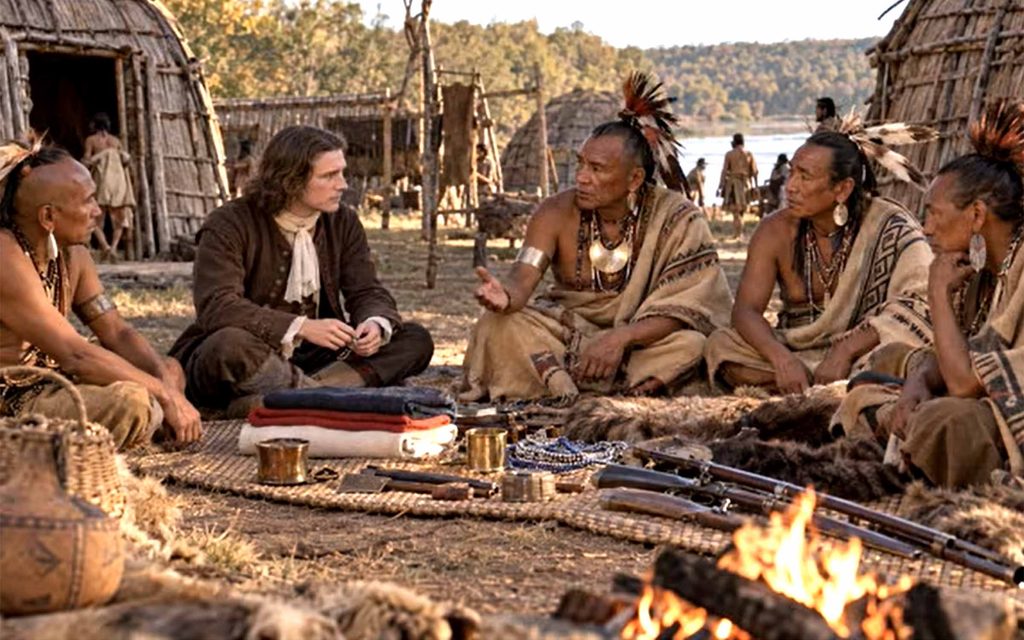
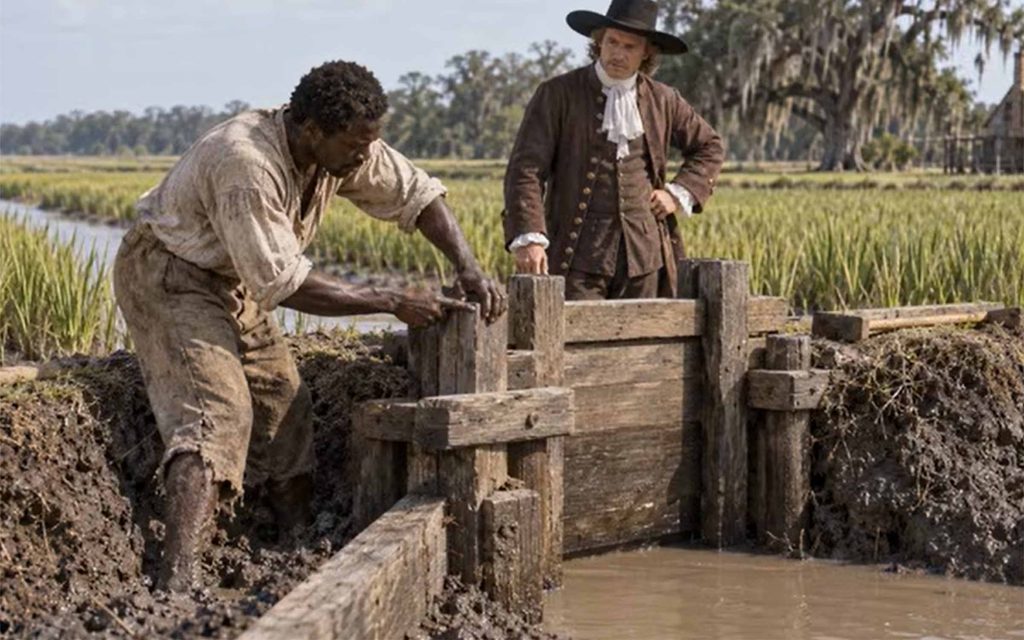
Anthony Ashley Cooper and philosopher John Locke (above, left) wrote the Fundamental Constitutions of Carolina in 1669, and, over a few decades Virginia’s assembly wrote the rules that made slavery hereditary and permanent. In it, a child took the condition of its mother, baptism freed no one, and a master who killed an enslaved man while punishing him committed no felony. Native Americans were also enslaved.
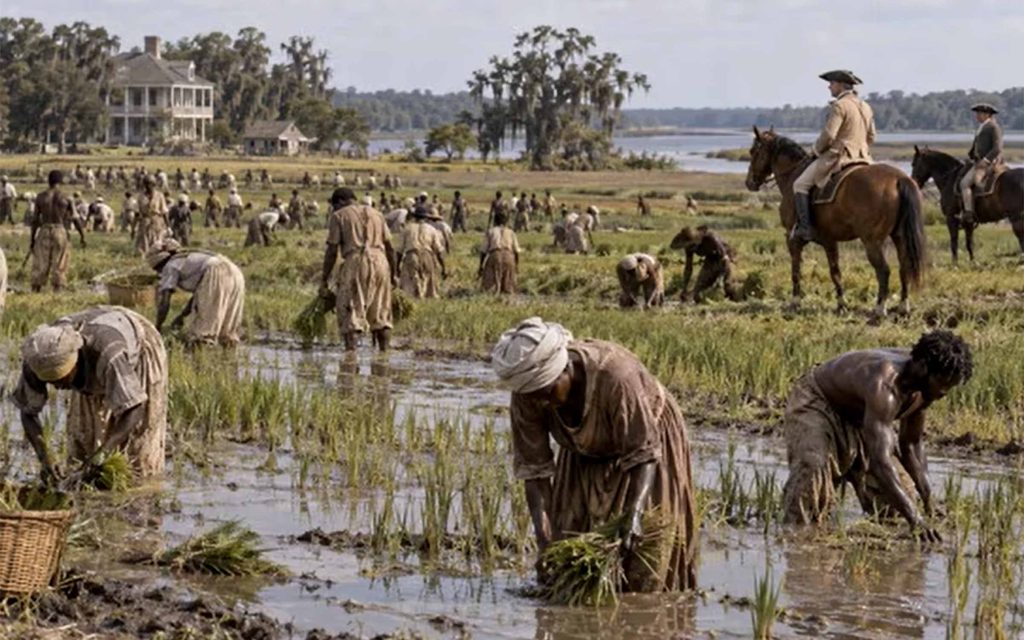

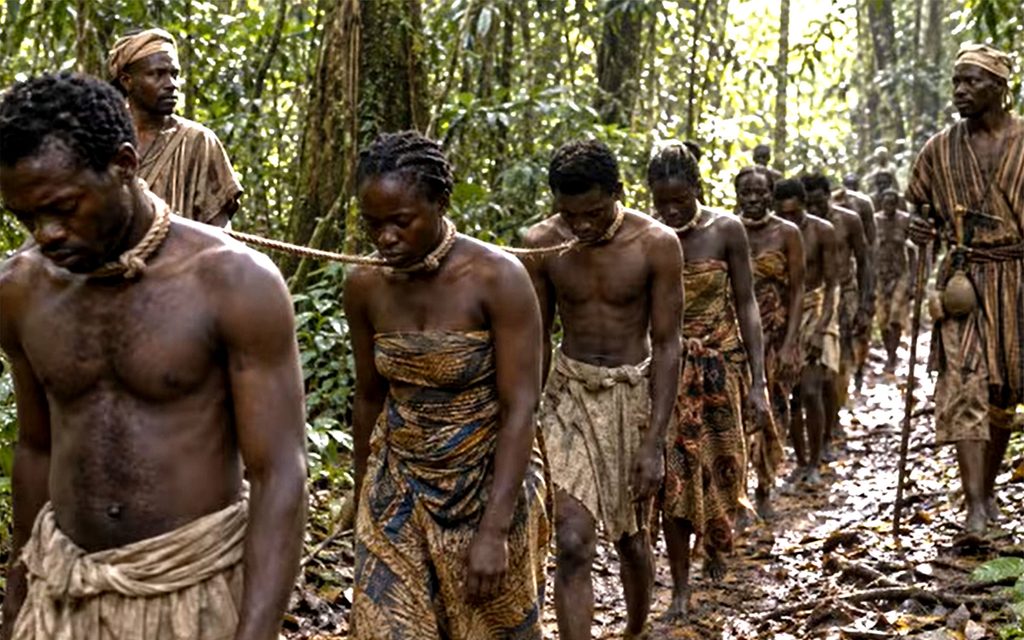
Ships of the Royal African Company and of private traders carried captives from the forts of West Africa to Barbados, Virginia and the new colony of Carolina, where rice made the planters (above) rich.
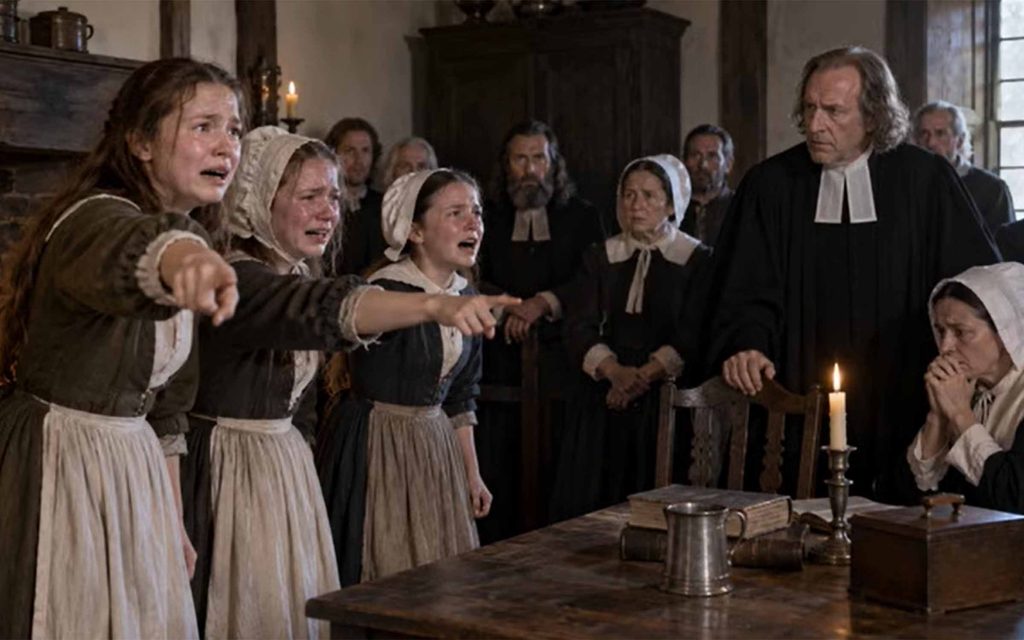
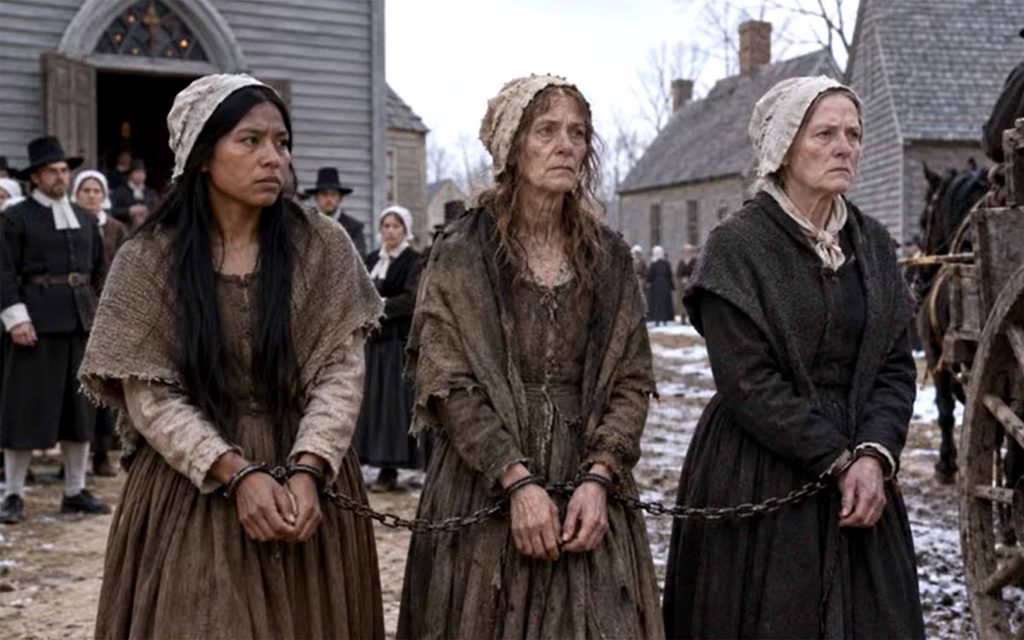
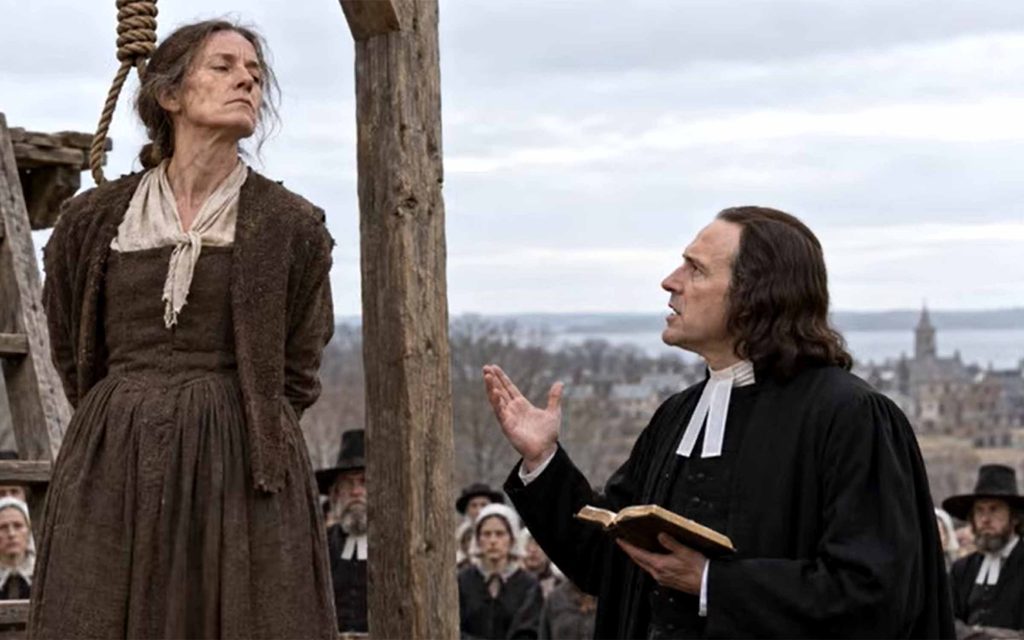
In 1692 two girls in the minister’s house at Salem Village fell into fits, and before the year was out nineteen people had been hanged and one man pressed to death. An enslaved Indigenous woman named Tituba (above, center, left) was one of the first to be accused of witchcraft during the Salem witch trials of 1692–1693, and accused two other women, Sarah Good and Sarah Osborne, of the same crime. She was imprisoned for over a year but never tried. What happened to her after a grand jury dismissed the case against her in May 1693 is unknown.