
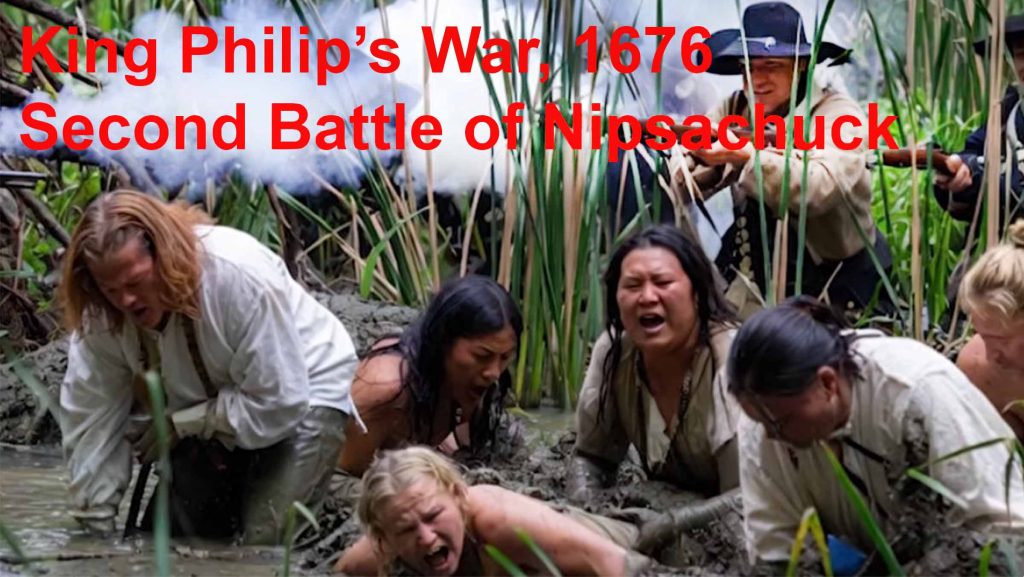
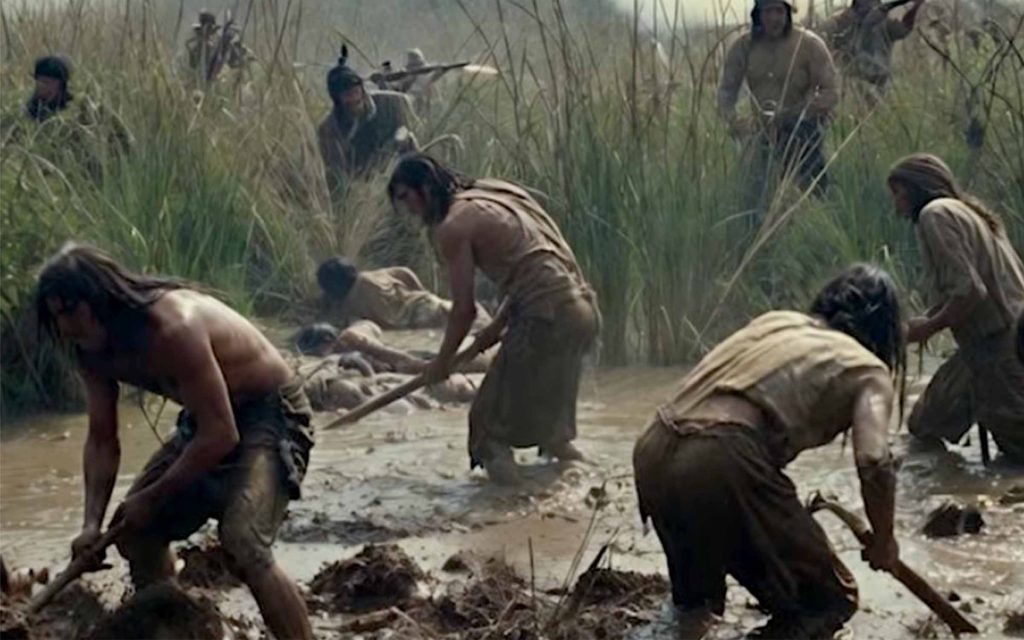
Join us as we venture deep into the forgotten swamps of North Smithfield, Rhode Island, to stand on the exact ground where the Second Battle of Nipsachuck unfolded on July 2, 1676. Brent Del and his buddy, Nick, (plus his curious pup) hike through the misty woods and muddy trails, to uncover the site of Queen Quaiapen’s tragic last stand—a brutal ambush that shattered the final Narragansett resistance in King Philip’s War. No markers, no crowds… just silence, history, and ghosts in the reeds. Click here for an 8-minute video of their visit to Nipsachuck in January, 2016 posted on Brent Del’s website.

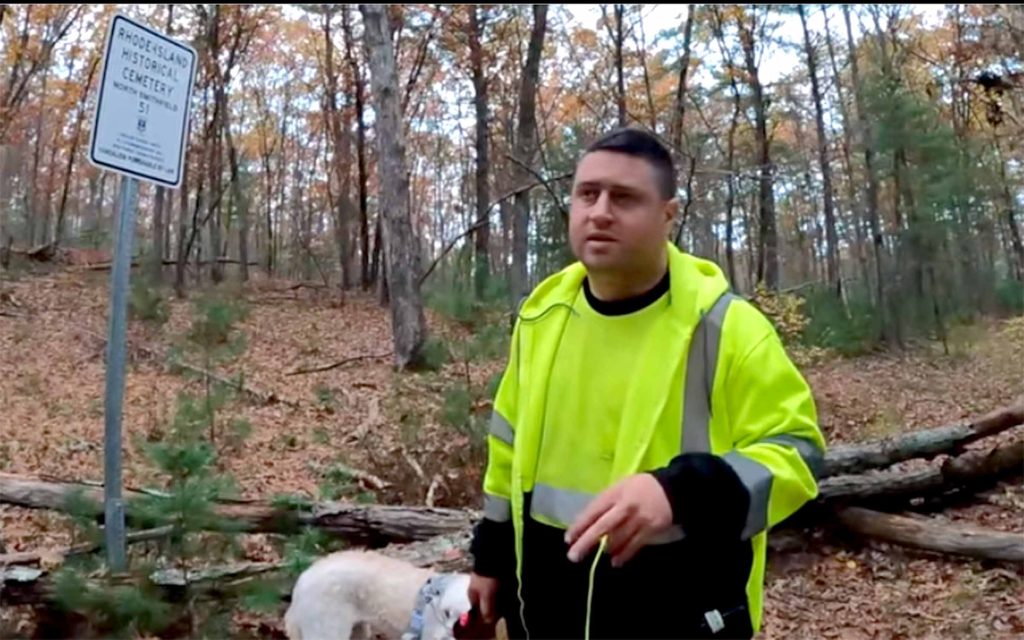
Brent and Nick (above, left and right) explore the woods around Mattity Swamp that once contained the site of the second battle of Nipsachuck in the woods of North Smithfield, RI, marked only by a Rhode Island Historical Cemetery (#51) where hundreds of Native and colonial men died in the final battle of the War.
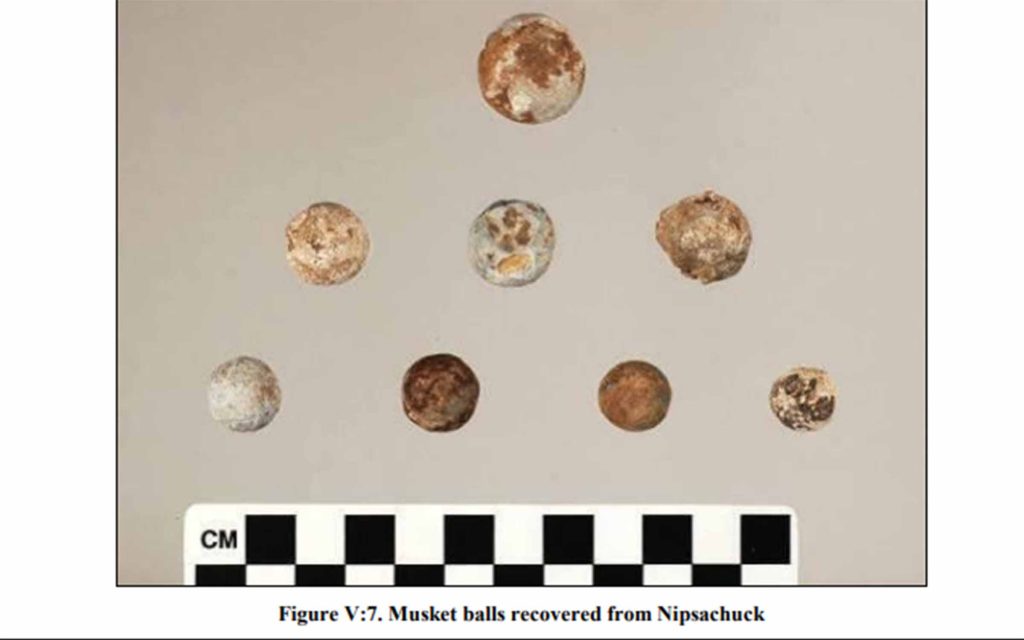
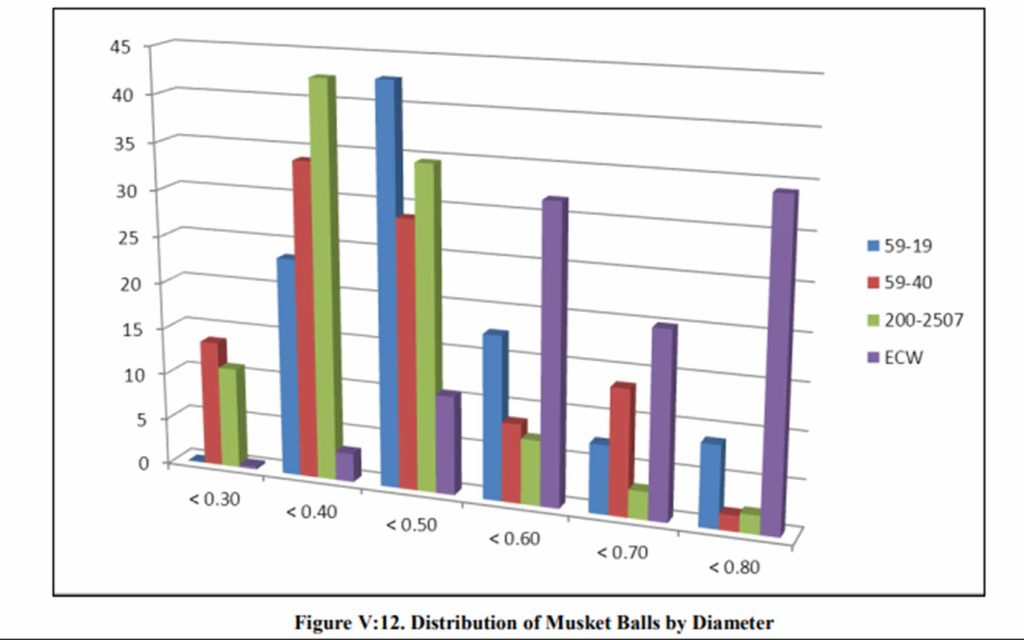
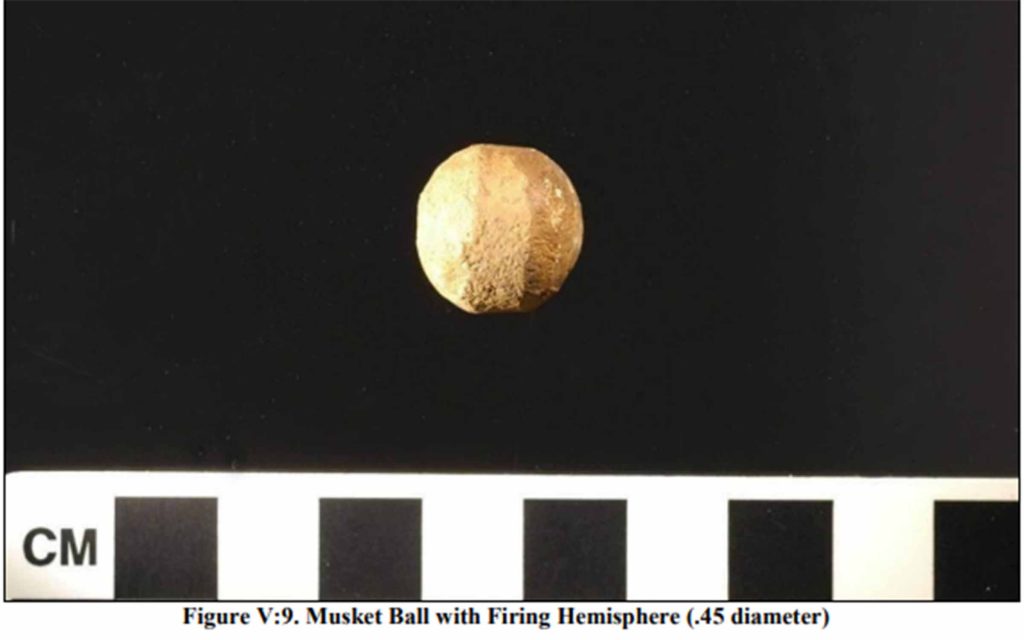
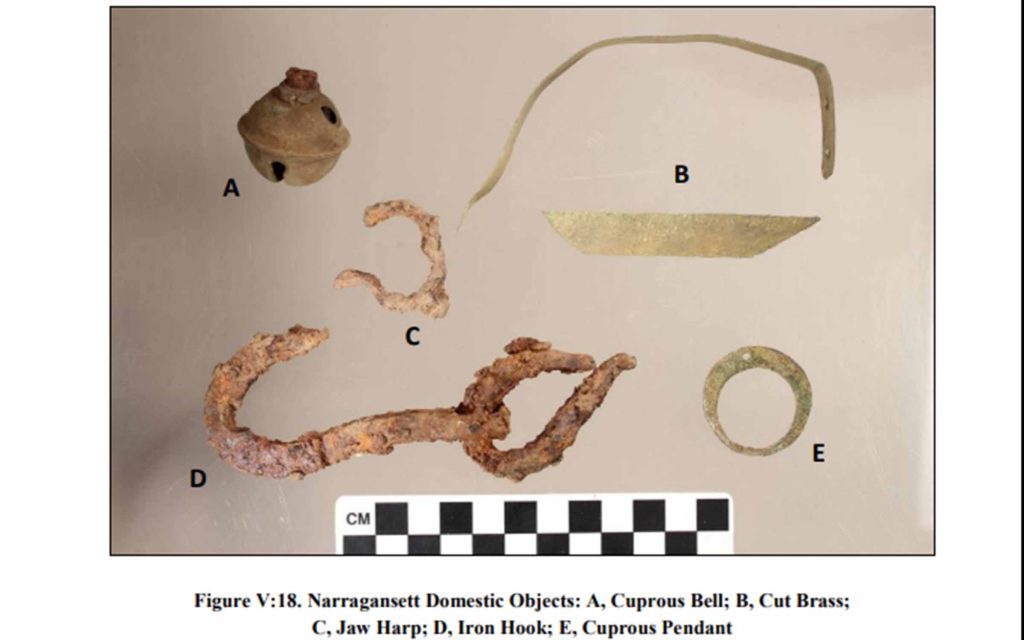
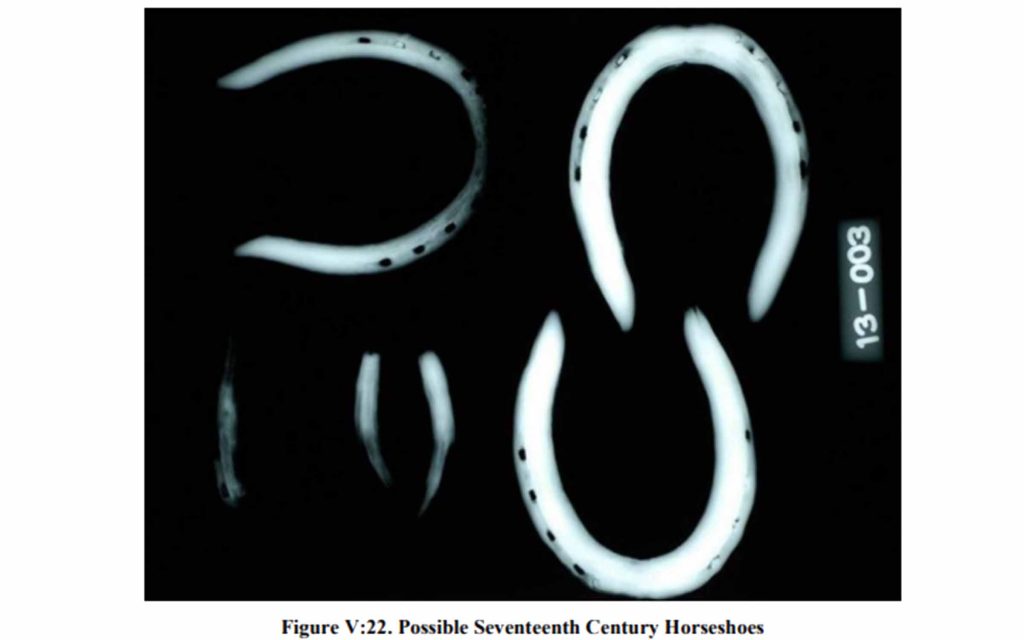
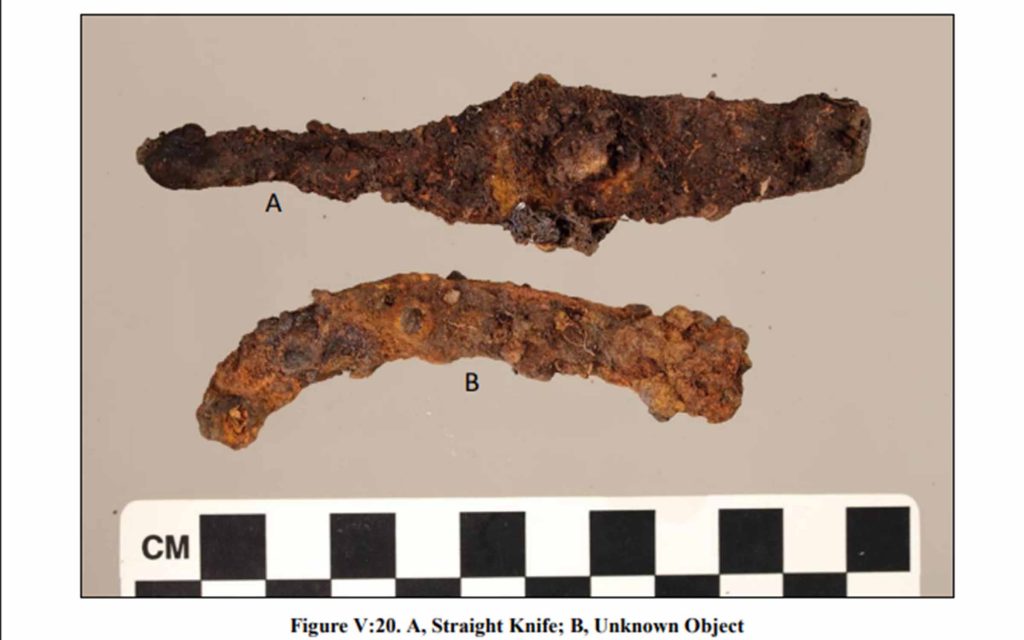
(Above and below) Items found in the battlefield by archaeologists led by Dr. Kevin McBride and reported in 2013 included musket balls (left and right) ranging in various sizes (center), as well as domestic objects (below, left), possible horseshoes, a knife and an unknown object (below, right).
From the report: “The Second Battle of Nipsachuck (Battle of Mattity Swamp) on July 2, 1676 was the culminating action of Connecticut’s six-month campaign against the Narragansett during the latter half of King Philip’s War (late December 1675 – early July 1676). The battle began one hour after dawn when a force of 300 Connecticut dragoons (mounted infantry) and 100 Mohegan and Pequot enveloped and attacked the village of the Narragansett Sunk Squaw Quaiapan killing and capturing over 170 men, women, and children in the three-hour battle. From the perspective of the Narragansett and their allies, the surprise attack was a devastating blow that claimed manylives, including that of the Sunk Squaw Quaiaipan, the last of the principal Narragansett sachems to be killed or captured by the English, and several of her lieutenants. The attack doomed a possible opportunity to negotiate peace, and Quaiapan’s death effectively ended Narragansett resistance.”