
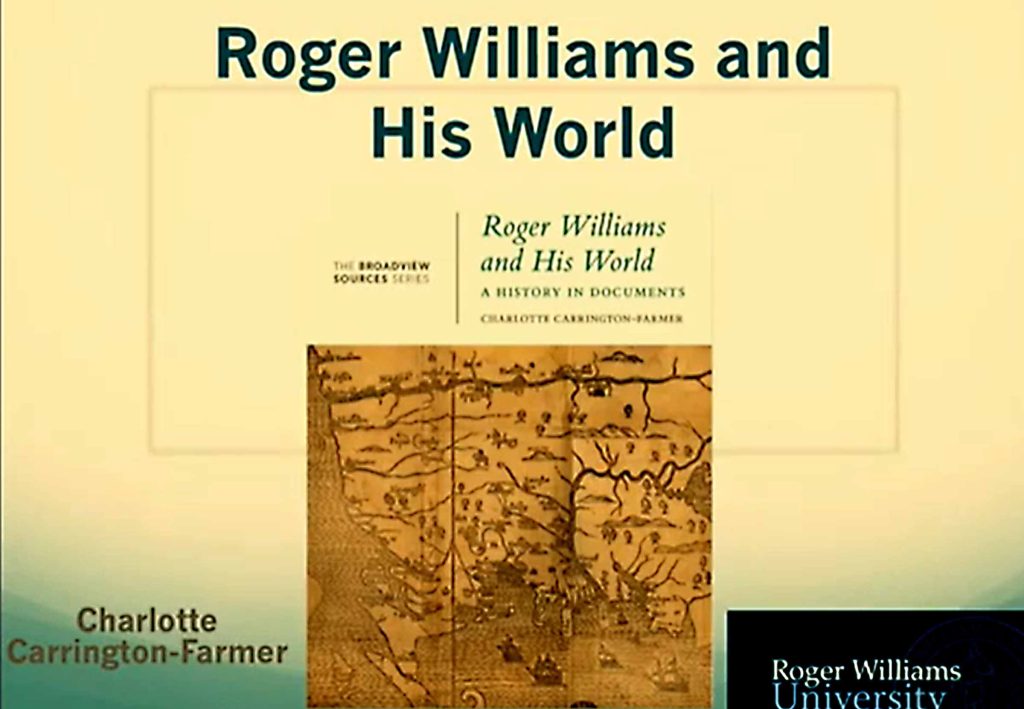
Roger Williams, a 17th-century English immigrant to New England, was famously banished from the Massachusetts Bay Colony in 1635 for his “new and dangerous opinions” on religious freedom, the separation of church and state, and Indigenous land rights. With the permission of the Narragansett sachems, Williams went on to found Providence—creating what many historians consider the freest colony in the western world. Although Williams is the most written-about figure of 17th-century New England, his writings are notoriously difficult to read. Author Charlotte-Carrington Farmer makes Williams easier to understand in an 82-minute video posted on February 18, 2025 by the Portsmouth Historical Society.
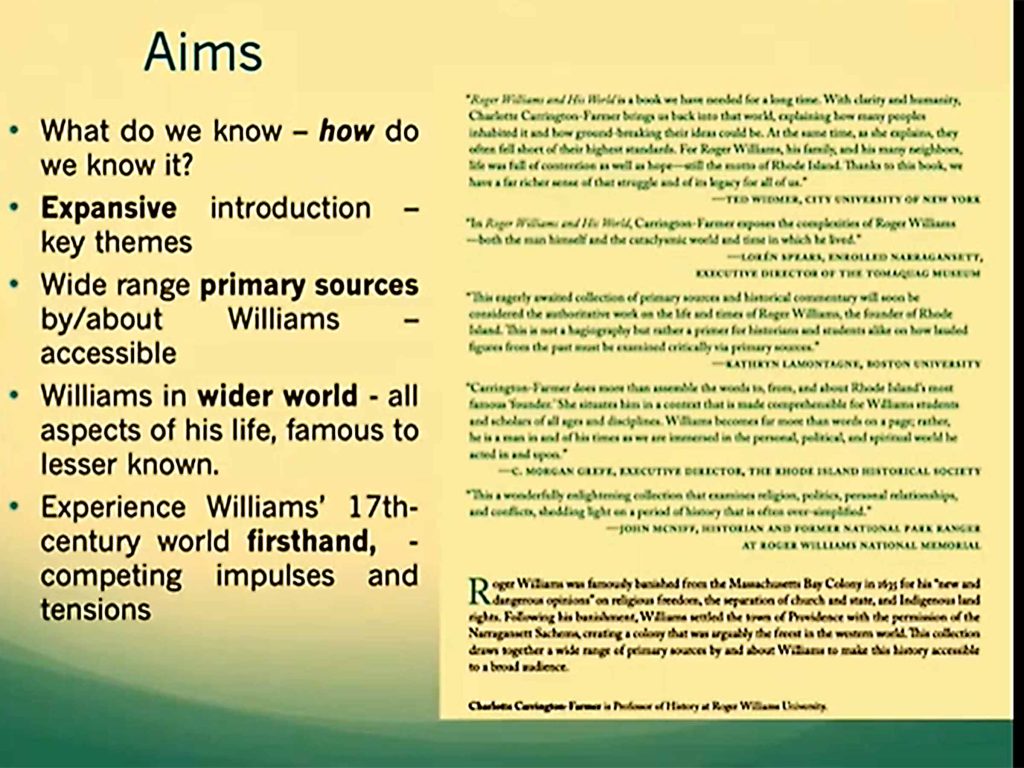
Professor Carrington-Farmer’s new book, Roger Williams and His World: A History in Documents, reproduces forty documents that illuminate Williams’s world, his beliefs, and his interactions with others. It brings together a wide range of primary sources by and about Williams, making his ideas and experiences accessible to a broad audience. The collection places Williams within his wider world, illuminating his life in England, his migration to New England, his banishment, the founding of Providence, his revolutionary ideas, and his complex relationships with Indigenous peoples.
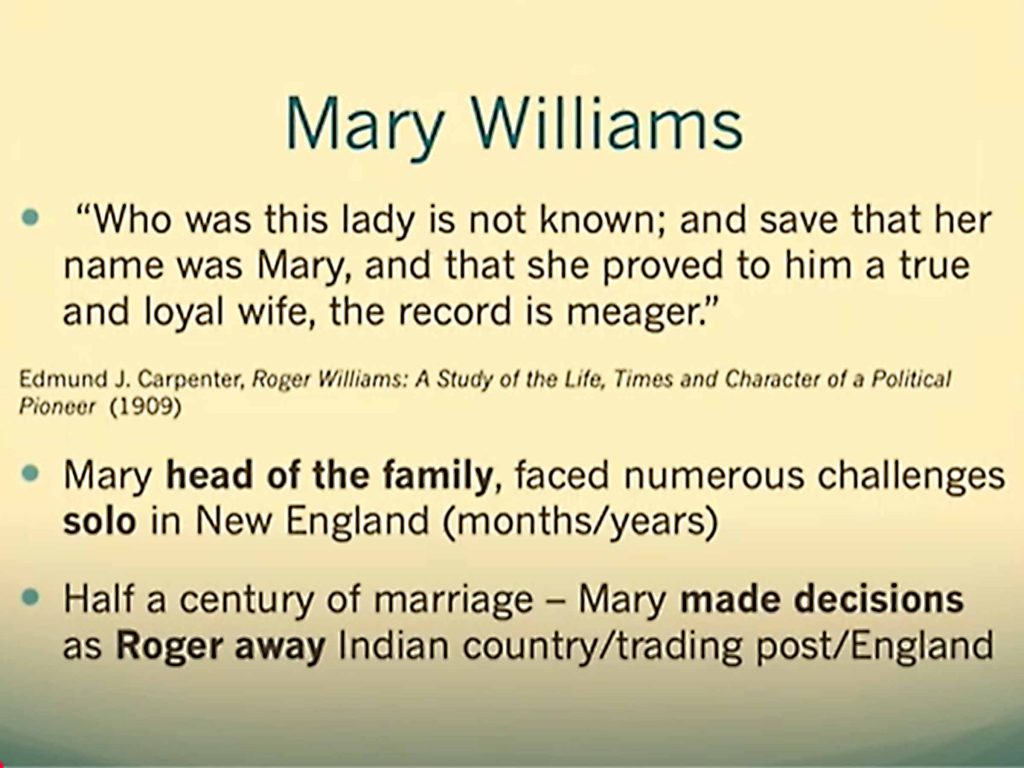
Carrington-Farmer explains each document in the context of William’s life and times by defining 17th century words and concepts, and she invites us to read the original text and decide for ourselves what it tells us about Williams.
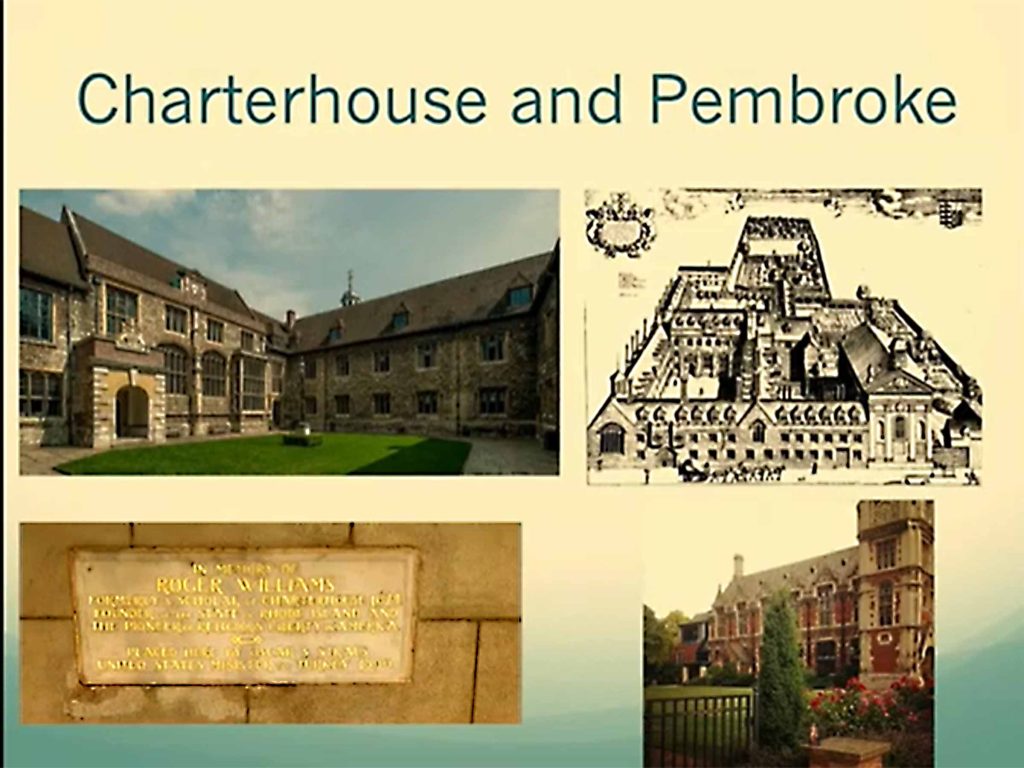
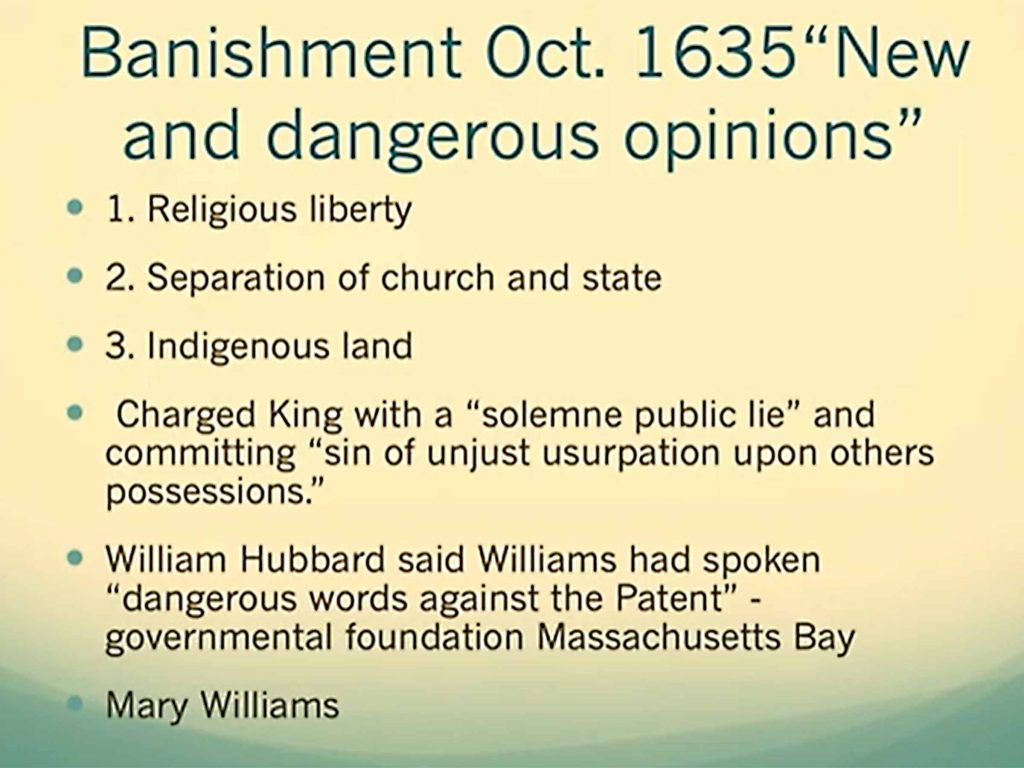
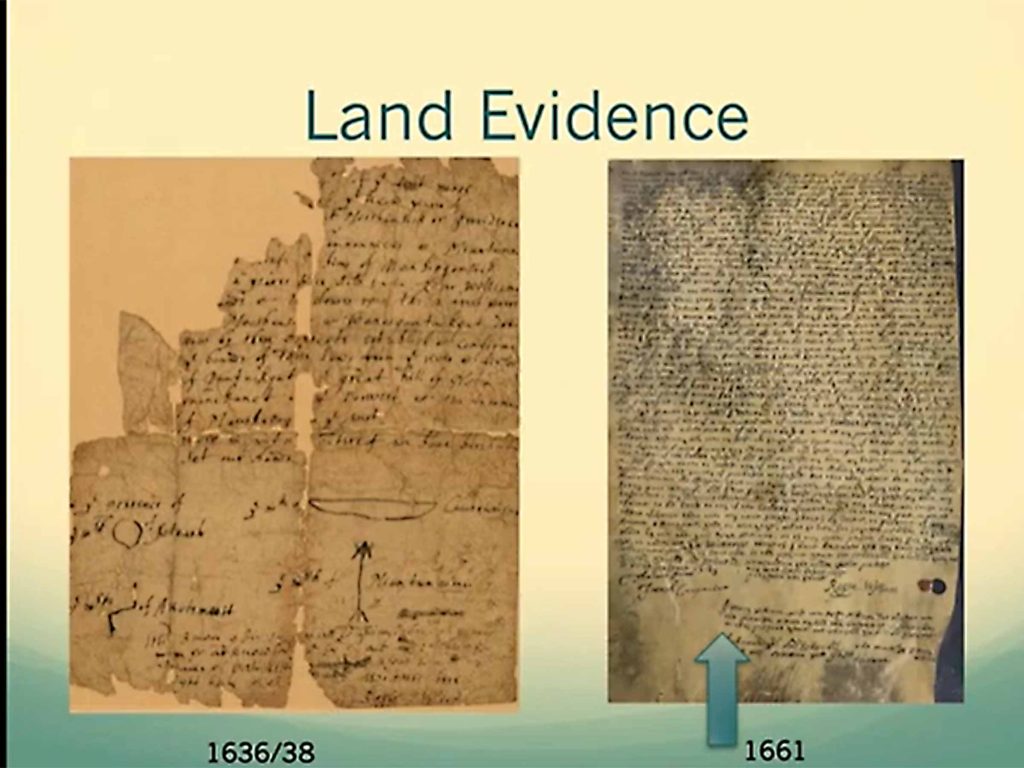
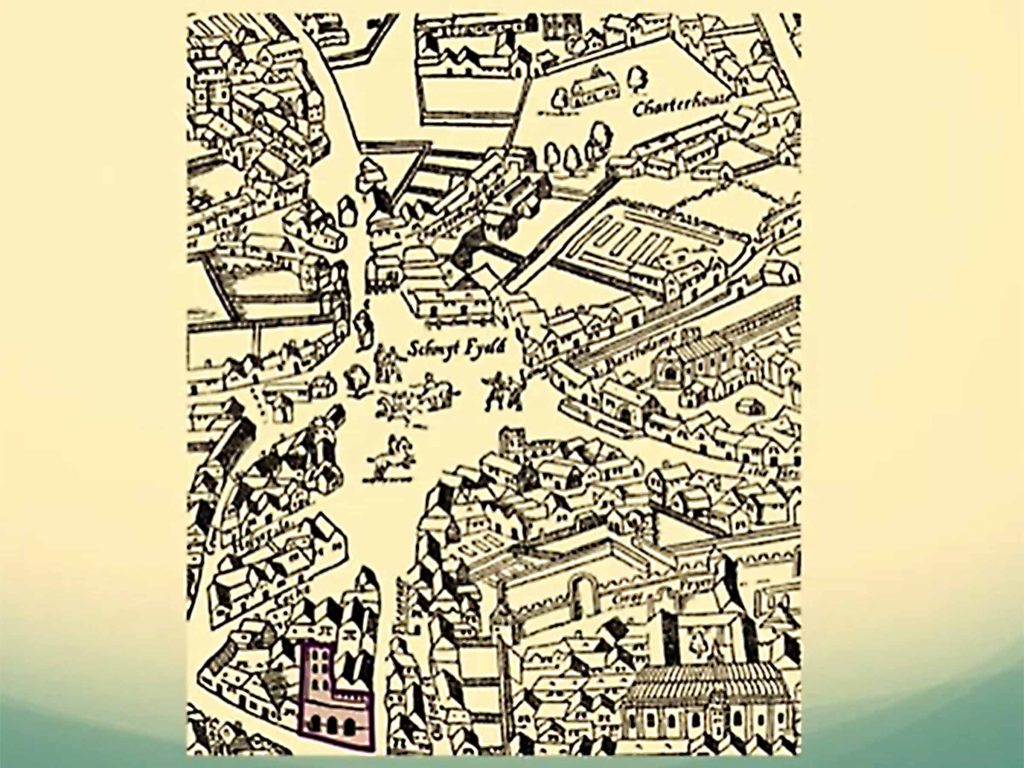
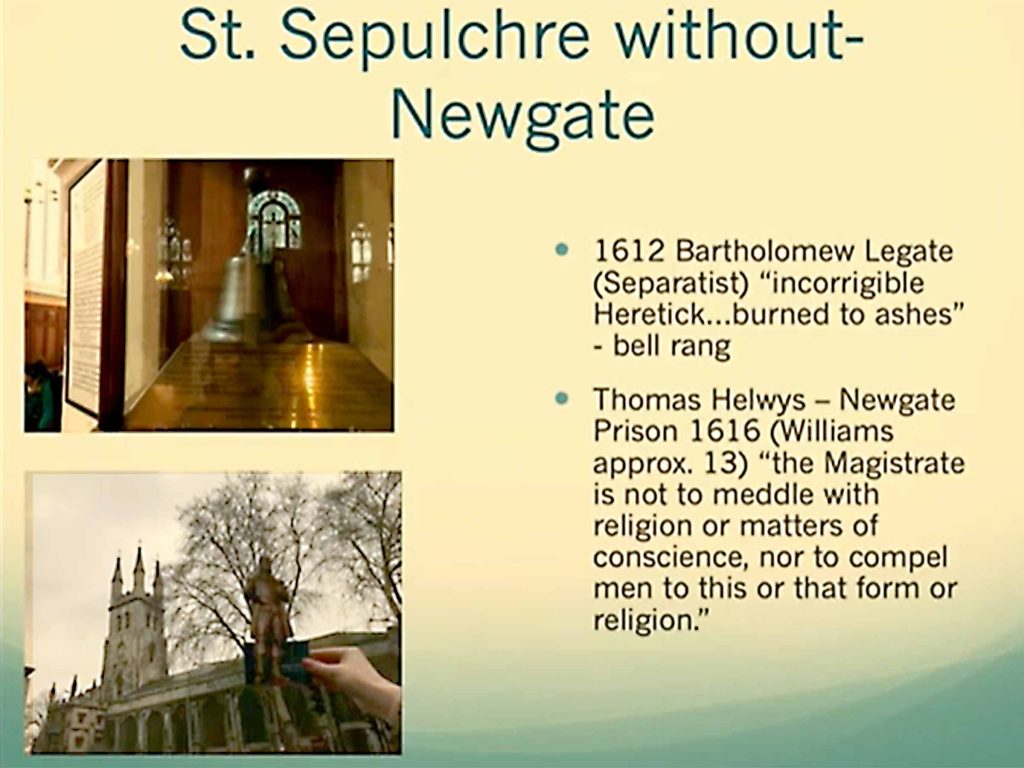
She describes his youth in London, his move to New England, and his banishment from Salem, which ressulted in starting his settlement in Providence.