
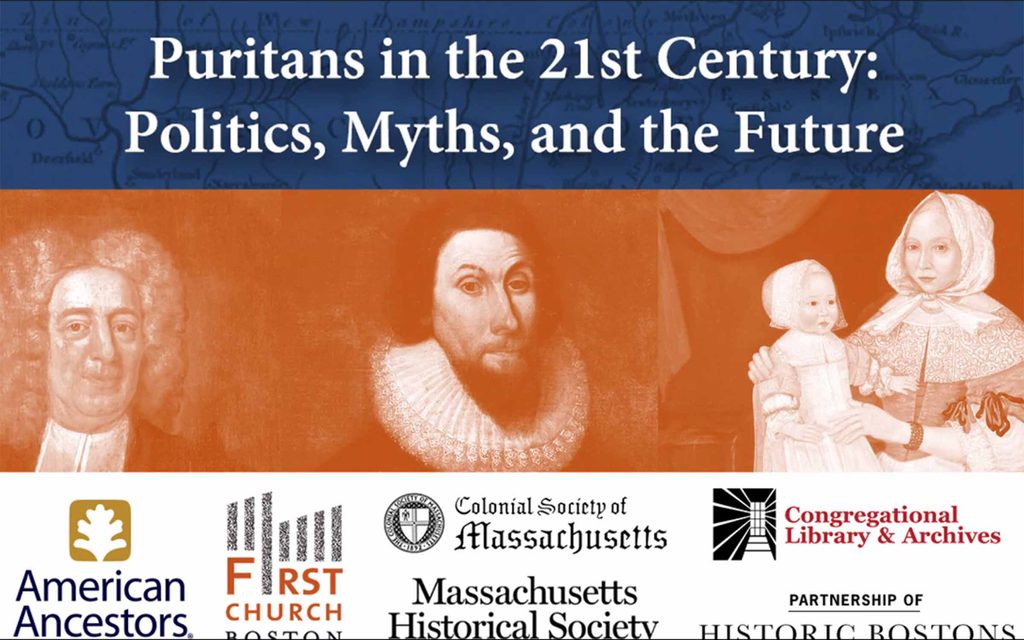
Puritans in the 21st Century, a day-long symposium held on Saturday, November 7, 2026, and hosted by six of New England’s leading historical institutions, made the case for 17th century Puritans. Do they still matter today? A stellar collection of Puritan and other scholars argued that they do—that now, in the 21st century, understanding the Puritans and their legacy is more important than ever. Held in honor of the historian Francis J. Bremer and open to public, this symposium asked what 17th century Puritan history in England and New England tells us about today’s politics and our understanding of religion and society. From Christian nationalism and the politics of slavery, from the 17th century toleration debate to pushing Puritan boundaries, Puritans in the 21st Century brought together insights and new research of award-winning academics and public historians. This was the first major gathering of Puritan scholars in more than two decades at a time when early American studies are changing dramatically. Together they ask: What is the future of Puritan studies? Why and how are Puritans important today?
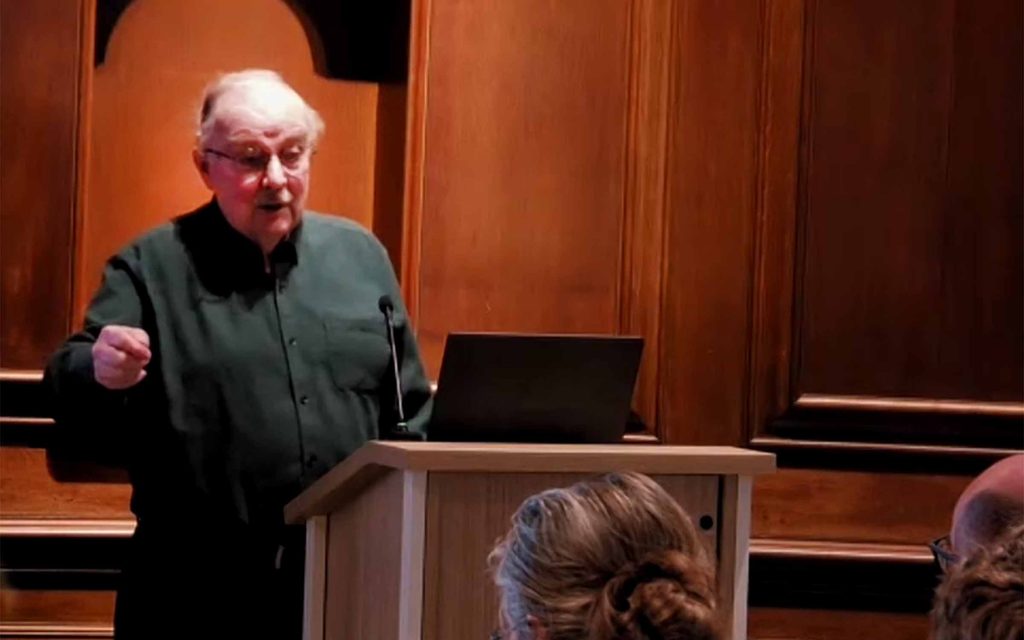
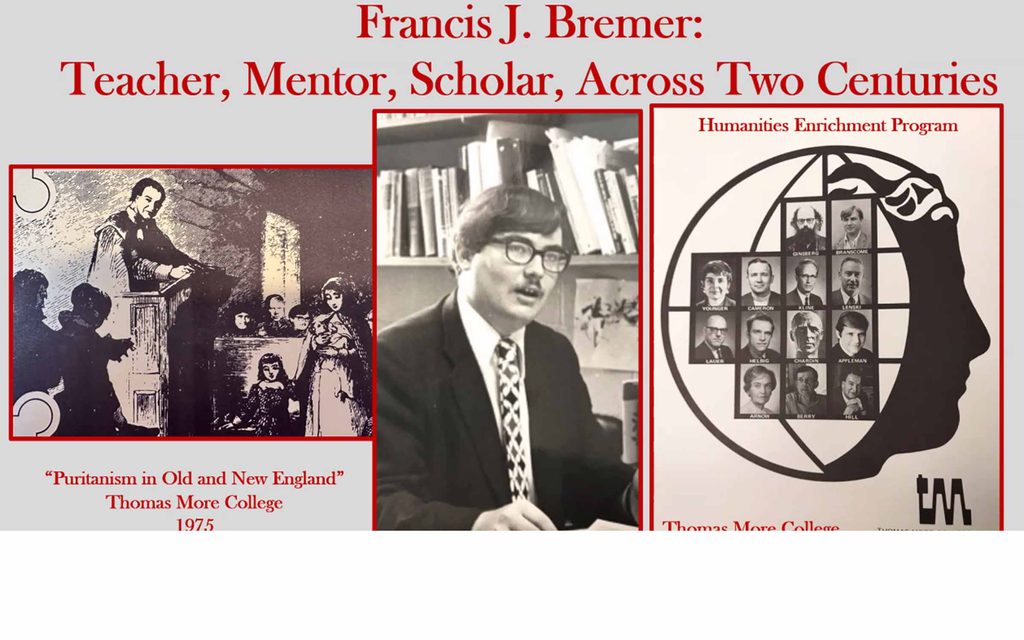
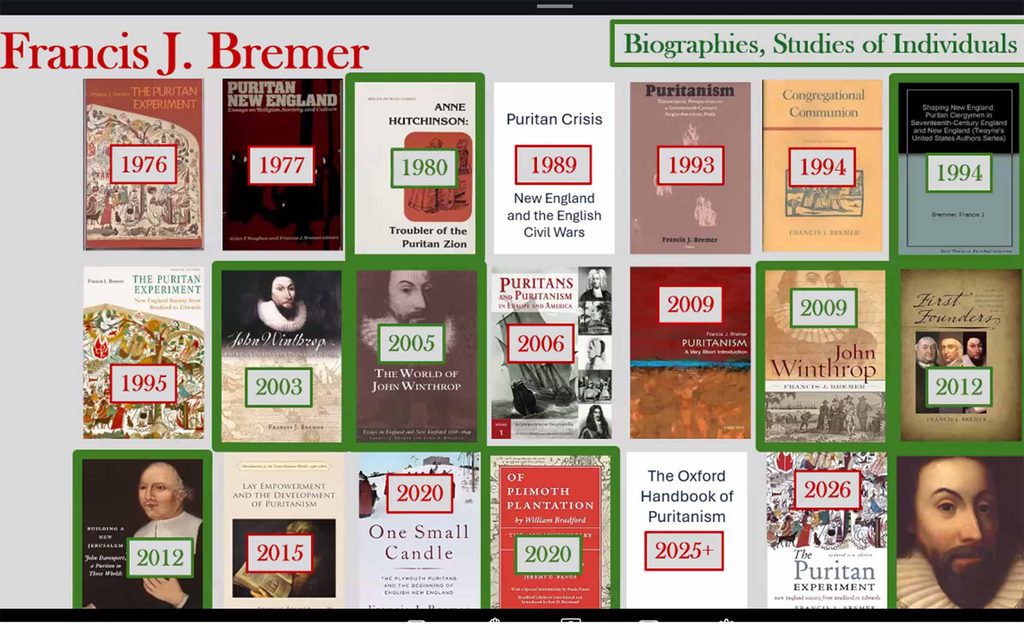
(Above) Following an introduction by Daniel K. Richter, the Roy F. and Jeannette P. Nichols Professor Emeritus of American History at the University of Pennsylvania, Francis J. Bremer began the day with a talk on “Do Puritans Matter?“
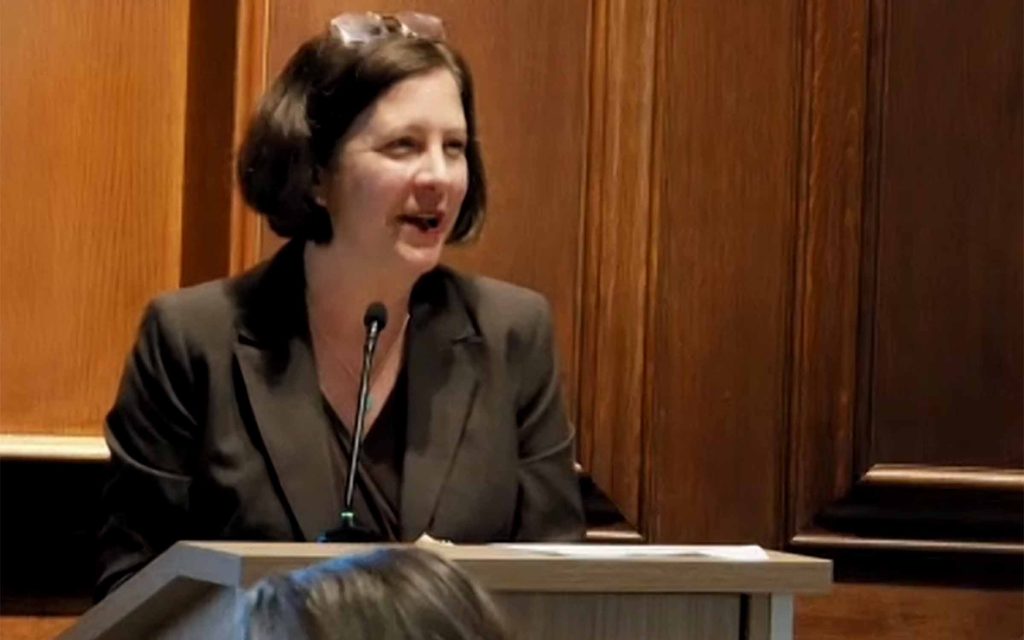
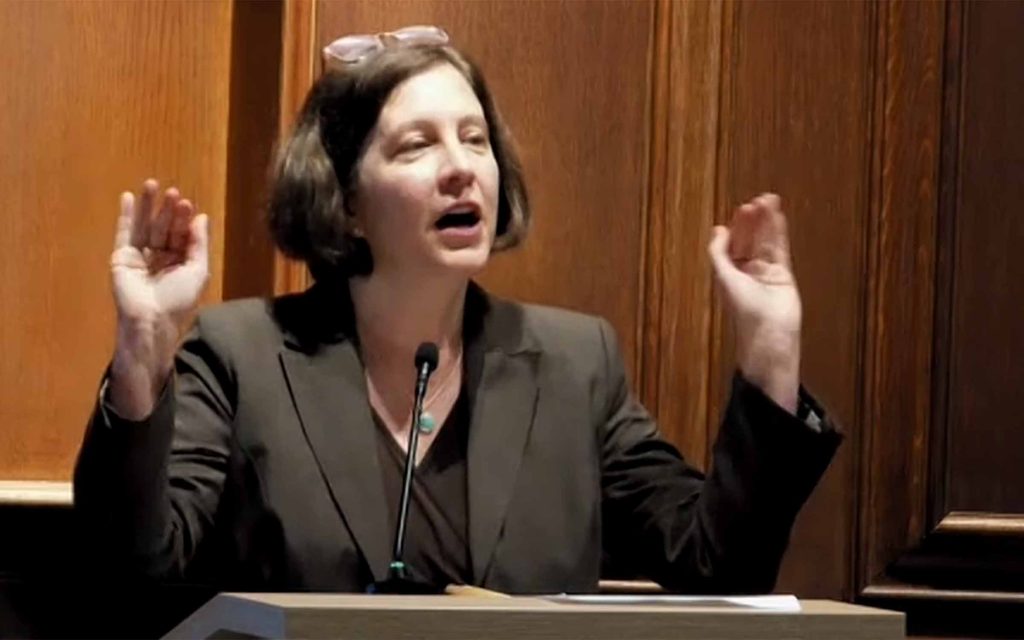
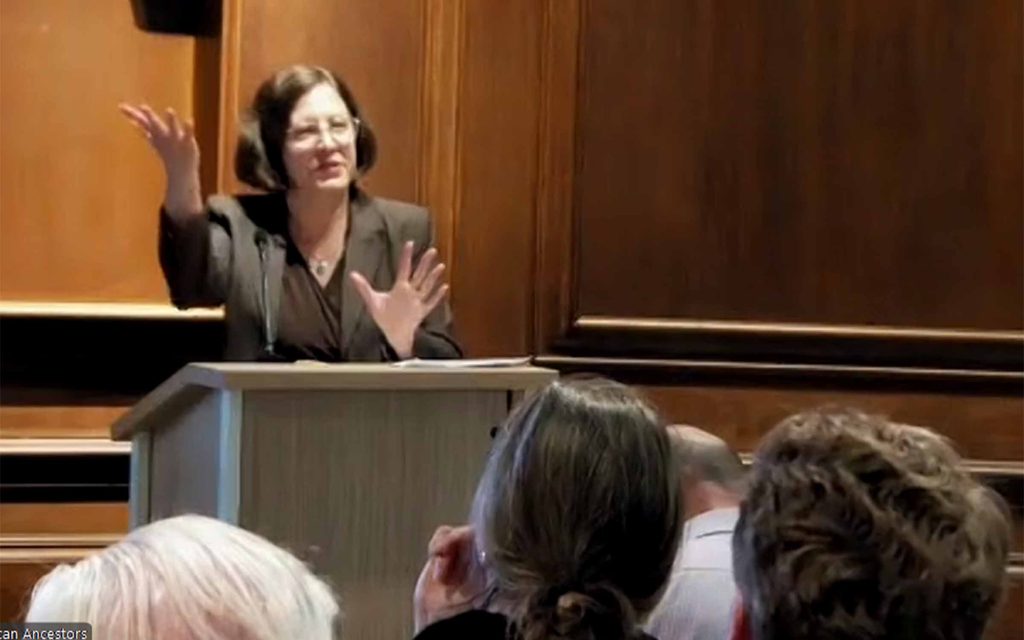
(Above) Next, Adrian Chastain Weimer, Professor of History, Providence College, spoke on “Daniel Gookin and the Boundaries of Puritanism.”
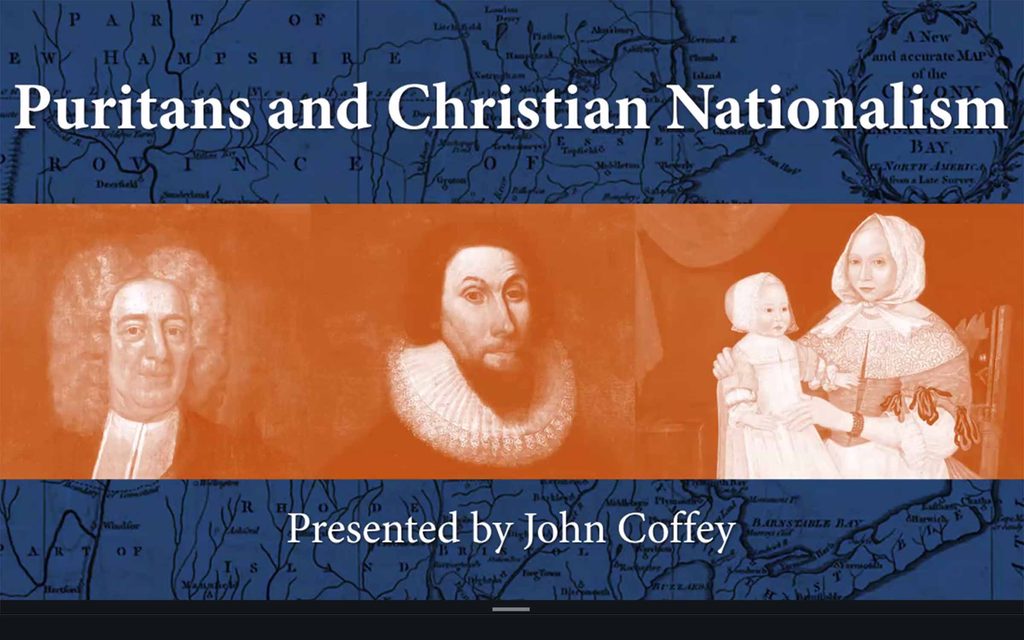
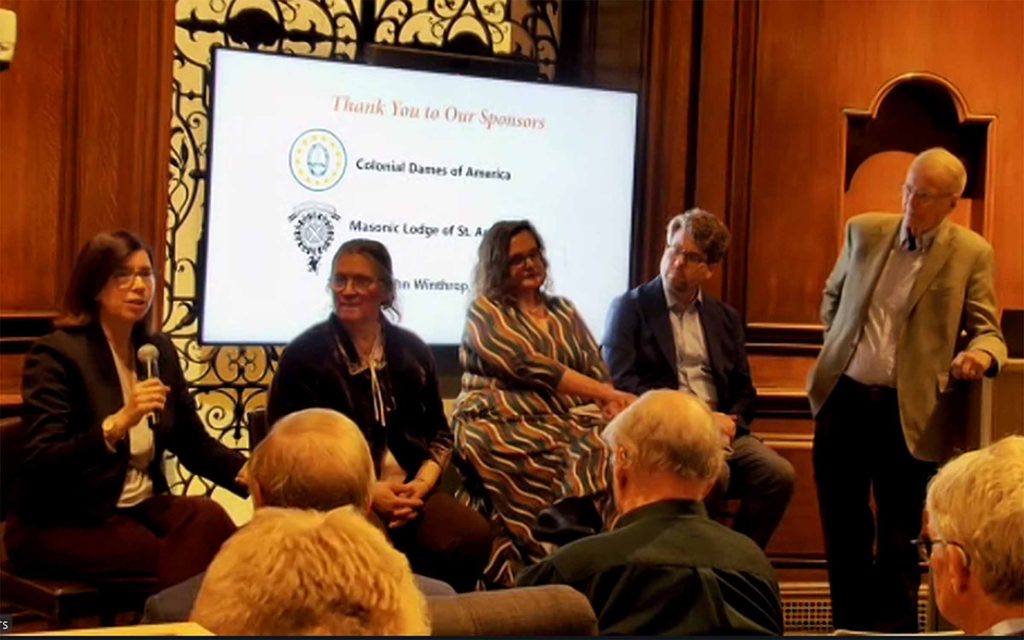
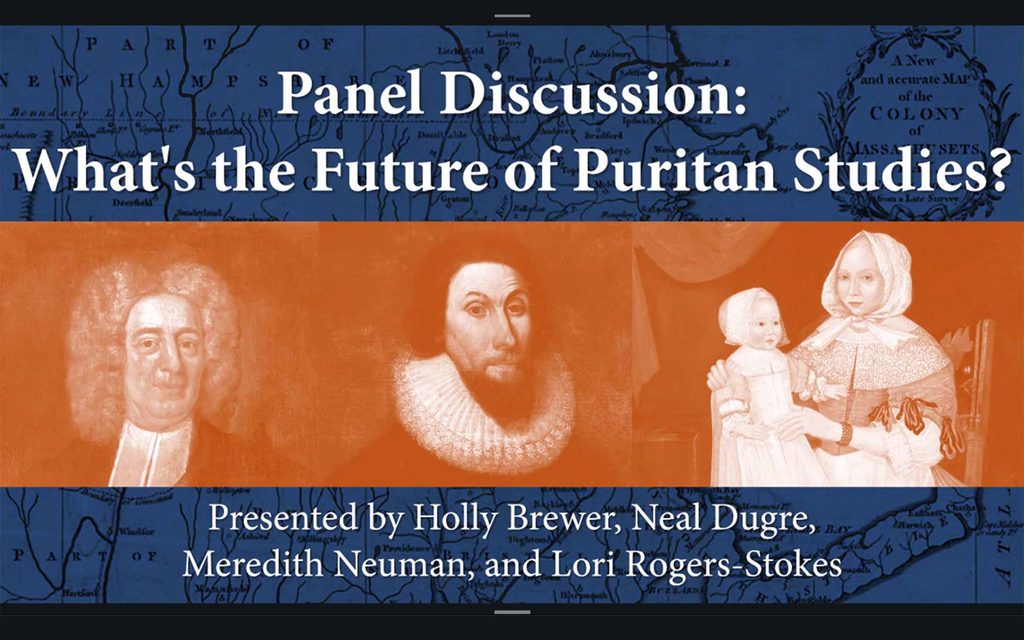
(Above) The program concluded with a presentation on “Puritans and Christian Nationalism” by John Coffey, Professor of History, University of Leicester, UK, and a panel discussion on “What’s the Future of Puritan Studies?” with Holly Brewer, Neal Dagre, Meredith Neuman, and Lori Rogers Stokes.