
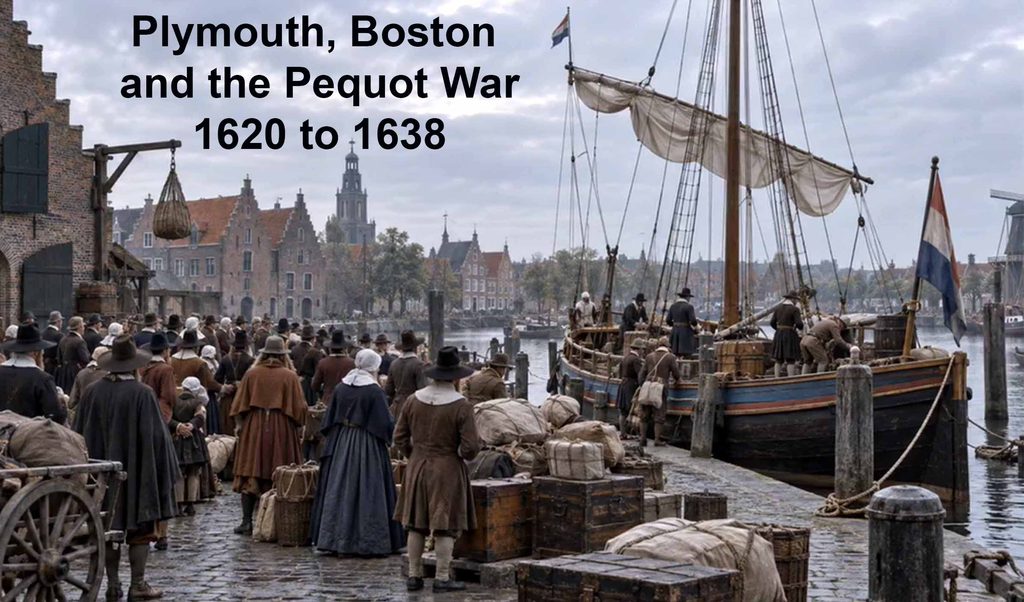
Half of the Pilgrim company was dead by the spring of 1621. However, eighteen years later the Puritan colonies of New England held thousands of settlers, had banished their own dissenters, and defeated the Pequot Nation in a war whose worst morning was the burning of their fort at Mystic in May 1637. This two-hour-and 43-minute video covers: the Separatists of Scrooby and Leiden; the crossing of the Mayflower; the Mayflower Compact; the First Encounter and the General Sickness; Samoset, Squanto and Massasoit and the harvest gathering of 1621; Plymouth’s first decade and why the Puritans left England; the Winthrop fleet, Boston and the Great Migration; Puritan society, the price of dissent and the same years elsewhere; Roger Williams and the founding of Providence; Anne Hutchinson and the Antinomian Controversy; the Pequot War, from the killing of John Stone to the siege of Saybrook; the burning of Mystic; the swamp fight at Fairfield and the Treaty of Hartford of 1638. Click here for the AI-generated video posted by Yitz History on September 30, 2026
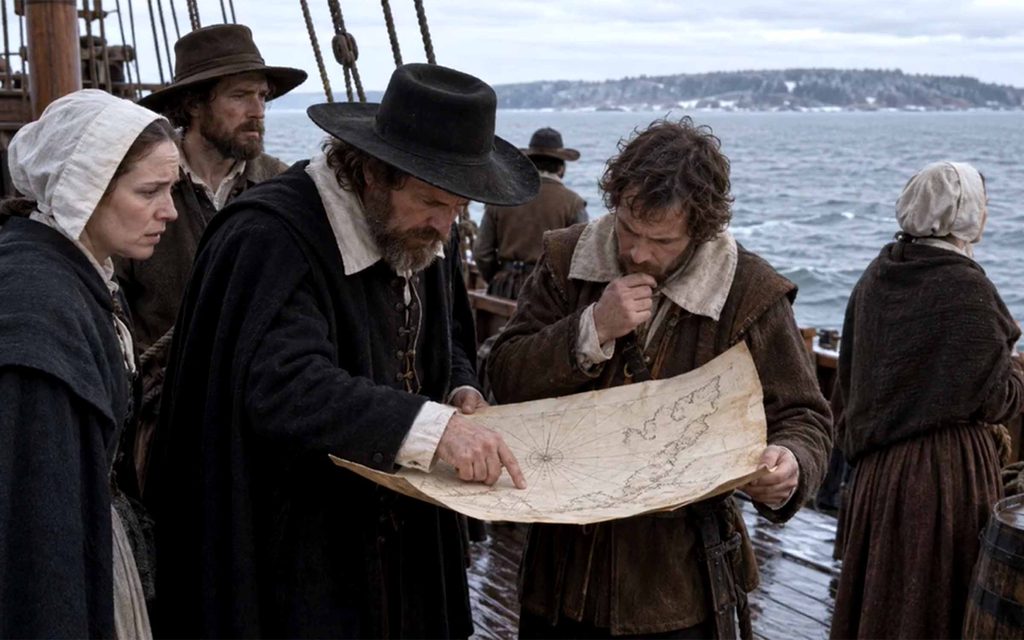
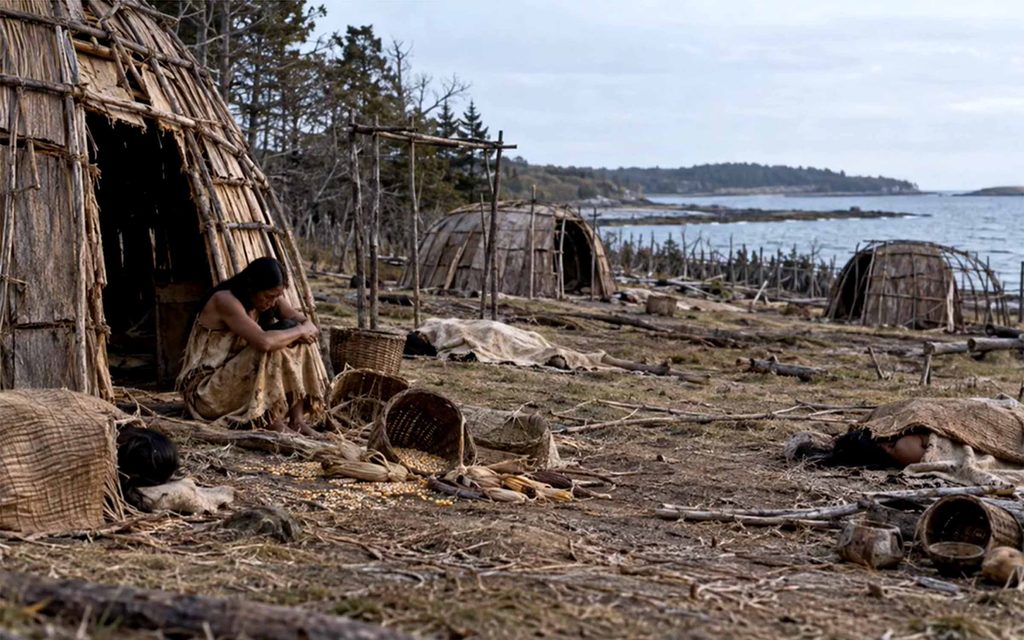
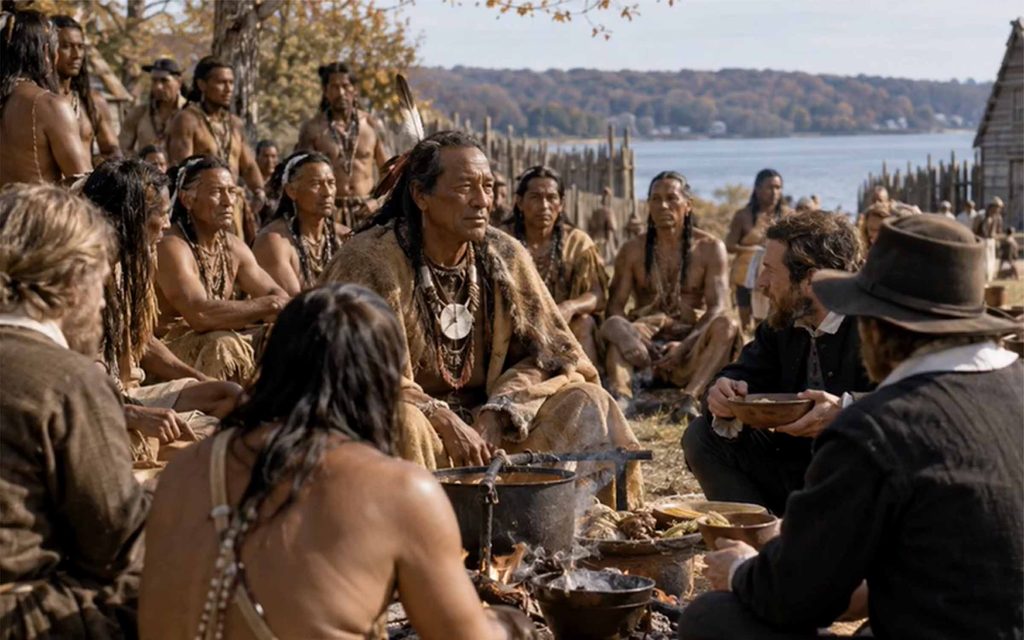
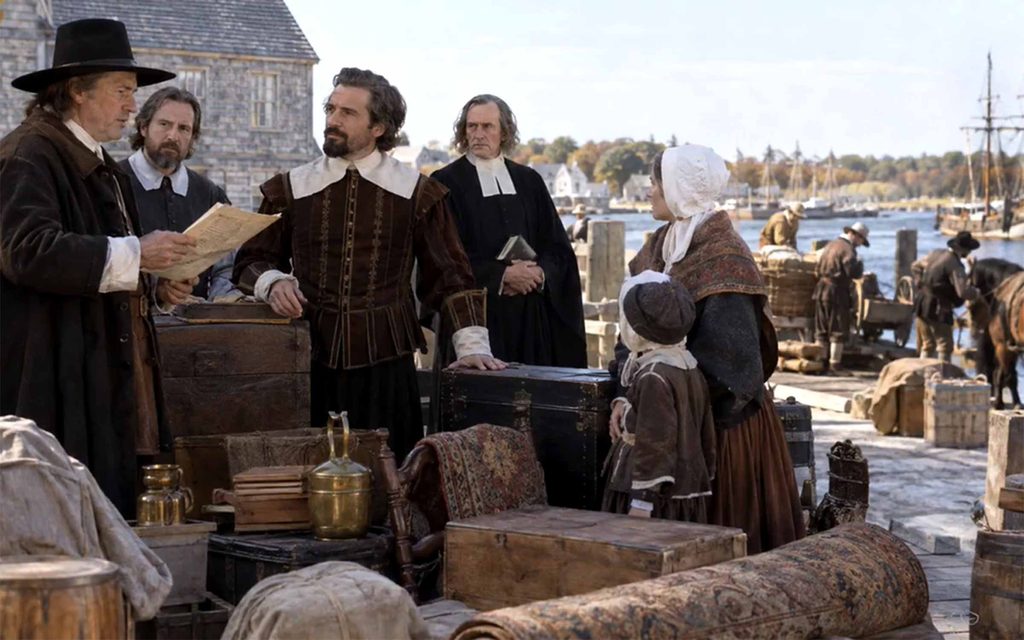
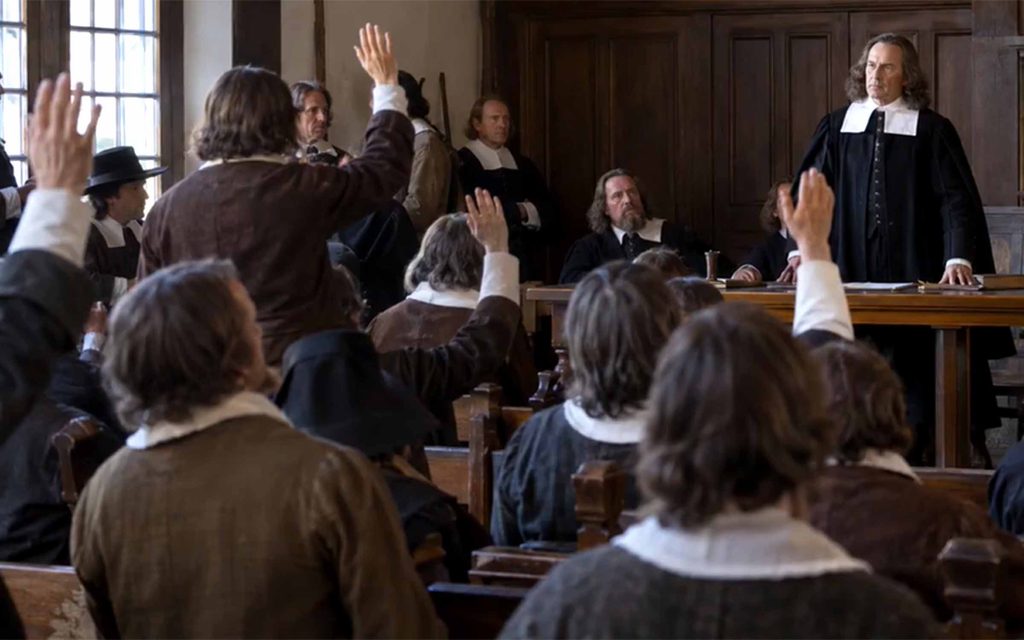
(Above, left) In November 1620 the Mayflower reached Cape Cod with about a hundred passengers, some of them Separatists, who had spent years in exile in Leiden, and, before landing on the shore, the men aboard signed a short agreement to govern themselves. They landed in Patuxet, a Pokanoket village (above, center) that had been devastated by a plaque three years beforehand. With help from the Massasoit Ousamequin (above, right), the English colonists were able to survive and eventually thrive.
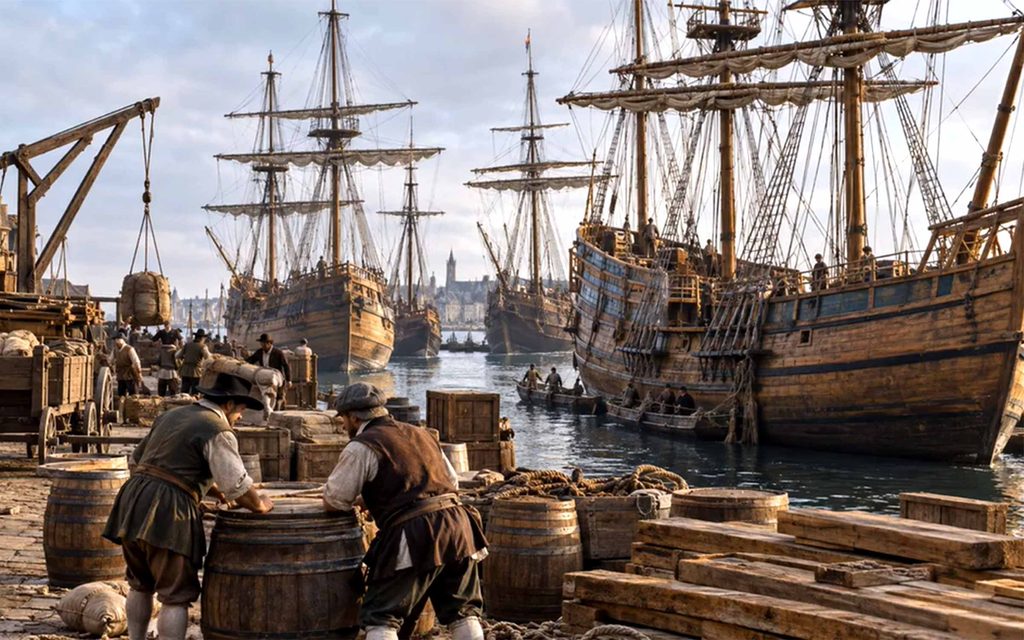
Ten years later, a flotilla of eleven ships loaded with over 1,000 passengers which is now called The Great Migration, was organized by John Winthrop and crossed to a place 30 miles north of Plymouth that later became the city of Boston.
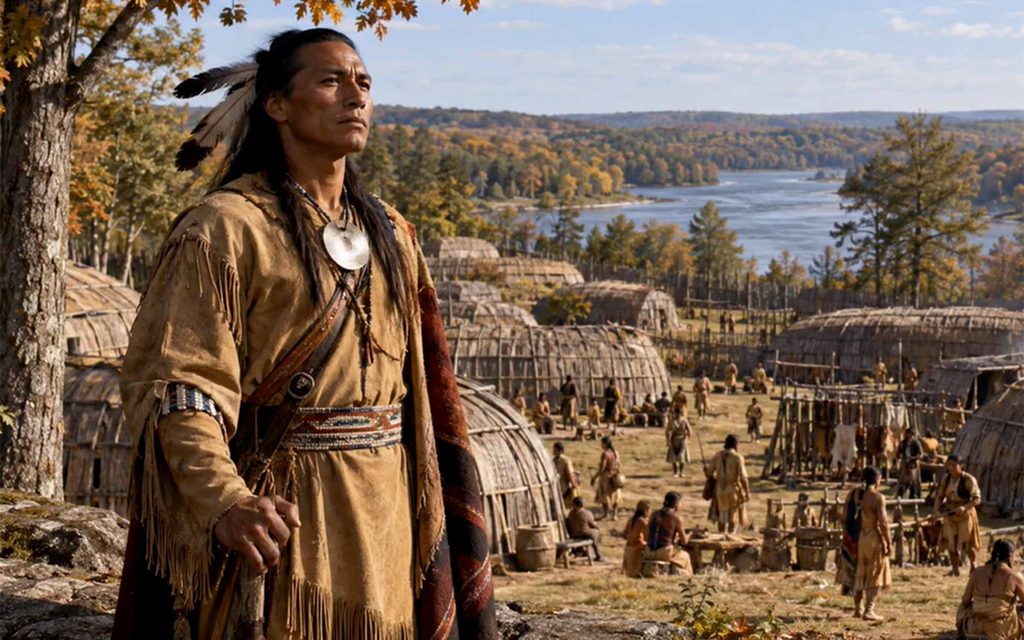
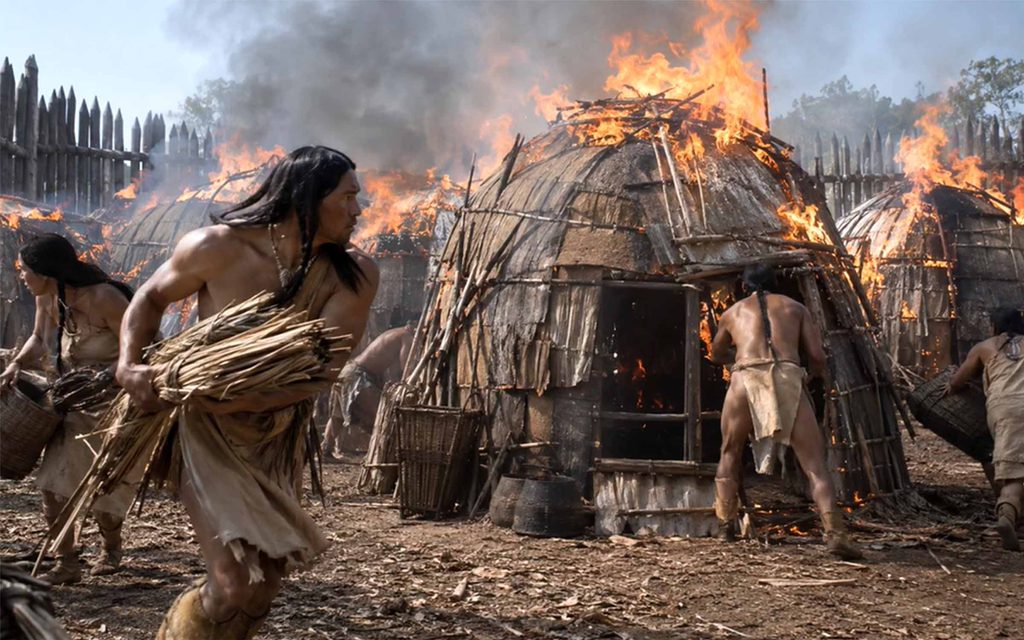
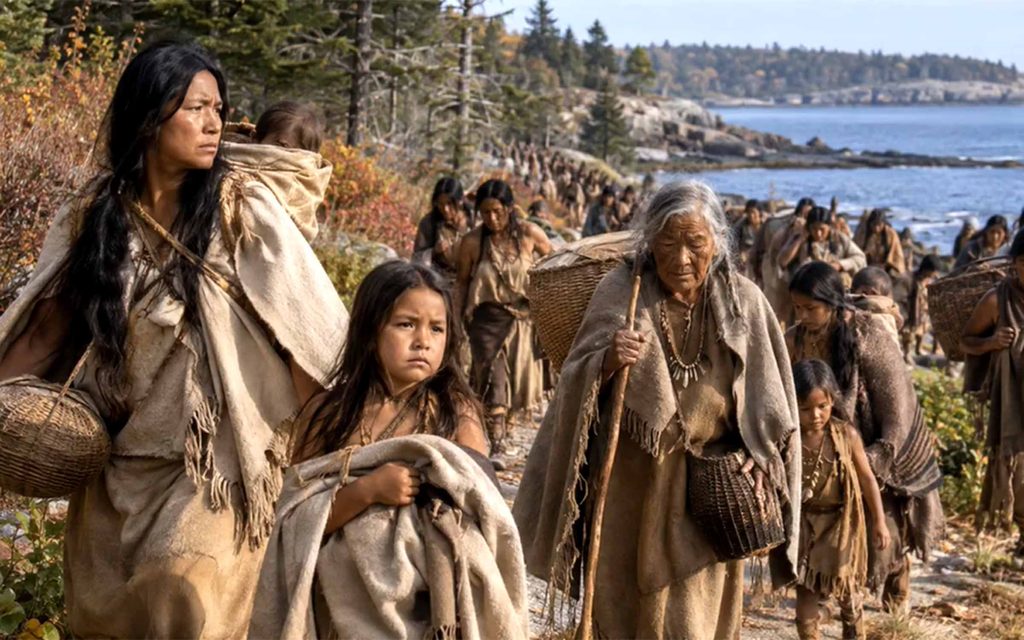
Sassacus and the Pequots were defeated by English colonists allied with the Narragansett and Mohegans in the Pequot War. The attack broke the Pequot Nation by the burning of the fort at Mystic, Connecticut in May 1637.