
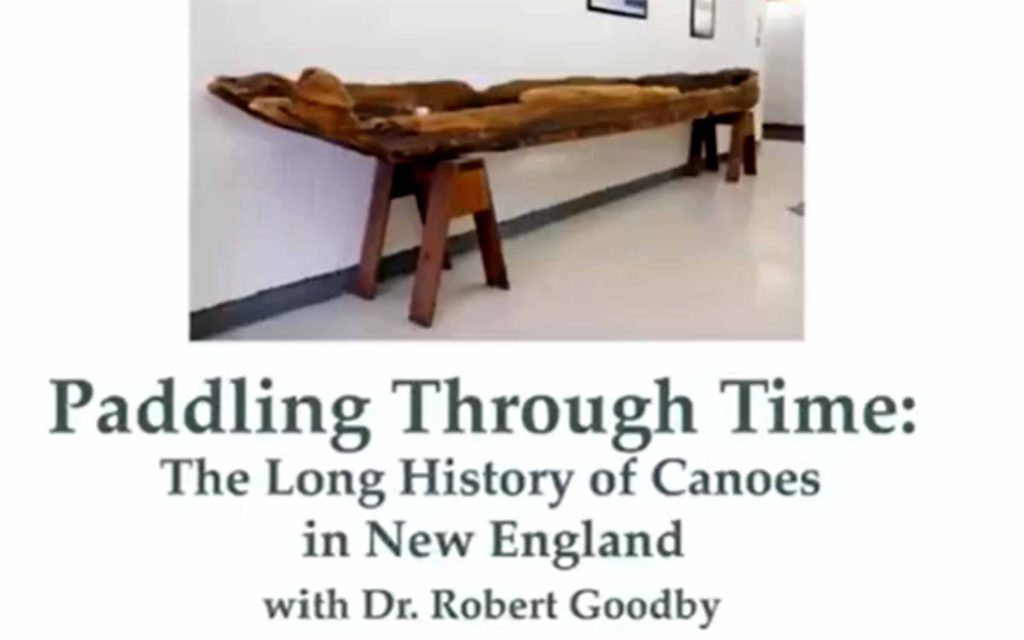
For thousands of years, canoes were central to the lives of Native Americans in New England. Travel by canoe connected people within and between the major watersheds, creating social and economic alliances and distributing scarce resources to far-flung communities linked by ties of kinship and common culture. In this 53-minute video posted on February 23, 2026 by Woodstock History Center, archaeologist Dr. Robert Goodby discussed what he has learned from recovered canoes, including six from New Hampshire that have only recently been carbon-dated.
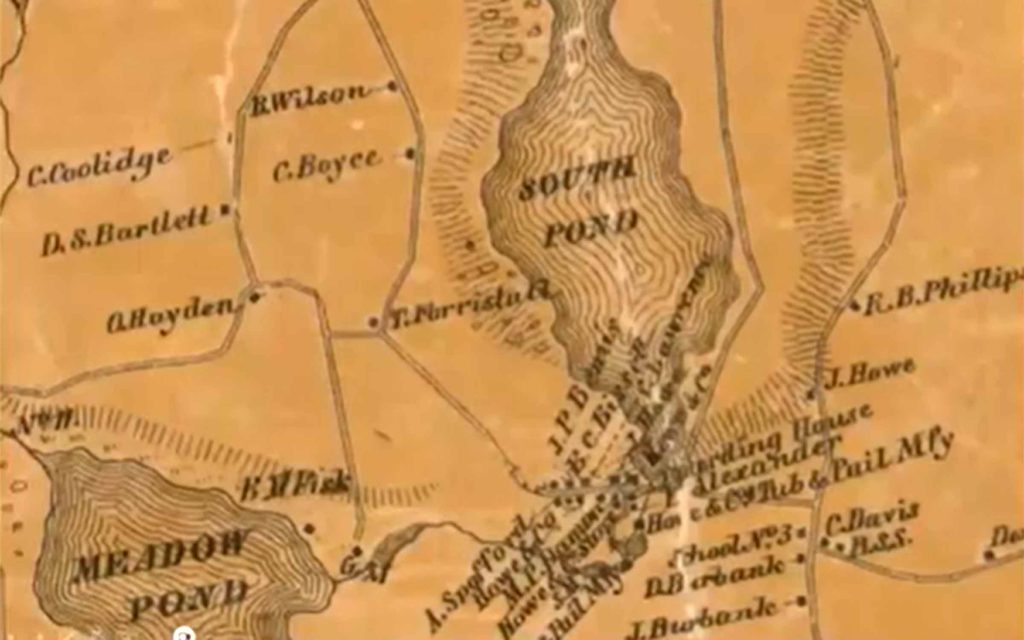
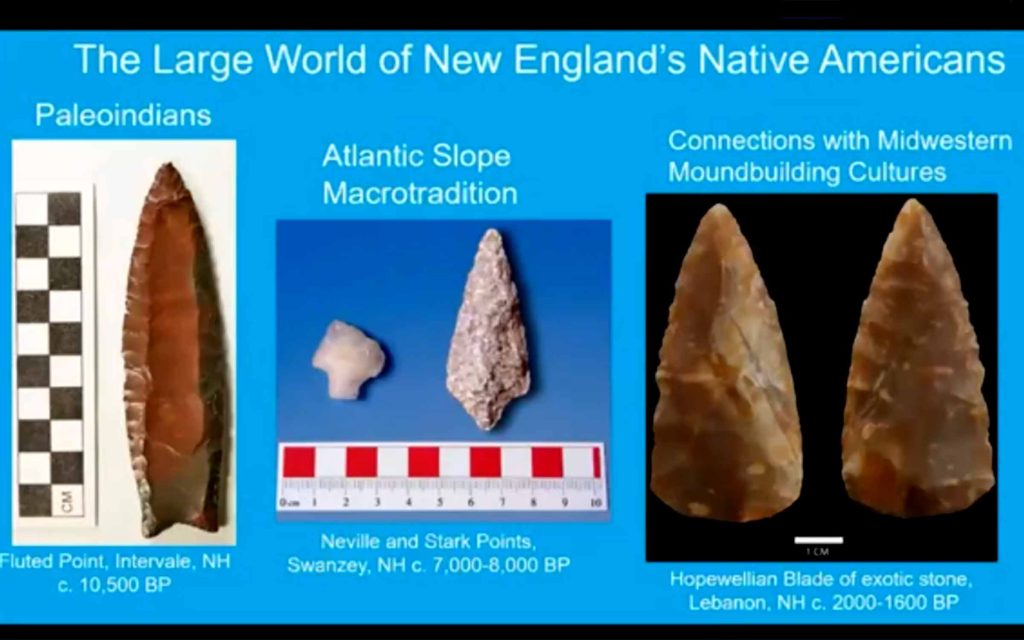
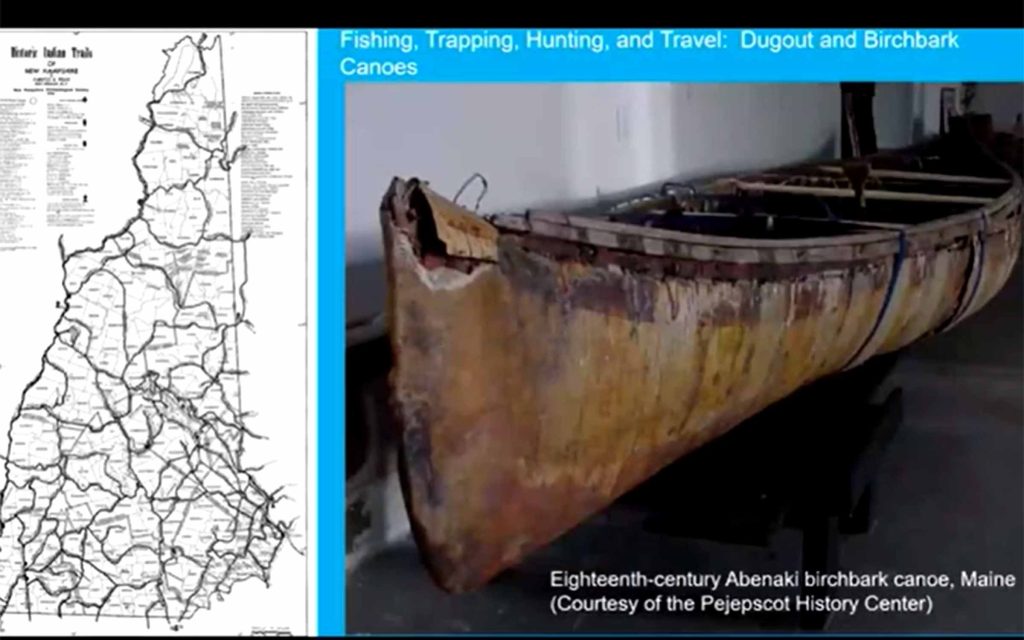
European settlers, traders, and explorers adopted Native canoe technology in the 17th and 18th centuries, and a few dozen dugout canoes have since been recovered from the bottoms of ponds and lakes across northern New England.
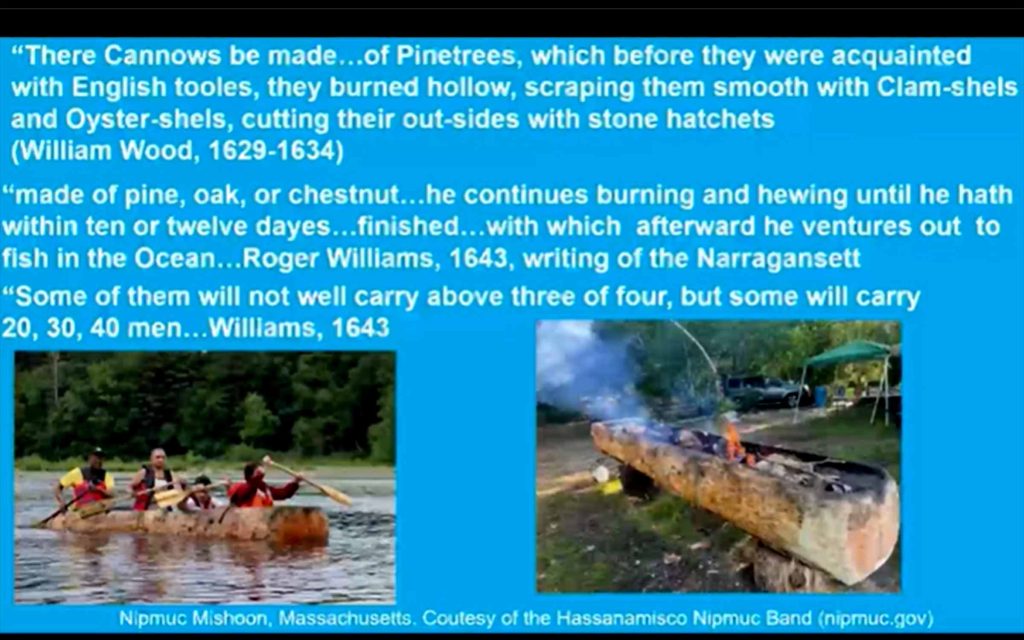
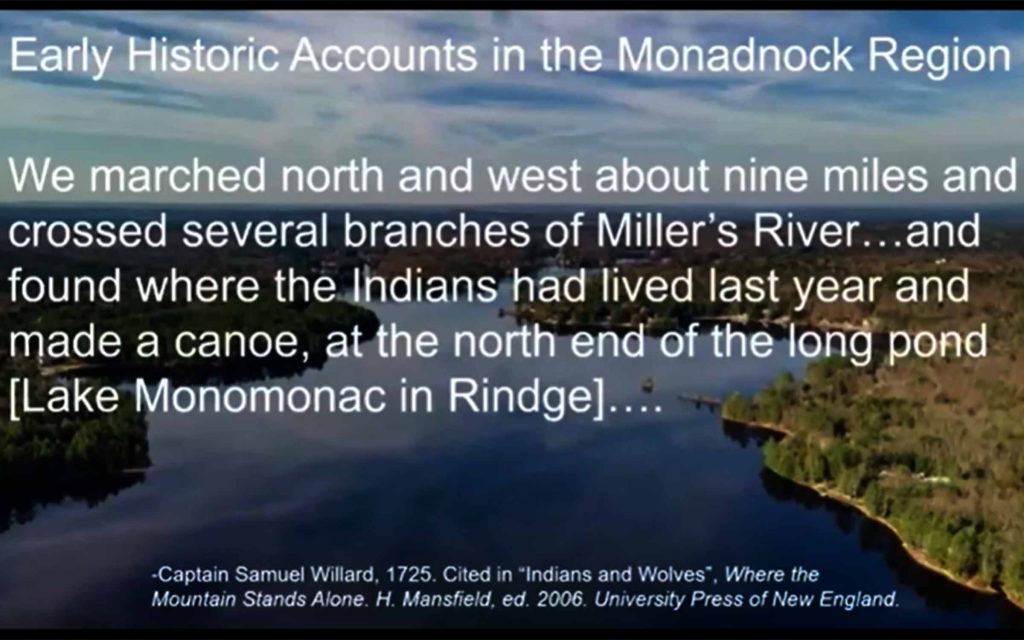

Writing between 1629 and 1634, William Wood wrote: “There Cannows be made . . . of Pinetrees. which before they were acquired with English tooles, they burned hollow, scraping them smooth with Clam shels and Oyster shels, cutting their out-sides with stone hatchets.” Writing of the Narragansett in 1645, Roger Williams wrote: “made of pine, oak, or chestnut . . . he continues burning and hewing until he hath within ten or twelve dayes . . . finished . . . with which afterward he ventures out to fish in the Ocean .
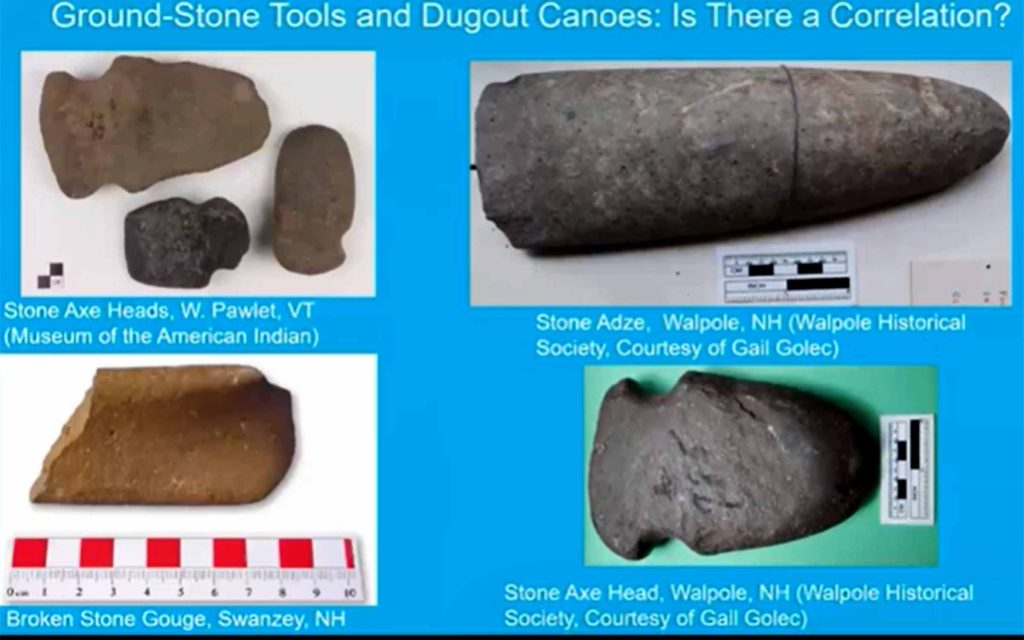
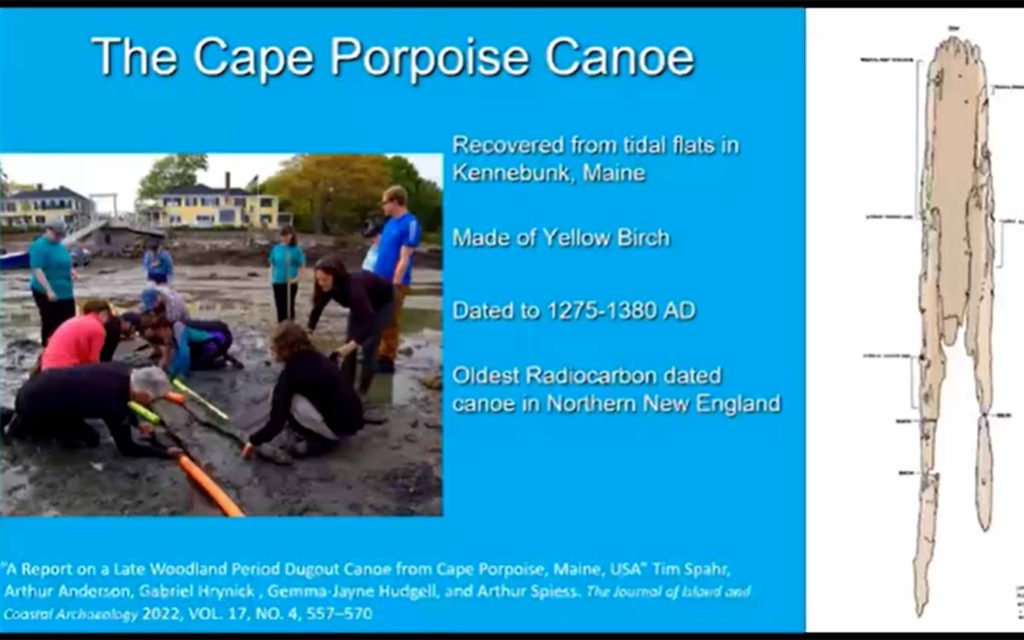
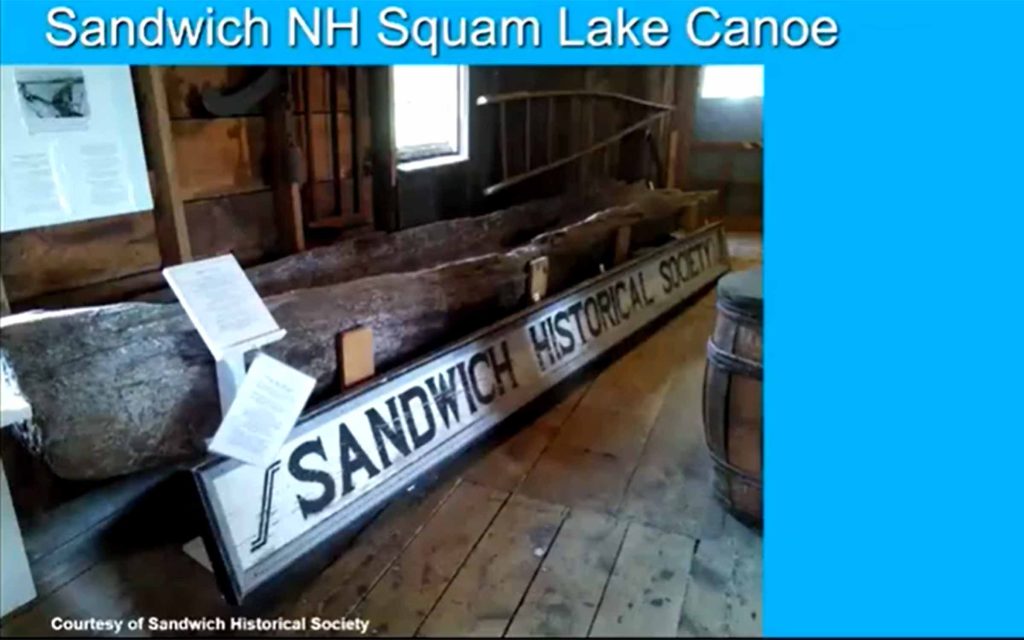
The heavy woodworking tools can be as old as eight or nine thousand years in New England. What do we actually know from canoes that have survived? The the vast majority are from the time after European contact.