
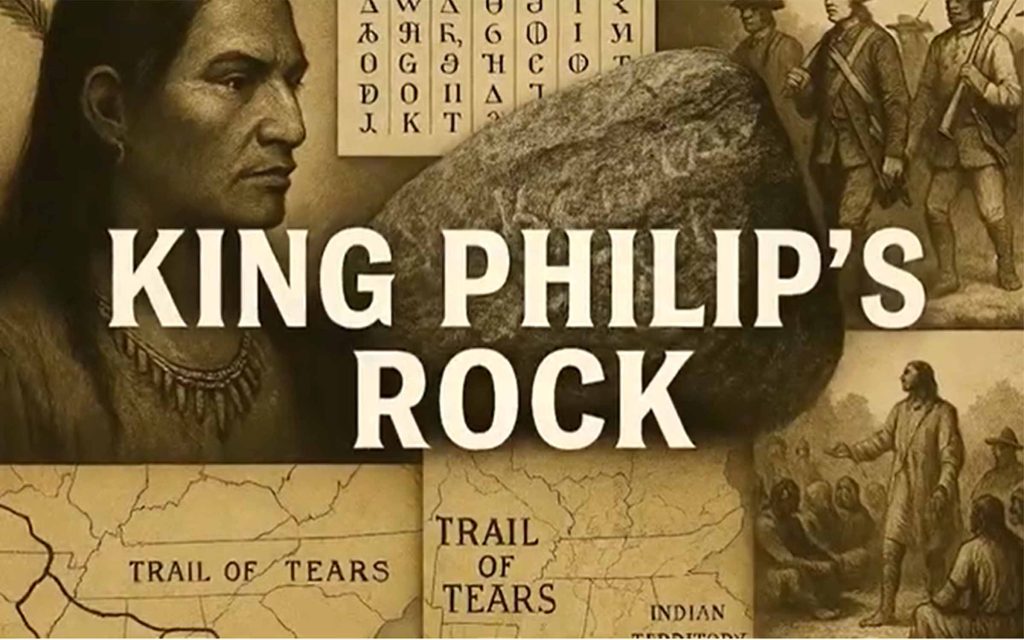
For generations a rock off the shore of Mount Hope Bay (see Anick, pages 180-181) was thought to tell a tale of Vikings sailing these waters long ago. Discovered in 1835, it quickly became known as Northman’s Rock, believed to bear the Norse inscriptions of Leaf Ericson’s voyages (see B.F. Costa, p. 41). Click here for a six-minute video posted on July 28, 2025 by Coloring Our Past that makes a connection between the rock and King Philip’s War.
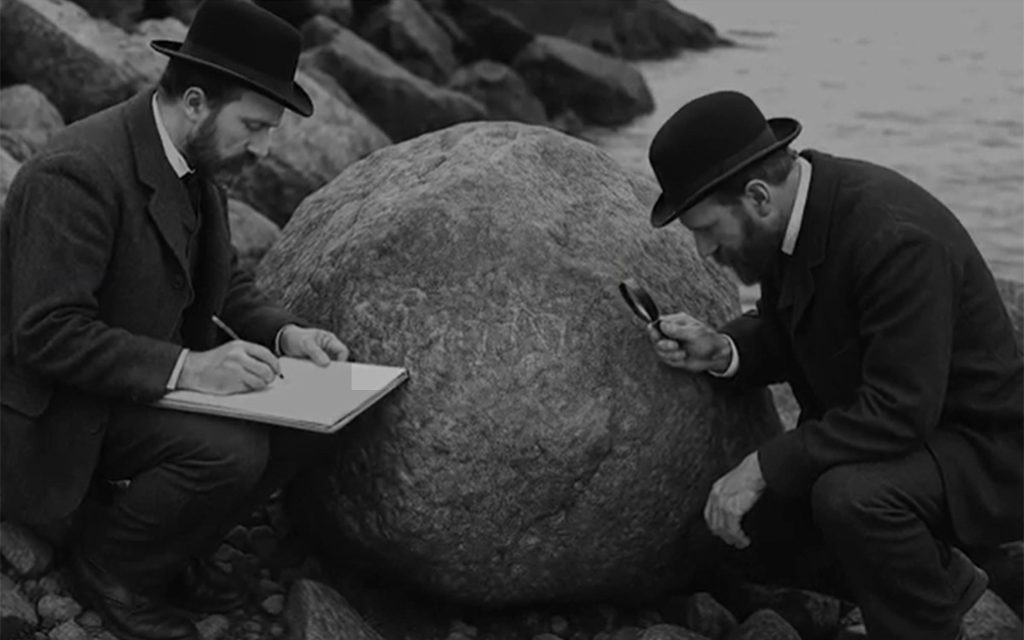
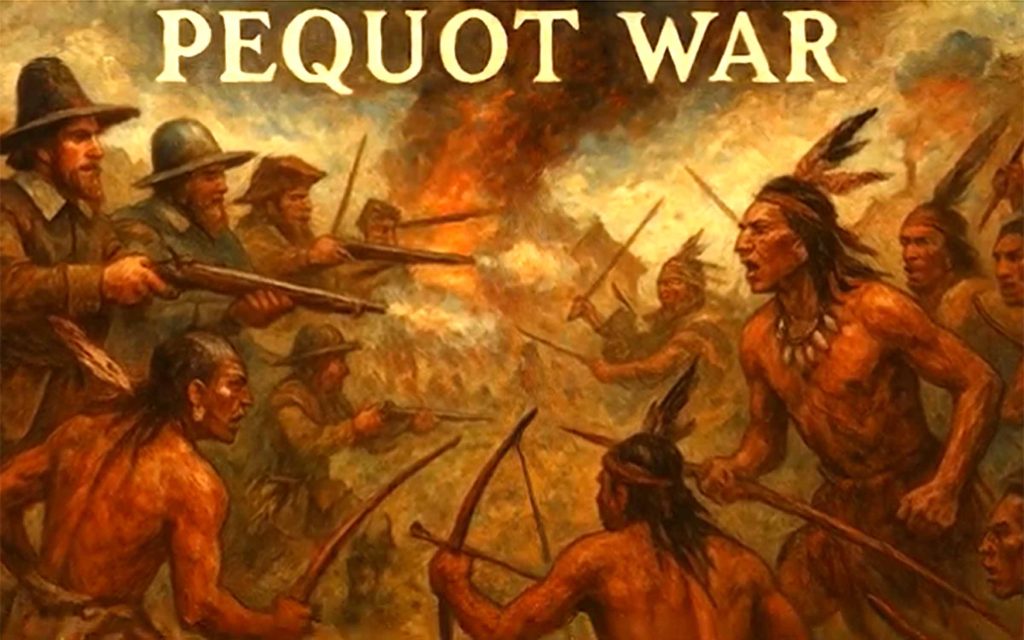
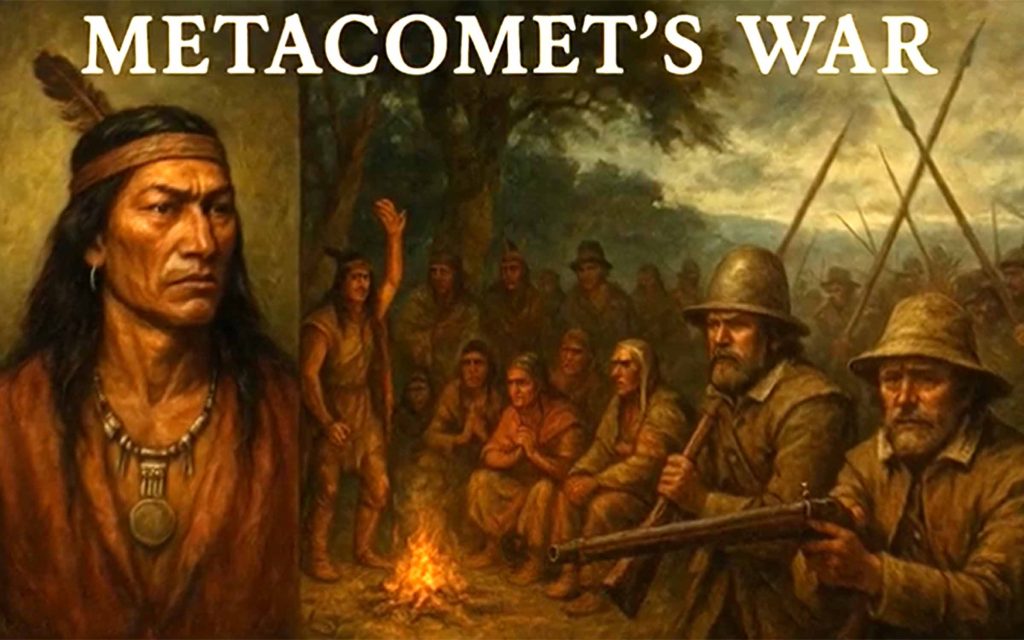
Edmund Dubaree determined that its characters were not Norse, but Cherokee, a language system developed much later in 1821. During the Pequot War, both the Wampanoag and Narragansett allied with English colonists only to be horrified by the brutal slaughter of the Pequot. Thirty-eight years later, Metacomet united the Nipmucs, Narragansetts, and seven more tribes in the first pan indigenous coalition against settlers.
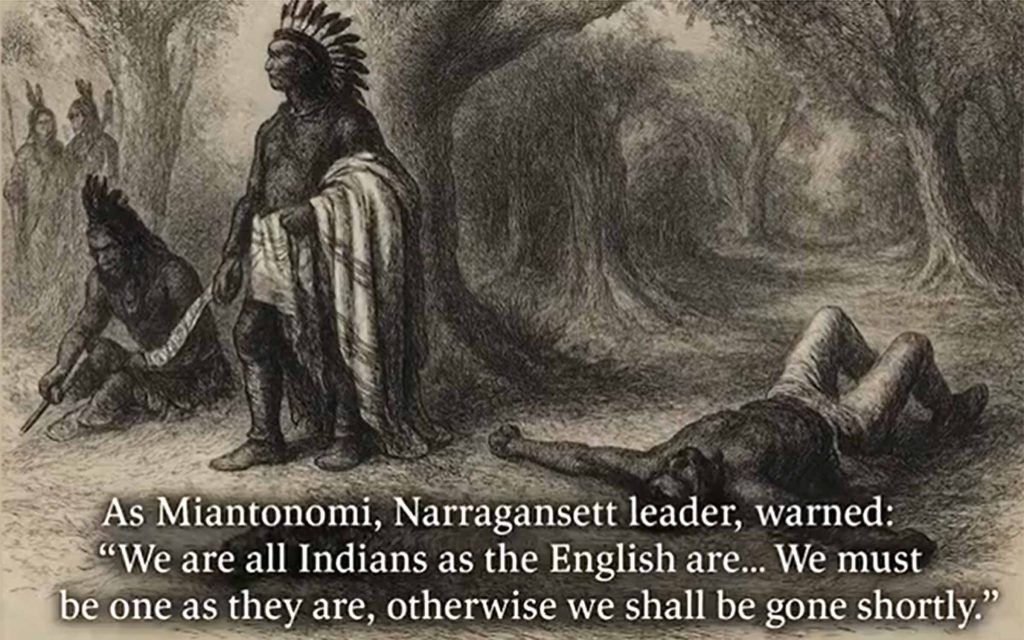
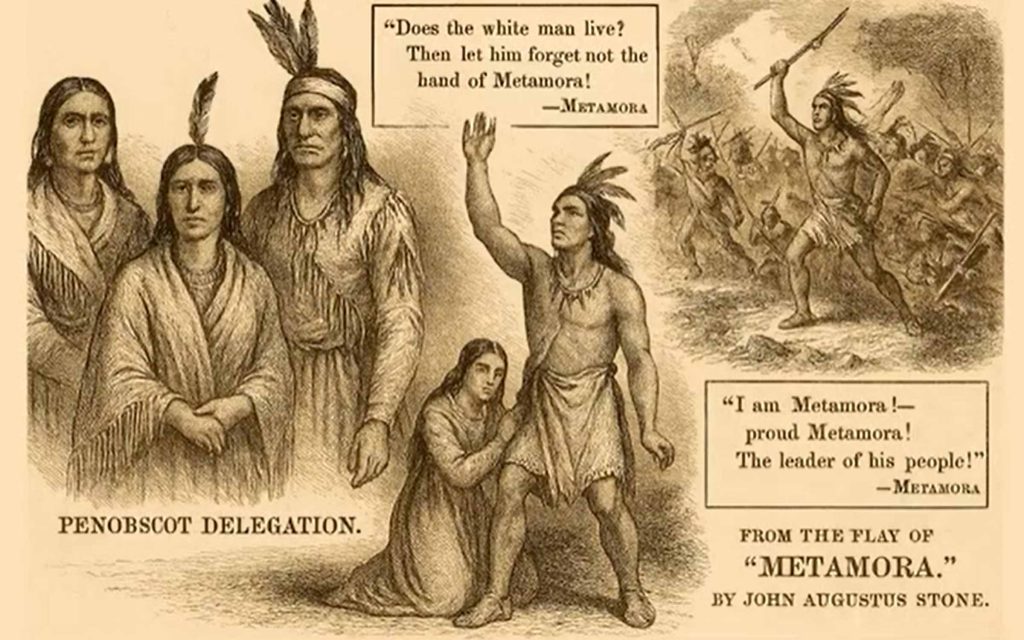
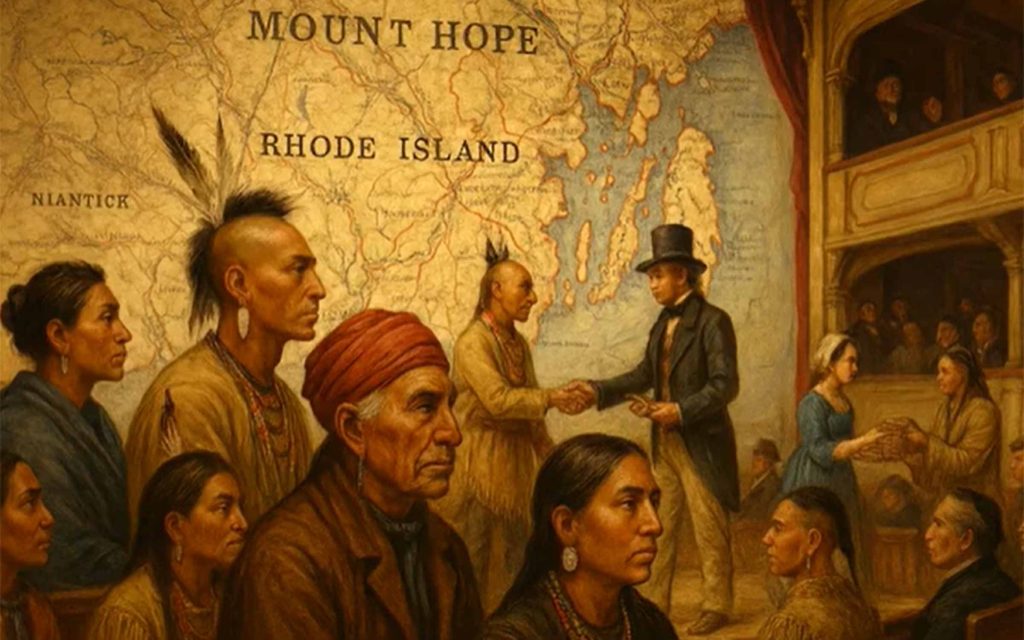
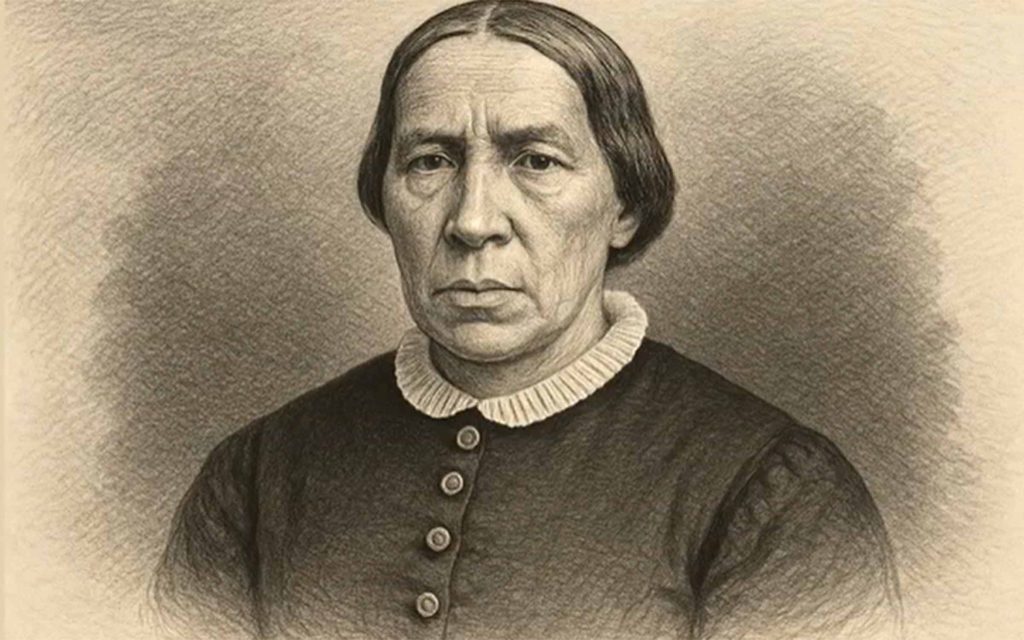
Miantonomi (above, left) warned “We are all Indians as the English are . . . We must be one as they are, otherwise we shall be gone shortly.” Thomas Mitchell, a Cherokee speaker, married a Wampanoag woman, Servia Gould (pictured below, left), and visited Mount Hope. He may have used the Cherokee symbols to encode Metacom’s name on the rock.
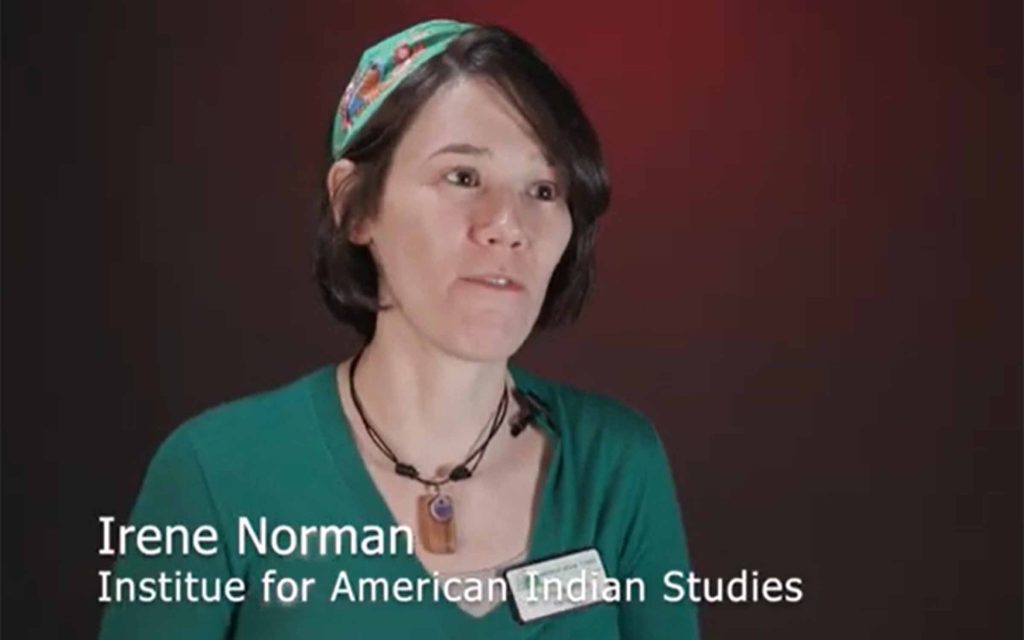
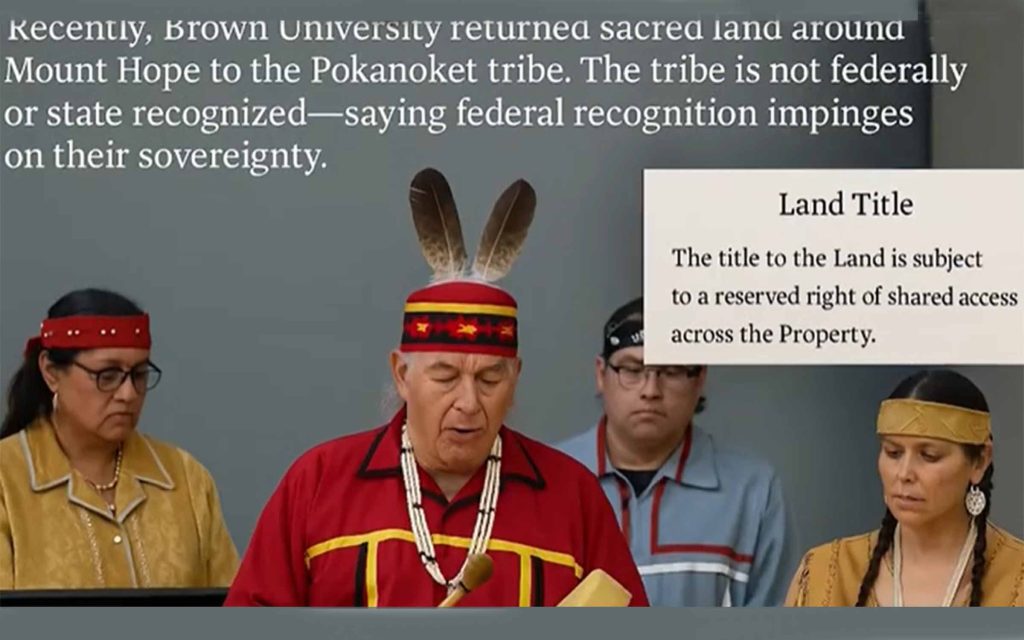
Irene Norman, Supervisor of Curriculum and Instruction at the Institute for American Indian Studies in Washington, Connecticut talked about how Mt. Hope land was returned to the Pokanokets in November, 2024. The title ensures access to the land for all of the descendants of Metacom’s people, including the Narragansetts and the Mashpee Wampanoags, a rare act of reparation and reconciliation.