

On 31 July 1775, the last mast ship from New England reached England. For almost a century, the Royal Navy’s biggest single-tree masts had come from the white pine forests of New Hampshire and Maine. Three months after Lexington, those forests belonged to the enemy, and there was nowhere else on Earth to find trees quite like them. This video follows a mast from forest to ship. Click here for a 15-minute video posted on September 28, 2026 by The King’s Yard.

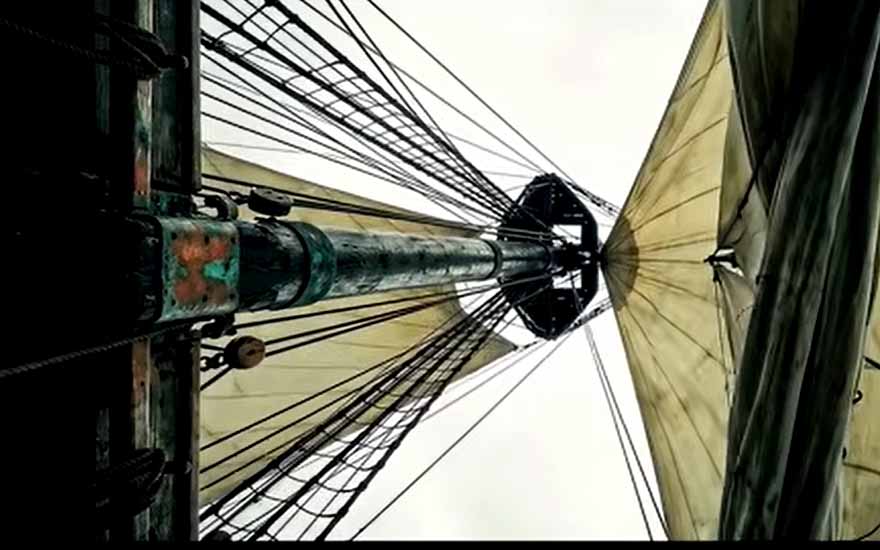

The sizing rule of an inch of thickness for every yard of length and why pine and fir rather than oak is covered in the video. The 1691 Mast Preservation Clause legally reserved every Eastern White Pine measuring 24 inches or more in diameter (measured at 12 inches above the ground) growing on ungranted land was reserved for the exclusive use of the British Royal Navy and marked with three axe slashes — the King’s broad arrow.


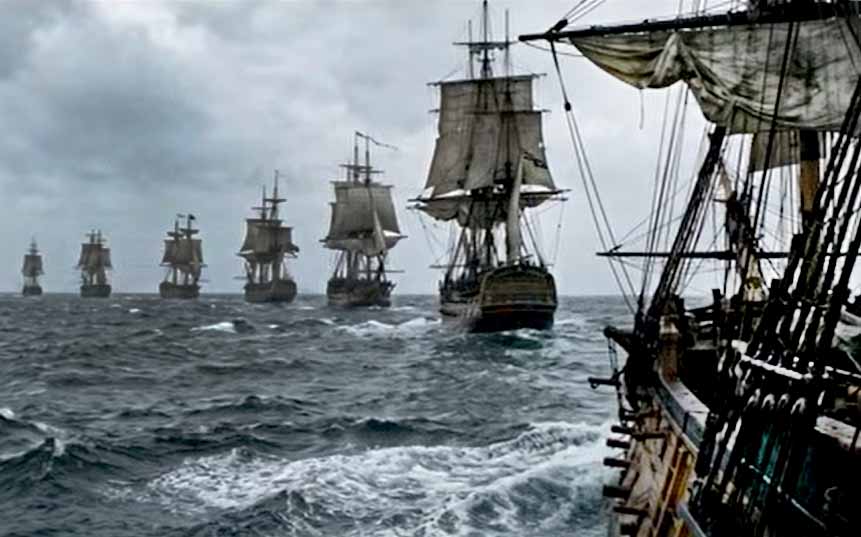
Then the winter felling on beds of branches, the oxen teams and mast roads, the mast ships with ports in their sterns, and the mast ponds where trunks were stored under water so they would not split. Then the Revolutionary War cut off the supply.

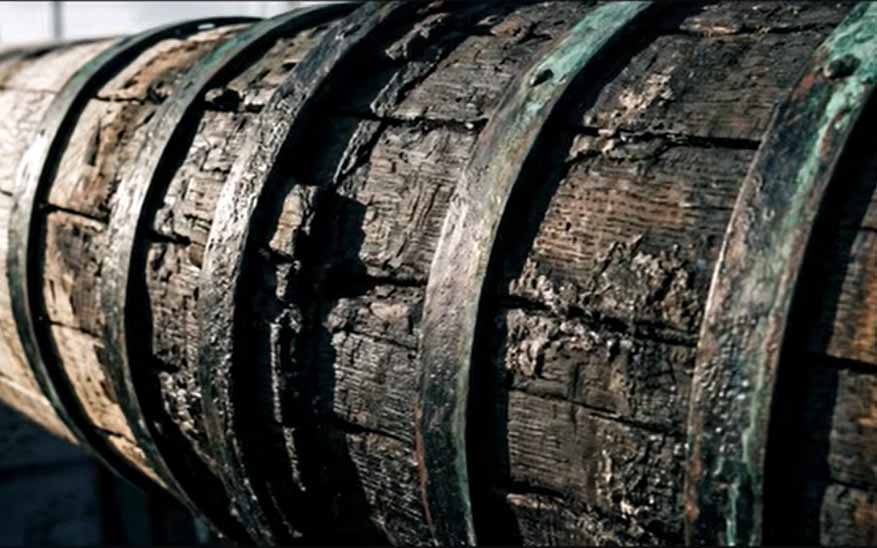
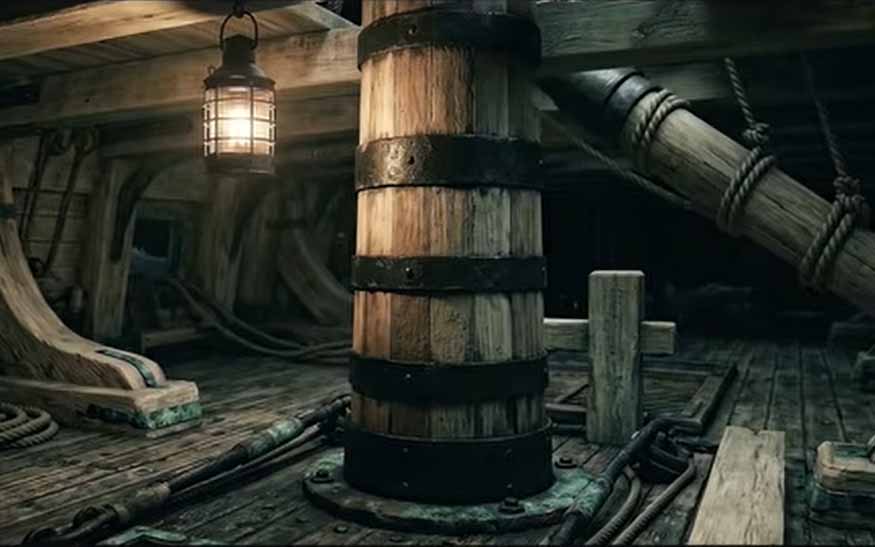
What the loss meant for the naval fleet, how the dockyards built “made masts” from many pieces bound with iron, and how masts were nursed at sea once they were sprung, was covered in the video.