

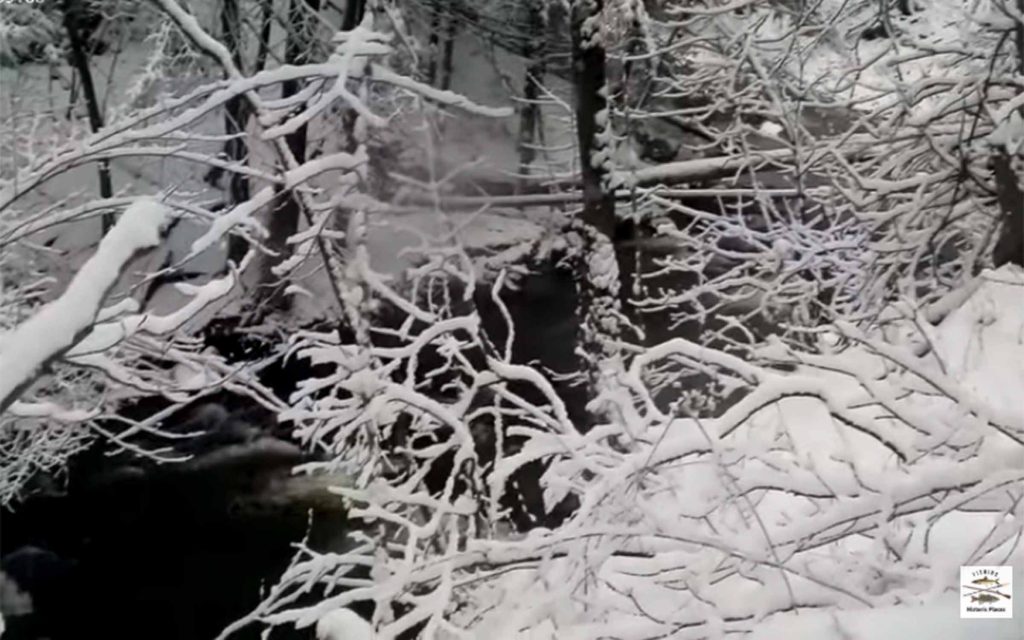
November of 1675 in New England was very different from that unforgettable November of 1621 which brought the tiny and struggling band of English colonists of Plymouth together with the Pokanoket for the event immortalized as the first American Thanksgiving. November of 1675 was a month when both sides realized that the war they had waged against one another had brought them face to face with New England winter, unprepared. Join Stan Svec as he explores the events of this traditionally celebratory month, but which, in reality, had in 1675 transformed into one of trepidation and turmoil. Click here for a 16-minute video posted on November 27, 2025 by Fishing Historic Places.
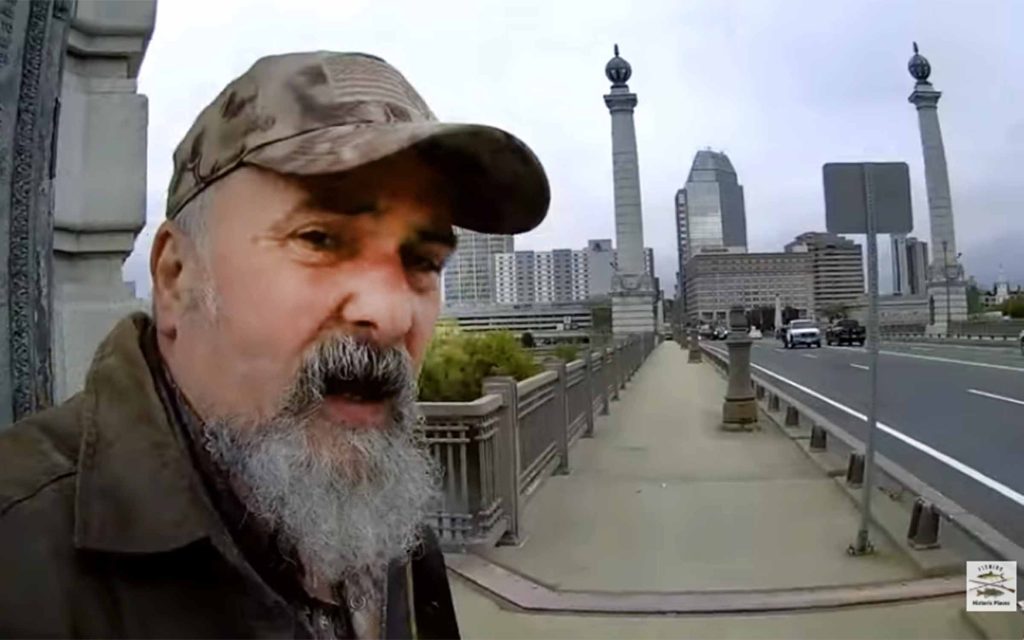
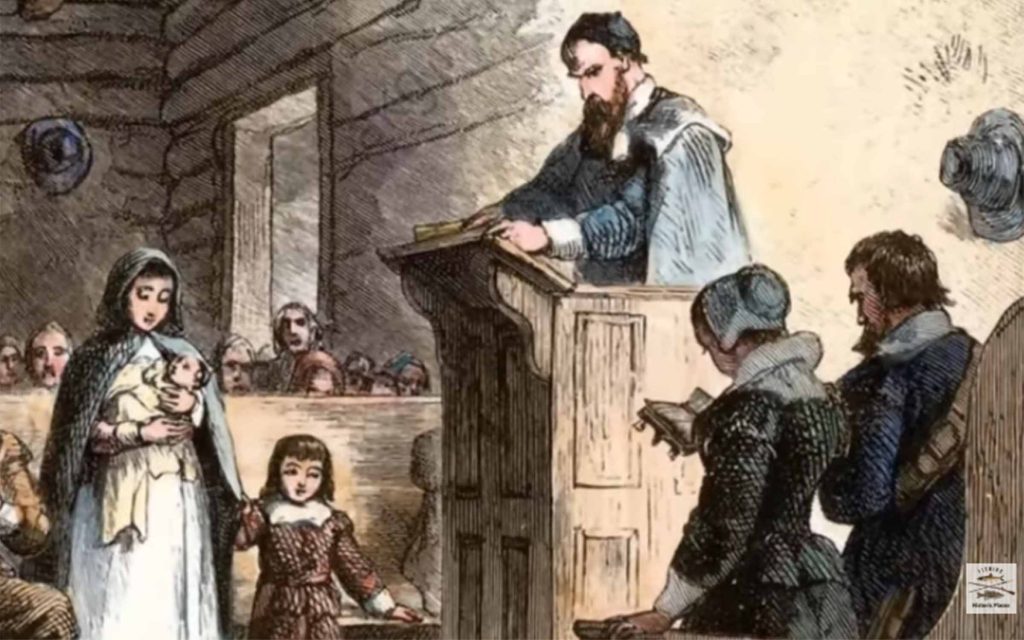
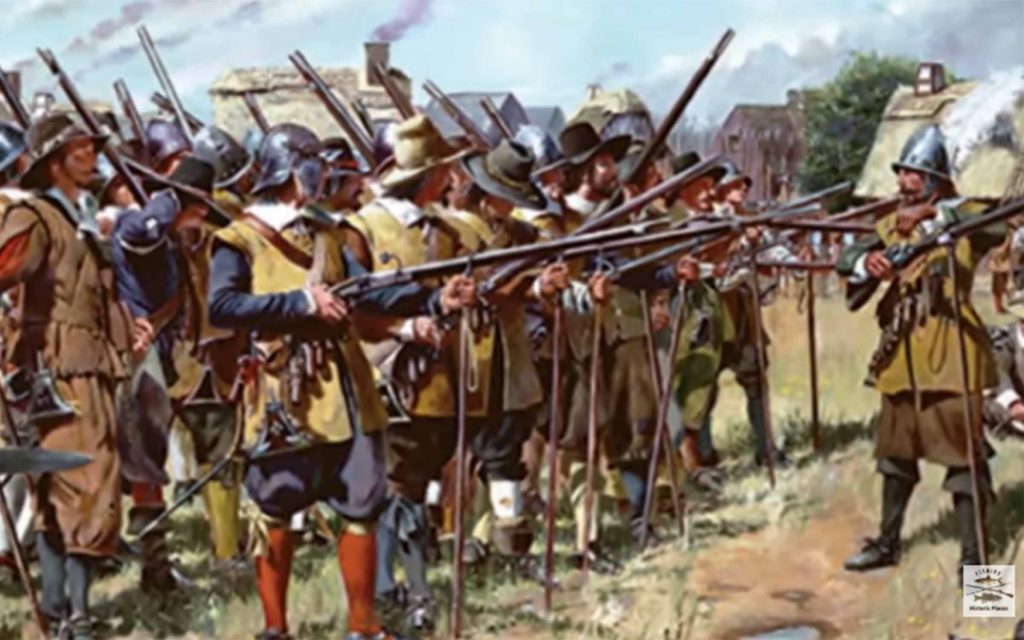
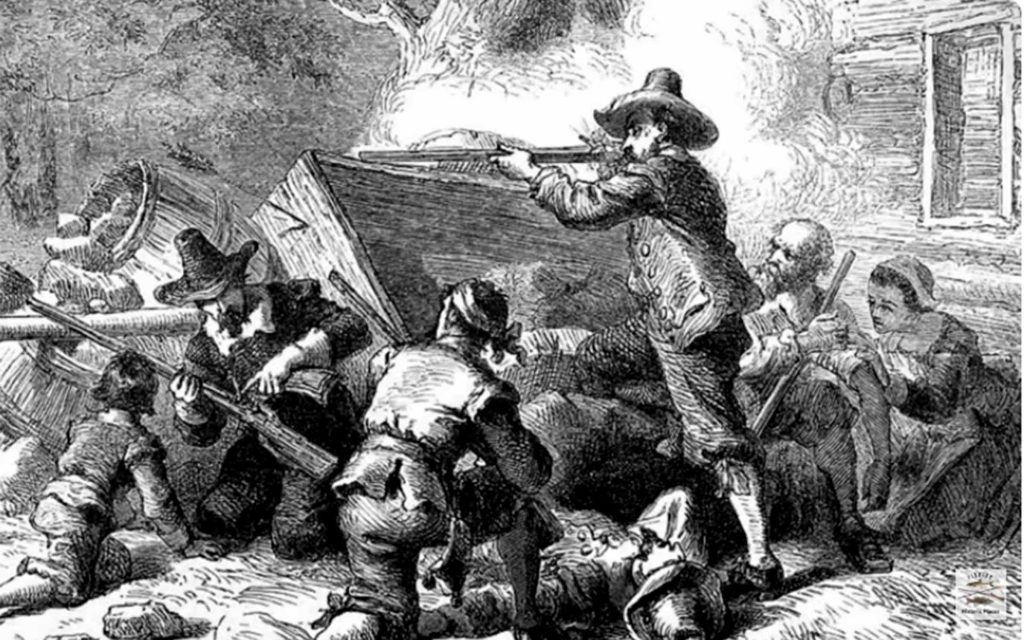
(Above, left) Svec stands on the Memorial Bridge in Springfield, MA looking at the site where only three garrison houses remained after the burning of the City on October 5th, 1675. (Above, center) Days of humiliation abounded in the various communities with ministers banging the table and talking about the dangers of friery and vanity having afflicted the colonists, visiting God’s dreadful judgments down upon them in the form of the Native people’s attacks. (Above, right) Commander-in-Chief of the militia, Samuel Appleton, allocated 30 men to Northampton, another 30 to Westfield, and another 35 to Hatfield to protect the region.
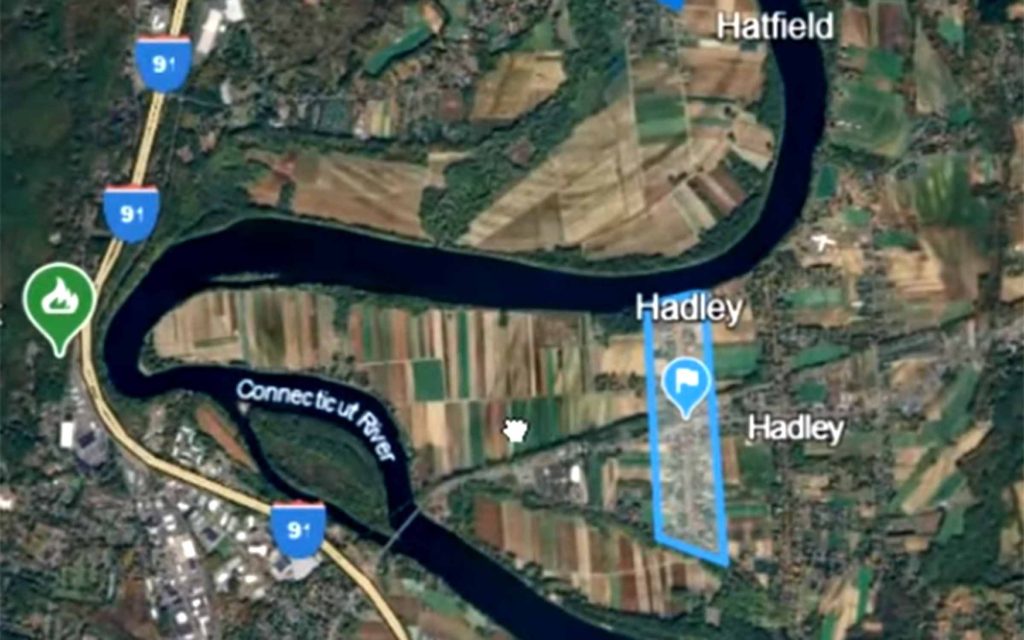
(Above, left) The great westward curve of the Connecticut River on its journey to the sea created a peninsula created that offered a perfect site to build a Native style stockade. With impending winter weather, preparations to defend against Native attacks began.
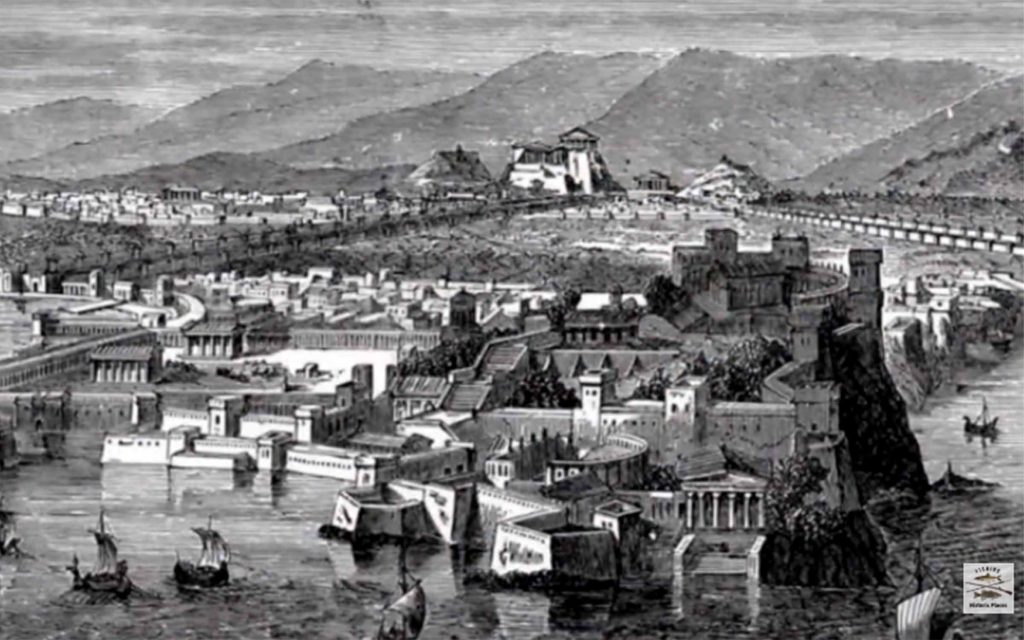
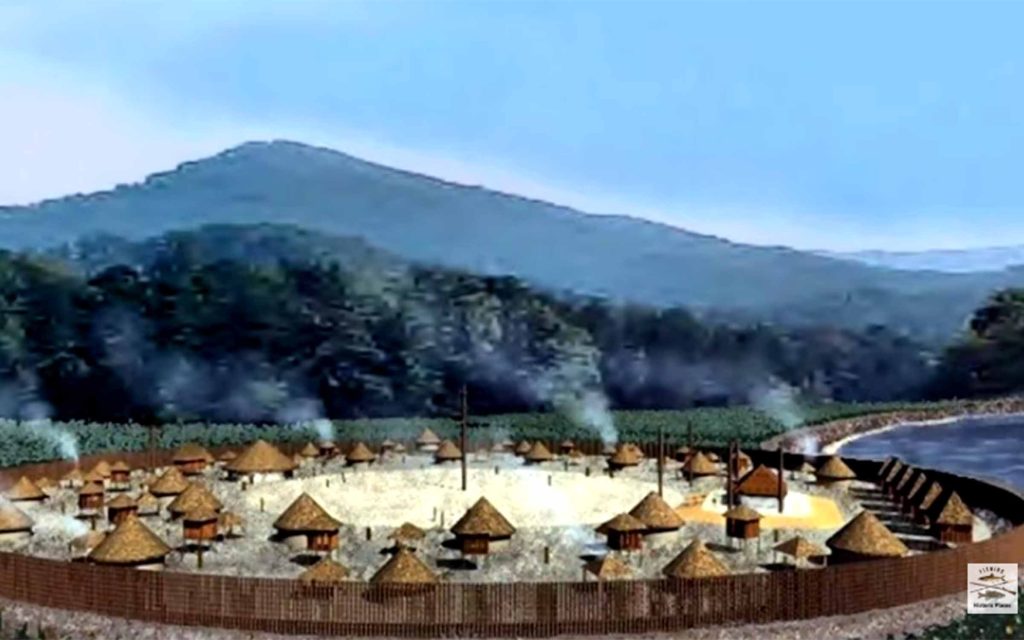
Similar to the long walls of Athens (above, left), mile long walls were built at Hadley to quarter all of the troops while Natives gathered in protected garrisons of their own (above, center) along the Connecticut River. Many of the mills that the English needed to grind their corn were burned by the Natives by the end of 1675, reducing access to food.