

In this deep dive into 17th-century New England history, uncover the untold history of a war that shaped the American identity and left a lasting impact on New England genealogy. Understanding the historical facts of King Philip’s War is essential for tracing one’s ancestors’ lost stories. Historical novelist Eric Ostroff explores the rise of Metacom, the tragic murder of John Sassamon, and the “dark history” of the Great Swamp Fight that changed the landscape of the Northeast forever. Click here for a 22-minute presentation posted on April 7, 2026 by Trace Your New England Roots. (Images are AI generated)
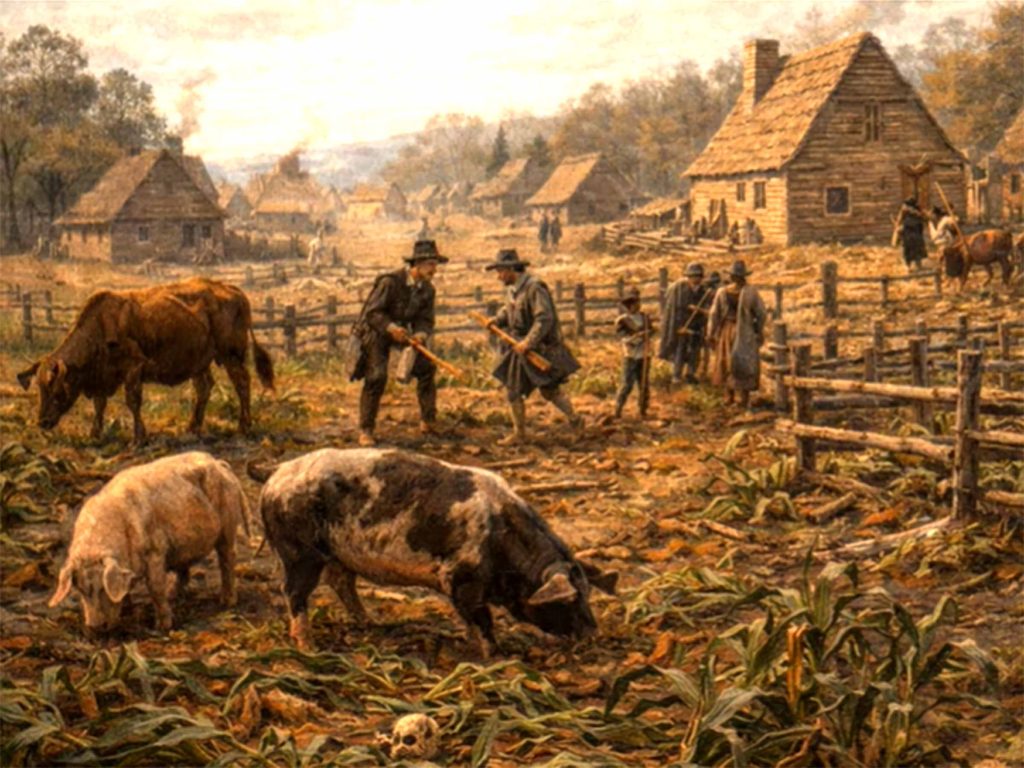
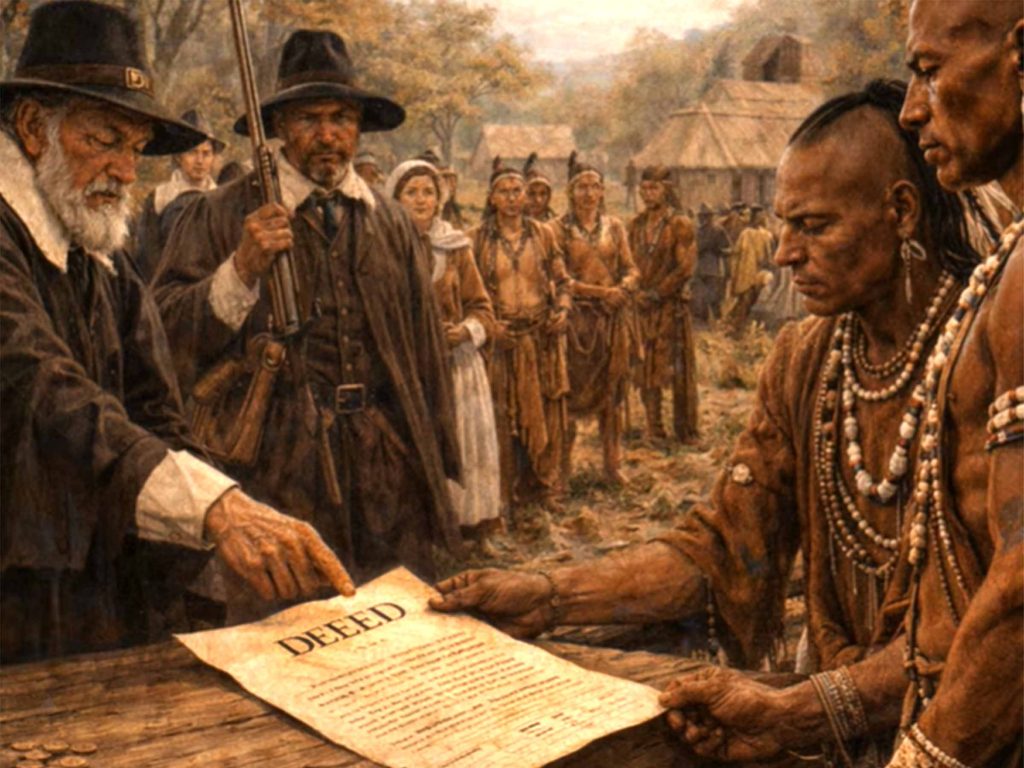
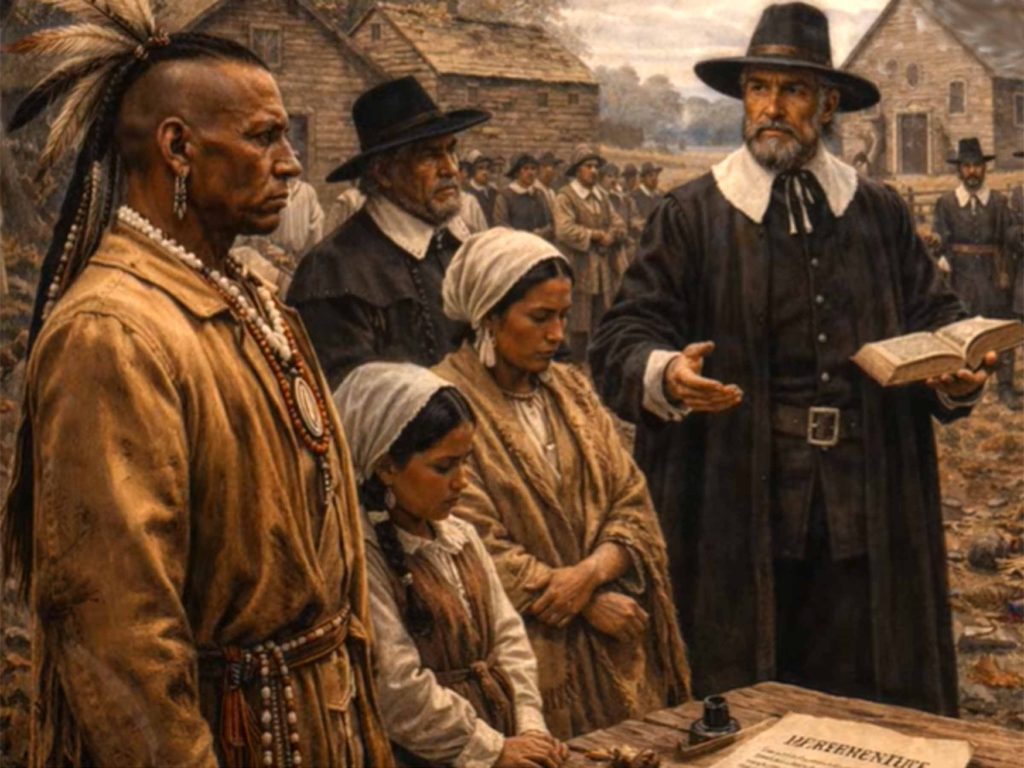
Over the forty years of relative peace between the English in Plymouth Colony, settlers’ livestock increasingly trampled on Indigenous crops, land deeds were unfairly written, and Christian ministers sought to convert Natives to get them to give up their culture.
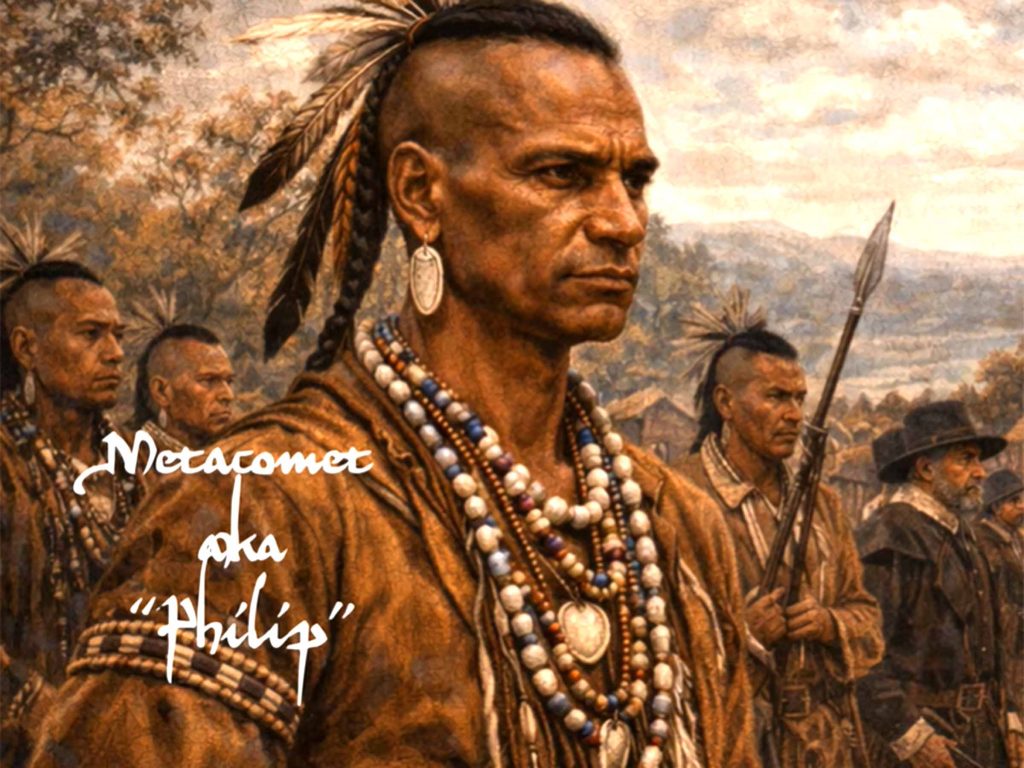
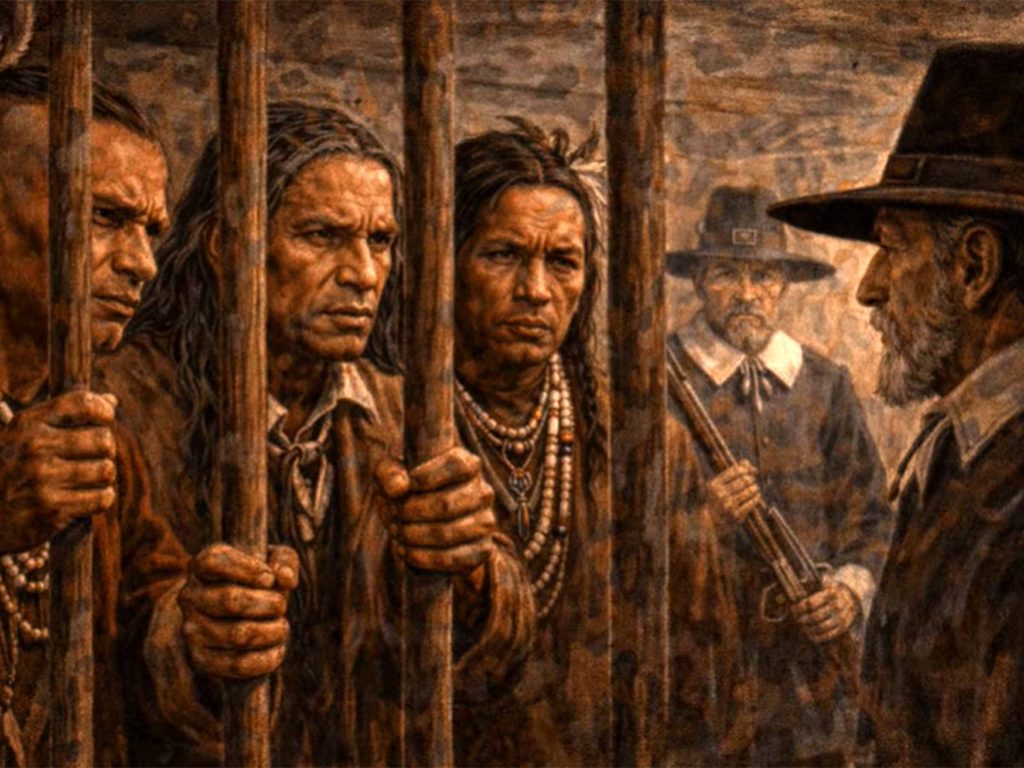
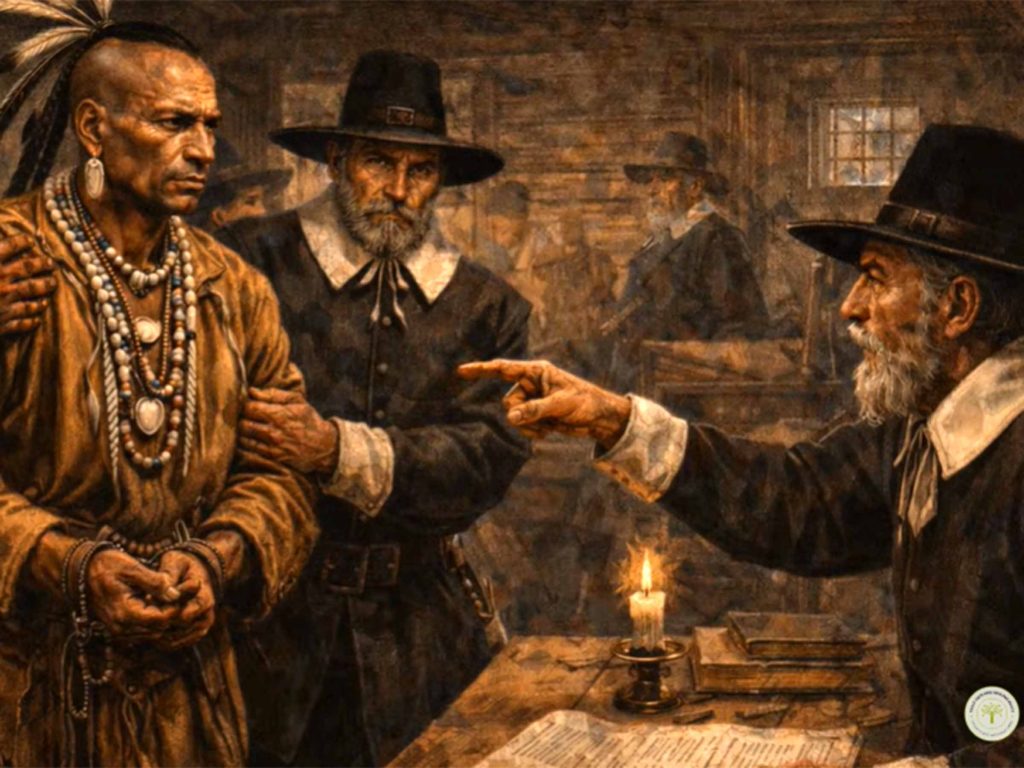
In 1675, the Massasoit Ousamequin’s younger son, Metacomet who was called King Philip by the English, railed against the trial and execution of three of his tribe members after he was ordered to give up his weapons.
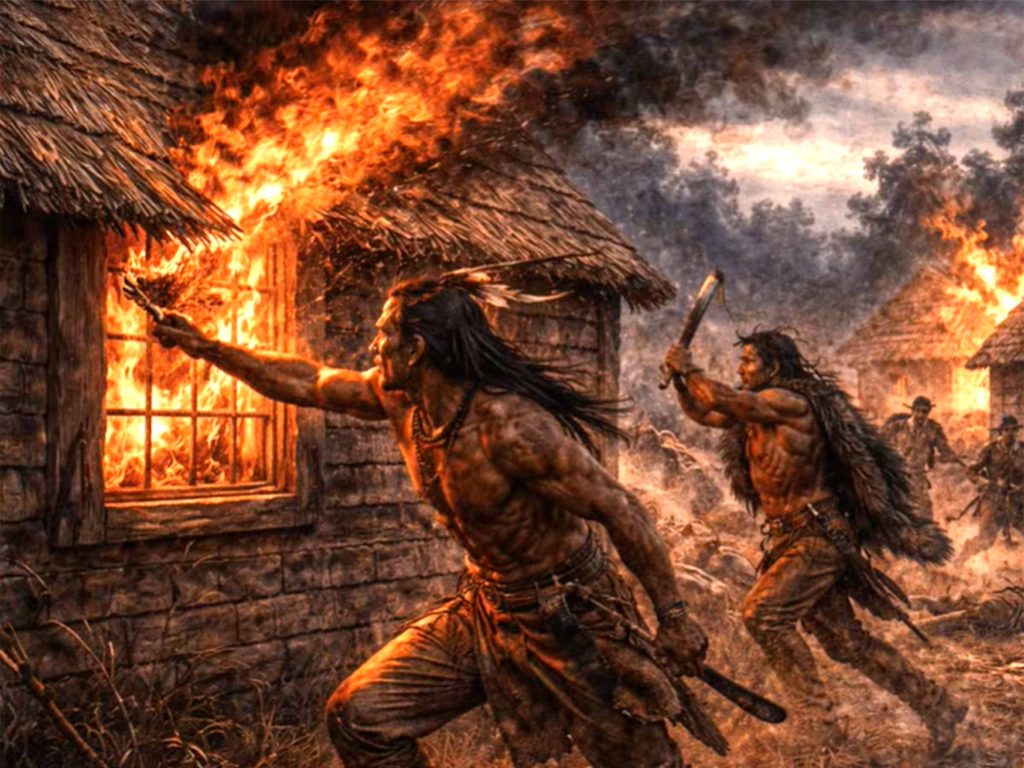
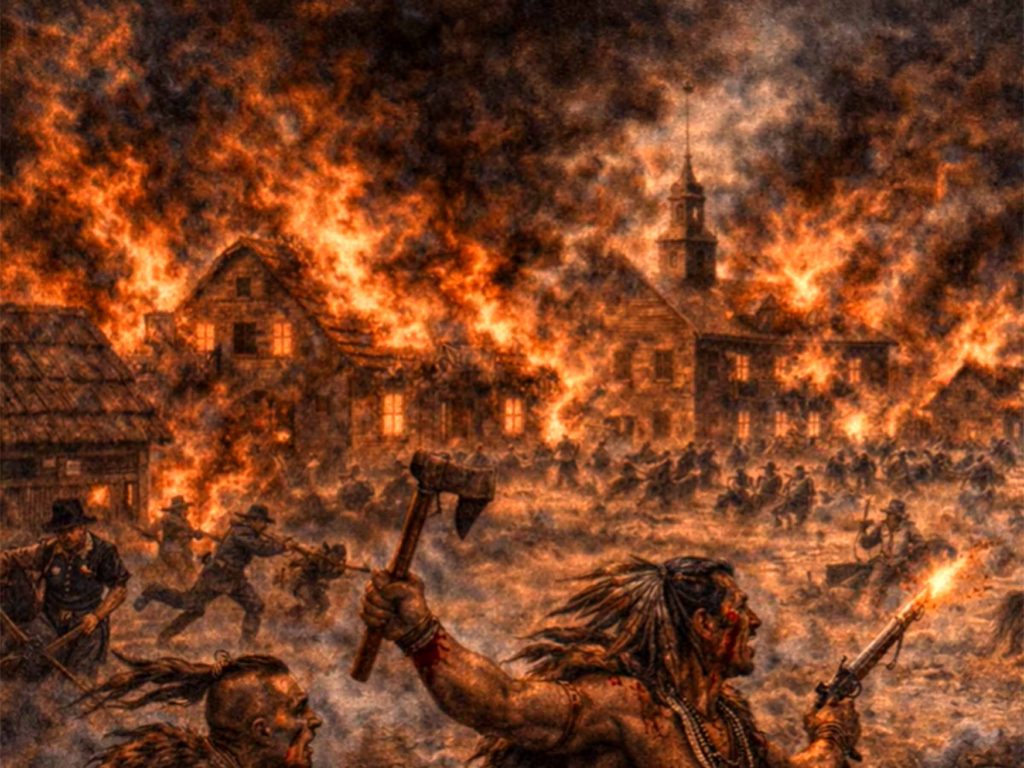
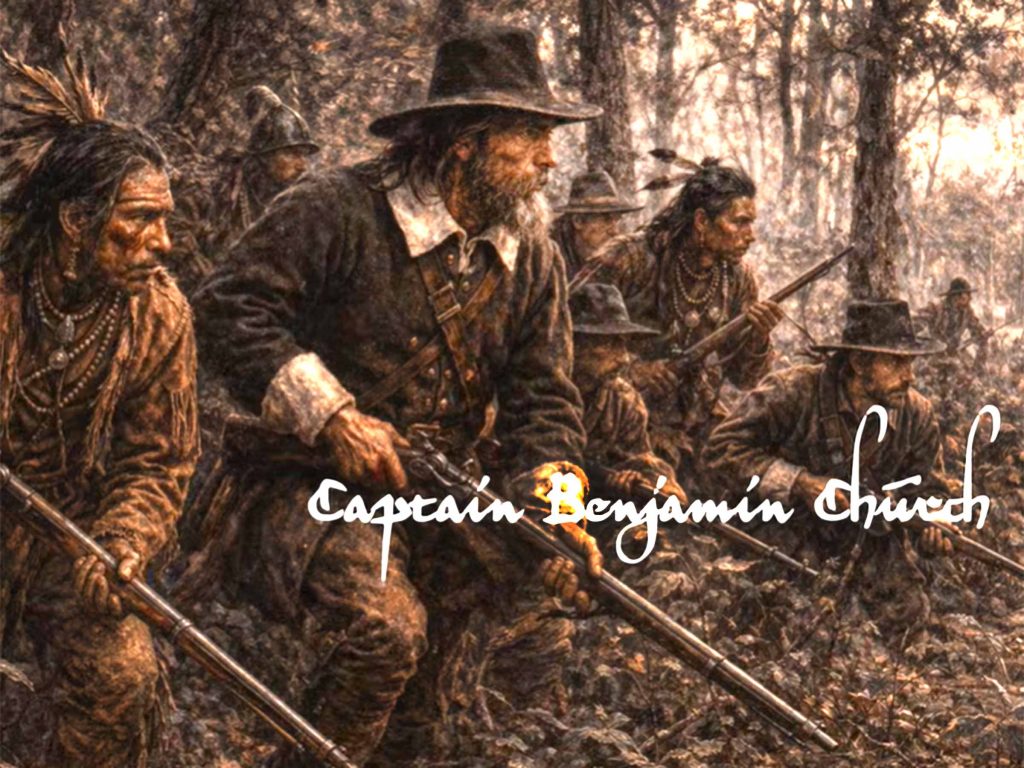
In June, 1675, Pokanoket Warriors attacked the town of Swansea and then over 20 English towns over the next 14 months. Philip was finally killed at Mt. Hope by Native John Alderman under the leadership of Benjamin Church, thus ending the War.