

In March 1676, a group of men set out to suppress a regional uprising, believing they were hunters in a dangerous landscape. This episode examines the historical reality of these colonial soldiers: not a professional army, but local farmers and tradesmen facing an unforgiving environment. By analyzing the accounts of this event, we look at the gap between the soldiers’ confidence and the brutal outcome they faced. Understanding the context of New England history helps clarify how these ordinary men became the subject of a lasting local legend. Click here for a 34-minute video presentation posted on September 30, 2026 by Eric Ostroff of Trace Your New England Roots.
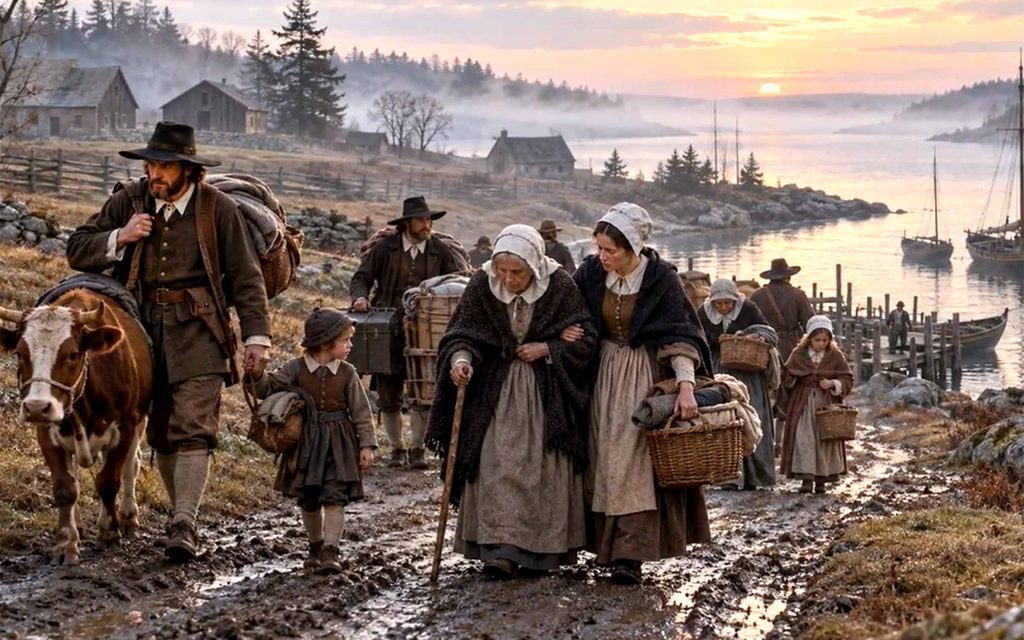
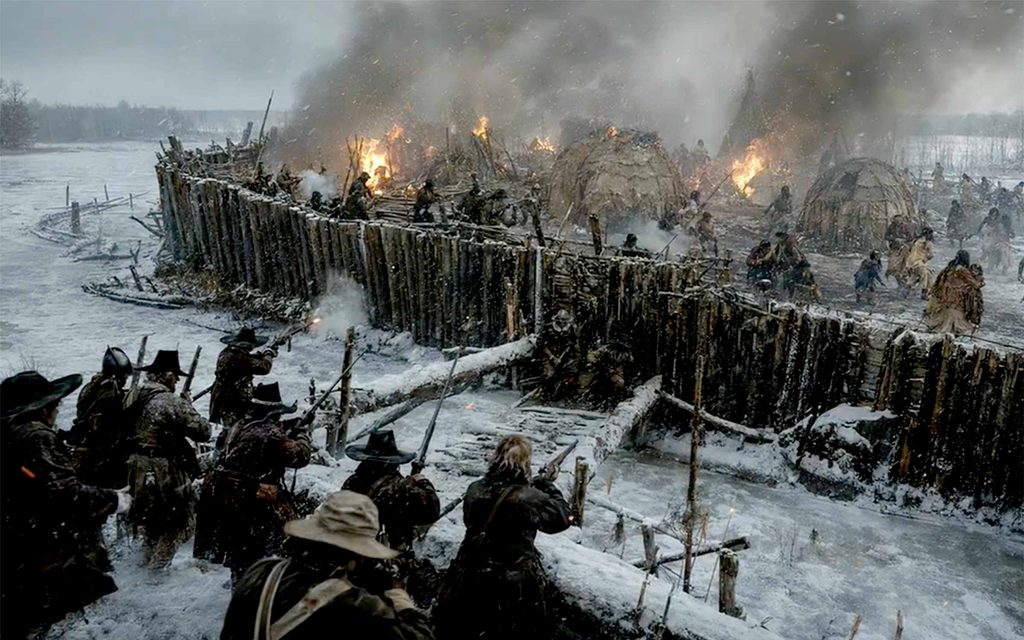

(Above) With the start of the conflict known as King Philip’s War in June, 1675 hundreds of colonial settlers were forced to leave their homes to seek shelter in other towns. In December, a force of 1,000 colonial soldiers attacked a Narragansett village in the Great Swamp of Southern Rhode Island and killed over 400 Native men, women and children. Native families were forced into the cold without shelter following the massacre.
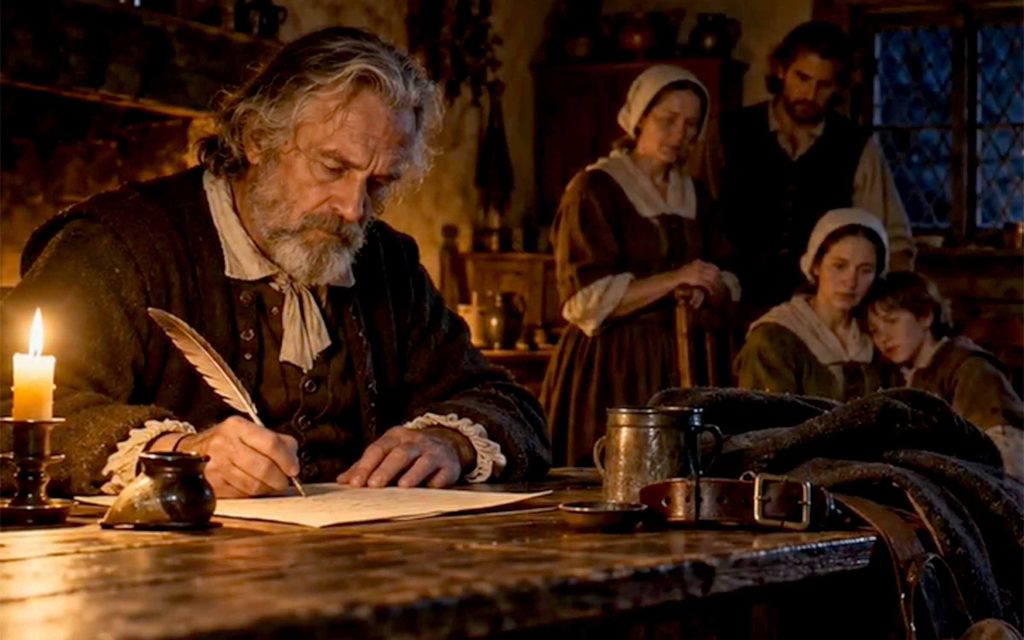
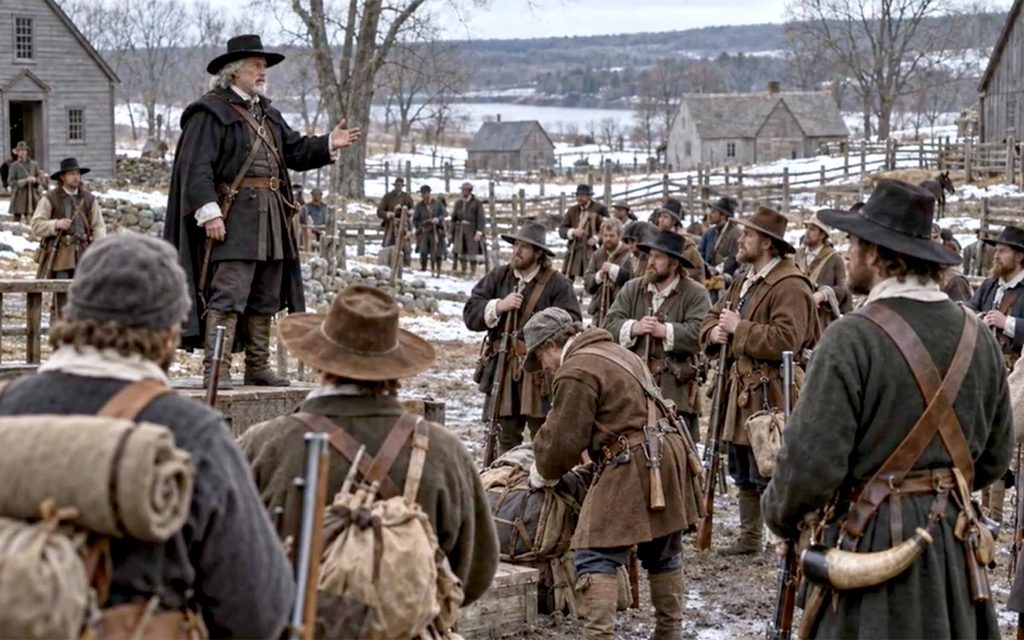
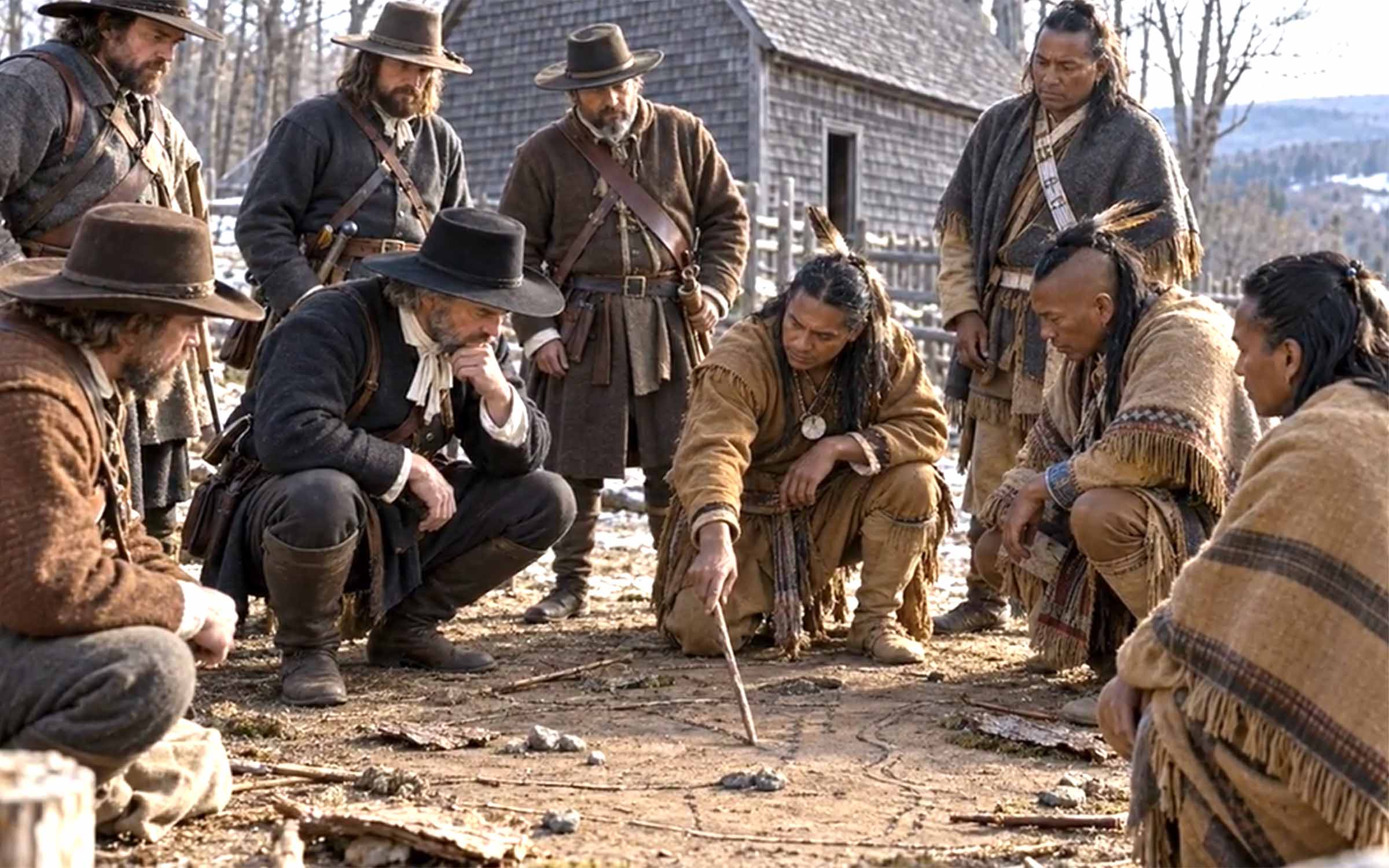
(Above) Captain Michael Pierce of Scituate, MA, was chosen to lead a force of 60 colonial men and 20 Indigenous allies from Rehoboth across the Blackstone River into today’s Central Falls, RI, where they were led into an ambush.
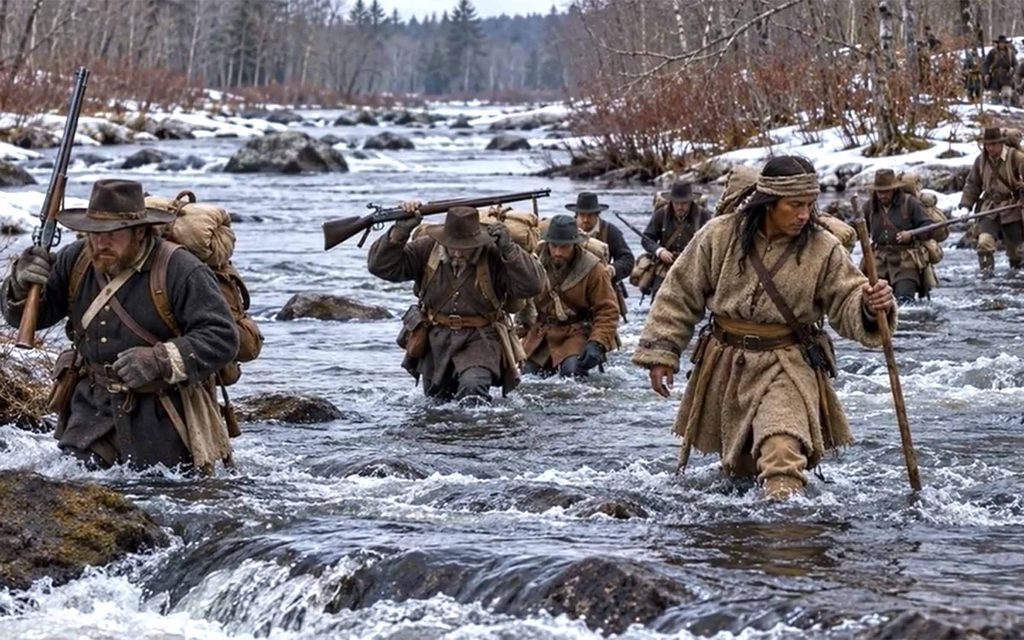
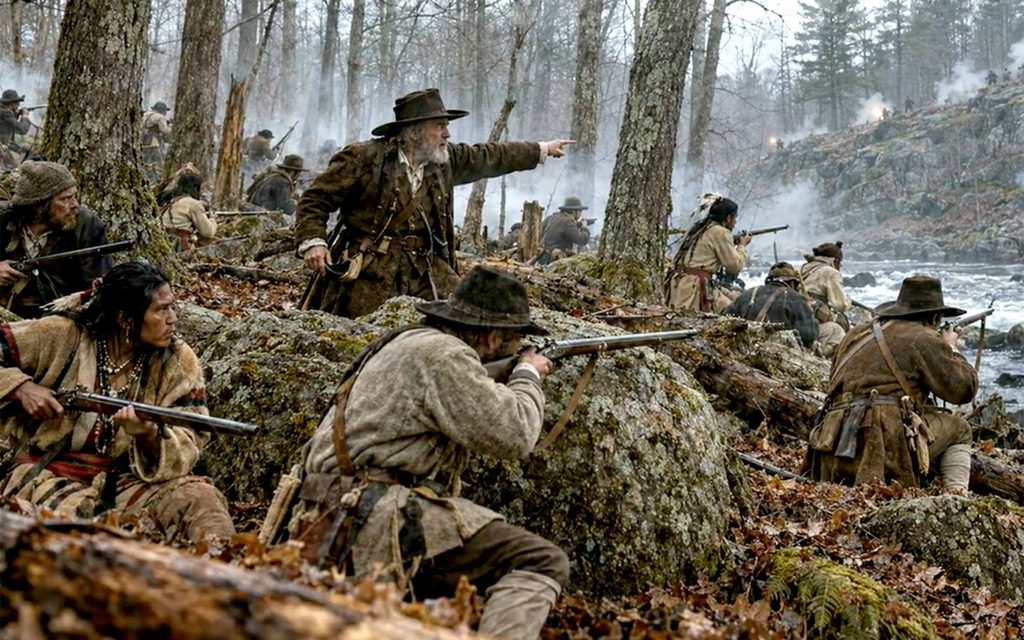
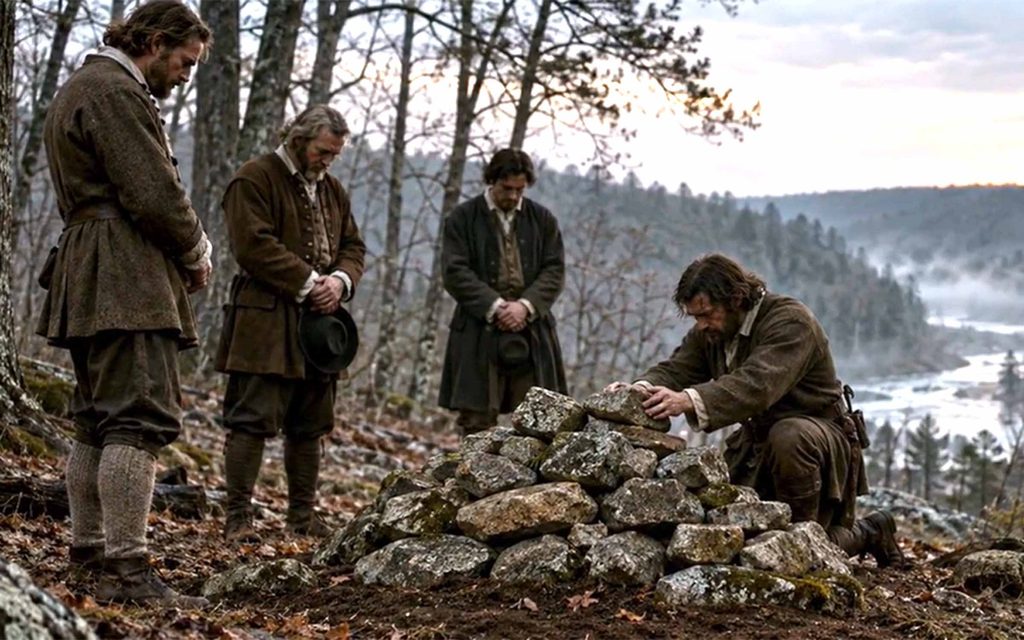
(Above) Trapped by the river, the colonists were attacked by a force of as many as 500 Native warriors led by Chief Canonchet in retaliation for the massacre at Great Swamp. Greatly outnumbered, over fifty colonists were killed, including nine men who managed to escape the battlefield but were later captured and tortured to death before being buried in a place that came to be known as “Nine Men’s Misery” that can still be found today in Cumberland, RI.