
By September 1675, King Philip’s War had reached the Connecticut River Valley towns in full force. After the August attacks at Brookfield and Northampton, it was clear that the Valley would be targeted but nothing could prepare the settlers of William Pynchon‘s towns for what the horrors the Autumn would hold. Click here for a 21-minute video by Historian Stan Svec posted on Fishing Historic Places describing what happened after the Battle of Brookfield in the Pioneer Valley.
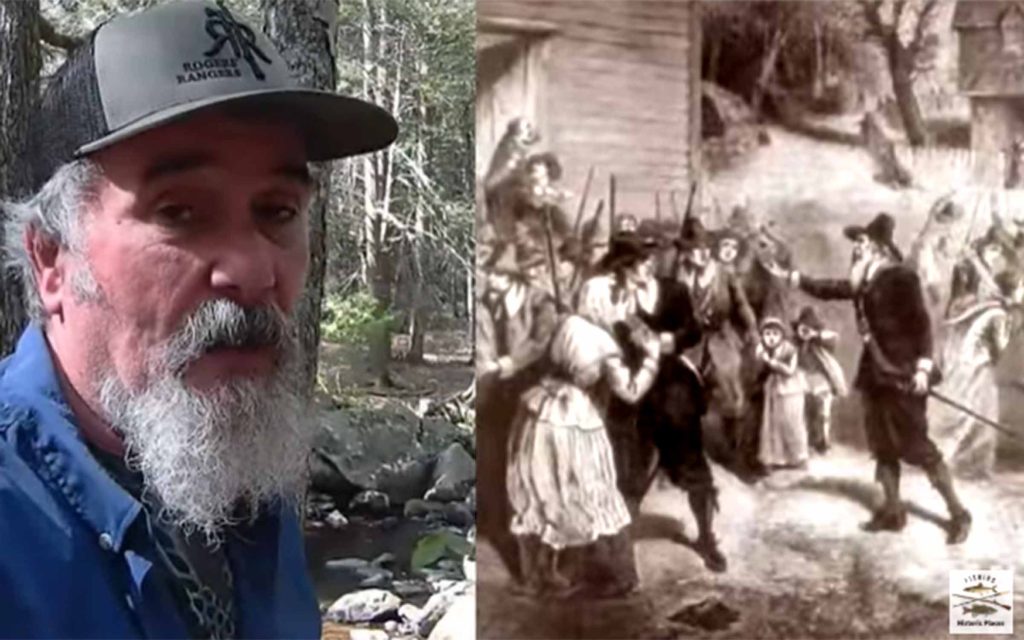
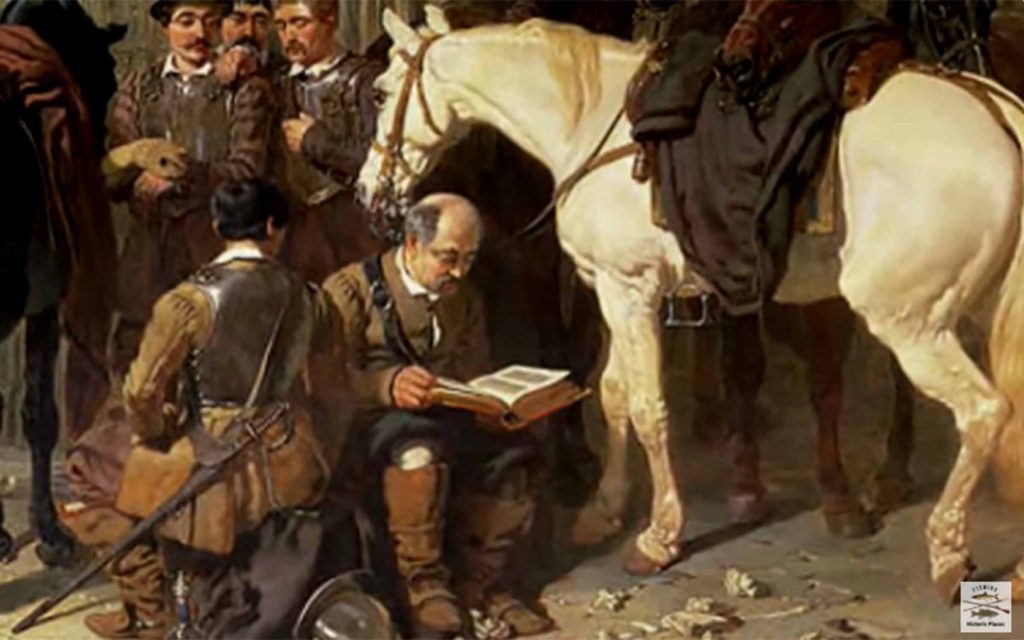
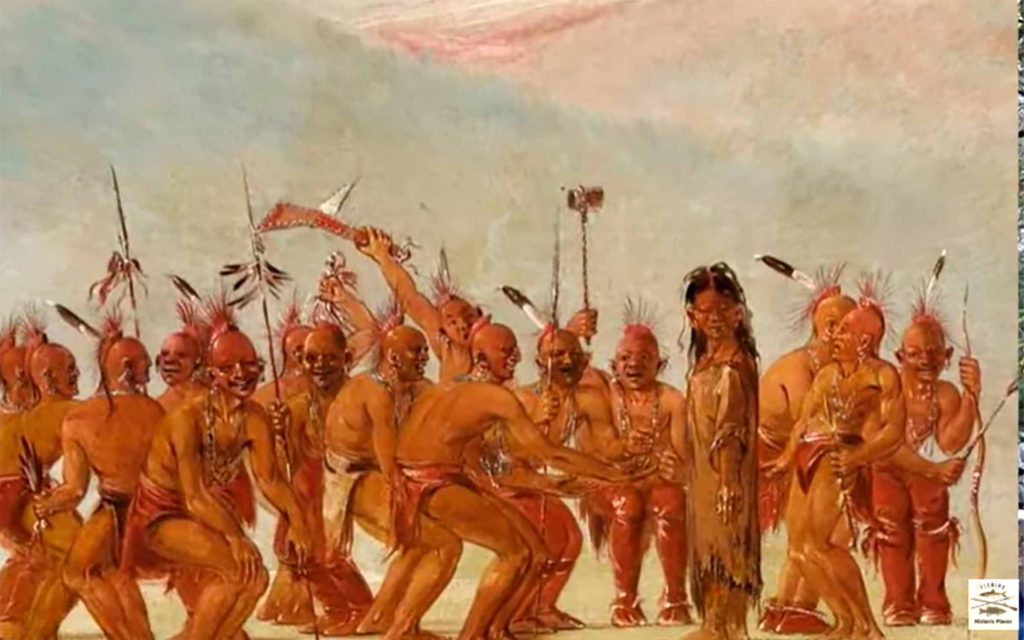
William Pynchon had attempted to create a cooperative set of towns, each neighboring a native community which would provide opportunities for the English in the fur trade. While the First Nations would receive limited protection against their warring neighbors (Mohawk, Mohegan, Abenaki) and the chance to acquire English goods, they had maintained cordial relations with the several river tribes during his time as leader of the broader community.
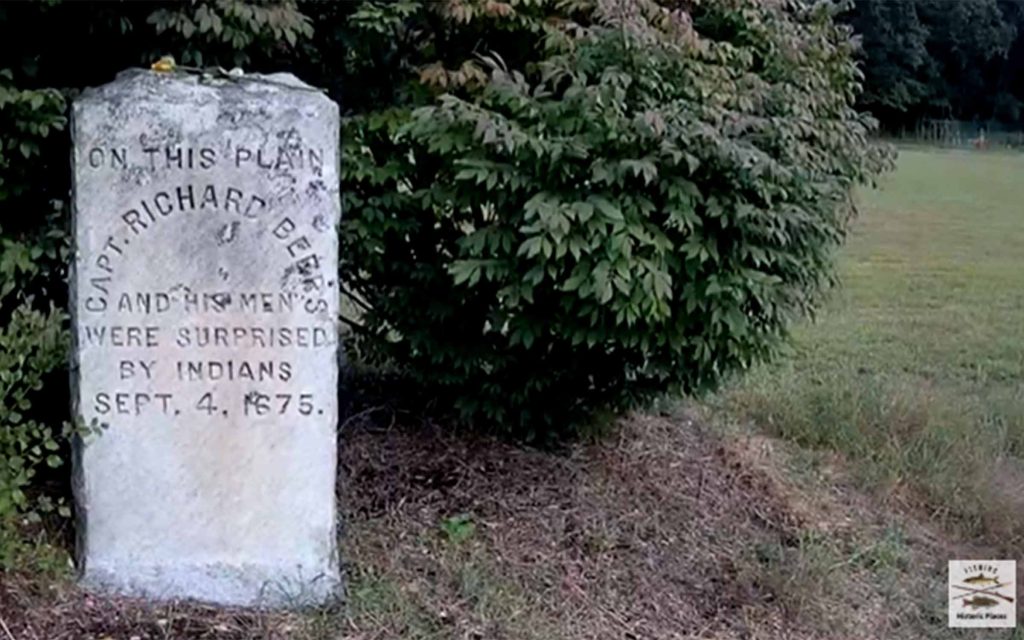
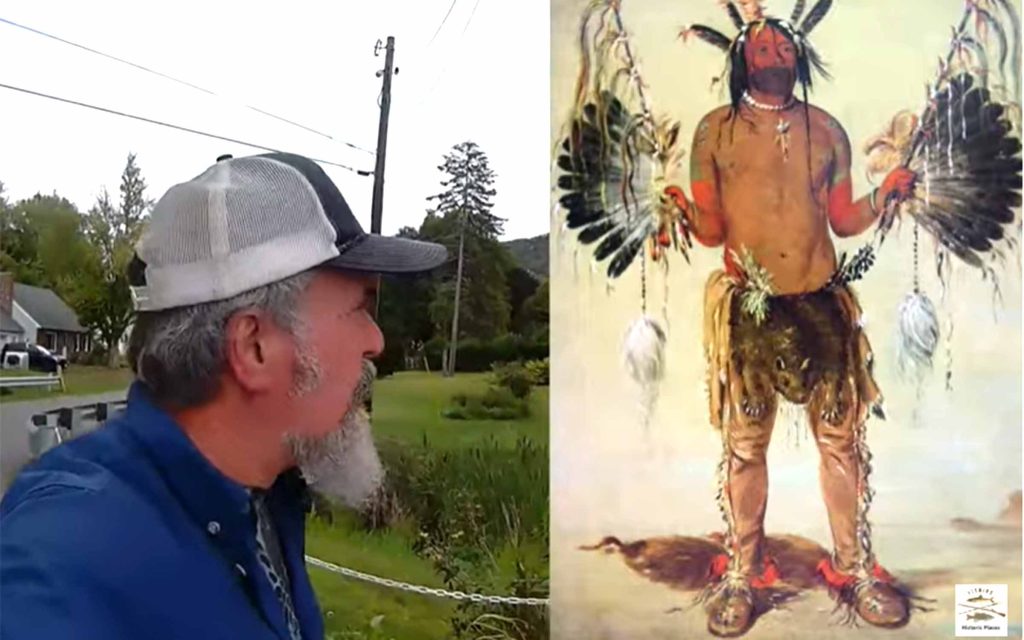
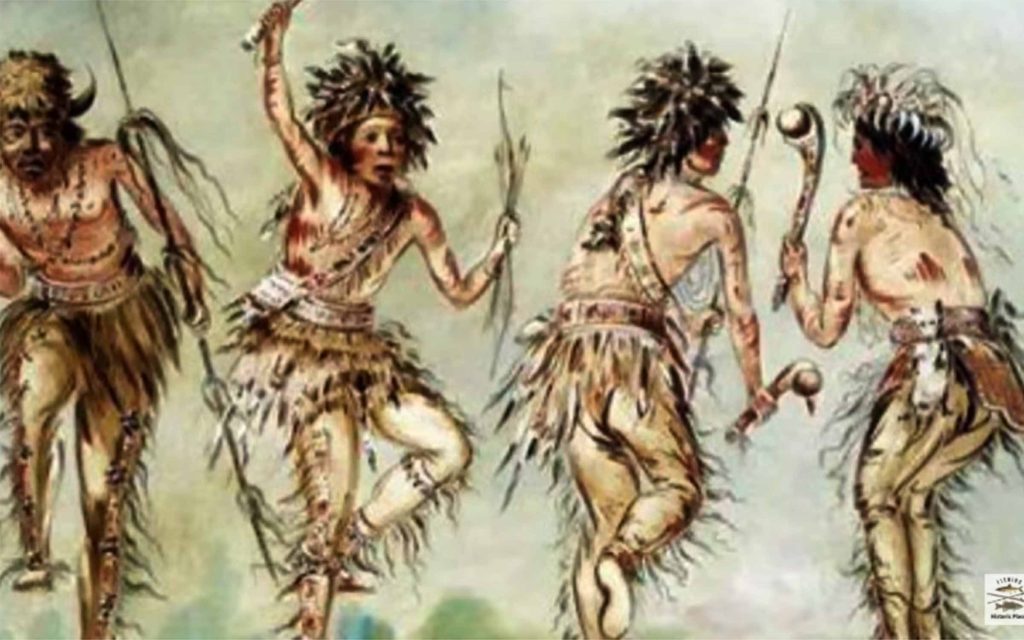
With his return to England Pynchon’s son John had done the same and as war came to Southern New England, all believed that their neighboring villagers were happy allies, who would never take up the tomahawk against them. How naive they were….

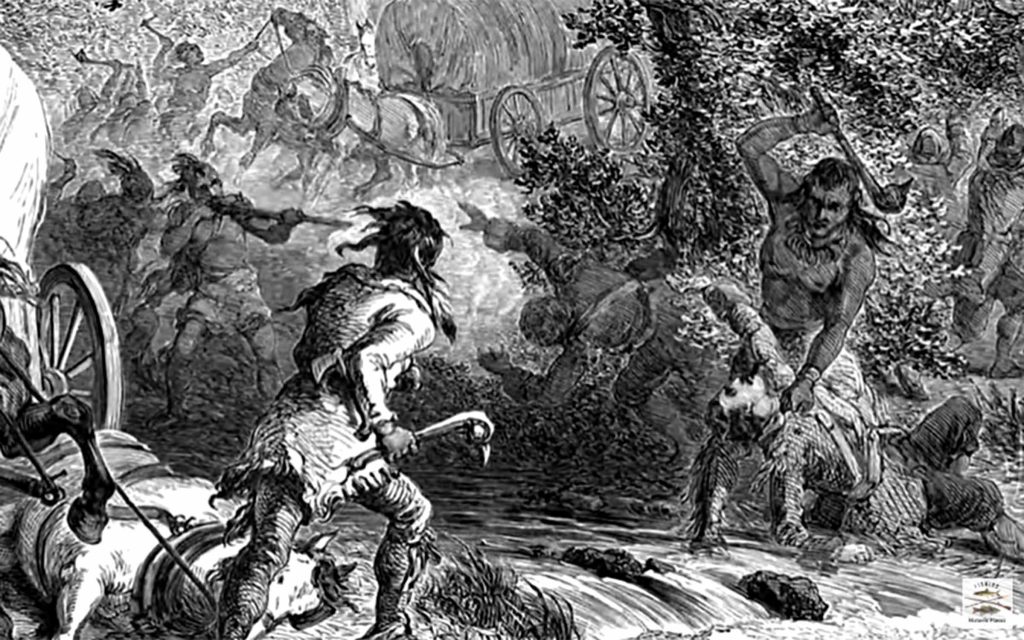
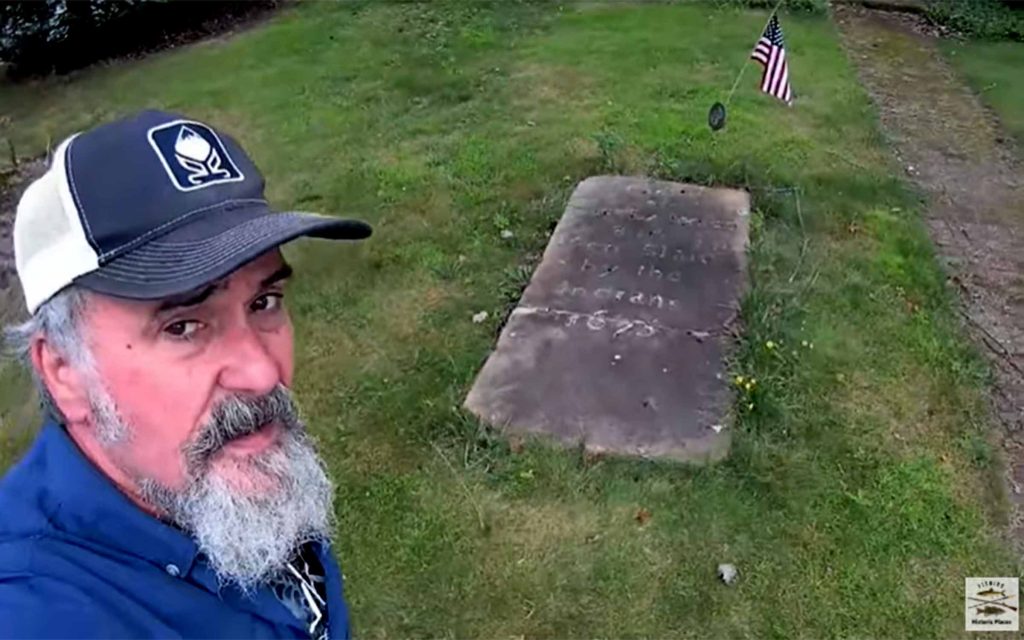
In the Battle of Bloody Brook, the English troops were distracted by the wild grapes that were ripening along the stream when hundreds of Native warriors led by Muttawmp descended on them. (Above, right) Svec stands beside the stone that marks the mass grave were dozens of English soldiers were buried.