
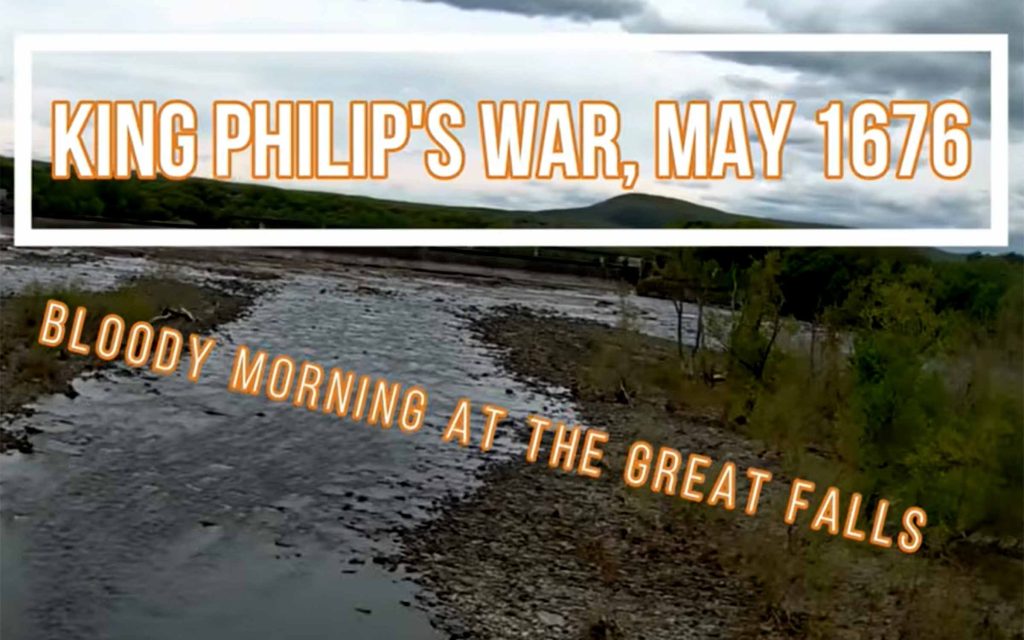
Across Southern New England, the confederate tribes led by Metacom (King Philip) are in the ascendancy, with dozens of English towns across the United Colonies under a near state of siege, abandoned and in smoking ruins or badly damaged. Hundreds of colonists were dead and Connecticut was engaged in their own peace talks with Philip. Never again will First Nations Tribes be so close to a total victory and yet there are problems. In early April the great War Sachem of the Narragansett, Canonchet, was captured and executed in Stonington, Connecticut. Philip’s greatest ally and strategist now gone and while many native people have made it through the traditional “Starving Time” of March, the Tribes need the great fish runs of New England’s coastal rivers to replenish their abilities to fight with the calories they provide. Click here for a 26-minute video about the Massacre by historian Stan Svec posted on Fishing Historic Places on May 29, 2026.
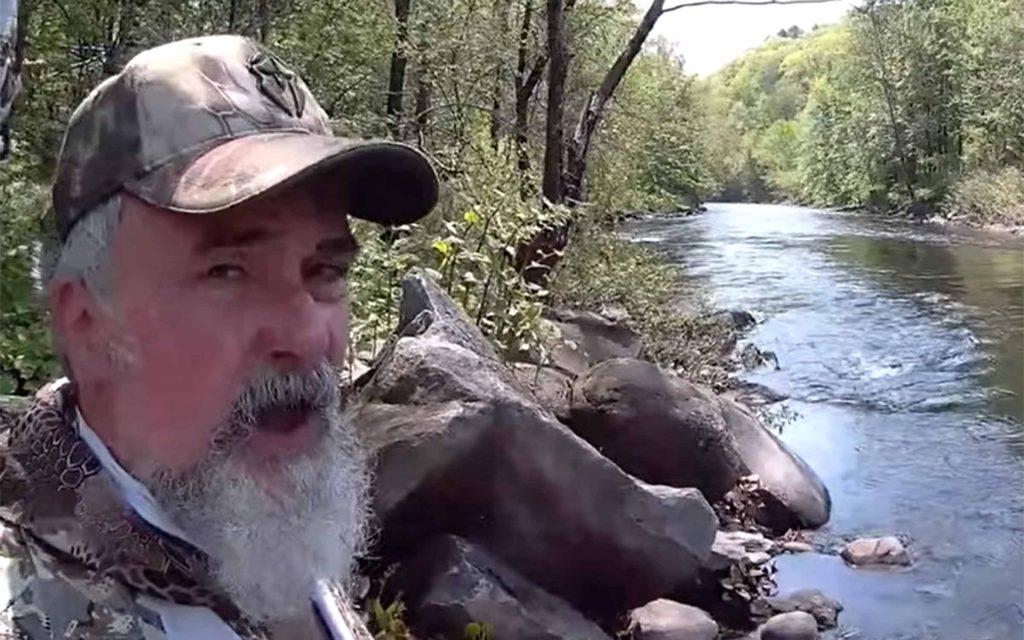
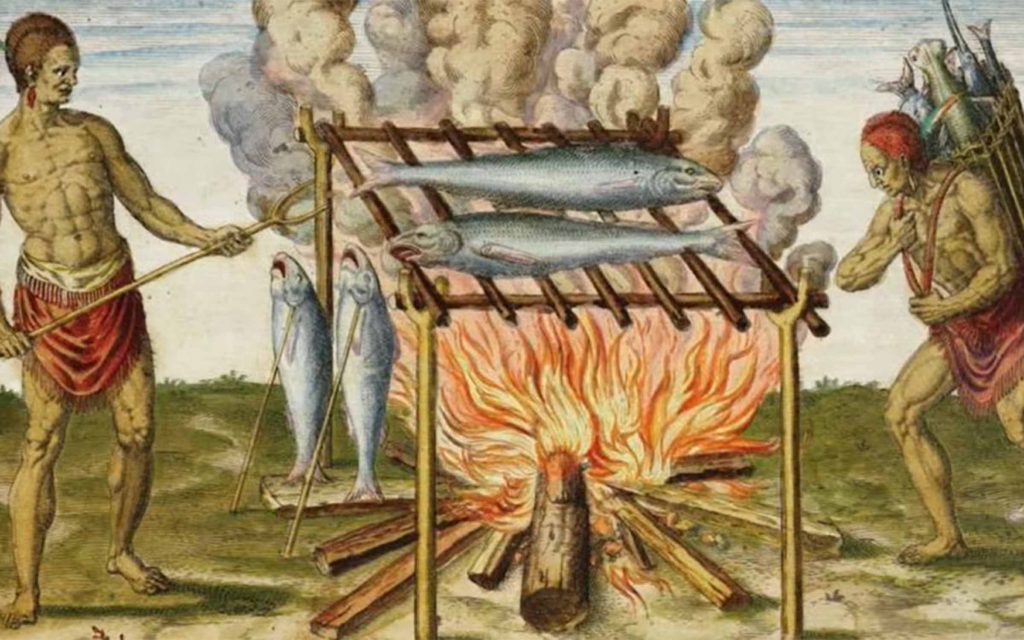
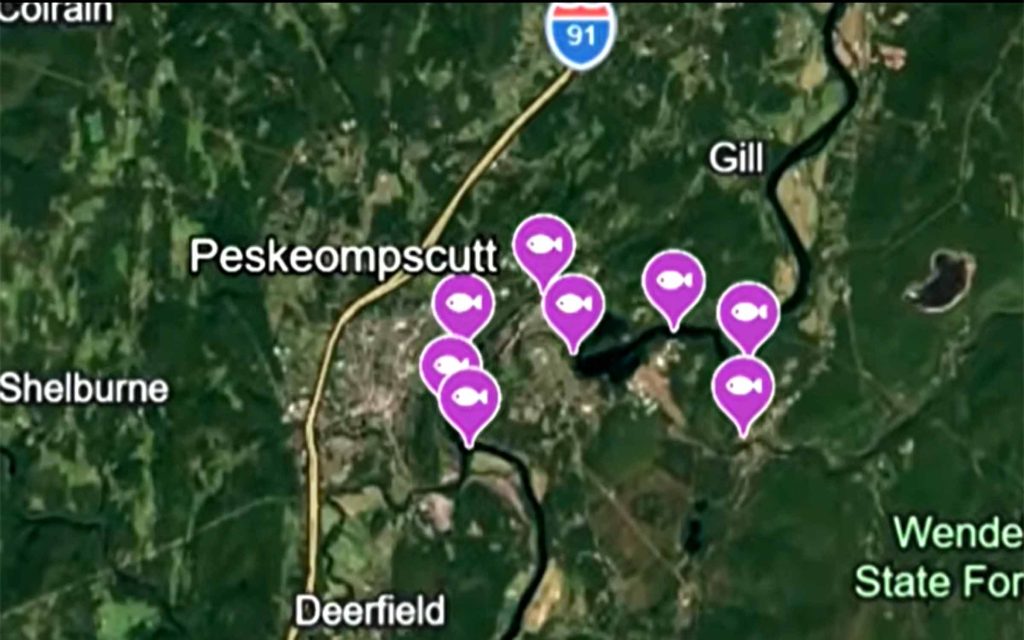
(Above, left) Svec reports that the concentrated tribes had settle down to fish north of Hatfield on the Connecticut River’s great waterfall, called by the First Nations Peskeompscutt. This fishing created an opportunity for Indigenous people of the Connecticut Valley, maybe the most hard hit of all the regions of Southern New England by the War, to replenish their food supplies.
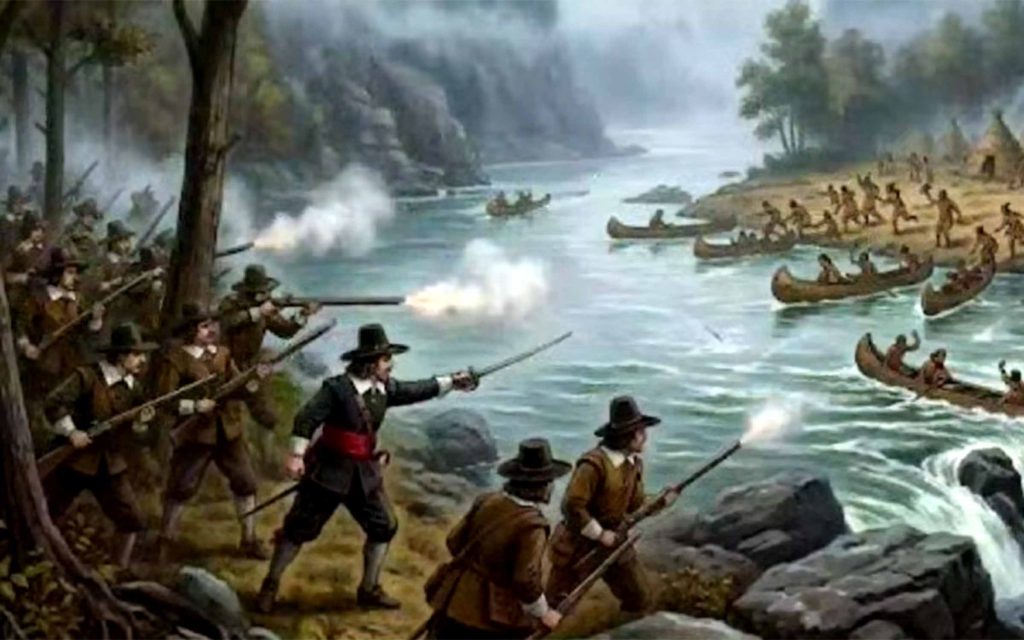
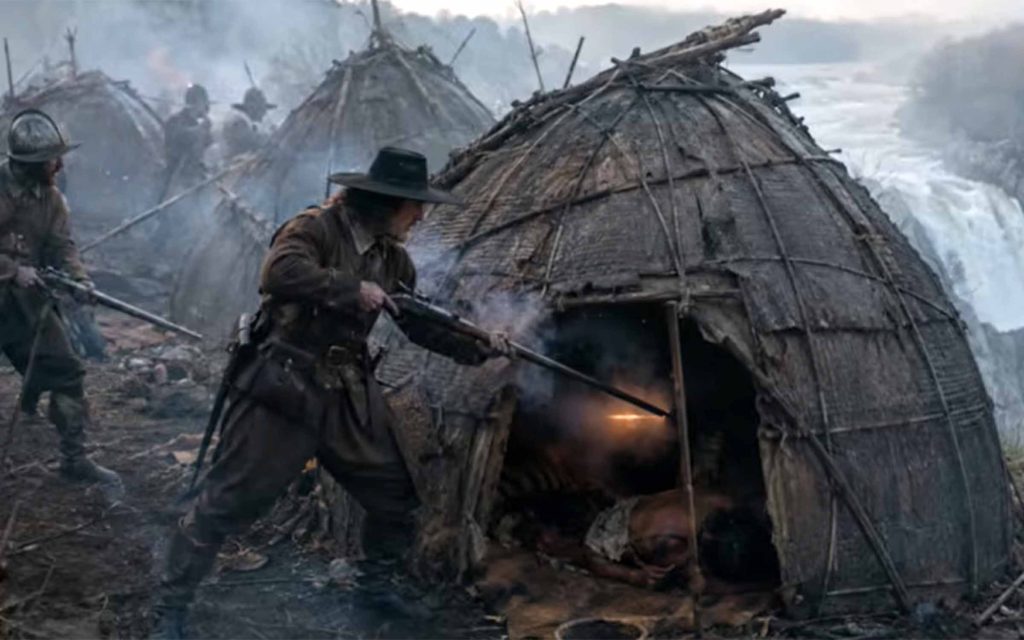
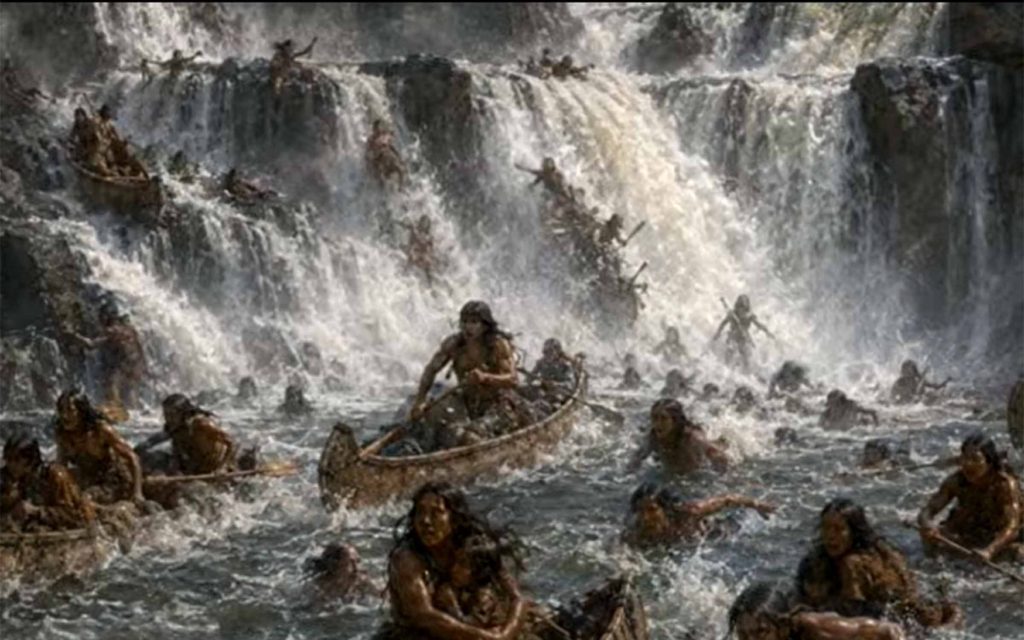
On May 19, 1676, colonial militia attacked their haven in retaliation for assaults on English settlements earlier in the war. Captain William Turner‘s men attacked before dawn, slaughtering men, women and children sleeping in their wetus along the river’s edge. Many died as they plunged into the river above the falls.
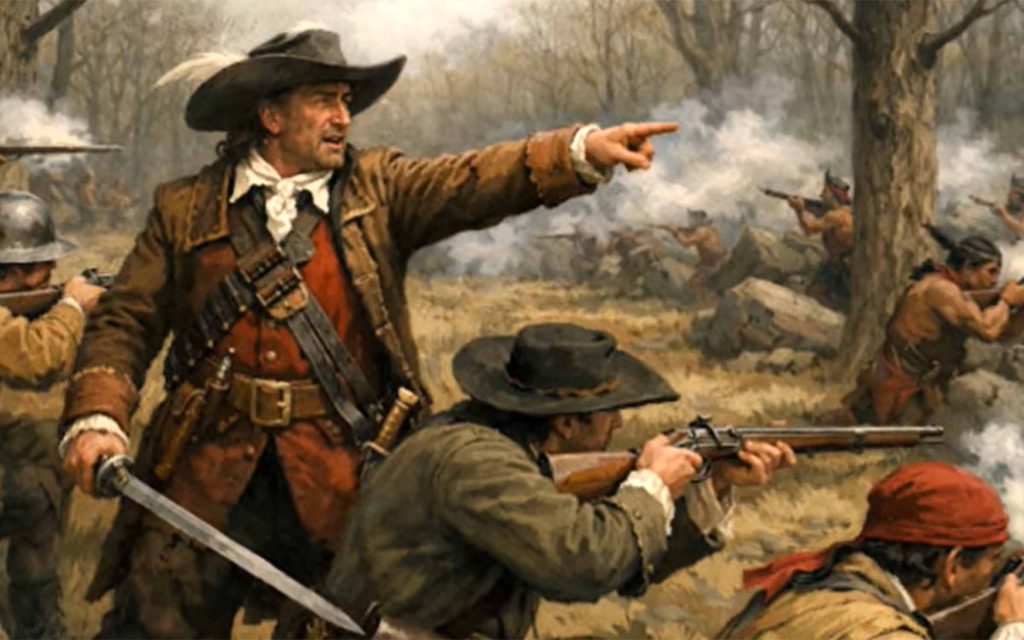
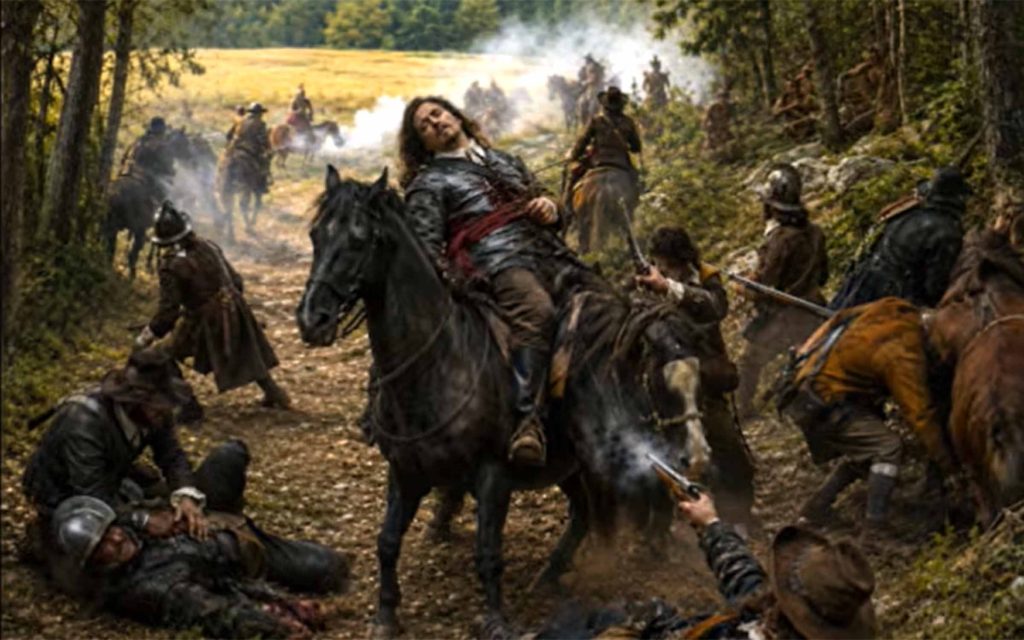
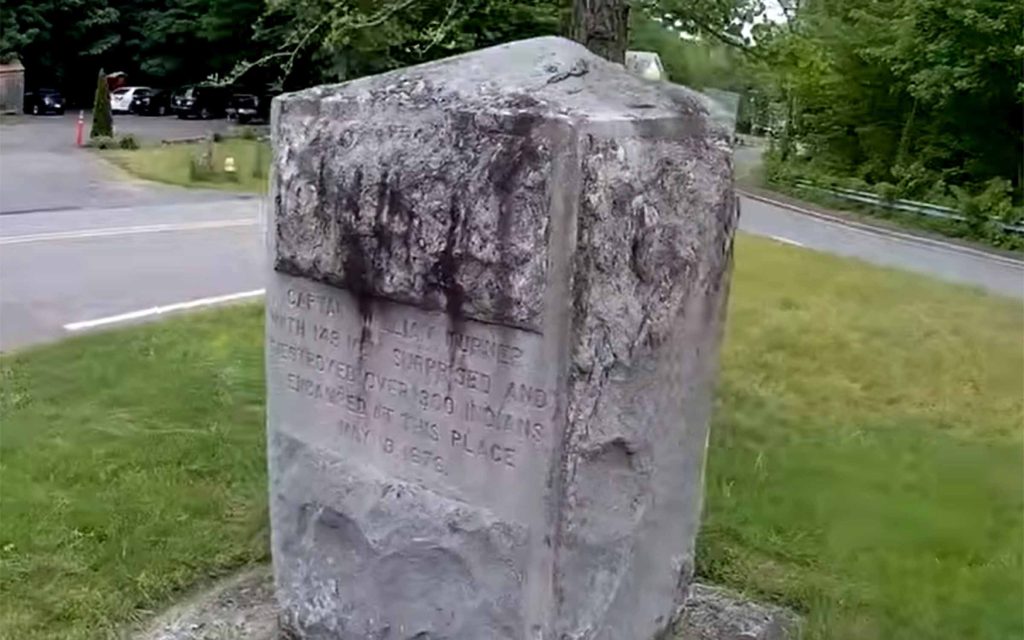
Native warriors mounted a strong counterattack, forcing the English to withdraw, and inflicted heavy casualties on the retreating militia through a series of ambushes over the course of six miles. The Native coalition-maintained control of the village and fertile lands in the Connecticut Valley, but at great cost: hundreds of villagers, mostly non-combatants, lay dead at Wissantinnewag. A monument now stands near the Falls honoring the colonists but only stating that “300 Indians were destroyed.”