
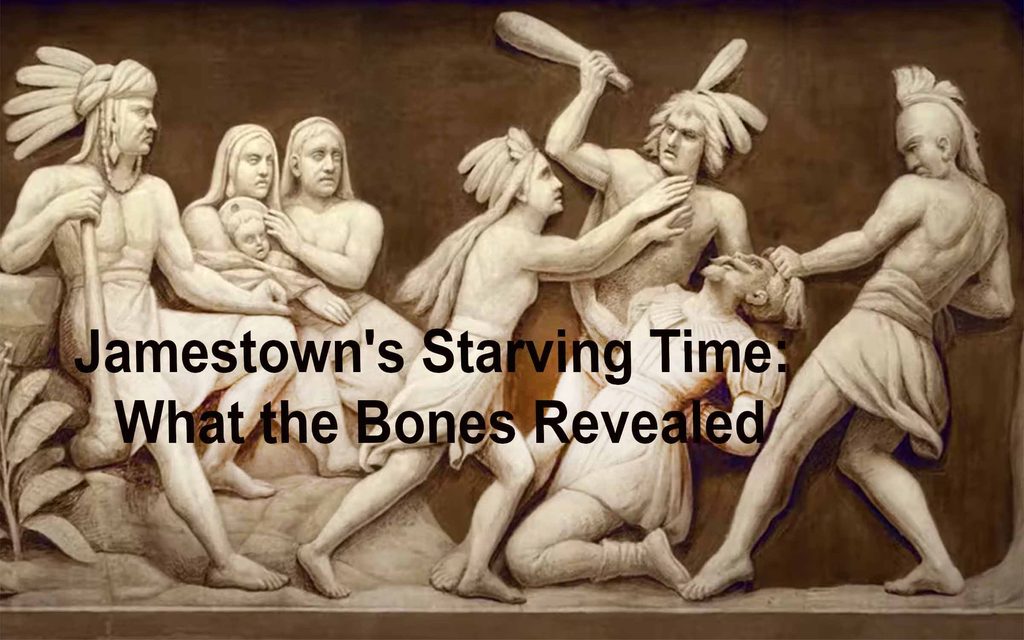
In the winter of 1609 to 1610, about 500 English colonists were living at Jamestown, Viginia. By May 1610, about 60 were left alive. The man in charge, George Percy, wrote down what they did to survive, and for 400 years many readers called it exaggeration. Then in 2012, archaeologists found the bones of a 14-year-old girl they named “Jane”, the first forensic proof of survival cannibalism in an English colony. Click here for a 15-minute video that presents new evidence about what happened posted on November 4, 2026 by Vanished Records.
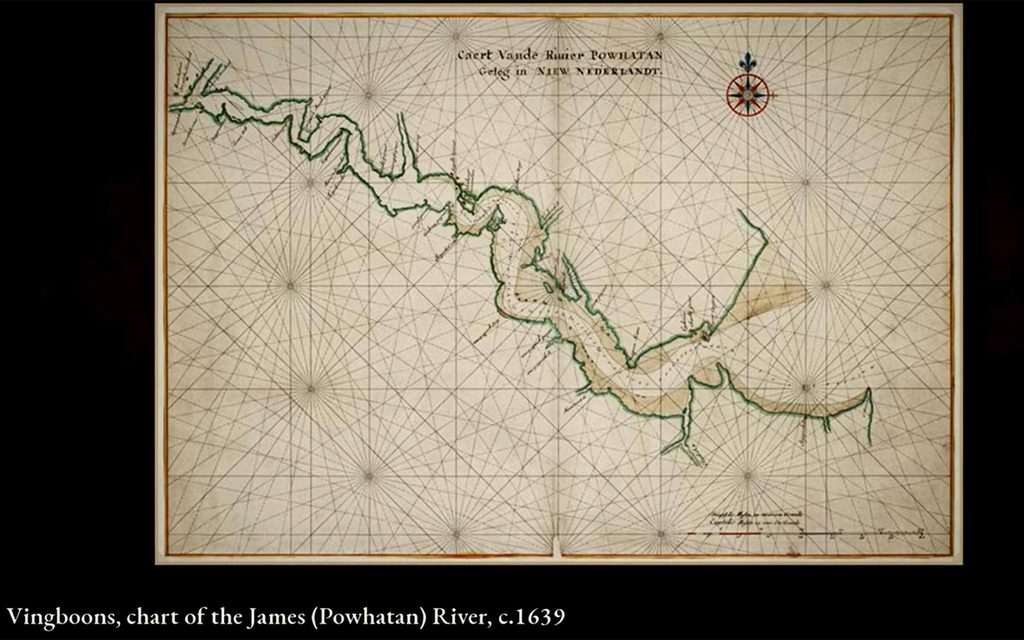
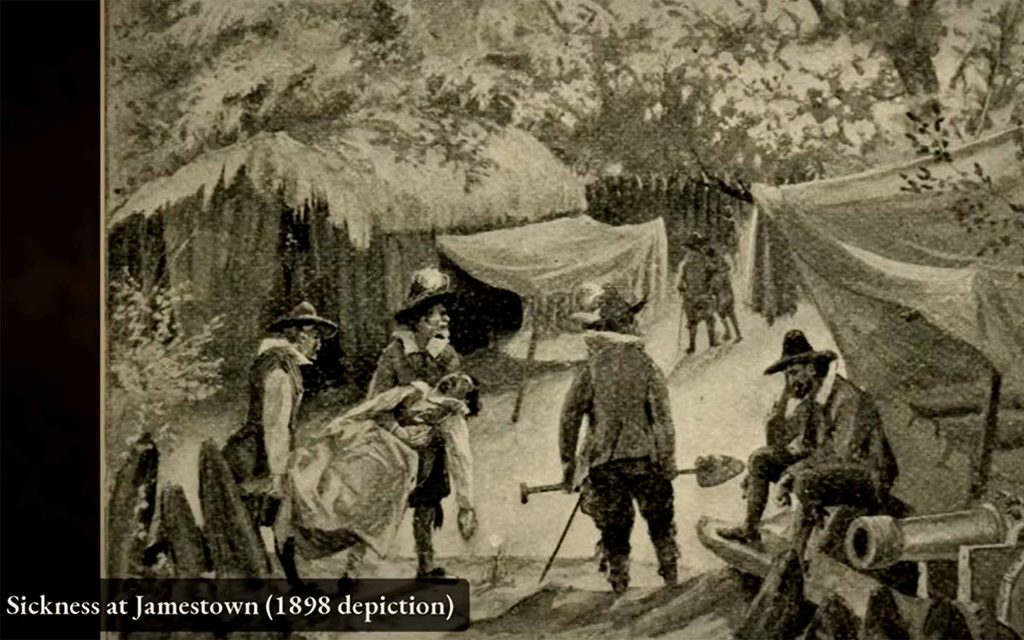
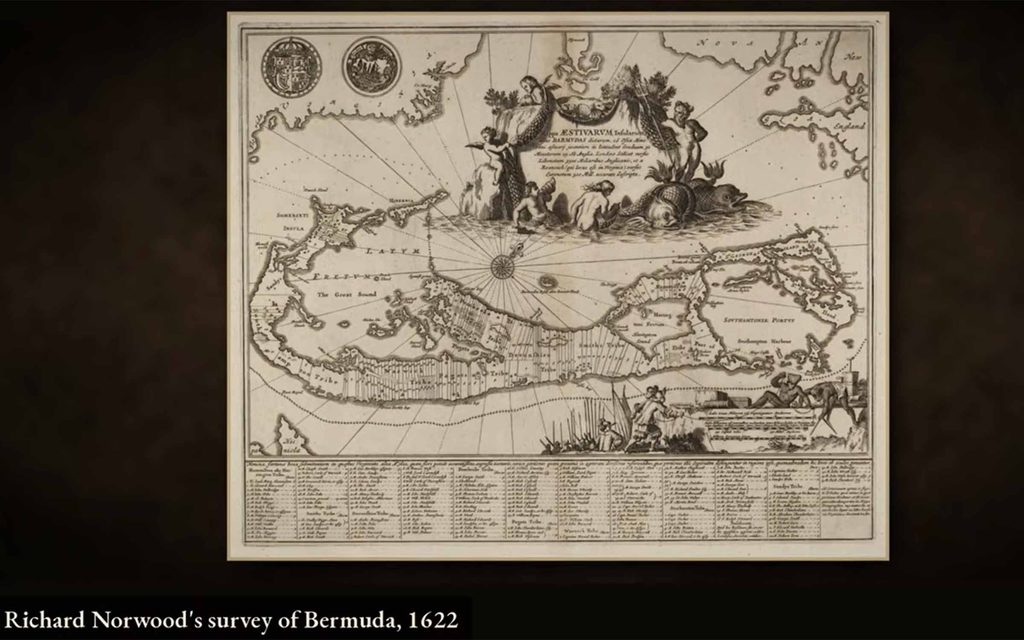
George Percy called that winter a world of miseries. Two small ships sailed up the James River are called Deliverance and Patience, built by castaways who spent ten months wrecked on Bermuda. They came to rescue the first lasting English settlement in America. They expect a town. What they find looked like a ruin.
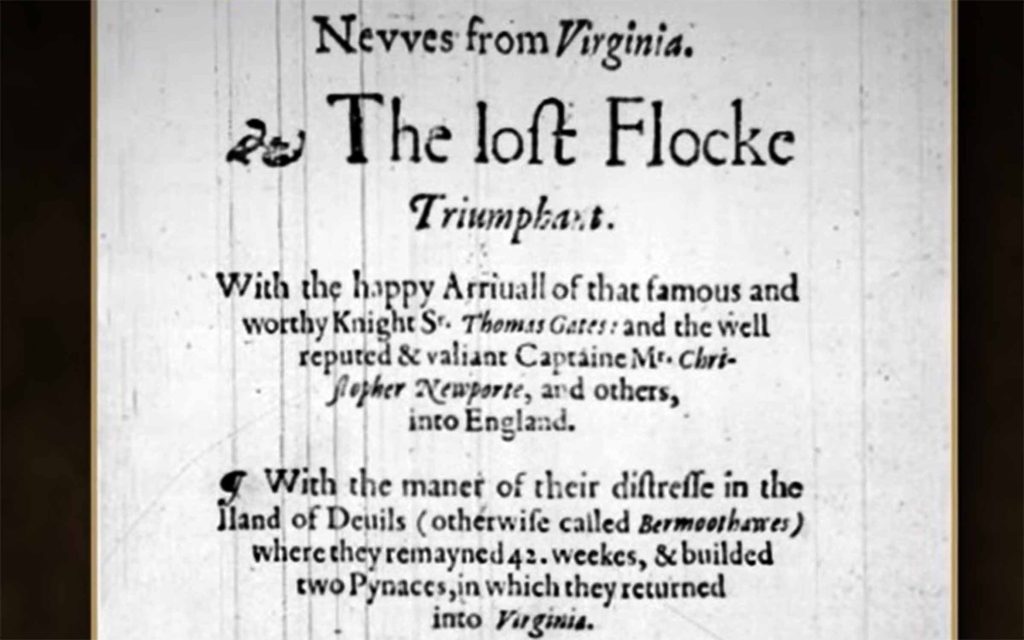
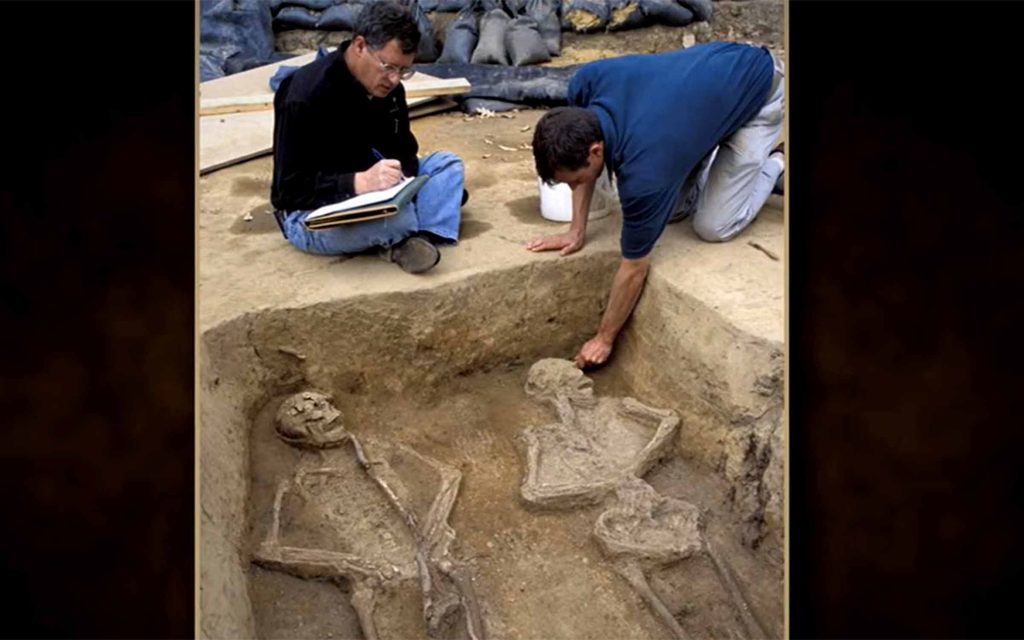
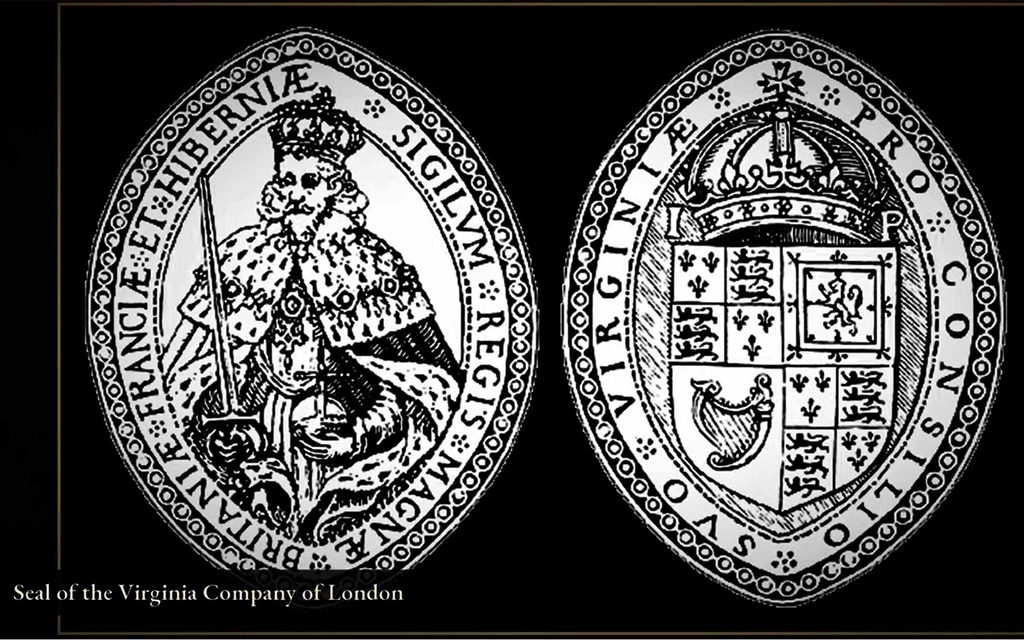
For four hundred years, the worst of it lived only on paper, and many readers dismissed it as exaggeration. Then archaeologists dug into the old fort, and found the bones of a fourteen year old girl. And after she died, her body was cut apart for food.
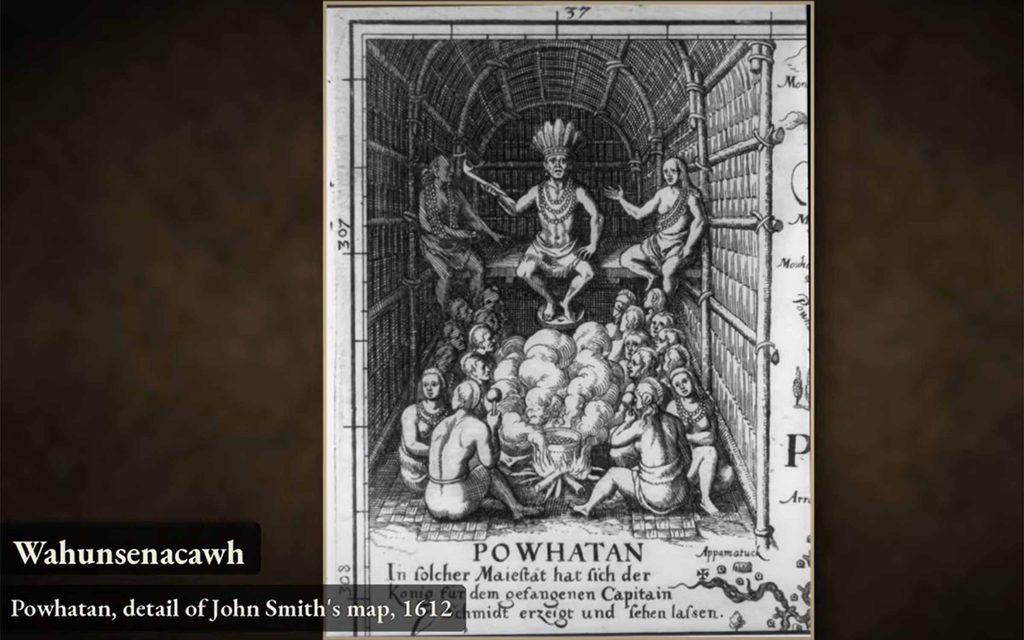
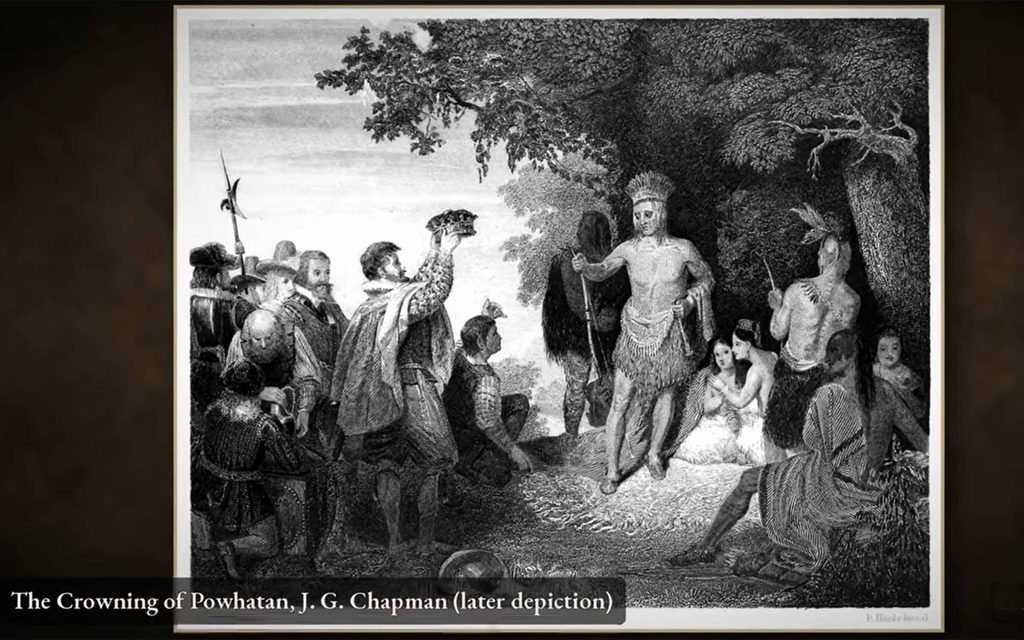
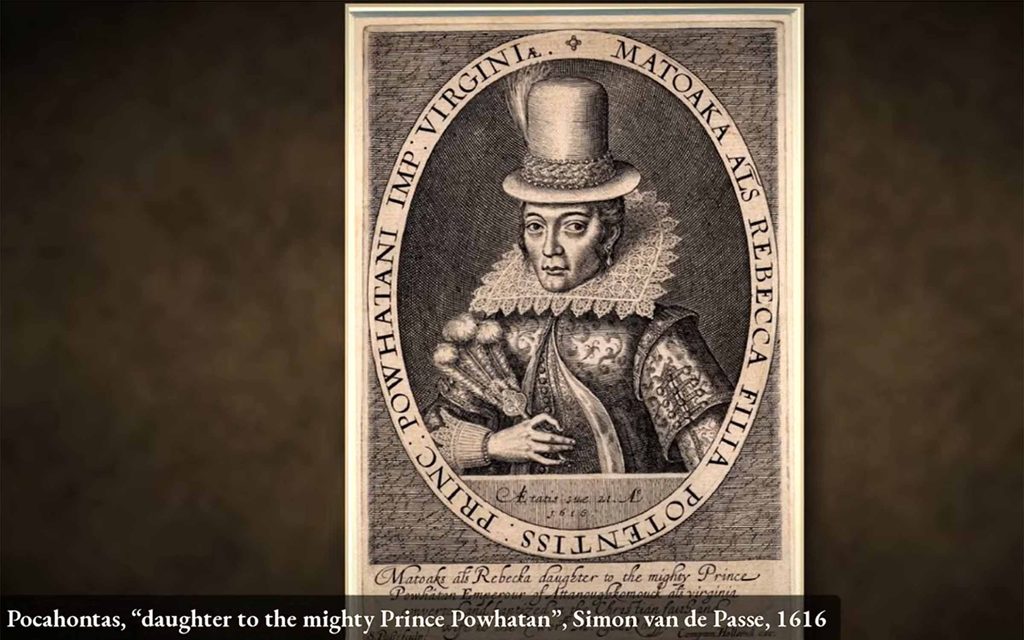
Powhatan ruled around thirty Algonquian speaking peoples across tidewater Virginia, perhaps fifteen thousand people or more. His capital was Werowocomoco, on the York River. His daughter, Pocahontas (pictured at the top of this page), married the colonist John Rolfe, and an uneasy peace followed. Powhatan died in1618. In 1622, his brother Opechancanough launched a far larger attack. The Starving Time faded back into a few old pages, argued over for centuries until someone went looking for the fort itself.