

An apple tree root shaped like a human body survives in a Providence museum, tied to a colonial Rhode Island founder, Roger Williams, with no marked grave. The familiar account of religious freedom in seventeenth-century New England leaves out the machinery that made it possible. Land grants, river borders, voting rights, and burial customs reveal a less familiar structure. The evidence runs from Native deeds and royal charters to a site still held by the federal government. Click here for a 20-minute video created in AI about Williams that was posted on October 2, 2026 by Of Ages Past.
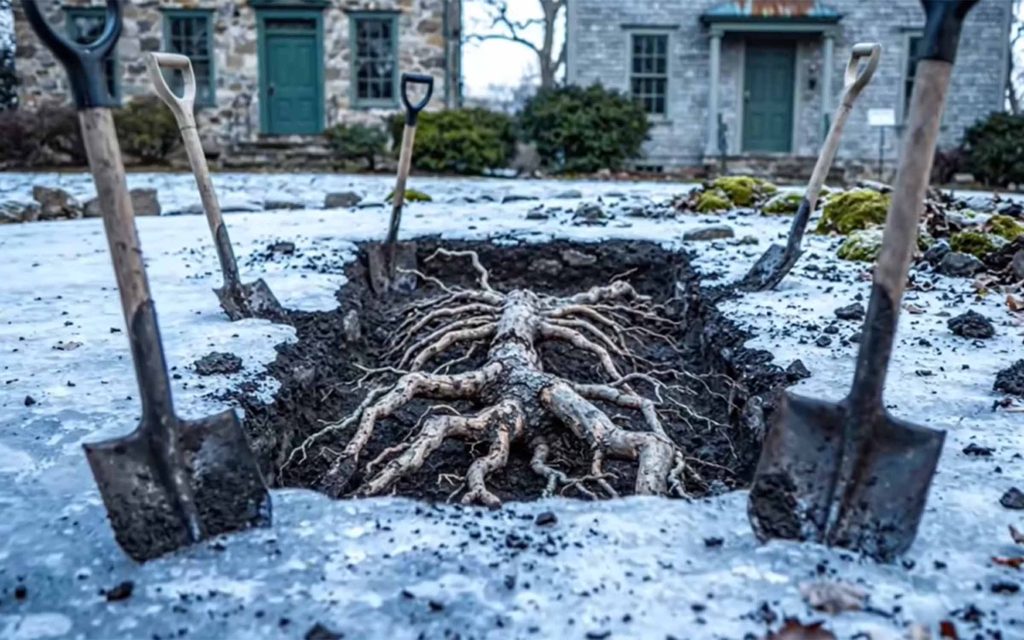
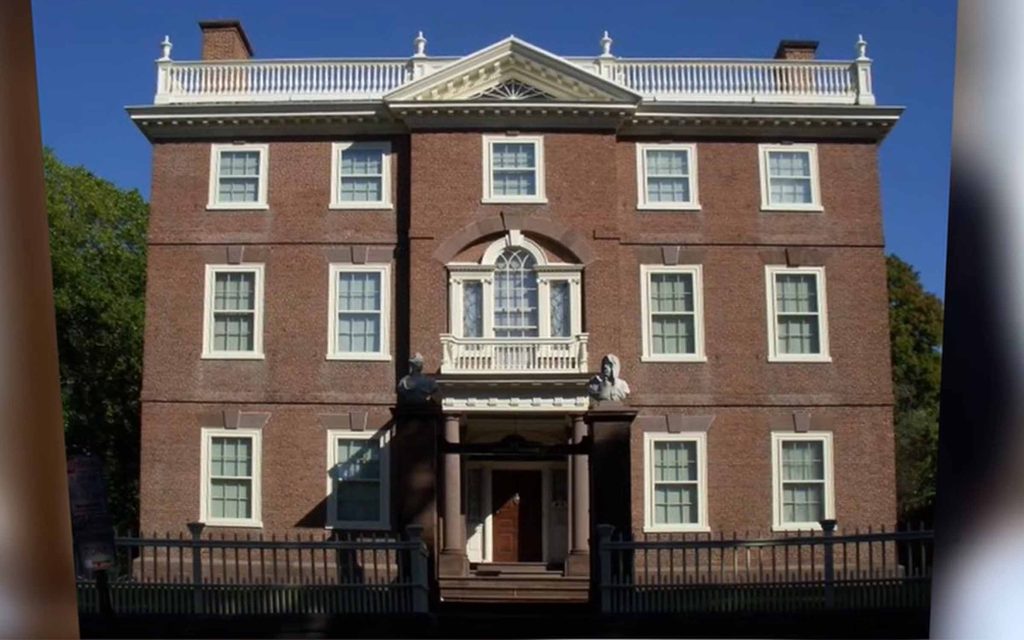
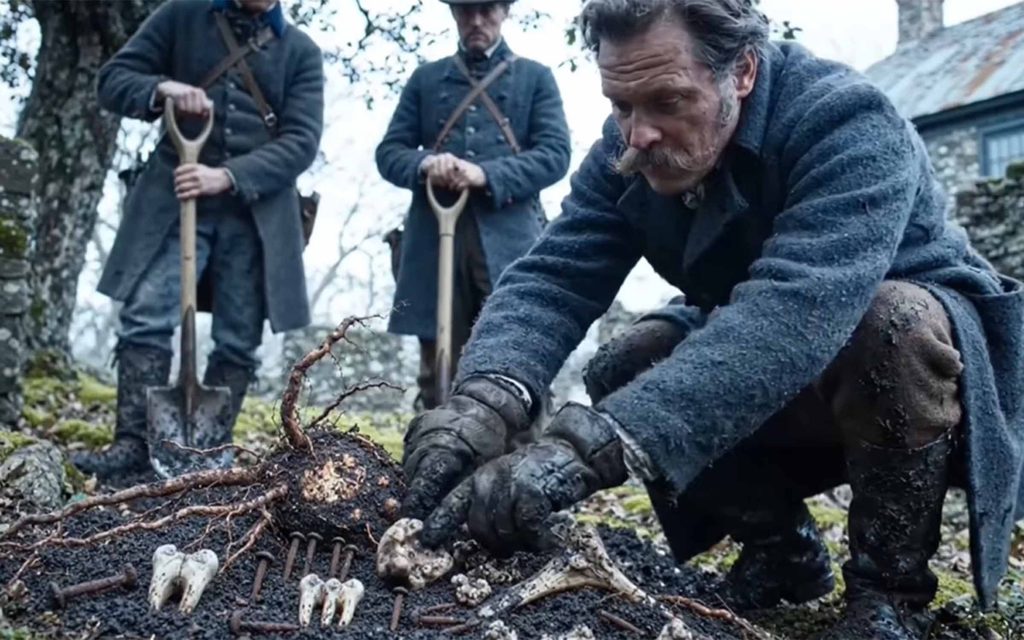
(Above) When Roger Williams, founder of Rhode Island, died in 1683, he was buried on his own property. By 1860, when citizens attempted to relocate his remains, they discovered that an apple tree root had penetrated the coffin and grown along the path of his spine, branching where his legs would have been. This unusual shape led to the enduring legend that the tree “ate” Roger Williams. It is now displayed at the John Brown House Museum in Providence, Rhode Island.

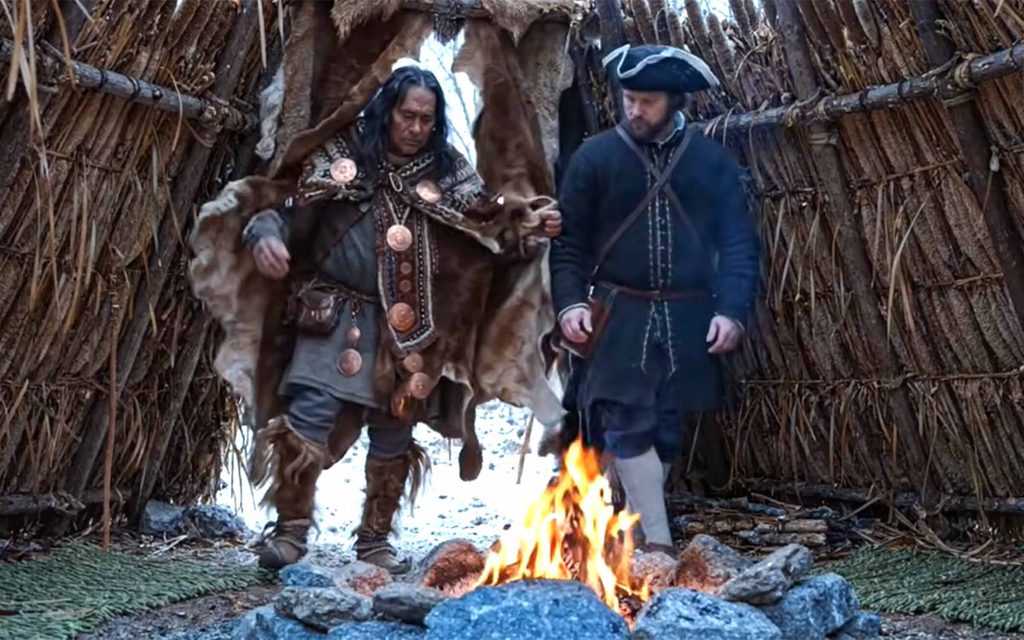
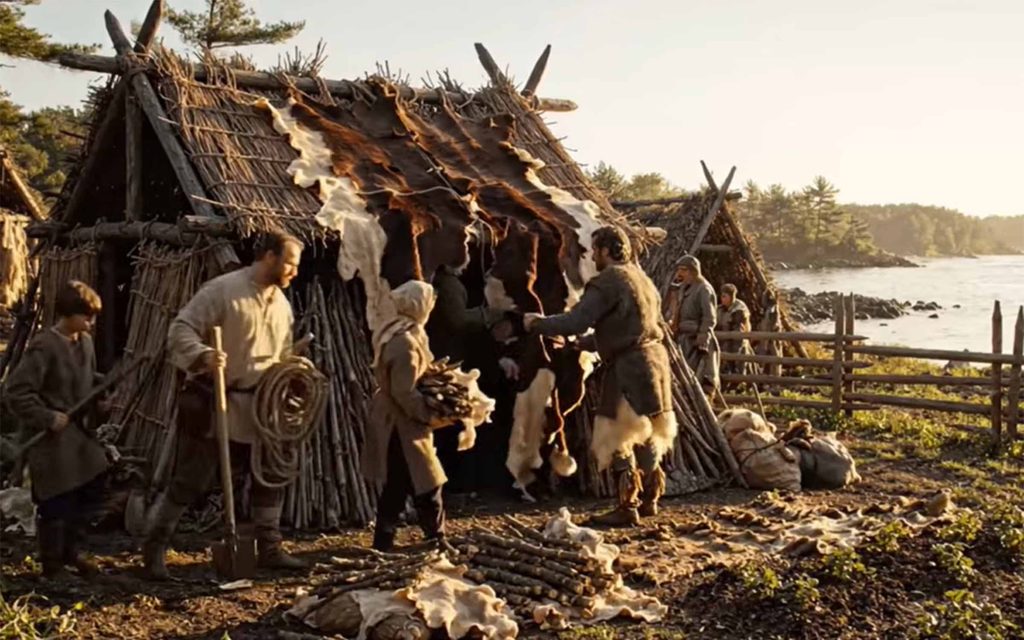
(Above) Williams escaped from Salem in January 1636 when he learned that the authorities were about to send him back to England because of his “new and dangerous” ideas. After walking for days he met up with the Pokanoket Massasoit Ousamequin in Sowams where he was sheltered for 14 weeks while he recovered from his journey. In April, he traveled to a place along the Seaconke River in today’s East Providence and then sent for his wife, children and some of his followers.

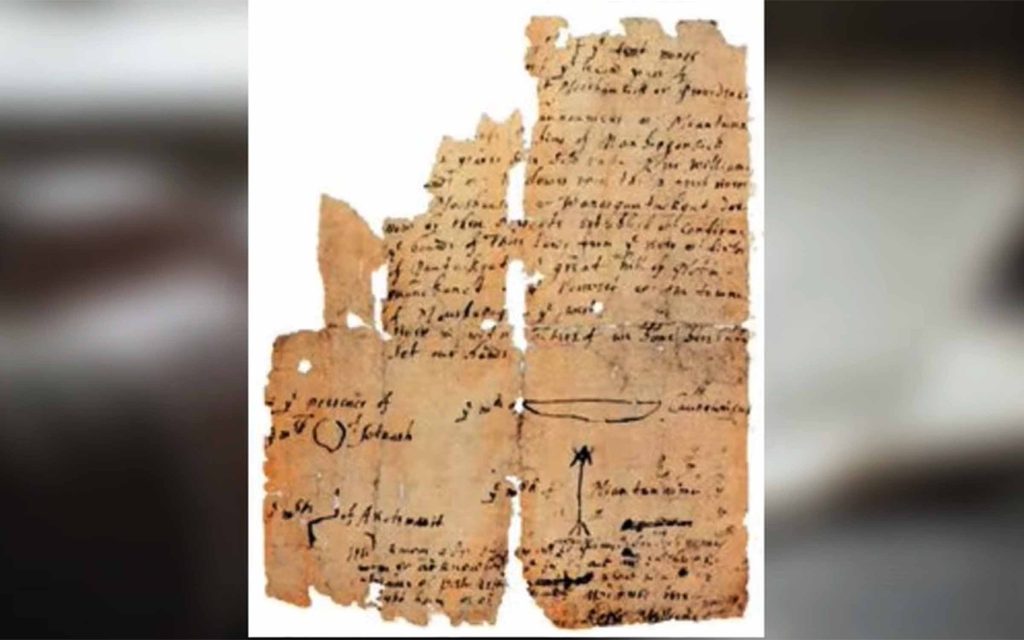
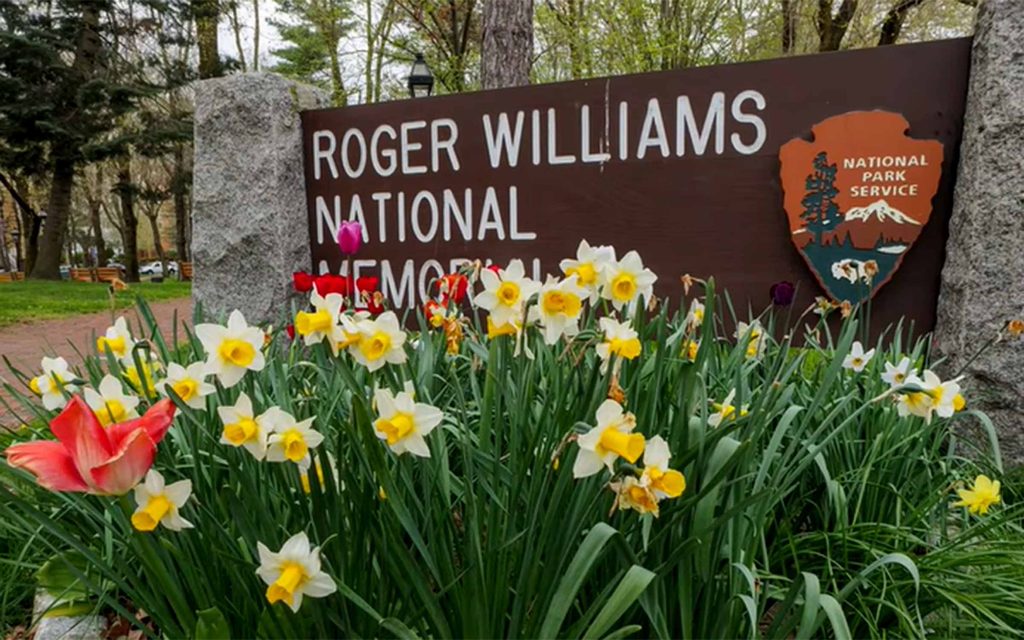
(Above) When he was told by Edward Winslow that he would have to leave because he was in Plymouth Colony, he traveled across the Seekonk River where he met Narragansett Chief Canonicus who signed a deed to land on the east side of the Moshasuck River, and Williams established a town he called Providence, the current site of the Roger Williams National Memorial.