
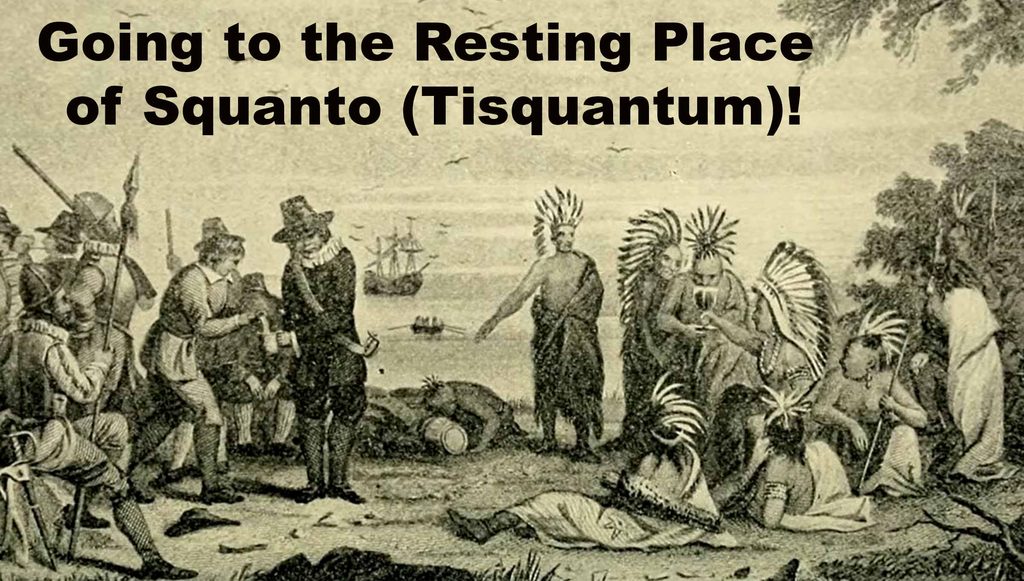
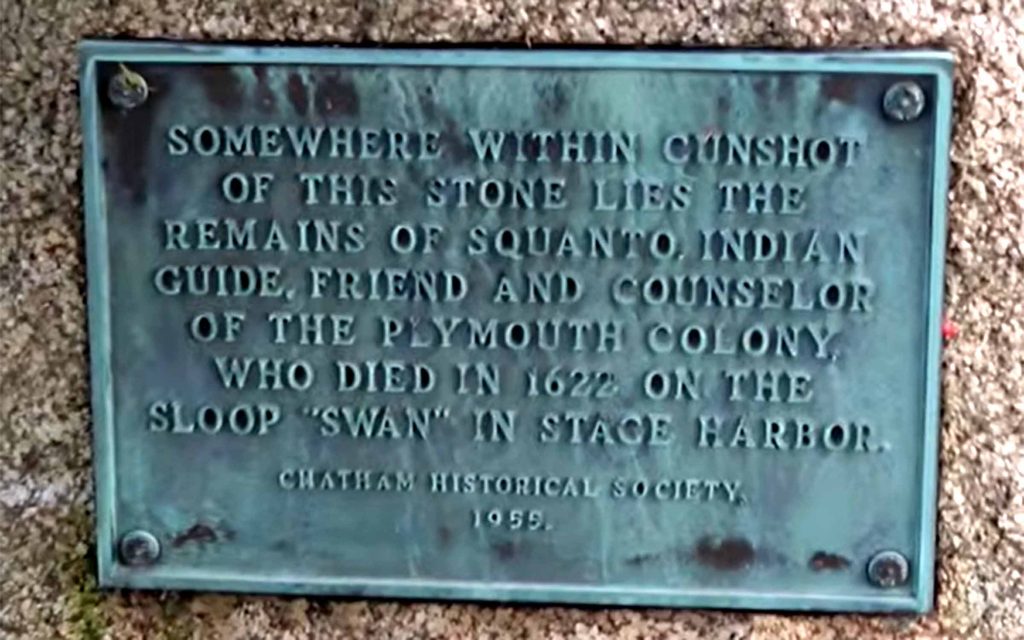
The resting area of Squanto, the Wampanoag man who helped the English survive in events leading up to King Philip’s war, is located on the grounds of the William Nickerson house in Chatham, Massachusetts. The town at the elbow of Cape Cod was originally known as Monomoyick, named after the Native American tribe prevalent in these parts. In October 1606, when the French explorer Samuel de Champlain and his party arrived, the French sailors famously skirmished with the initially-friendly natives at the place later known as Port Fortune, now Stage Harbor. Champlain decided to depart the area but as a cartographer, he left valuable maps to posterity. Click here for a 9-minute video of a visit to the monument below posted on October 27, 2026 by Apache Arcade.
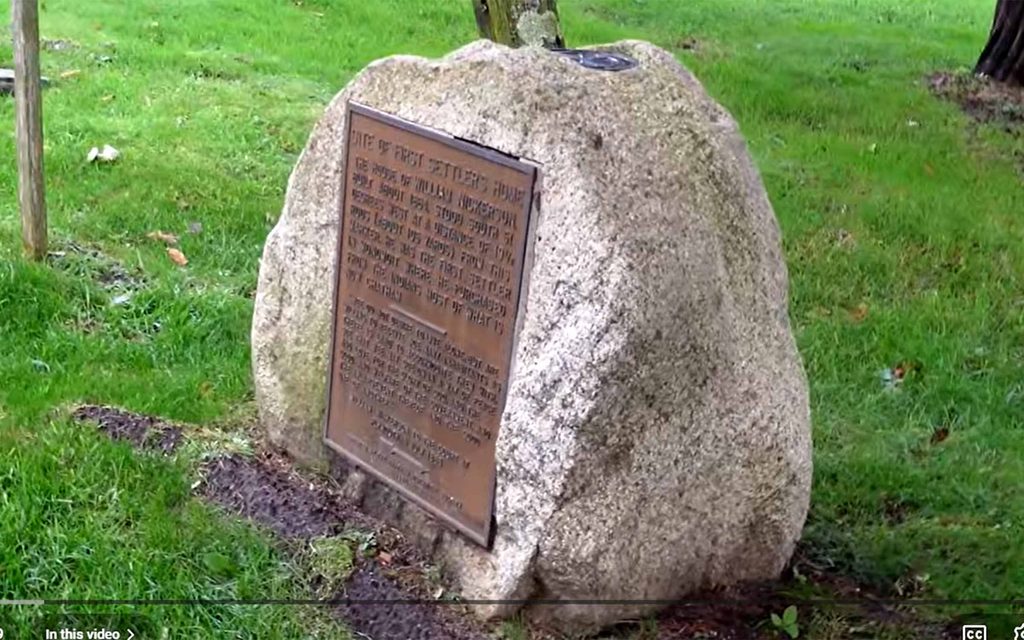
The first settler home, the house of William Nickerson, was built in about 1664 about 105 yards from a stone marker. Nickerson was the first settler who purchased from the Indians most of what is now Chatham, originally called Monomoit based on the indigenous population’s term for the region. Explorer Samuel de Champlain landed there in October 1606 at a place he christened “Port Fortuné”, where conflict arose with the Nauset. Nickerson built his homestead near the head of Ryder’s Cove.
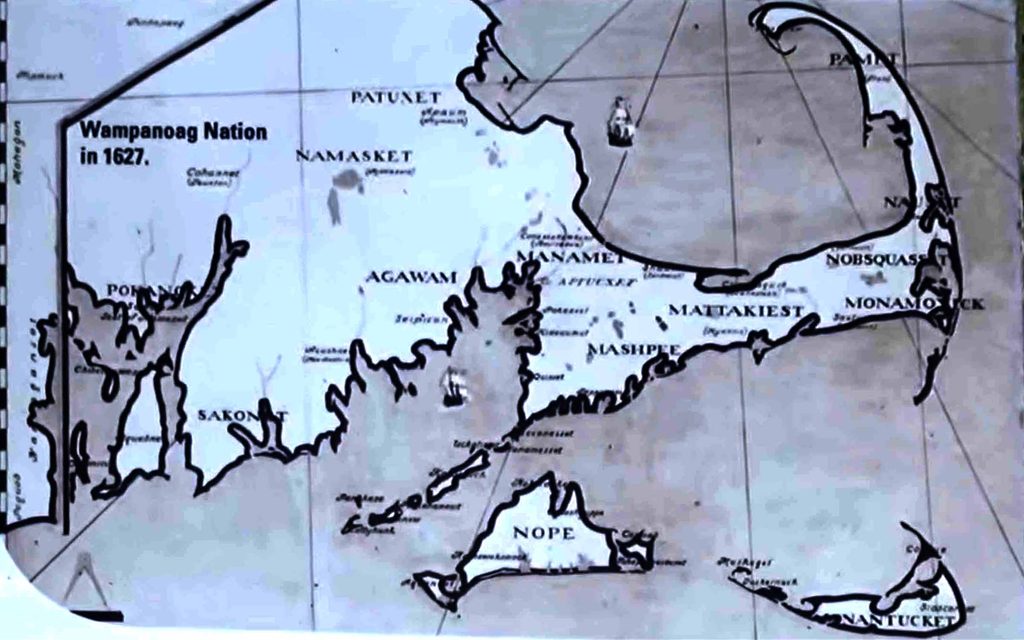
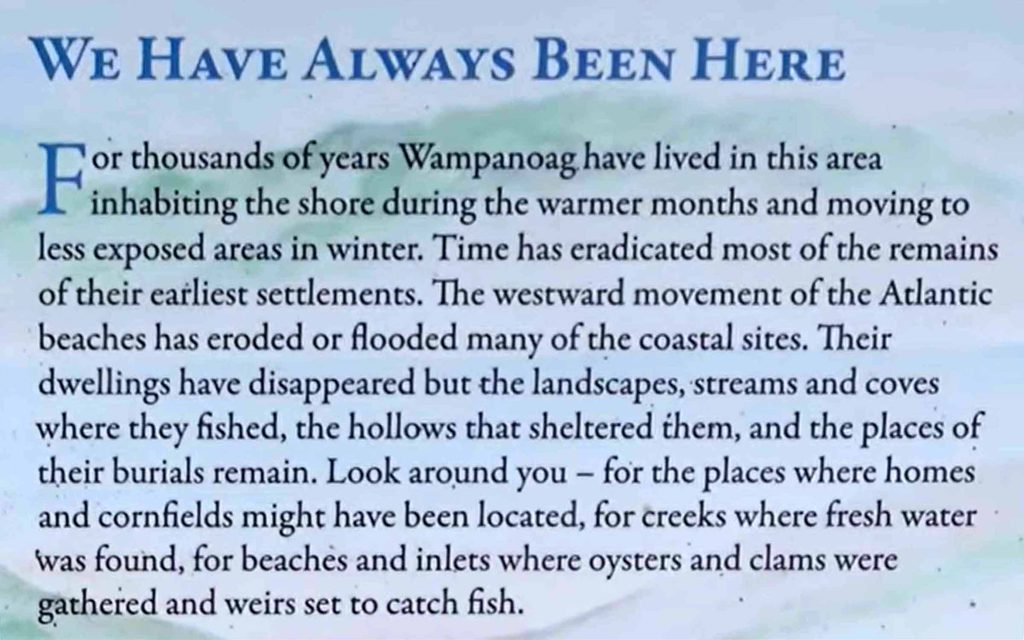

In 1656, Nickerson pulled a cart down an ancient Indian path onto land occupied by Mattaquason, the Mononmoyick Sachem. They struck a deal and Nickerson acquired 4 square miles of land. For this he paid: a shallop, 10 coats, 6 kettles, 12 axes, 12 hoes, 12 knives, 40 shillings in wampum, a hat, and 12 shillings in coin. However, all this took place without the approval of the authorities in the Plymouth Colony. It would be 16 years until his disputed purchase was settled by the courts with Nickerson paying a 90 pound fine and obtaining deeds from Mattaquason and his son John.
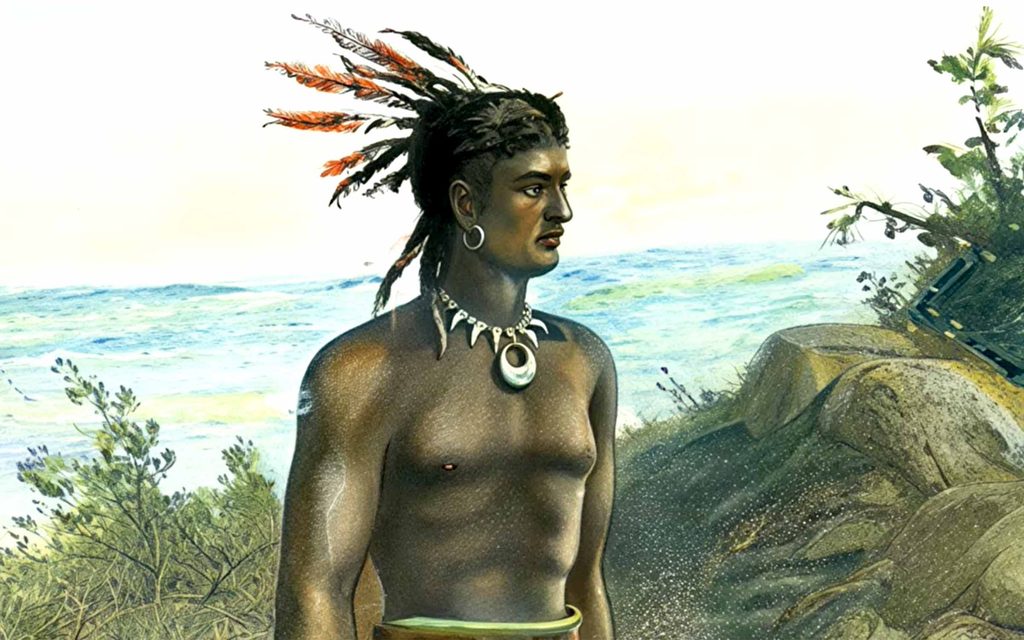
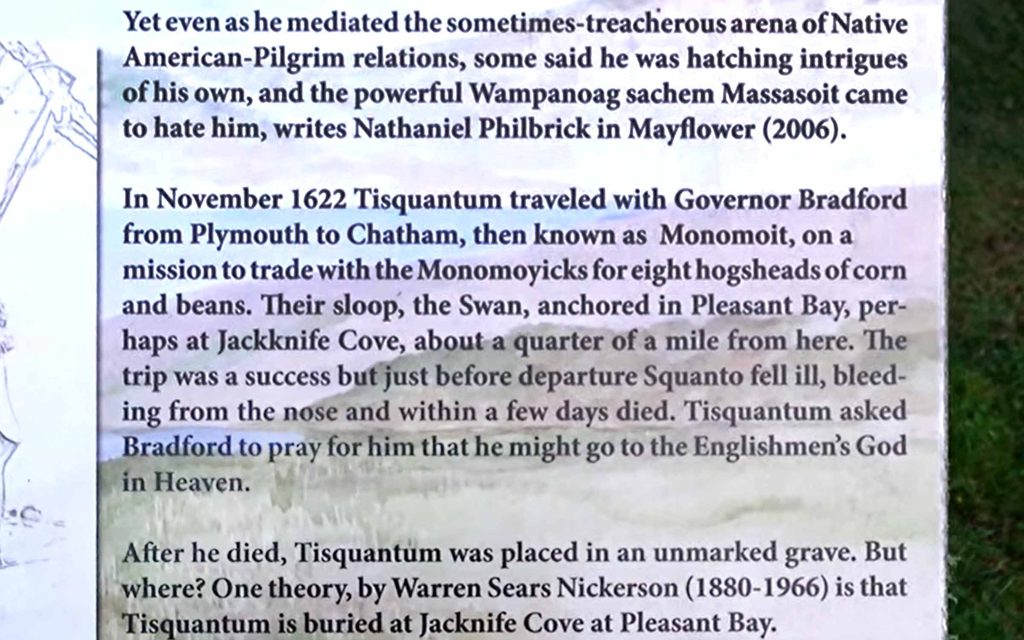
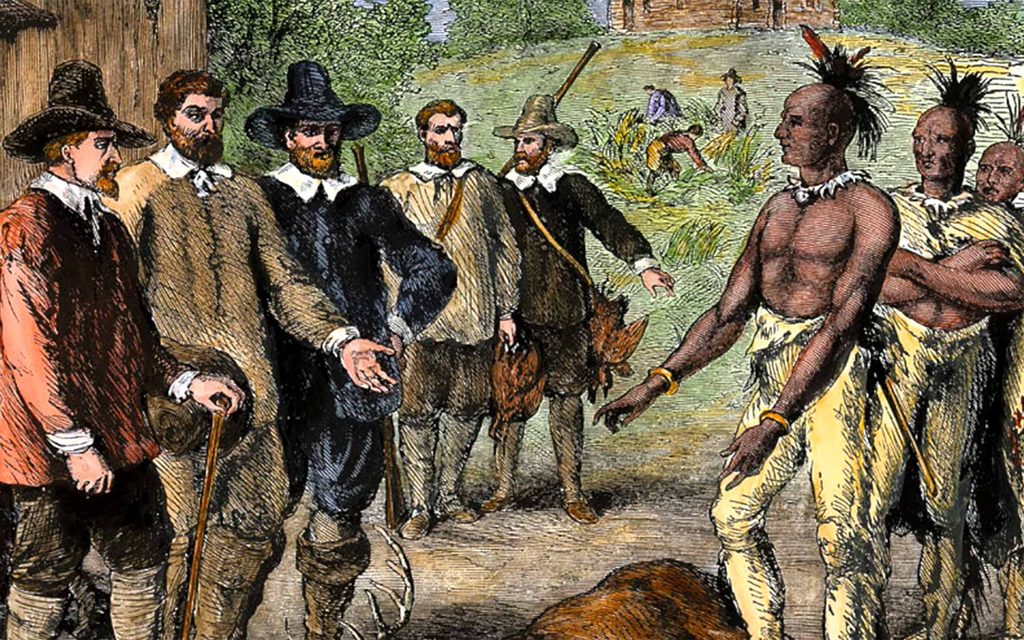
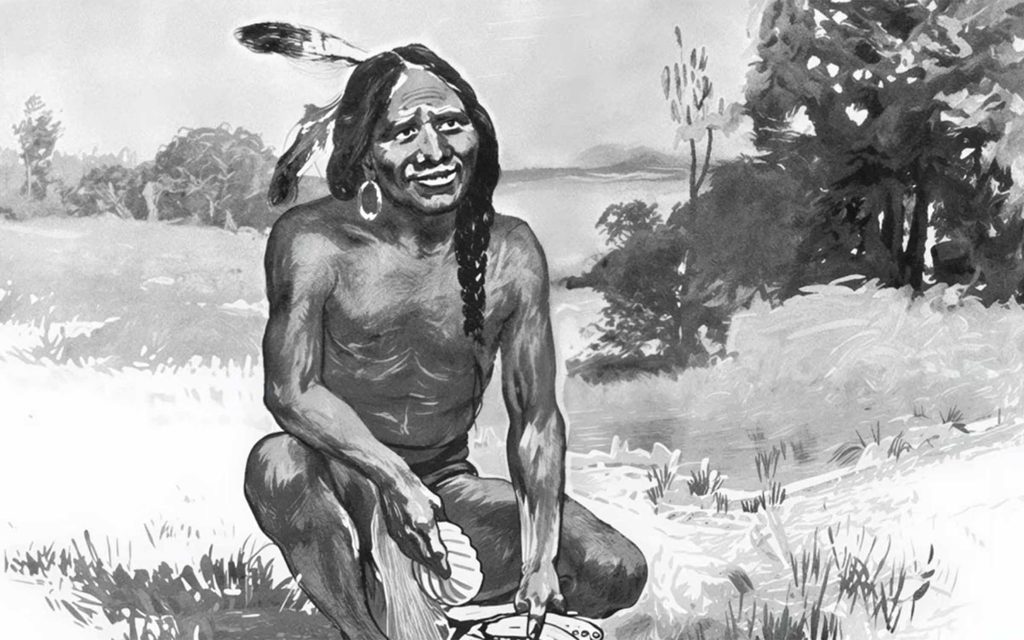
Squanto or Tisquantum was a member of the Patuxet tribe of Wampanoags, best known for being an early liaison between the Native American population in Southern New England and the Mayflower Pilgrims who made their settlement at the site of Tisquantum’s former summer village, now Plymouth, Massachusetts. Author Nathaniel Philbrick speculates that Tisquantum may have been poisoned by Massasoit. His bases for the claim are that other Native Americans had engaged in assassinations during the 17th century; and that Massasoit’s own son, Metacomet, may have assassinated John Sassamon, an event that led to the bloody King Philip’s War a half-century later.