
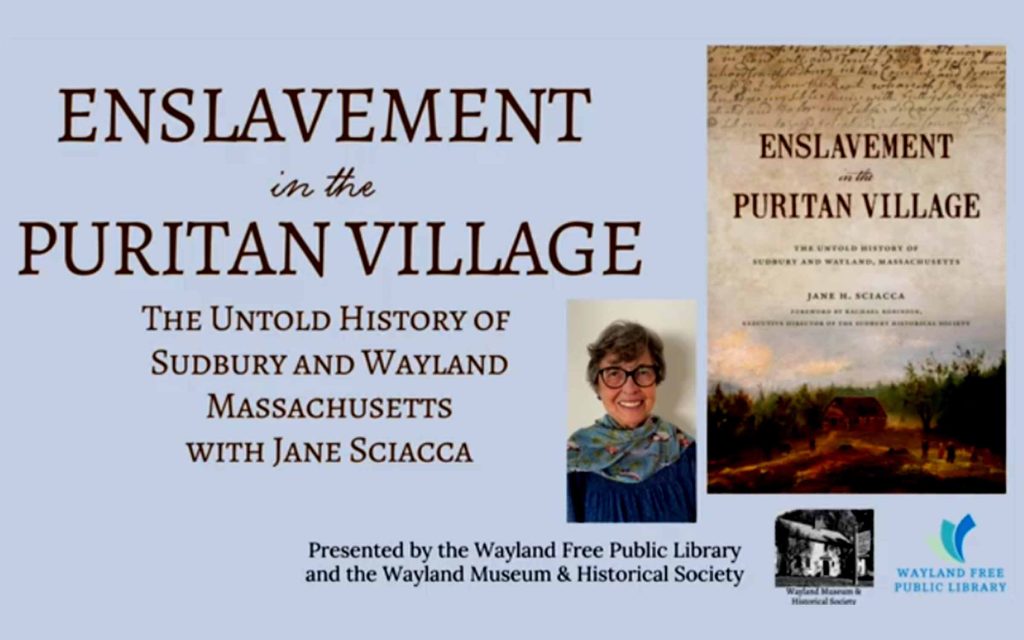
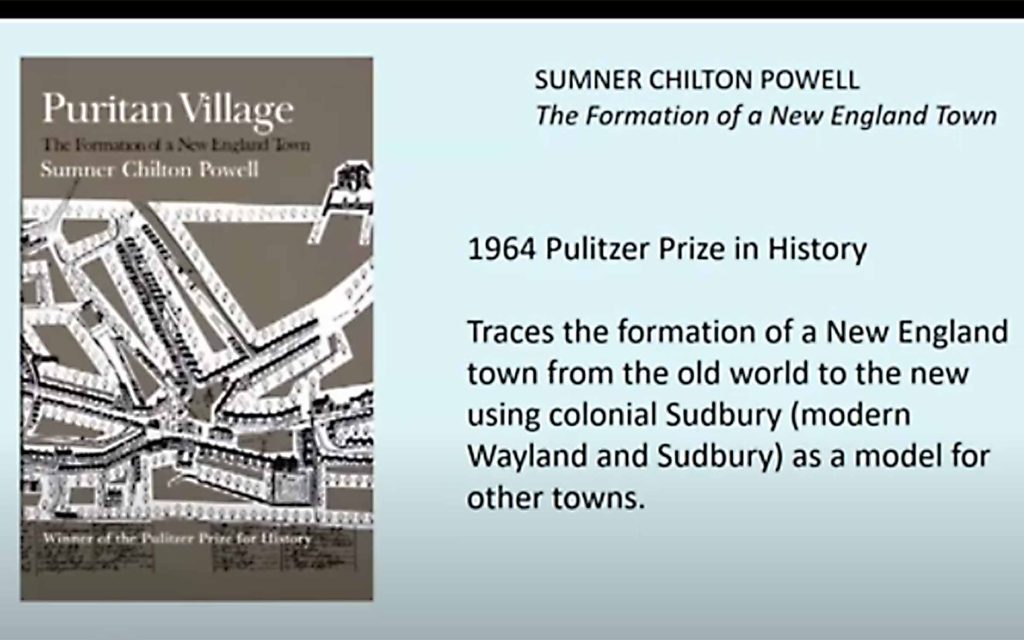
Colonial Sudbury (modern-day Wayland and Sudbury), Massachusetts was framed as the quintessential Puritan Village by author Sumner Chilton Powell in his 1964 Pulitzer Prize-winning history of the founding of this New England town in 1638. Yet this quiet rural village, like many others in New England, also had a darker history that is often overlooked. Click here for a 70-minute video of her talk posted by the Wayland Public Library on February 28, 2025.
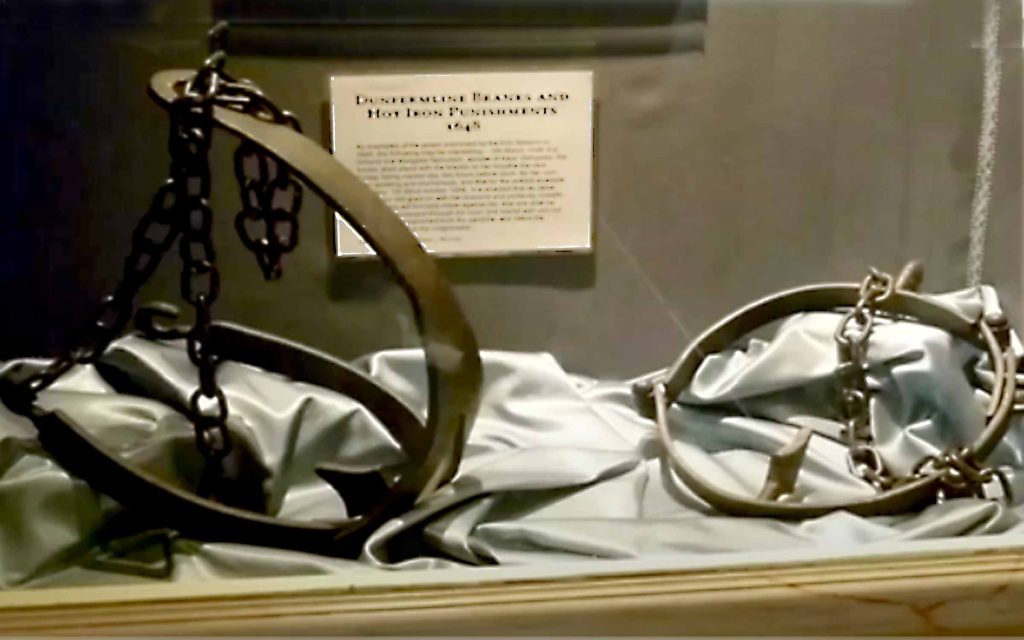
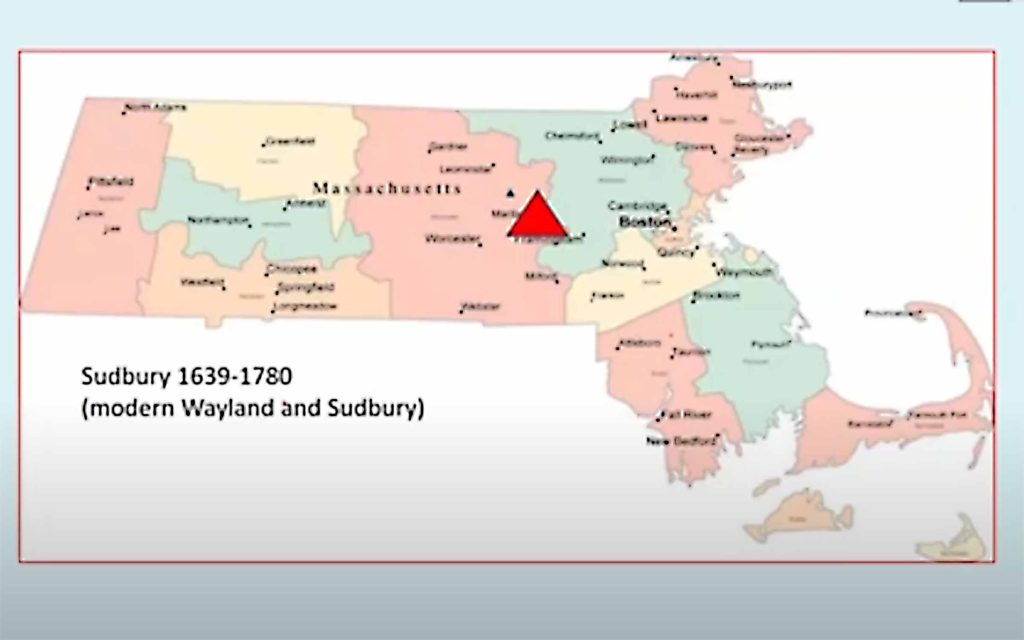
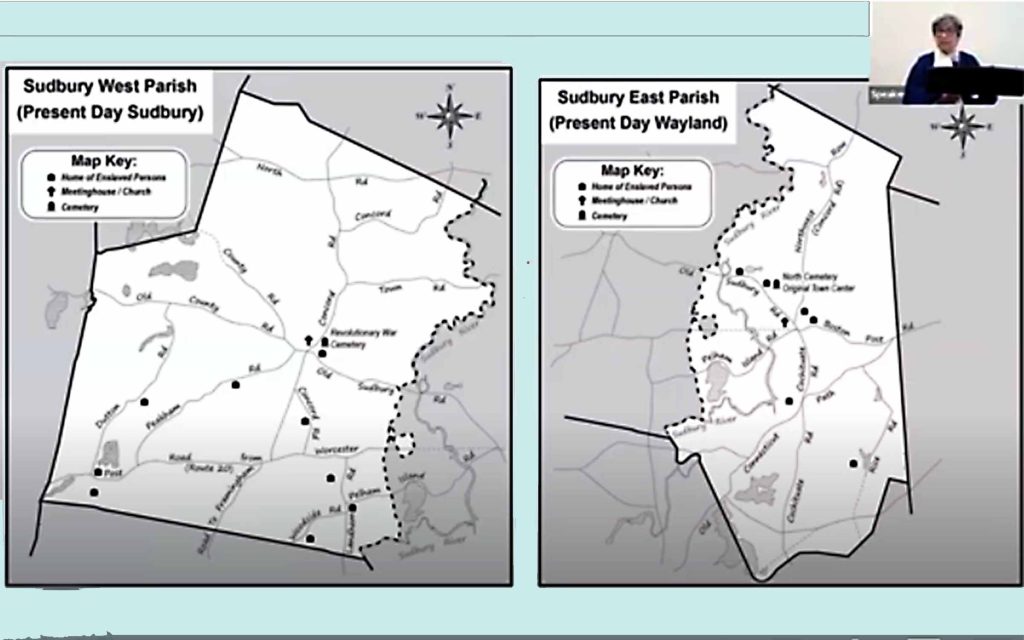
Sudbury’s early inhabitants, including some of the most prominent citizens in town, held and sold enslaved Black people throughout the seventeenth and eighteenth centuries. Never before published, stories from preserved records highlight the lives of men, women and children held in bondage.
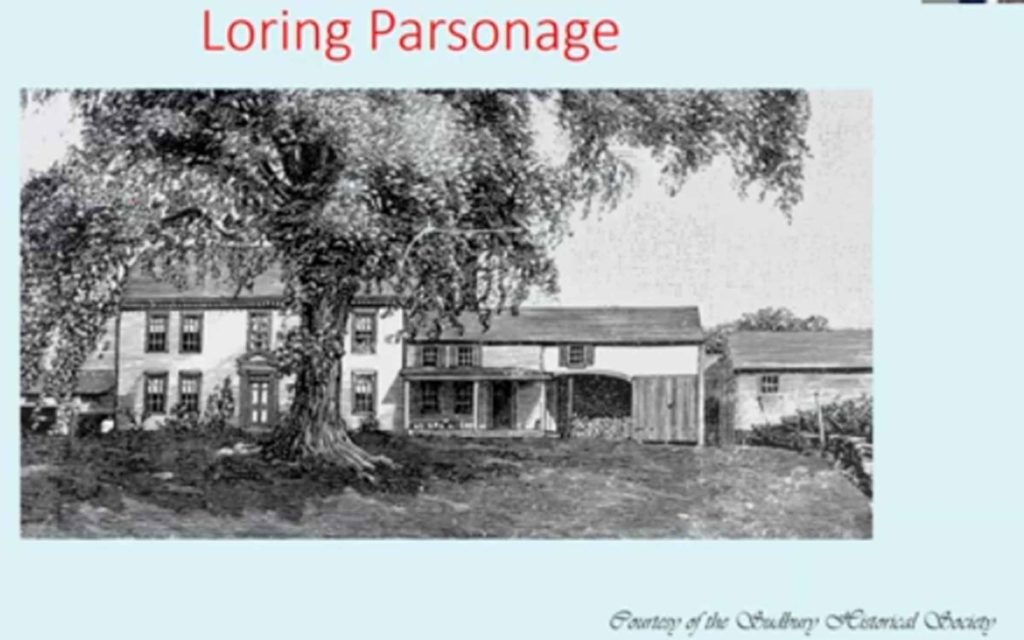
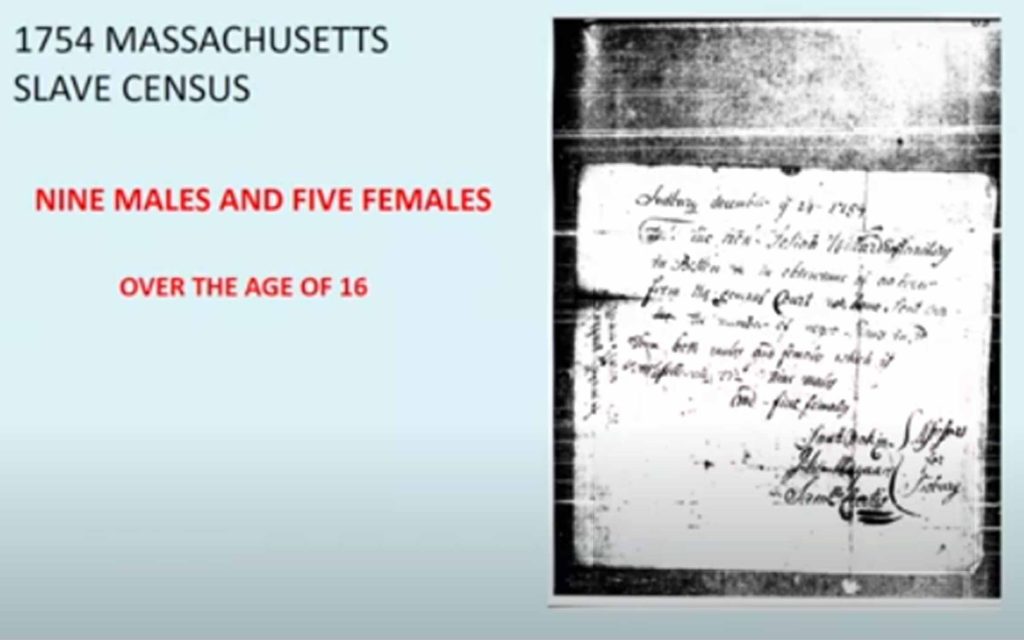
The accounts of life in colonial Sudbury and their interactions with nearby towns, including bills of sale, marriages, medical and military records expand the knowledge of enslavement and its pervasive impact, yet unquestioned acceptance, in Sudbury and similar pre-Revolutionary New England villages.
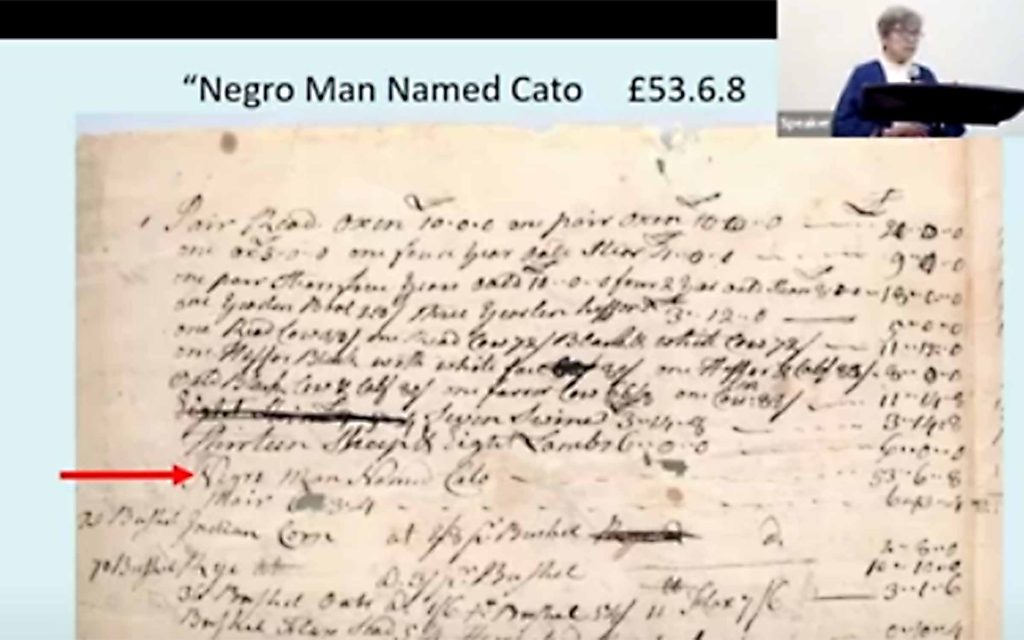

Jane Sciacca‘s (above, right) work as an interpreter for the National Park Service in Concord, Boston and Cambridge led to her interest in researching enslavement and abolition in her own community of Wayland, where she has lived with her family for more than fifty years.