

Four hundred years ago, Boston didn’t exist yet. Where its streets and skyscrapers now stand, there was a peninsula of hills, marshes, forests, coastline, and small Indigenous communities. This historical documentary reconstructs what Boston was like before Boston, what Shawmut looked like, and how the region changed during the first decades of the 17th century. Click here for a 33-minute video posted on September 17, 2026 by Alex Reconstruyndo La Historia.
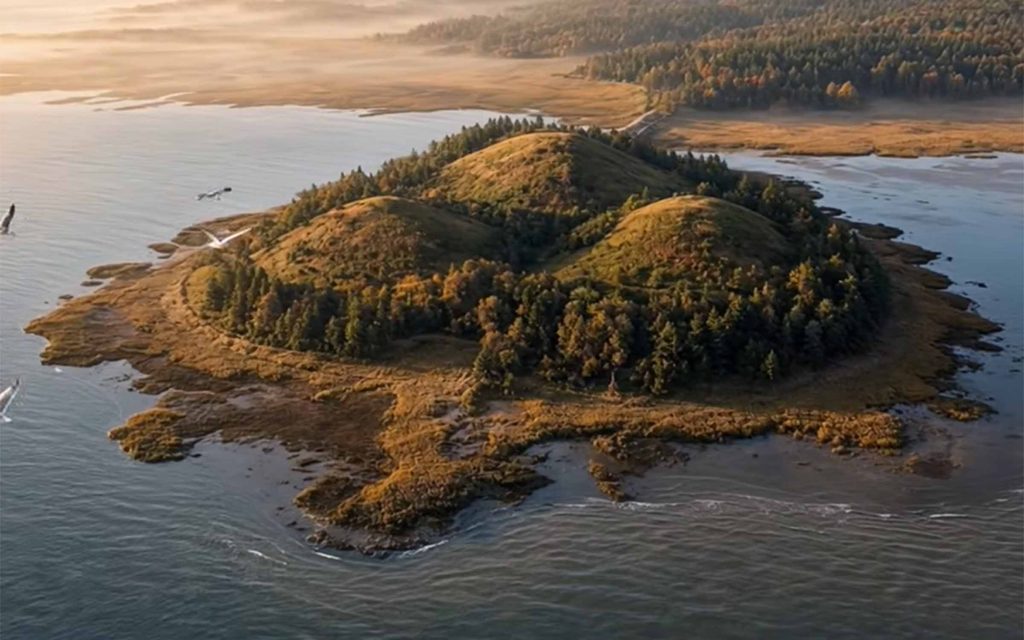
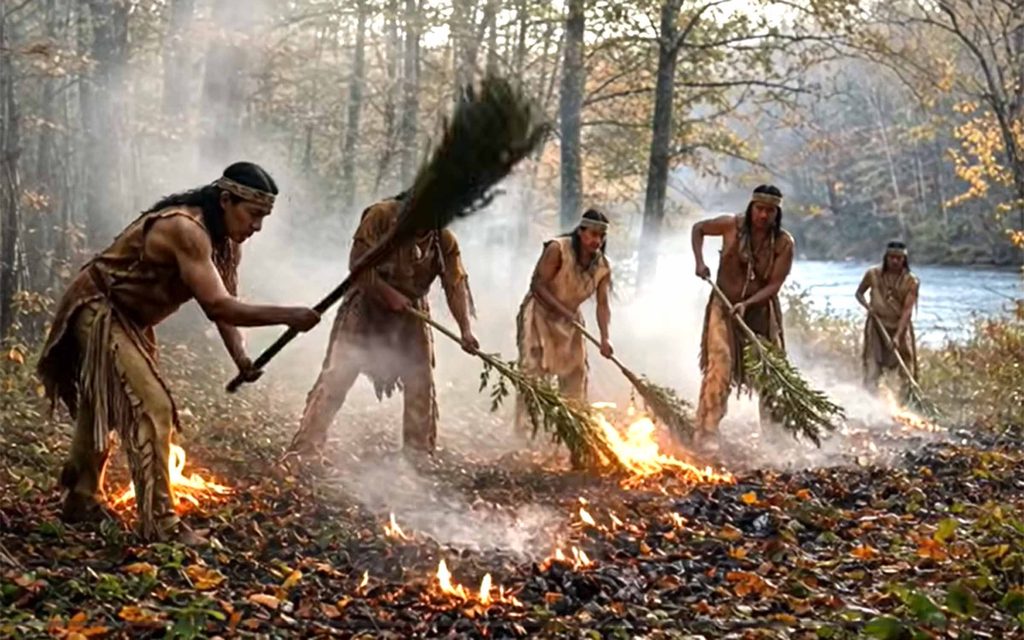
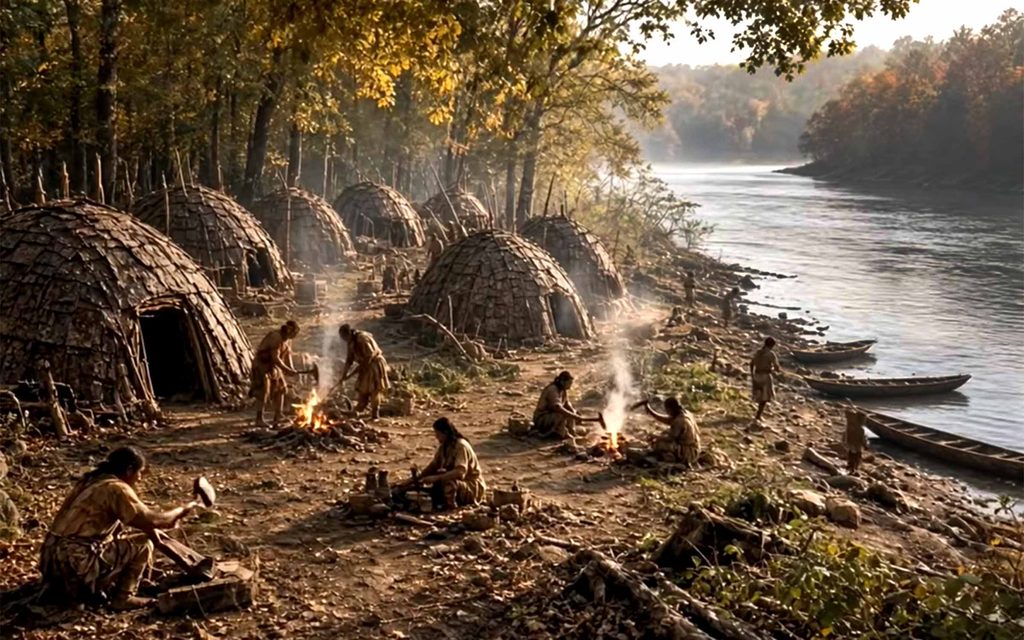
Long before English colonists named this place Boston, the Shawmut Peninsula was part of the traditional lands of the Massachusett people, who lived by fishing, farming, hunting, and gathering. Archaeology shows that human presence in this area dates back thousands of years.
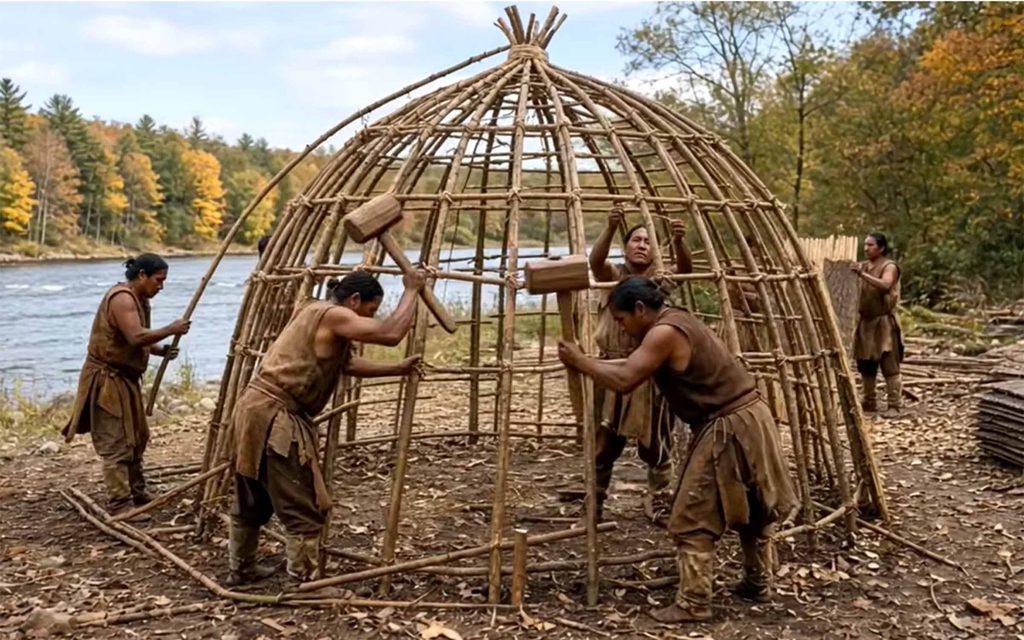
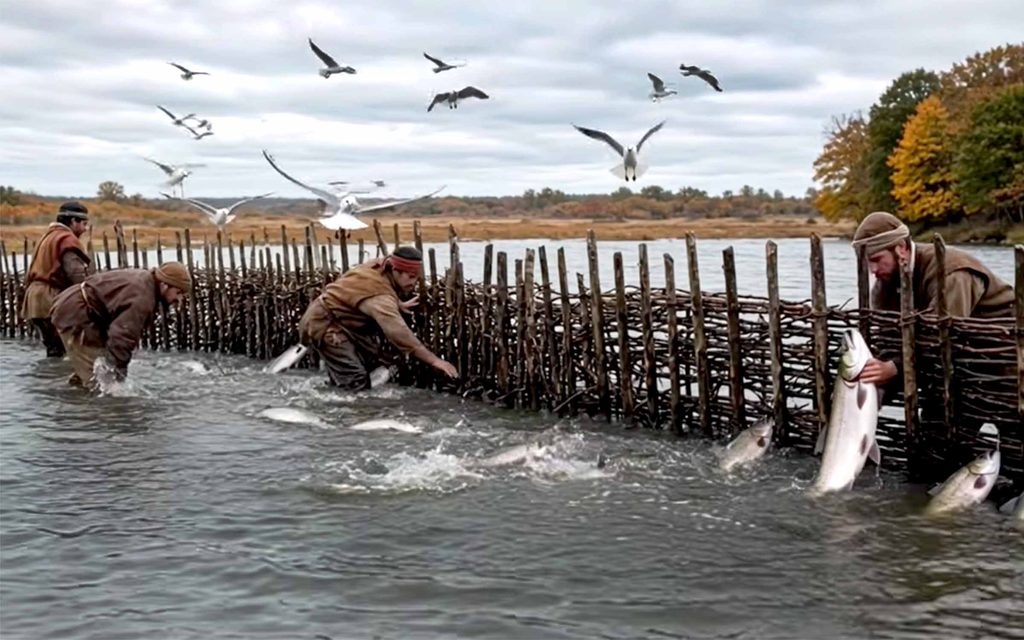
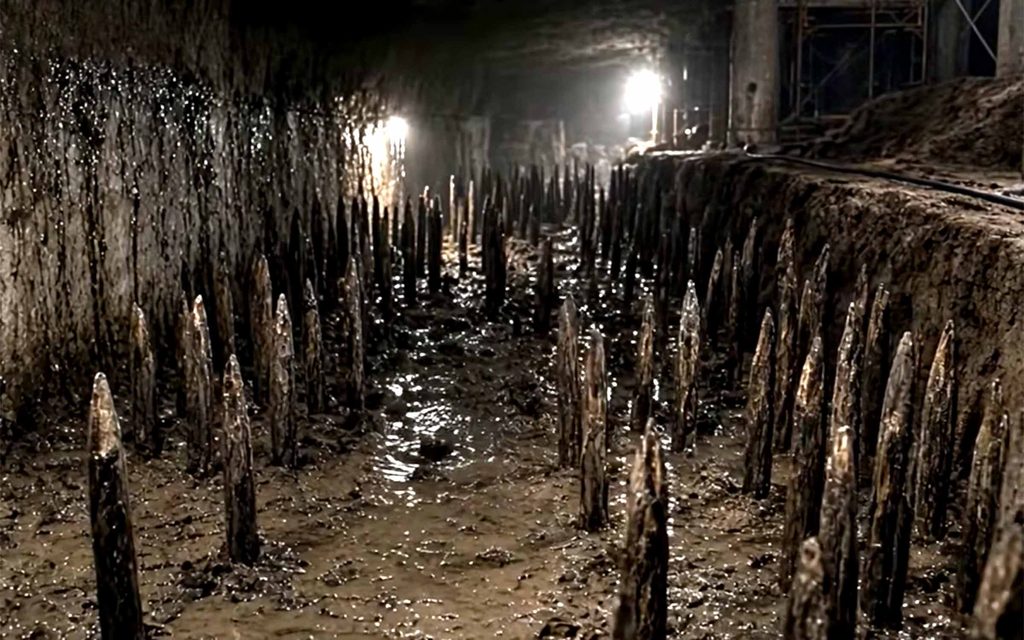
(Above) Indigenous tribes constructed shelters called wetus that were covered with bark or grass mats and fishing weirs in the rivers to make it easy to catch the abundant supply of fish. Remains of a large fishing weir was discovered 30 feet underground in downtown Boston in 1913.
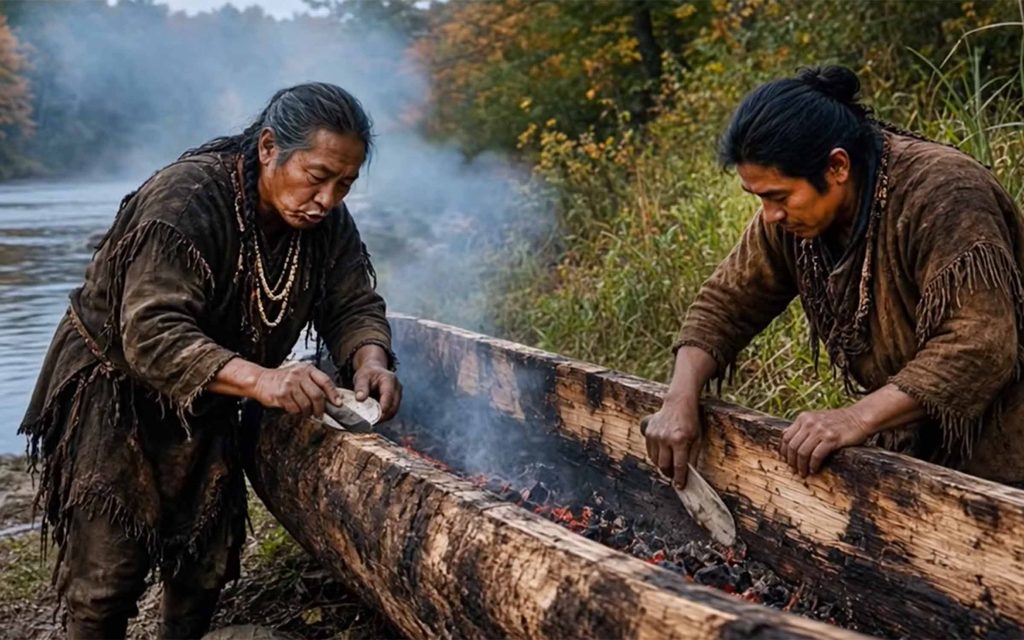
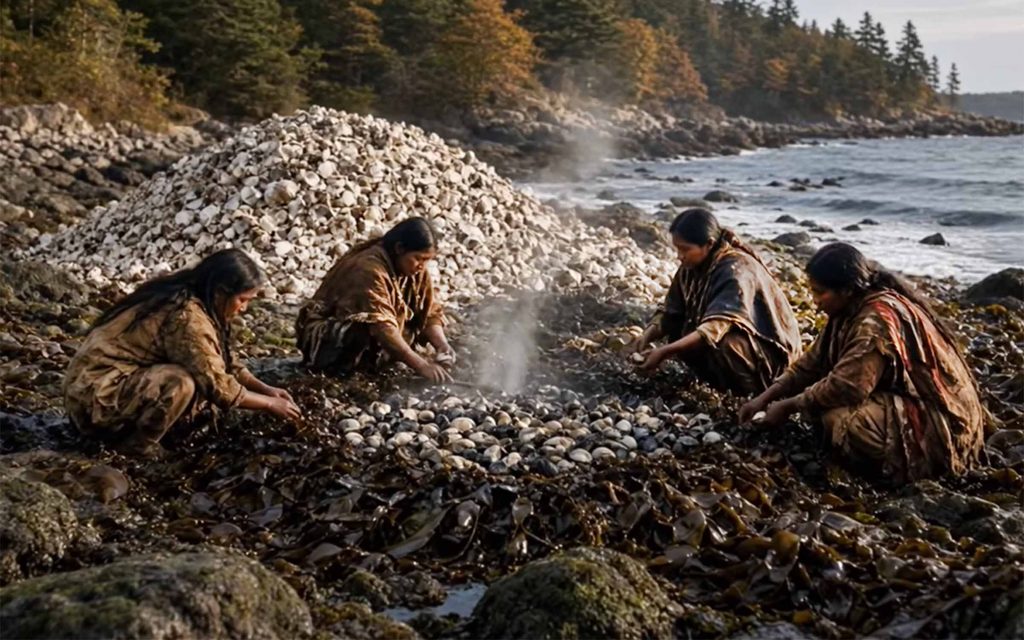
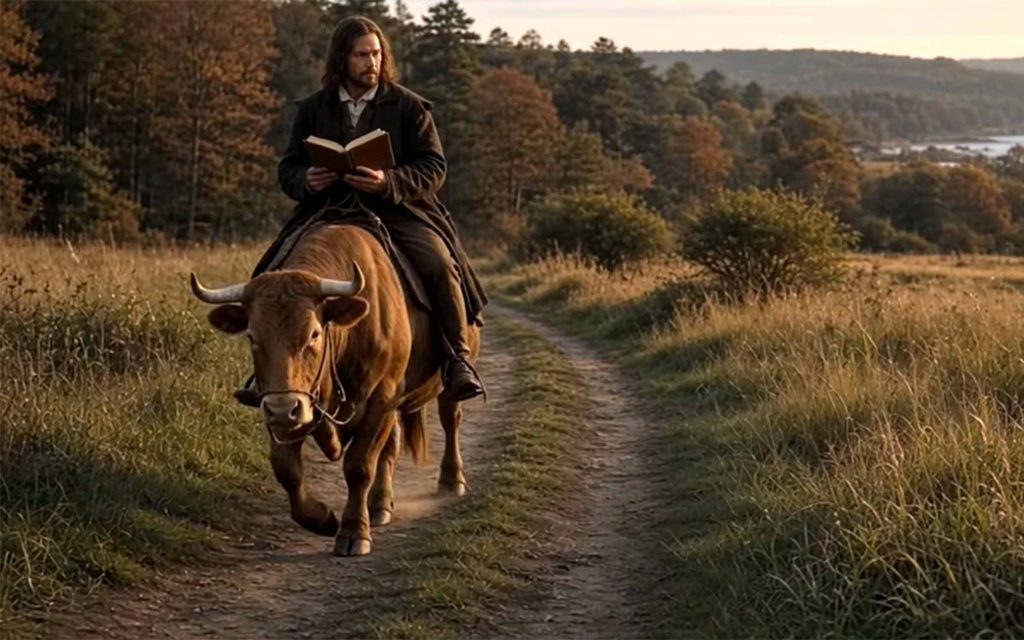
(Above, left and center) Wooden boats called “mishoons” were crafted by burning the inside of large logs. Shellfish were harvested from the rivers and baked in large pits, creating “middens” or piles of shells. (Above, right) English settler William Blaxton was the first European to live on the Shawmut Peninsula but left on the back of an ox in 1634 to settle in today’s Rhode Island.