
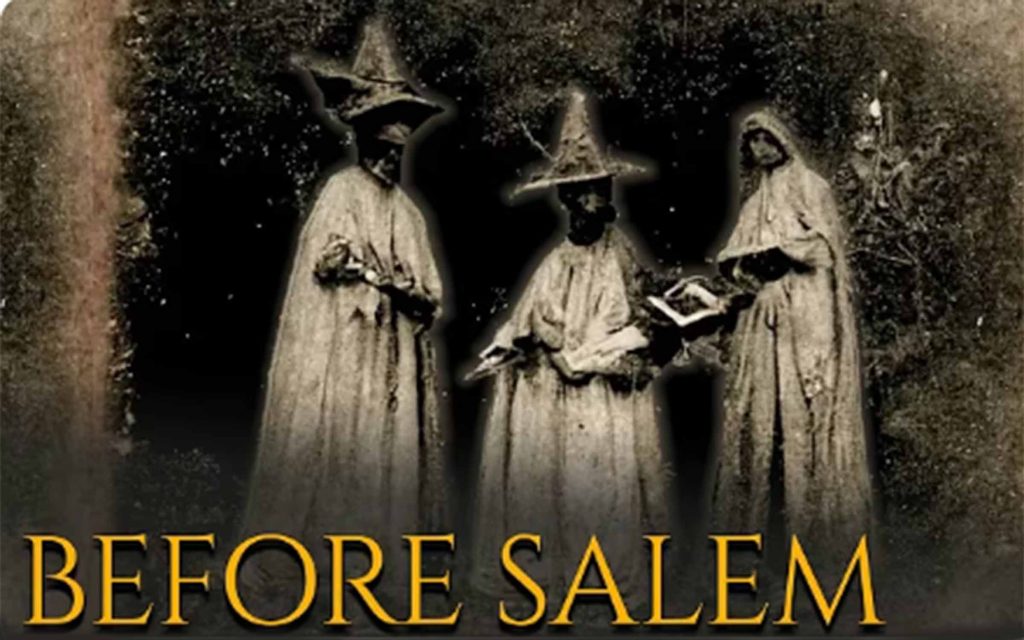
The Salem Witch Trials are the most famous witch trials in world history, but they actually came toward the end of a period that historians call “The Great Witch-Hunting Era.” What happened at Salem is based on the political and religious environment in Europe dating back centuries. In this 43-minute video posted on November 7, 2025 by Religiosity Plus, you will look at the European religious and political environment that created the witch craze and trace the developing idea of the modern witch into colonial New England. If you are interested in the Salem witch trials, this video is a masterclass on the ideas and ideals that made Salem possible!
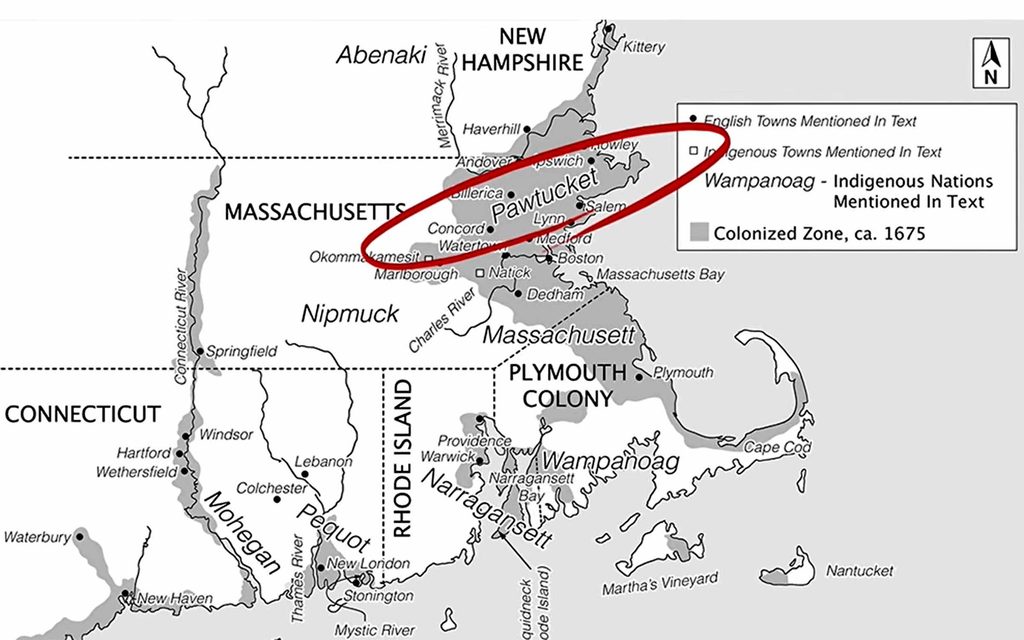
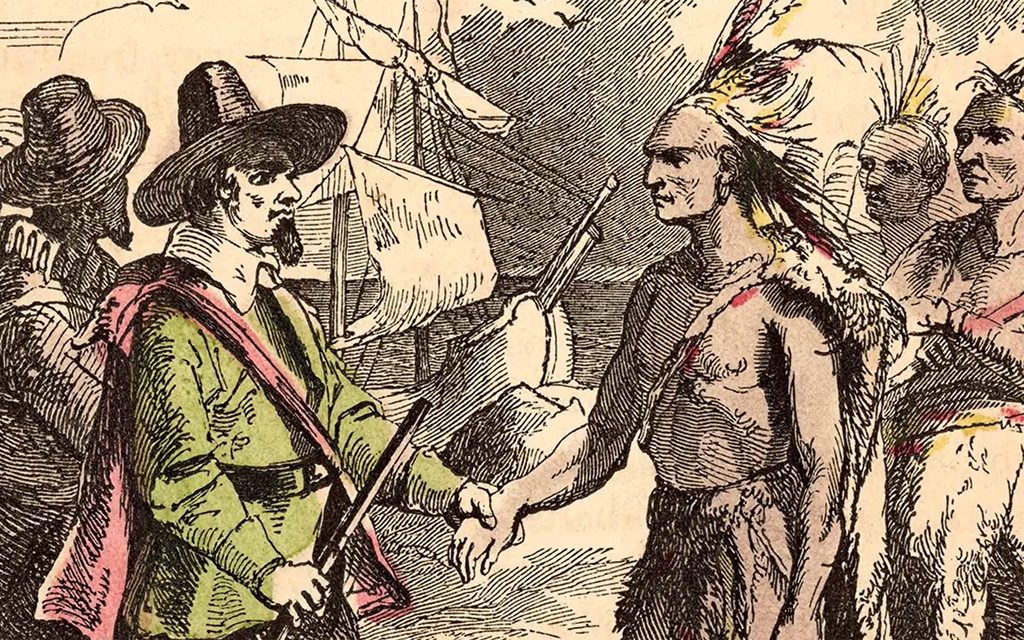
Host Luke Burns (above, left) explores the complex historical, religious, and political roots that set the stage for the infamous Salem Witch Trials of 1692. He emphasizes that the trials did not happen in a vacuum but were the result of centuries of European folklore, Puritan theology, and social anxiety blending together.
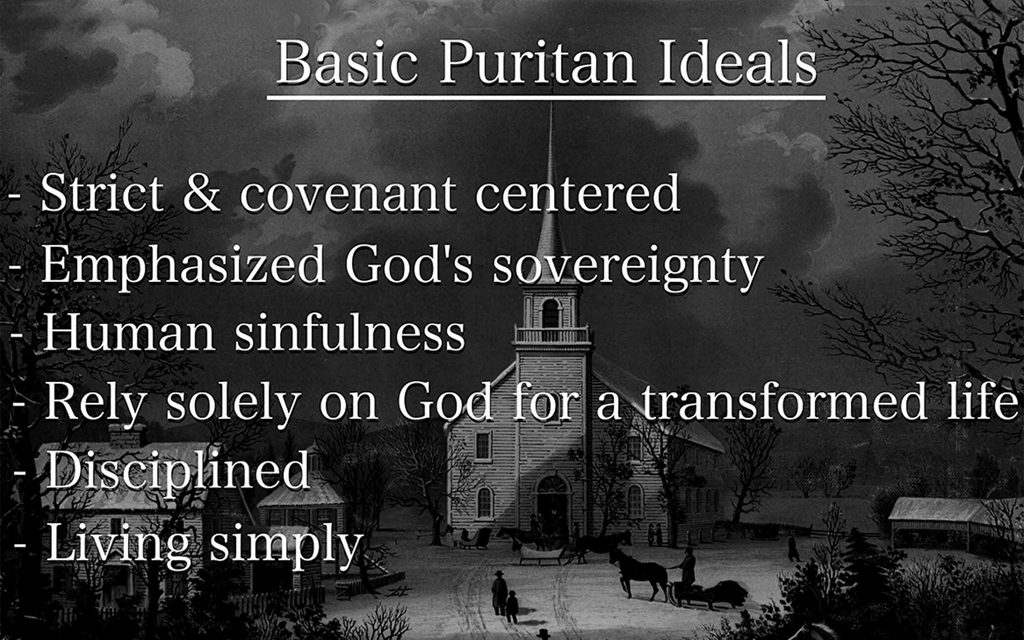
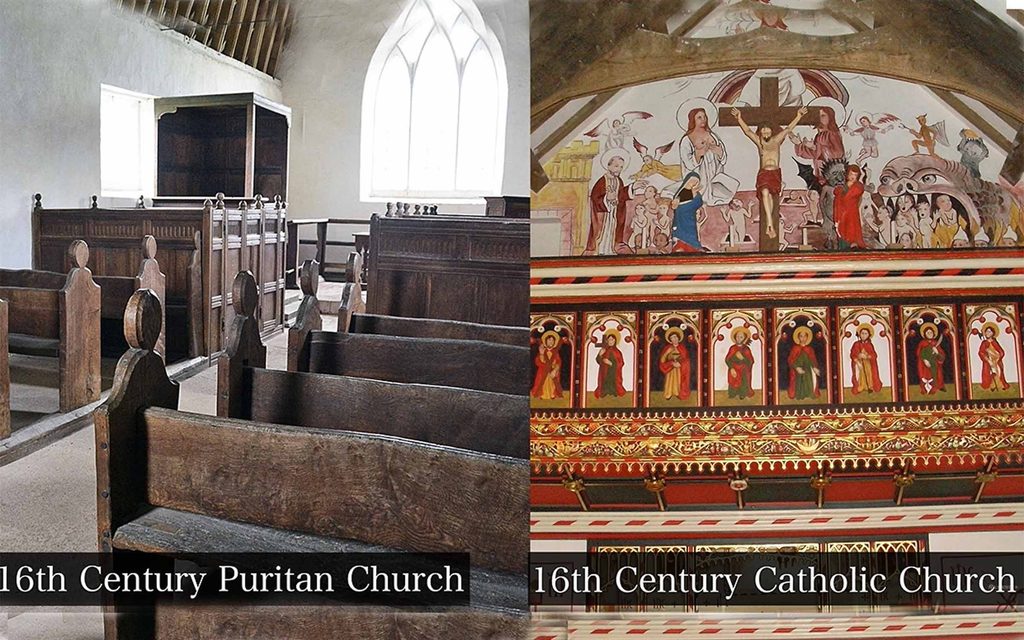
The settlers in America believed in a world where the supernatural was constantly intermingled with daily life. They struggled with the internal pressure of determining if they were part of God’s “elect,” which fostered a communal sense of vigilance against sin. Puritans unintentionally fused their reading of the Bible with pre-existing European folk myths about witches, familiars, and demonic pacts
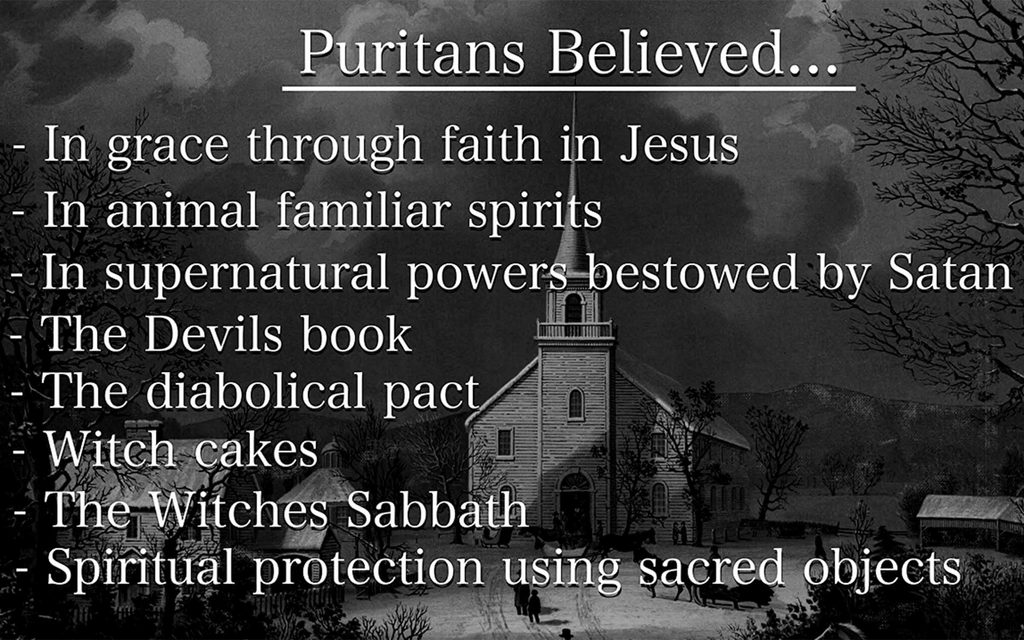
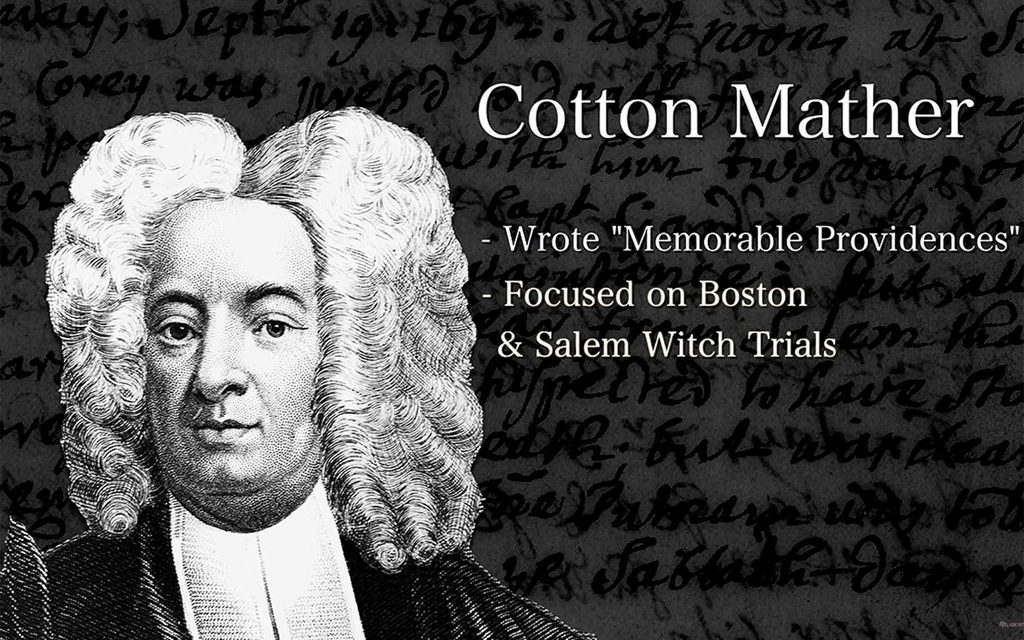
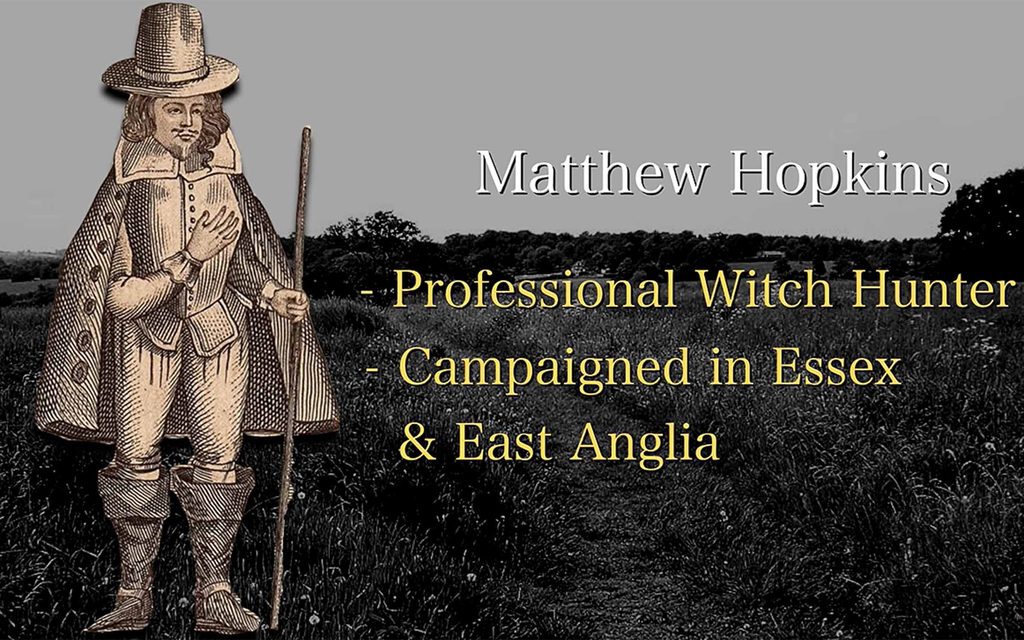
Witch hunts were common in Europe during the “Great Witch-Hunting Era” (1450–1750), and immigrants brought these traumatic experiences, legal frameworks (such as the Witchcraft Act of 1542), and fear of the dark arts with them to the New World The 1688 trial of Goody Glover in Boston is presented as the critical blueprint for Salem. The trial, documented by Cotton Mather, introduced key elements—such as the accusation of an outsider, the use of “puppets,” and the belief that killing one witch would not end the supernatural threat—that would later define the hysteria in Salem. Professional witch hunters like Matthew Hopkins worked in England during the English Civil War..