
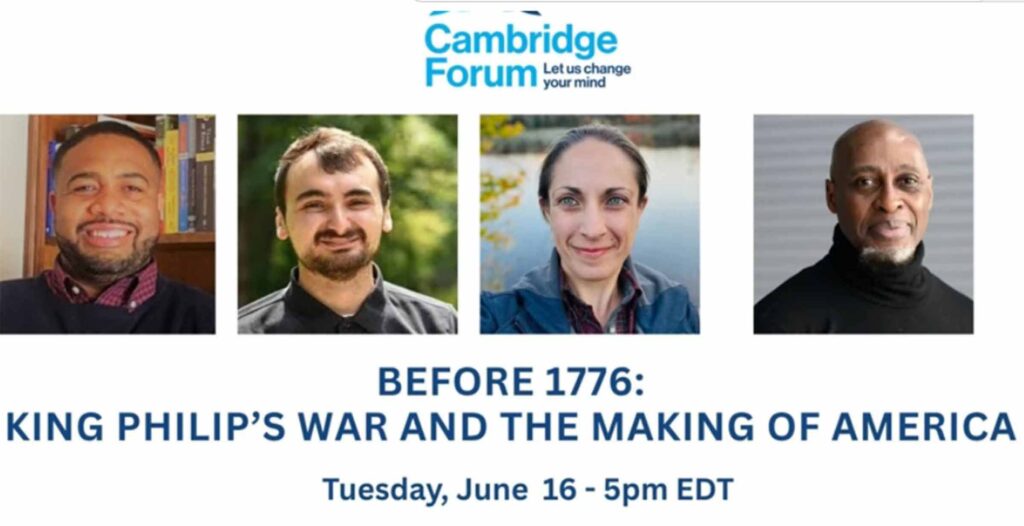
Massachusetts soil could tell two stories. The best-known one is celebrated every July 4th. The other — older, bloodier, and deliberately buried — is the one that should be understood first. One hundred years before the American Revolution, King Philip’s War engulfed the Indigenous nations of southern New England: Wampanoag, Nipmuc, Narragansett and others, in one of the deadliest conflicts in North American history relative to the population. When it ended, the colonial winners didn’t just claim the land, they also claimed the story. It is a narrative of inevitable destiny, of brave but doomed resistance, of a continent naturally passing from one civilization to the next. Click here for an one-hour discussion held by the Cambridge Forum and posted on July 16, 2026 by the the GBH Forum Network.
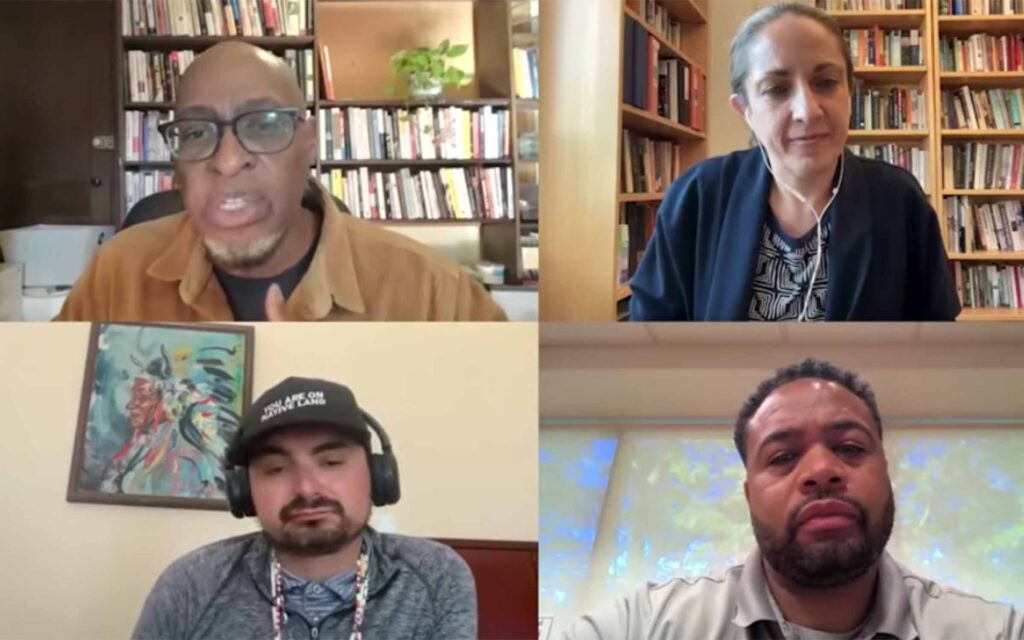
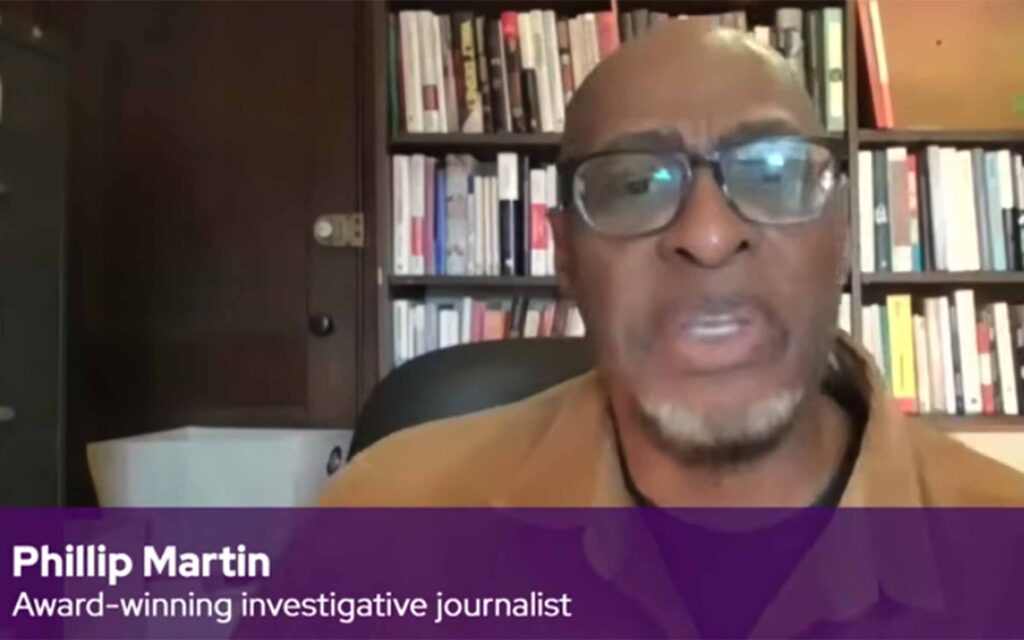
Hosted by journalist Phillip Martin, this conversation features Indigenous panelists from local tribal communities and asks what it means that we have held onto this story, and of never fully told the other one.
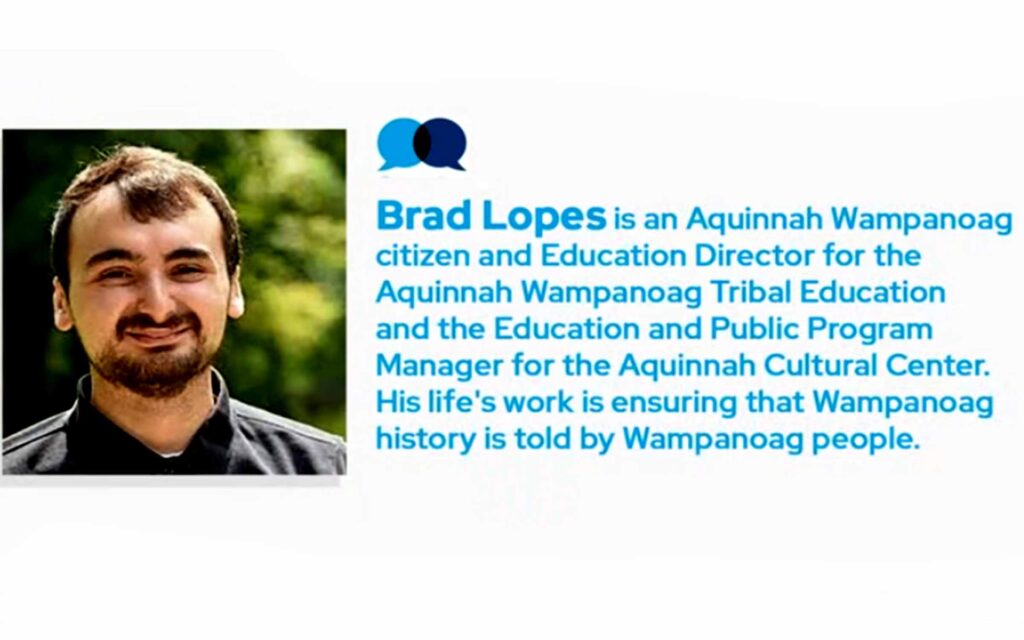
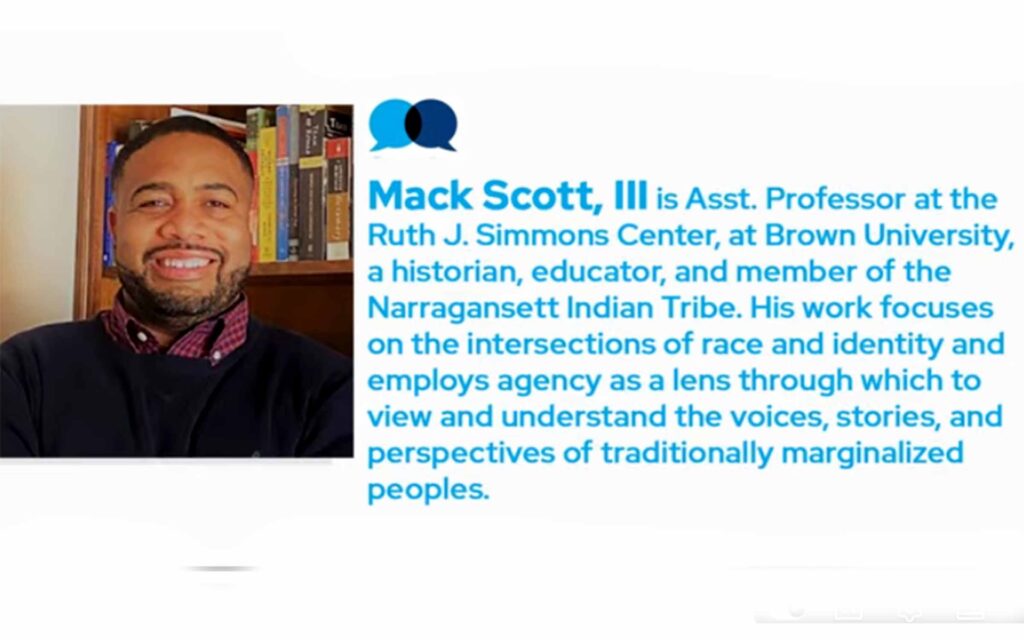
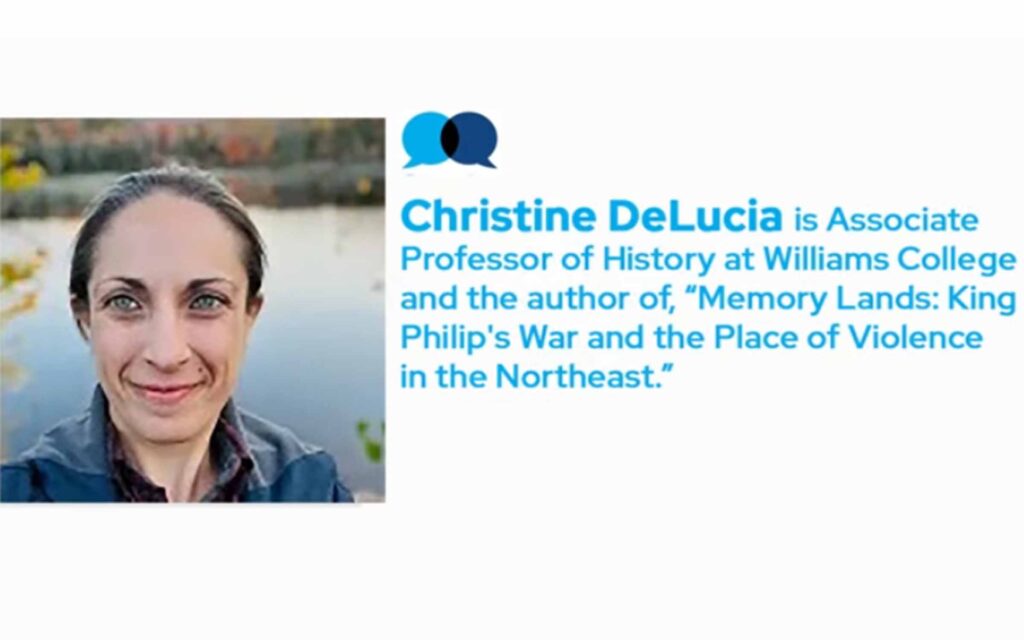
In Wampanoag country, the War’s end was total: leaders killed, survivors enslaved. What did colonists find when they arrived, and what did they dismantle? What was lost that we still don’t fully understand?
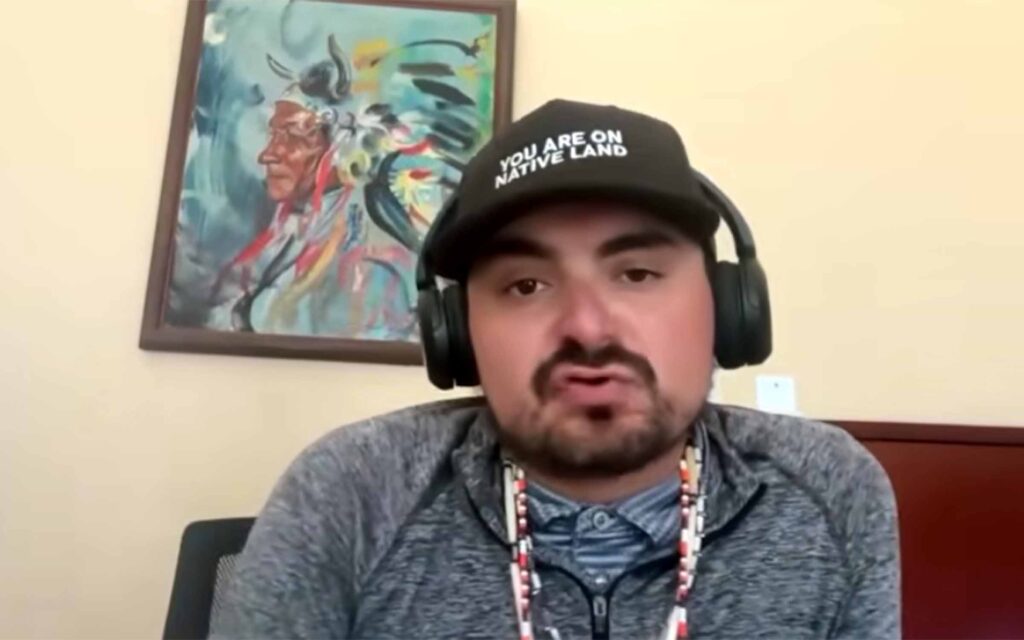
The wars with Native Americans didn’t end in New England; they migrated westward with the expanding nation. Was the logic of dispossession already present in the Pilgrims’ earliest encounters with the First Nations? Does Mary Rowlandson’s popular captivity narrative tell us as much about the making of American racial and gender identity as it does about war?