
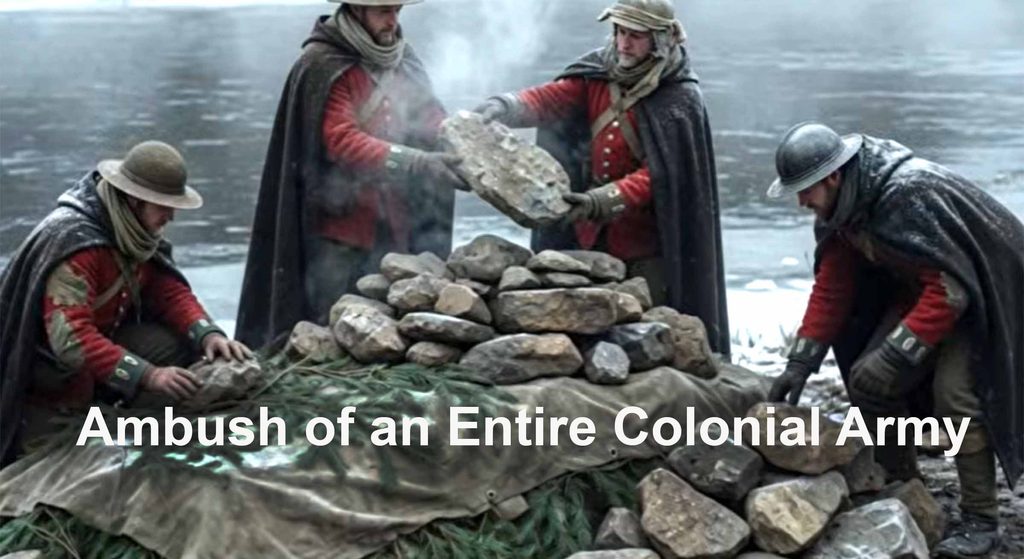
Across the Blackstone River from the Massachusetts town that shares its name, there is a pile of stones that has stood since 1676. It is believed to be the oldest war memorial in the United States. The town has almost no idea it exists. This 10-minute documentary, posted on August 8, 2026 by New England Untold, follows the chain of events that put those stones there — beginning not with a battle, but with a deed. A land transaction in 1662 that traded sixty-four square miles of Nipmuc homeland for goods valued at approximately twenty-four pounds sterling. The war was the second. The guardian system was the third. The Hassanamisco Band of the Nipmuc Nation is in Grafton, Massachusetts today. The Chaubunagungamaug Band is in Webster. The Hassanamisco Reservation has never left tribal ownership. The Nipmuc were not erased. The town of Blackstone, Massachusetts carries the name of the one colonist in this valley who believed the Nipmuc were the land’s rightful owners — and who died before he could see that belief overridden by every institution that outlasted him.


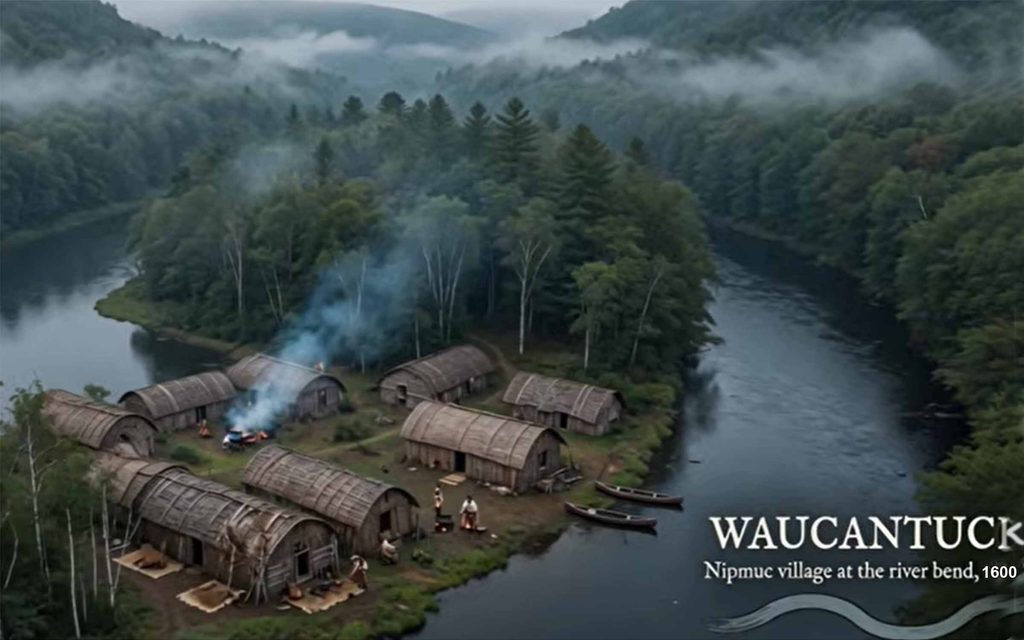
What followed was King Philip’s War, the most devastating conflict in New England history by proportion of population — and the Blackstone River corridor was at the center of it. NEW ENGLAND UNTOLD examines the true founding of Blackstone, Massachusetts — not the mill-town legacy the valley is famous for, but the earlier story the valley has almost entirely forgotten. The Nipmuc people — who called the river Kuttacuck and their homeland Squinshepauke — had lived in this valley for thousands of years when two men from Braintree and Weymouth arrived with a document in September 1662.
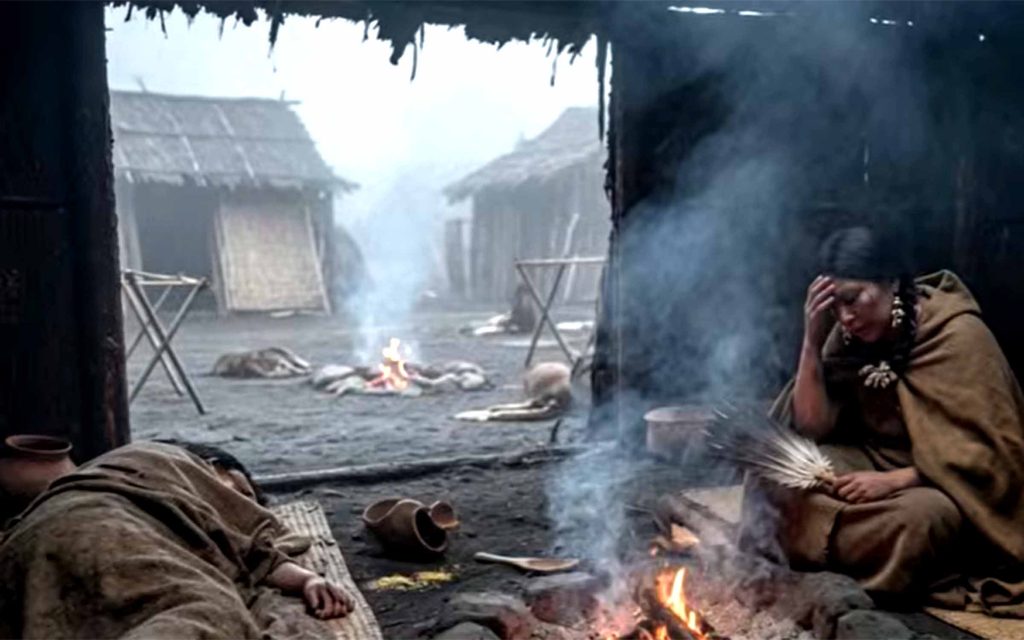
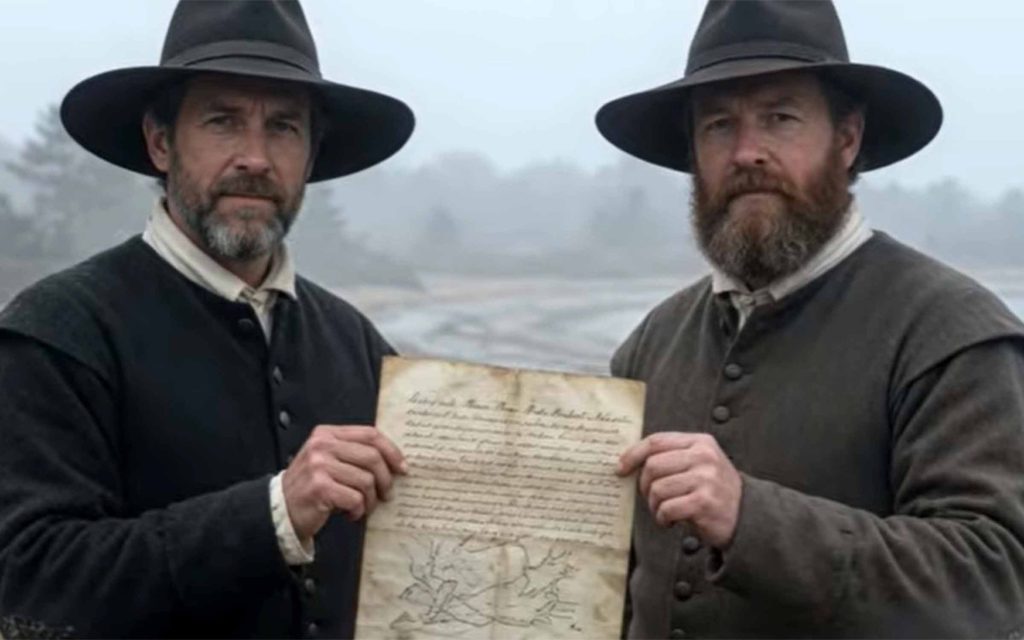
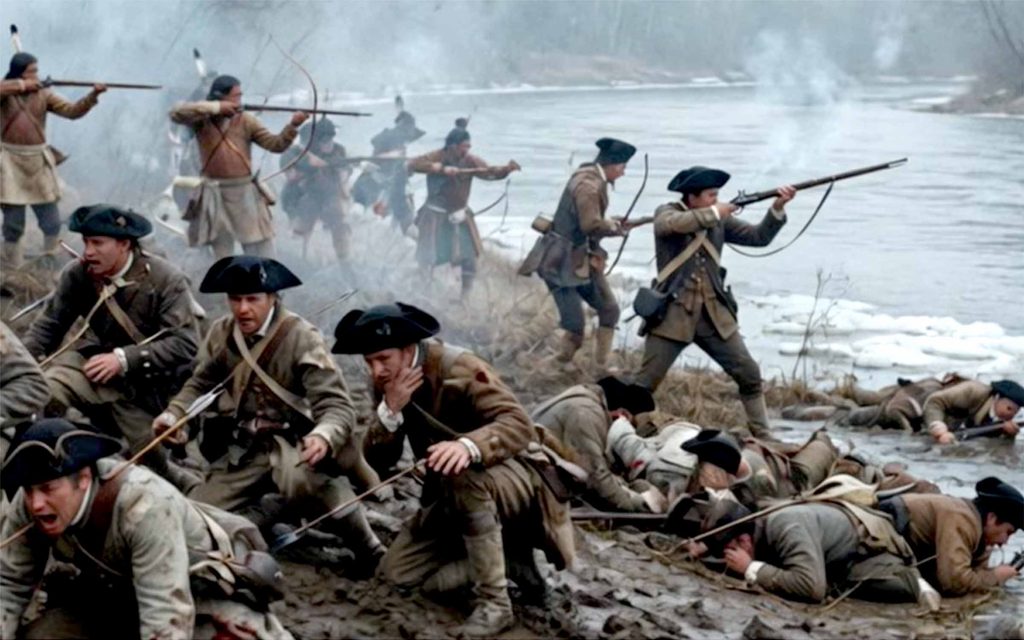
What happened next is documented: the colonial General Court incorporated the territory as the town of Mendon in 1667. On July 14, 1675 — less than seven weeks after the death of the valley’s first European settler, William Blackstone — the Nipmuc struck Mendon in the first major attack of King Philip’s War in the Massachusetts Bay Colony. The town was burned and abandoned. On March 26, 1676, a Narragansett-led coalition under the sachem Canonchet ambushed a colonial force near the Blackstone River. Fifty-five of sixty-three soldiers were killed. Nine prisoners were tortured to death.
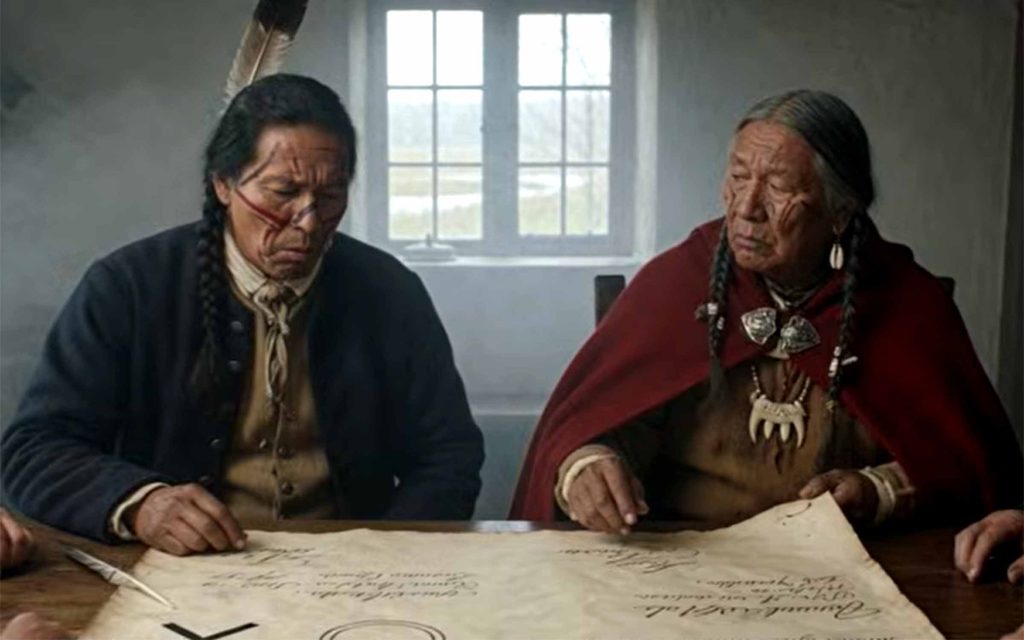
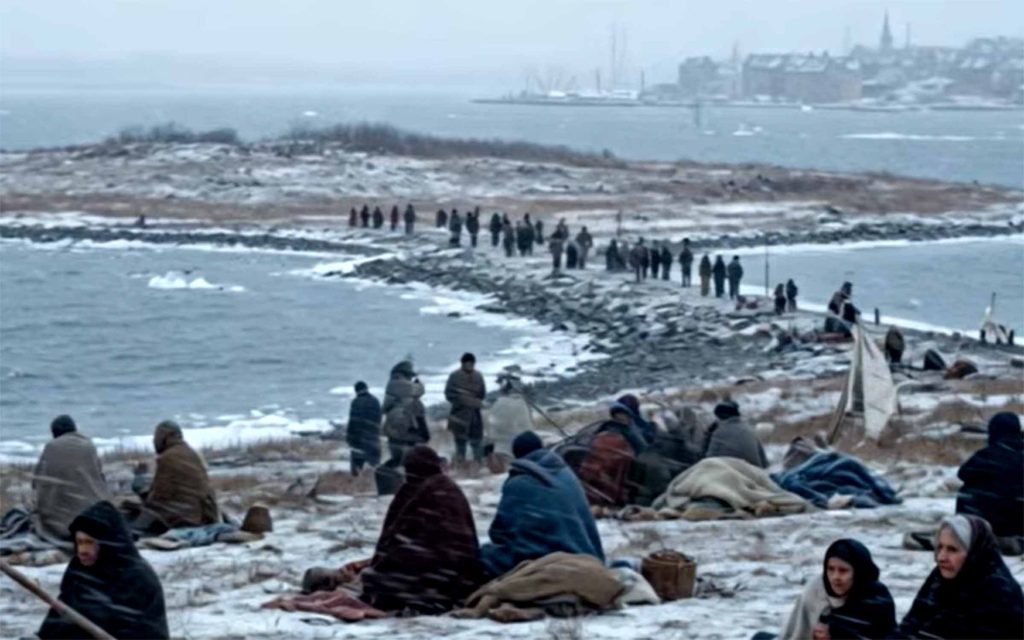
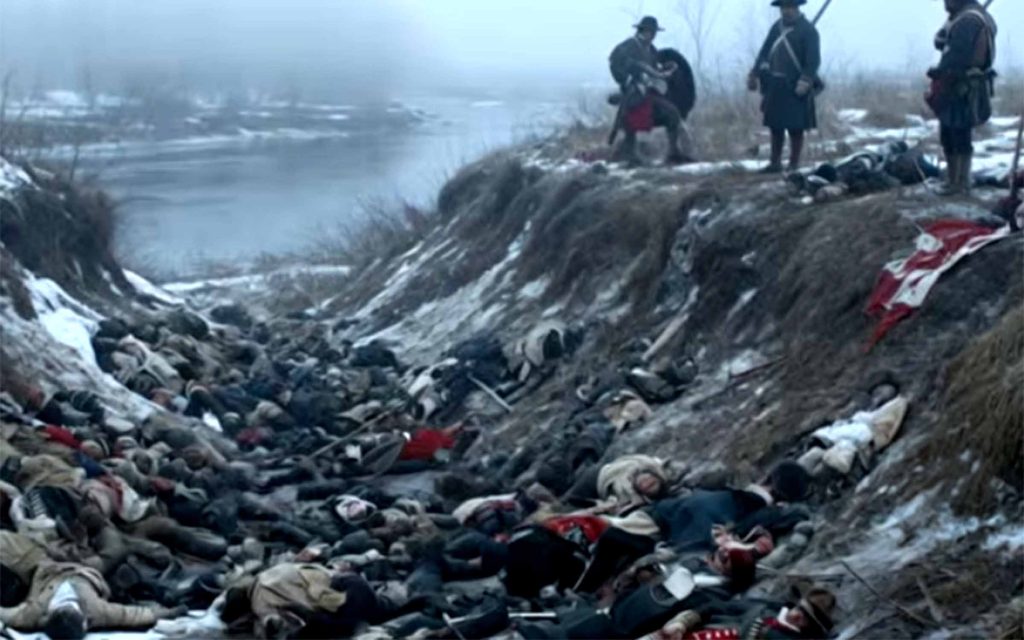
What the document recorded as a purchase, and what the Nipmuc sachems Great John and Quashaamit understood themselves to be signing, may not be the same thing. That gap has never been resolved. The survivors built a cairn over the dead from stones gathered off the ground. That cairn still stands. The war ended in August 1676. The dispossession did not. The Massachusetts Bay General Court executed Nipmuc men as combatants, sold Nipmuc women and children into slavery, and installed a guardian system that stripped surviving Nipmuc of any legal standing over their own land and movement. Meanwhile, the General Court continued allotting Nipmuc country as new English towns. The deed was the first instrument.