
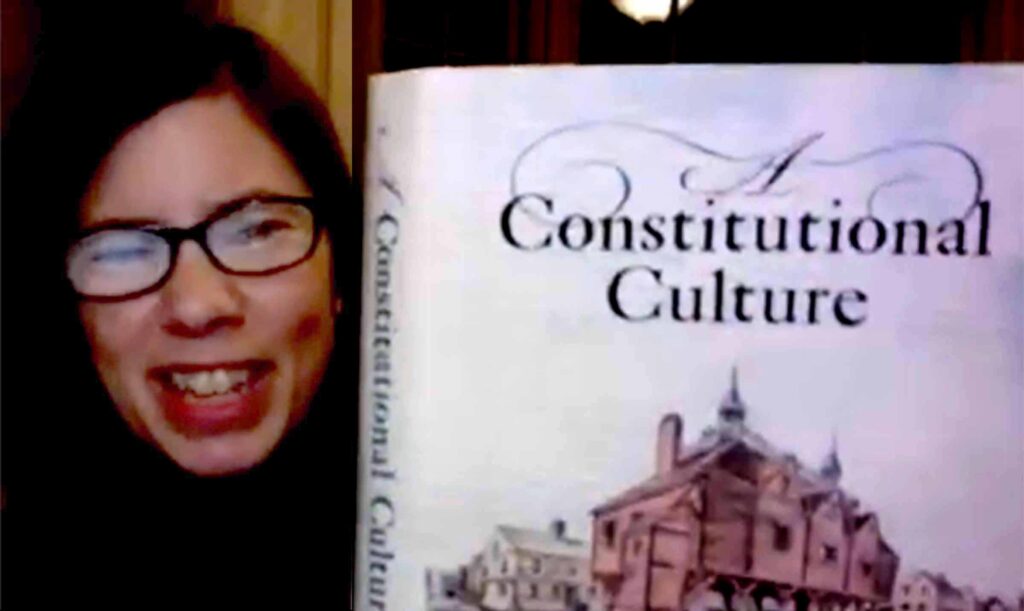
In the wake of his 1660 restoration, Charles II’s government demanded that Puritan-led colonies change their voting practices, baptismal policies, and laws. For many New Englanders, these innovations were tantamount to an all-out challenge to their founding principles: self-government, religious accountability, accessible courts. Would they agree to Charles II’s demands? Watch this illuminating and original presentation by Adrian Chastain Weimer to understand the deep roots of a constitutional culture long before the American Revolution.


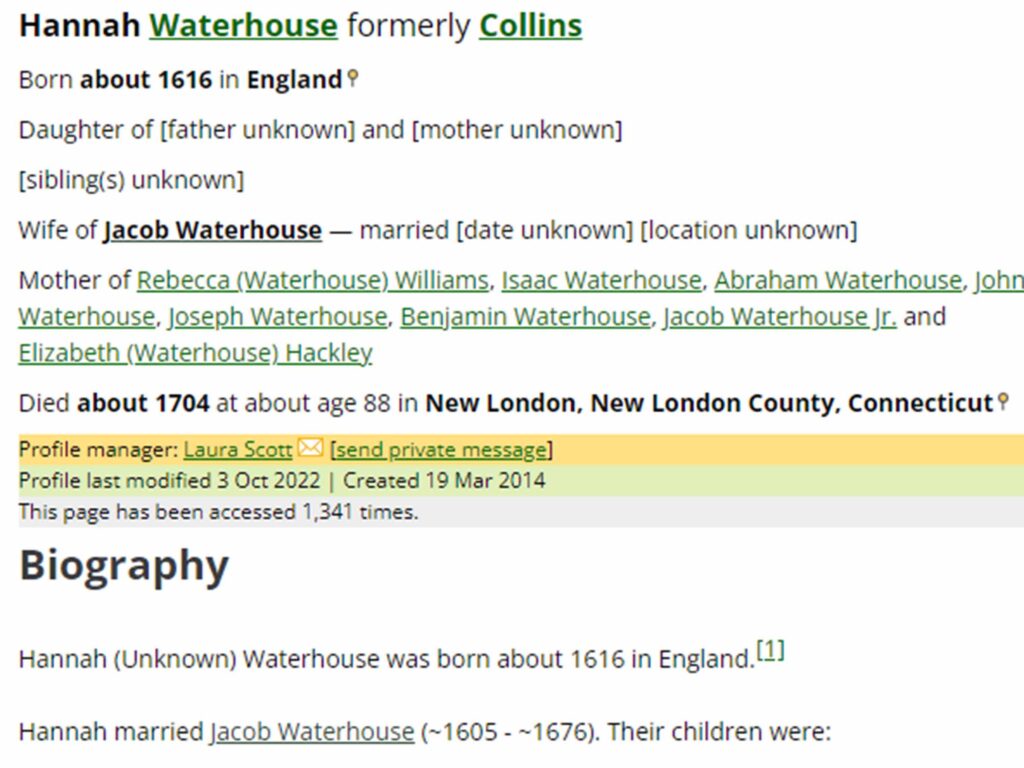
(Above) Lori Stokes introduces Adrian Chastain Weimer, professor of history at Providence College. She is the author most recently of A Constitutional Culture: New England and the Struggle against Arbitrary Rule in the Restoration Empire, which centers on grassroots political mobilizing in the 1660s, when Puritan colonists creatively organized to protect local institutions from the demands of the newly restored Stuart monarchy. She begins with the story of Hannah Waterhouse.
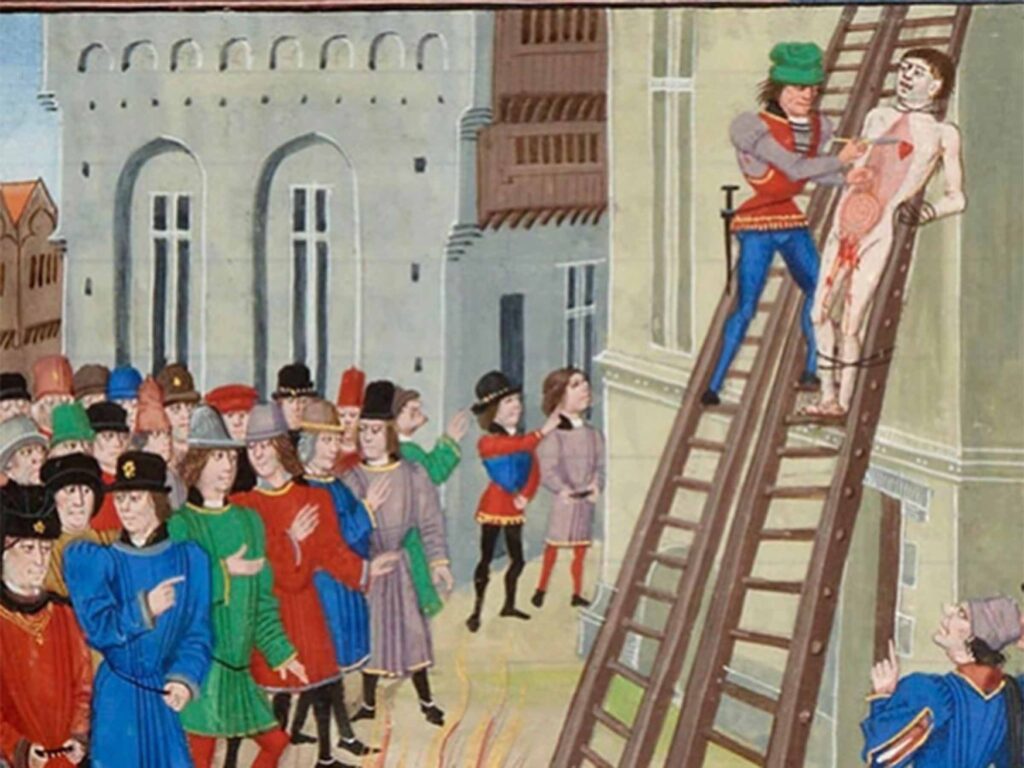
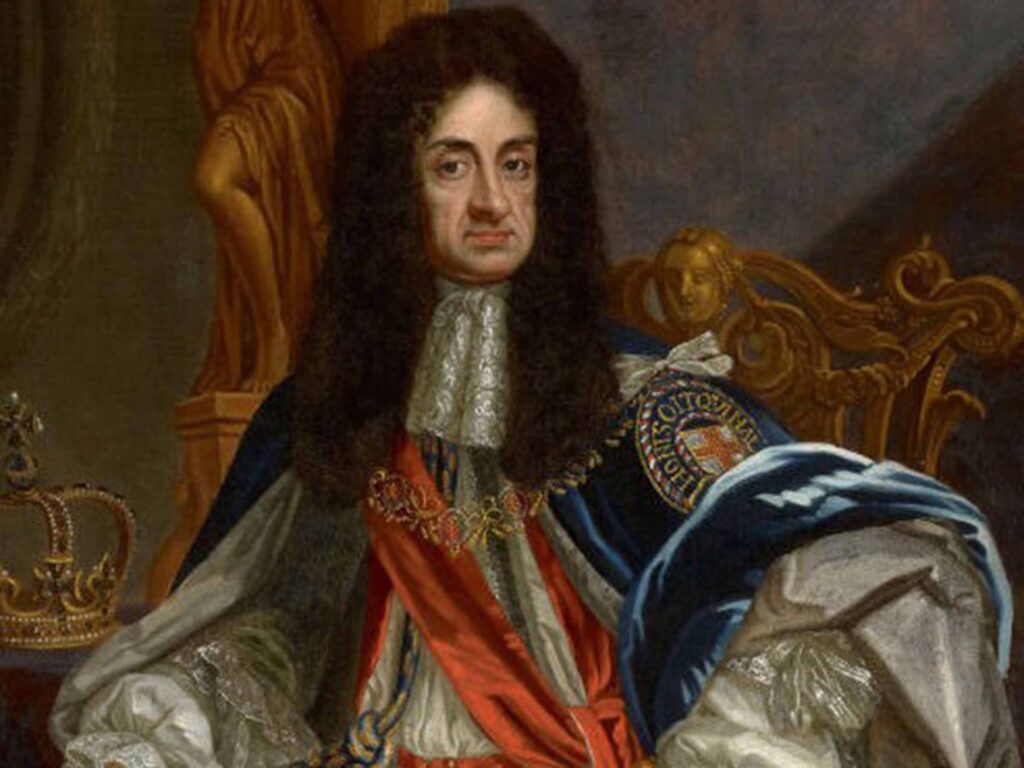
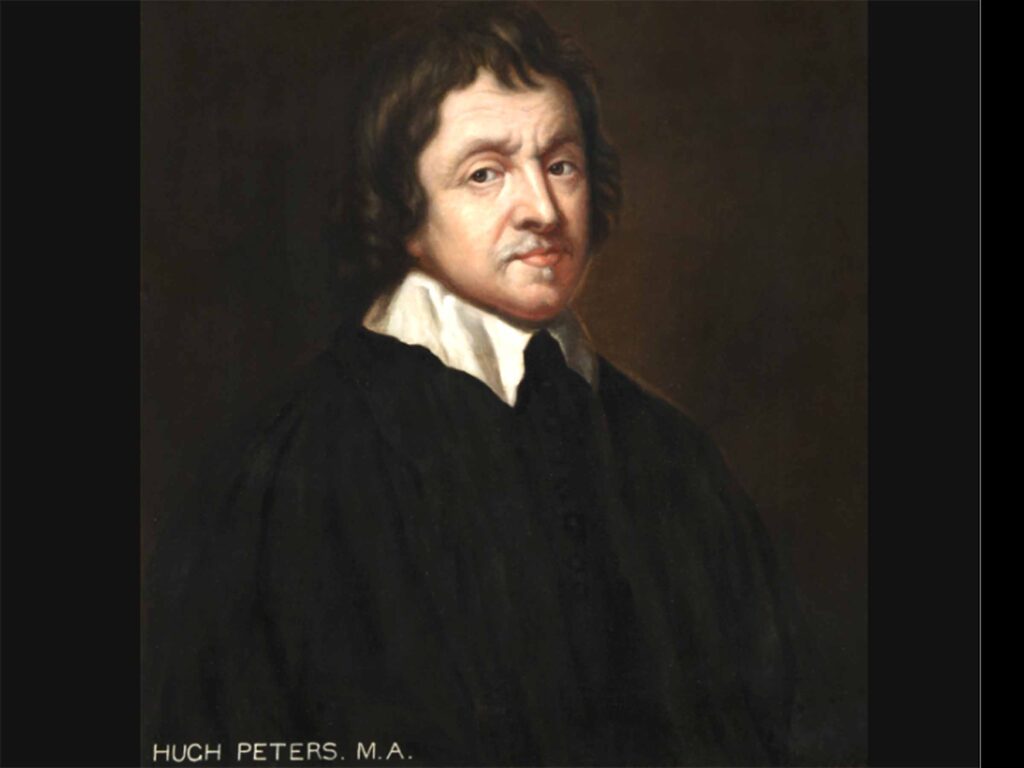
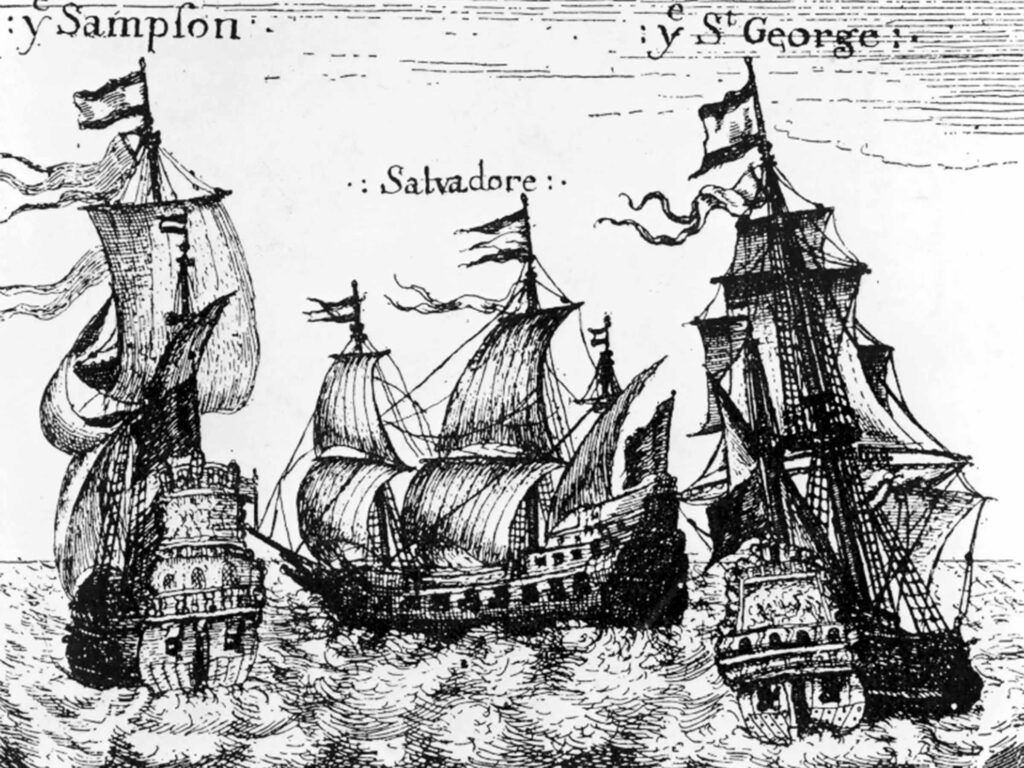
To enforce his demands for greater fealty, the king sent four royal commissioners on warships, ostensibly headed for New Netherland but easily redirected toward Boston. In the face of this threat to local rule, colonists had to decide whether they would submit to the royal commissioners’ authority, which they viewed as arbitrary because it was not accountable to the people, or whether they would take action to defy the crown. (Above, right) a potrait of Hugh Peters.
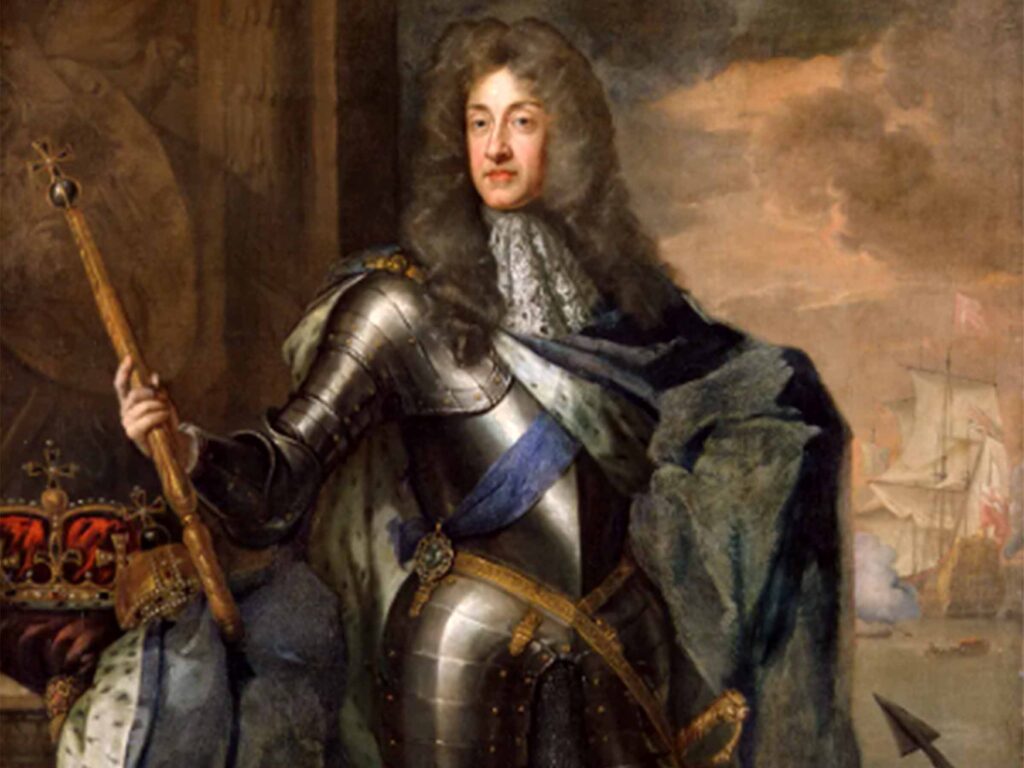

Those resisting the crown included not just freemen (that is, voters) but also people often seen as excluded or marginalized, such as non-freemen, indentured servants, and women. Together they crafted a potent regional constitutional culture in defiance of Charles II that was characterized by a skepticism of metropolitan ambition, a defense of civil and religious liberties, and a conviction that their self-government was divinely sanctioned. They expressed this constitutional culture through a set of well-rehearsed practices – including fast days, debates, committee work, and petitions. Equipped with a ready vocabulary for criticizing arbitrary rule, with a providentially informed capacity for risk-taking, and with a set of intellectual frameworks for divided sovereignty, the constitutional culture that New Englanders forged would not easily succumb to an imperial authority intent on consolidating its power.