

Investigating the Angel of Hadley legend separates local folklore from historical fact. Learn the story of this mysterious figure in this episode that examines the historical accounts surrounding the Angel of Hadley, a figure said to have appeared during a colonial conflict. By analyzing period settings and historical records, we distinguish between verifiable events and the evolving folklore that has persisted for generations. Understanding New England history requires a careful approach to oral traditions and contemporary documentation. We explore how genealogy research provides context for these accounts, helping to clarify the reality behind the myth. Whether you are a student of colonial history or a researcher of historical legend, this breakdown offers a clearer view of the past in a 27-minute video posted on October 14, 2026 by Trace Your New England Roots.

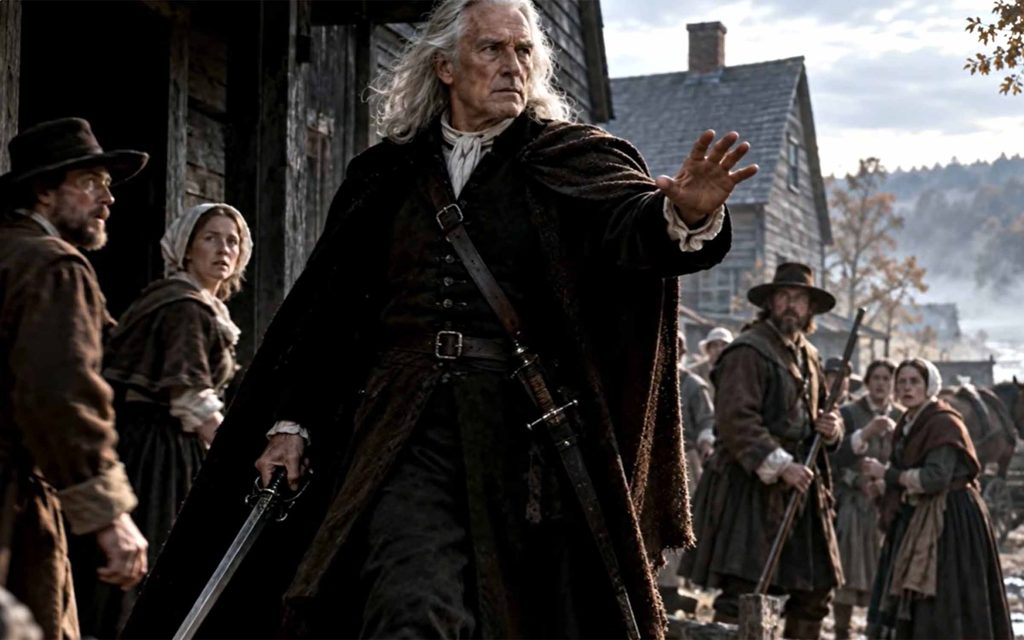
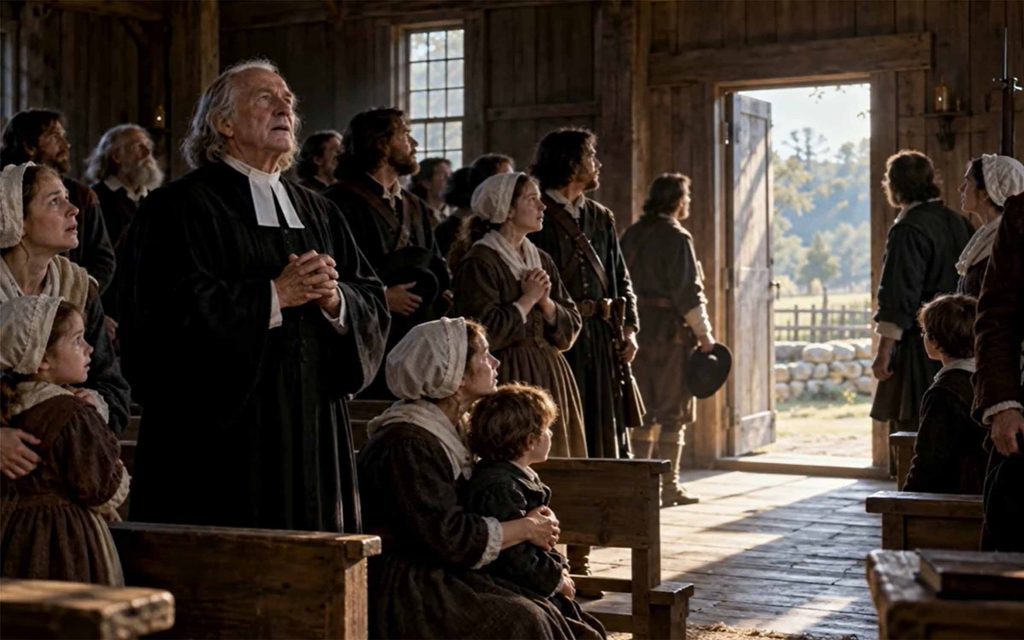
(Above) During the beginning of King Philip’s War, the story was told of a man who appeared from nowhere to organize the residents of the frontier town of Hadley to fend off an attack by Native warriors. As soon as the danger was over, the man fled, never to be identified.

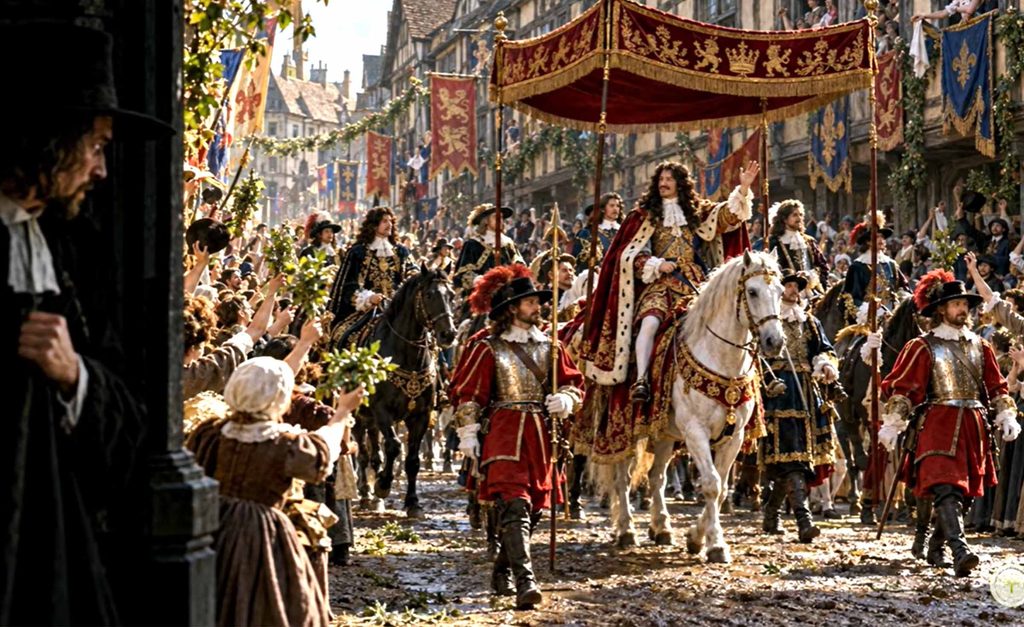
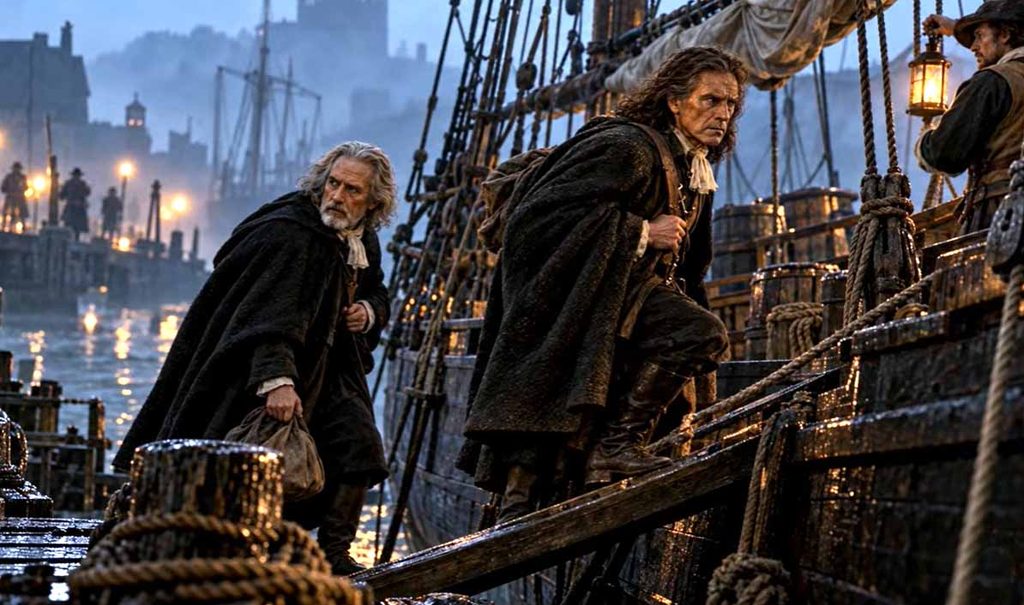
(Above) In the 1640s in England, William Goffe helped to plan the execution of King Charles I . When the monarchy was restored in 1660, King Charles II ordered that all who were involved in his father’s execution be hunted down and arrested. Goffe and a friend of his named Edward Whalley boarded a ship to New England in an effort to escape.
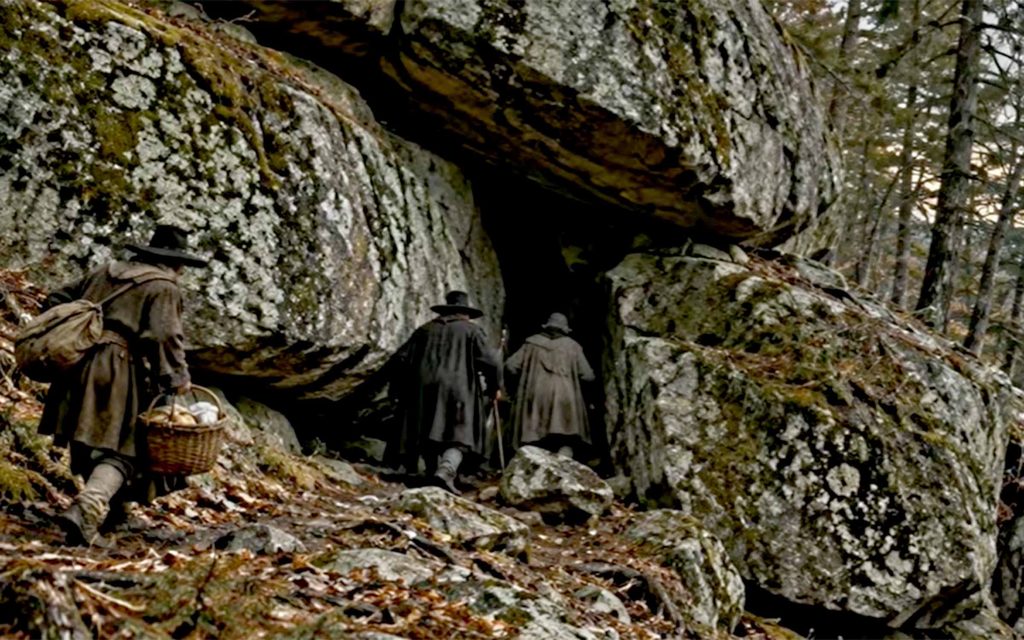
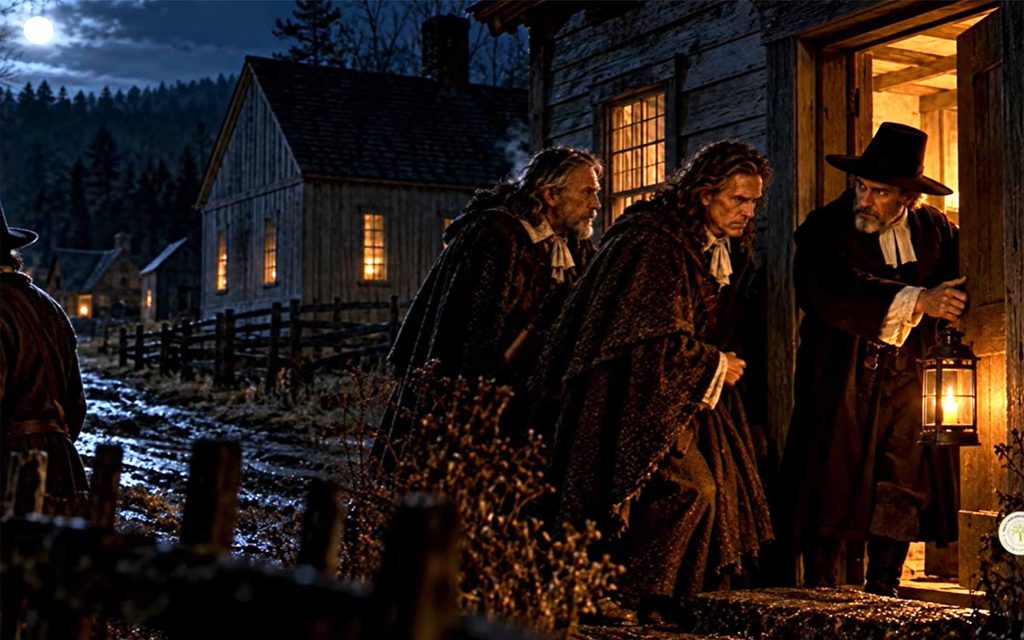

(Above) People loyal to the King began to pursue those involved in the regicides in New England, and Goffe and Whalley were forced into hiding, both in a Connecticut cave and in the home of Rev. Authors, including Thomas Hutchinson in 1764, wrote about the legend. Years later as the story was analyzed, it began to appear that the incident in Hadley had taken place later in May, 1676.