

A stream in Tiverton is named after the March 28, 1676, murder of Quaker preacher and resident Zoeth Howland during King Philip’s War. Howland was ambushed and killed in the woods, and his mutilated body was thrown into the stream, which local tradition then dubbed the “Sinning Flesh River,” later shortened to “Sin and Flesh Brook“. In later centuries, the water of the brook powered local saw, grist, and thread mills. Click here for a four-minute video about the Brook posted on September 1, 2026 from one edited and posted by Dime Store Adventures. Click here for more about the Brook on the Tiverton Historical Society page.
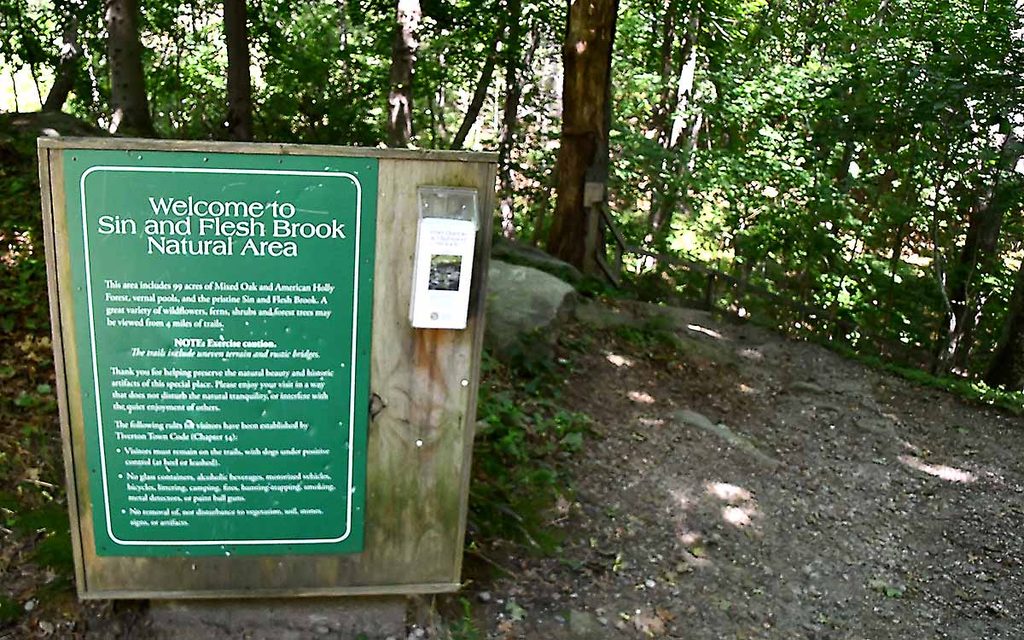
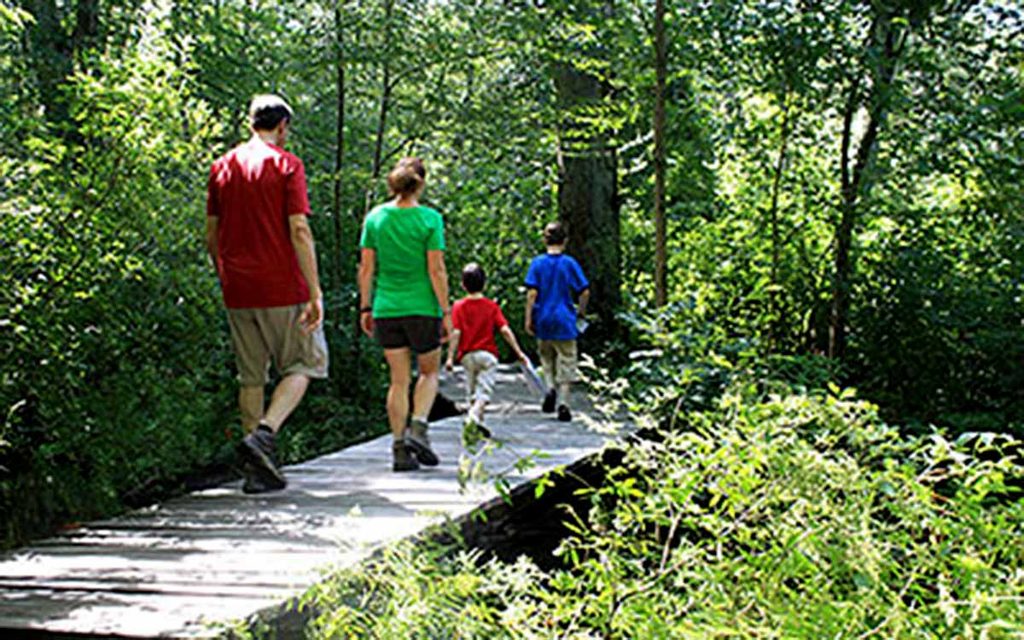
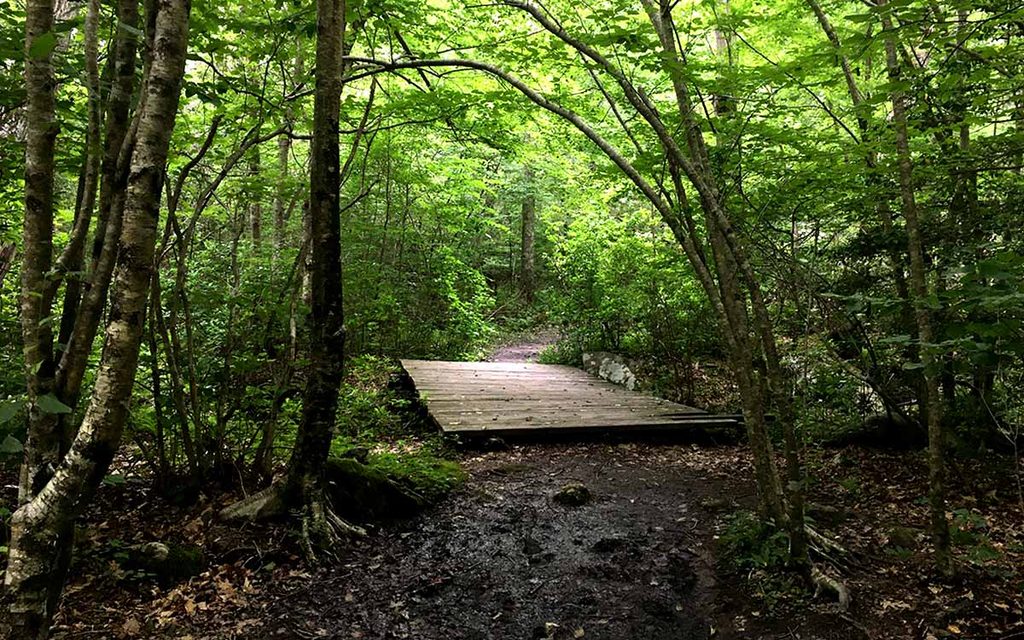
The Brook winds through the historic Fort Barton Woods and the Tiverton Land Trust sanctuary areas. Visitors can explore the area via the Fort Barton/Sin and Flesh Brook Trail, a popular 2.4-mile moderately challenging loop trail featuring rustic wooden footbridges, vernal pools, and a thick canopy of oak, maple, and holly trees.
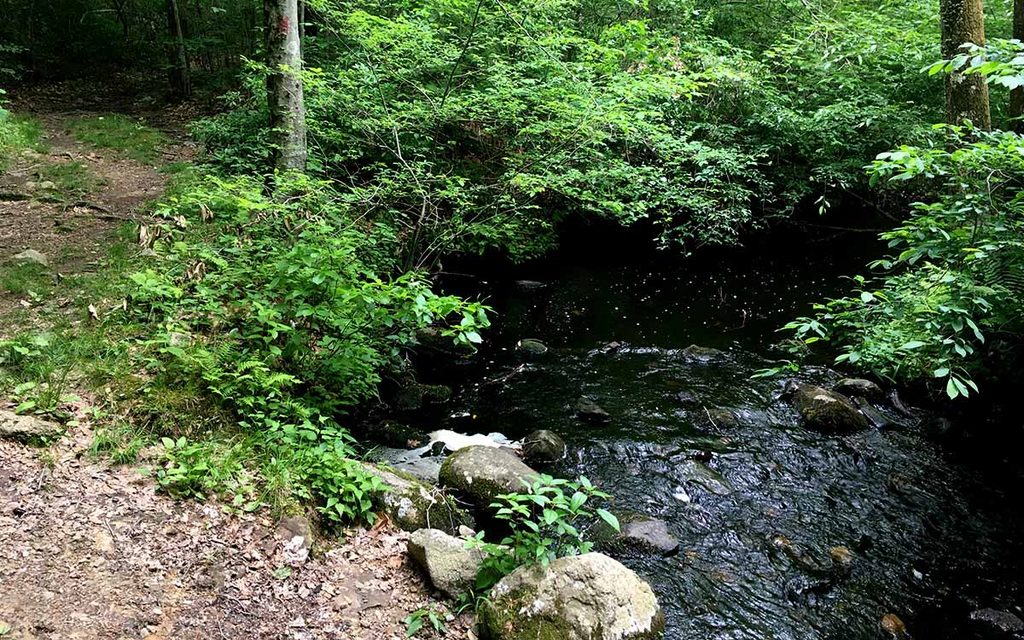
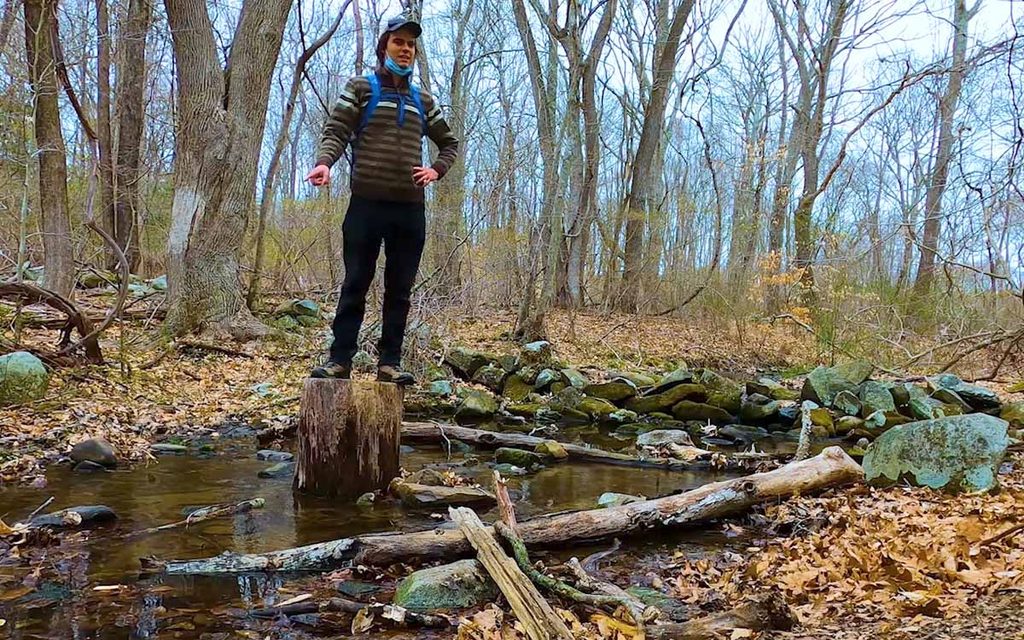
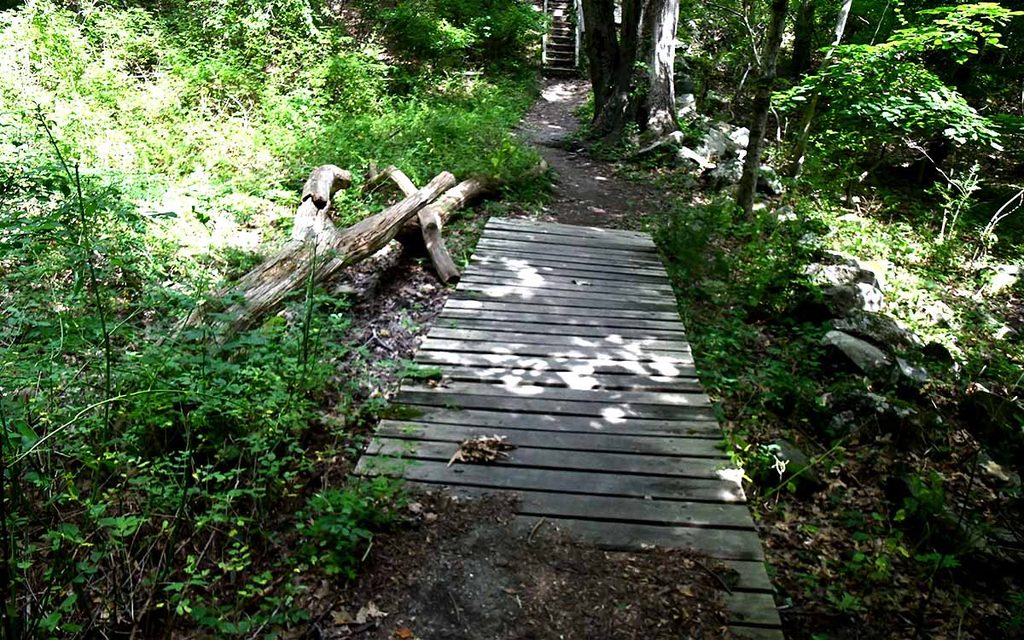
Thick, verdant ferns cover the banks. The trail has multiple wooden bridge crossings and steep steps. Many trees, such as sassafras, black cherry, and hickory, can be found in the forest.
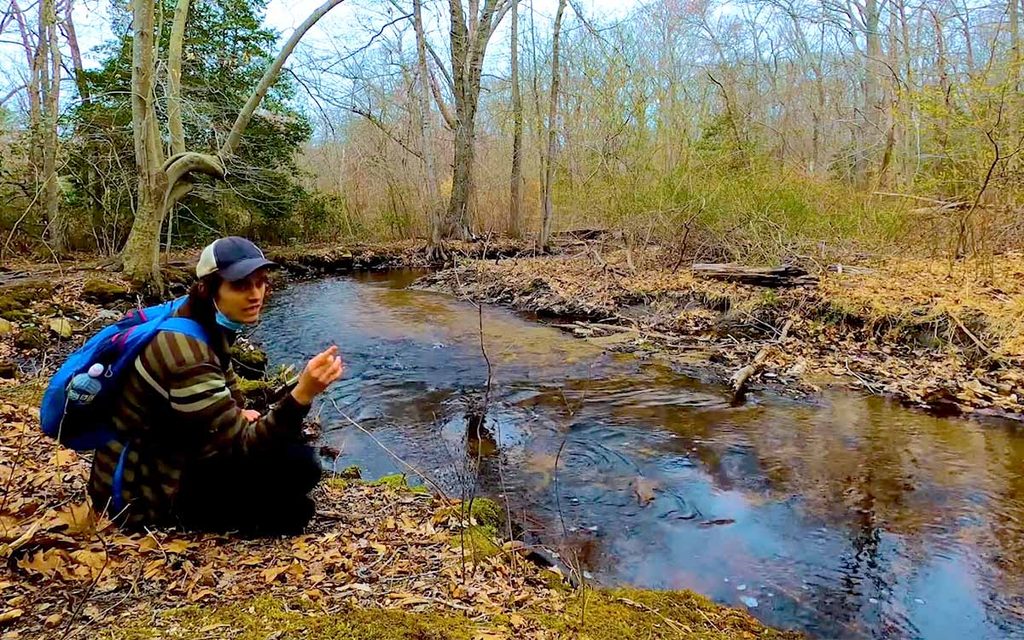
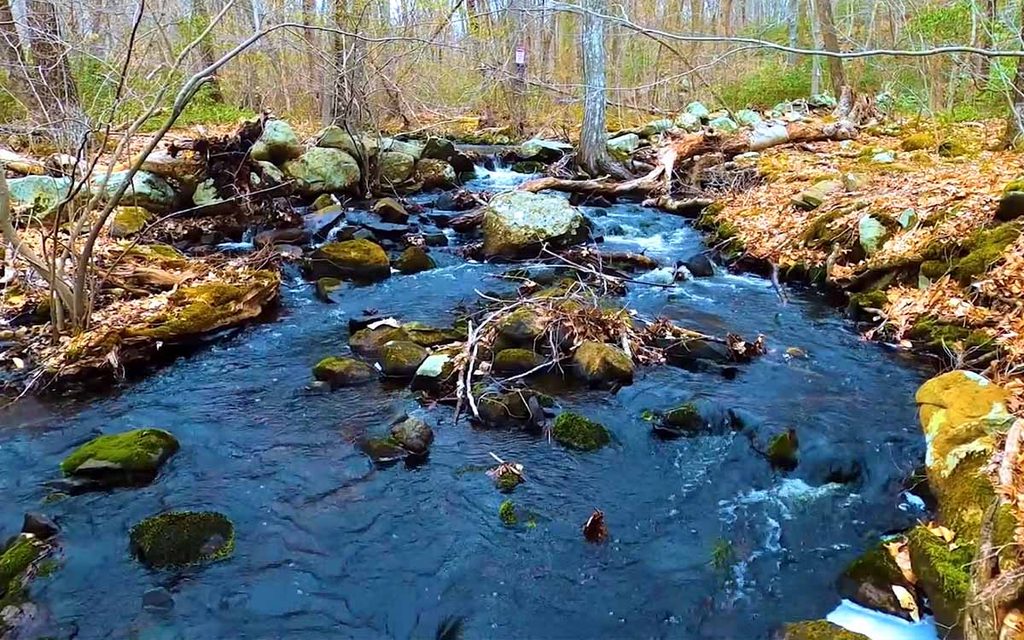
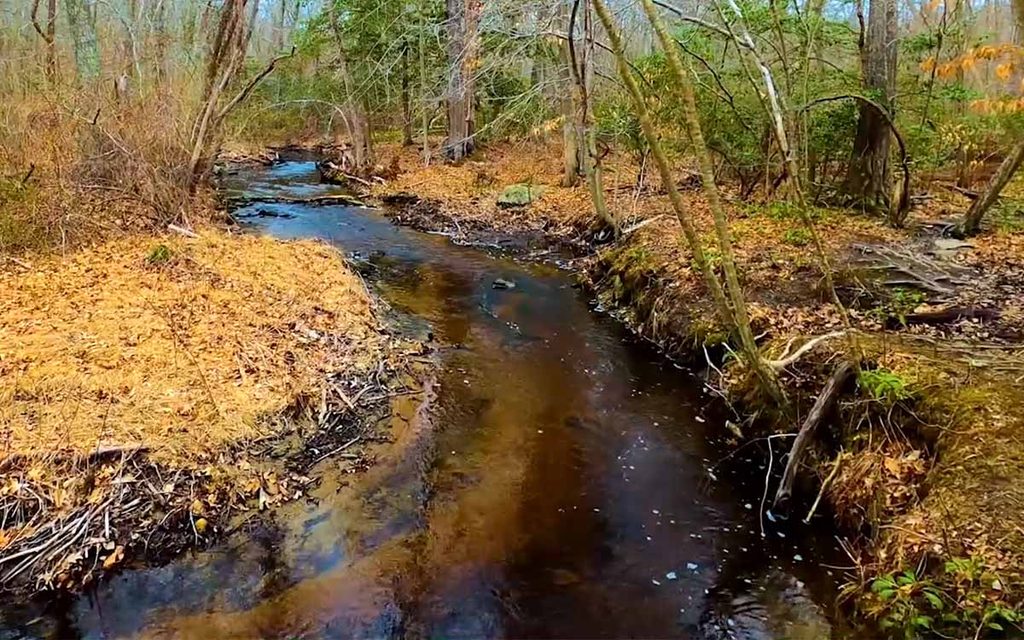
The stream flows through areas of floodplain forest. Oaks, hollies, maples, and ferns populate the forest. The Brook has high levels of Enterococcus bacteria, possibly caused by treated wastewater from Tiverton Junior-Senior High School flowing into the river. In the 20th century, it was stocked with brook trout.