
In Medfield, MA, a group gathered to unveil a new marker for an event that took place 350 years ago on February 21, 1676, an event during King Philip’s War that profoundly shaped the history of the town, the region, and, to some extent, the entirety of the United States of America. This marker is intended to not simply to recall the facts of February 21st, 1676, but to place them in a broader historical context. Click here for a 35-minute video of the event.

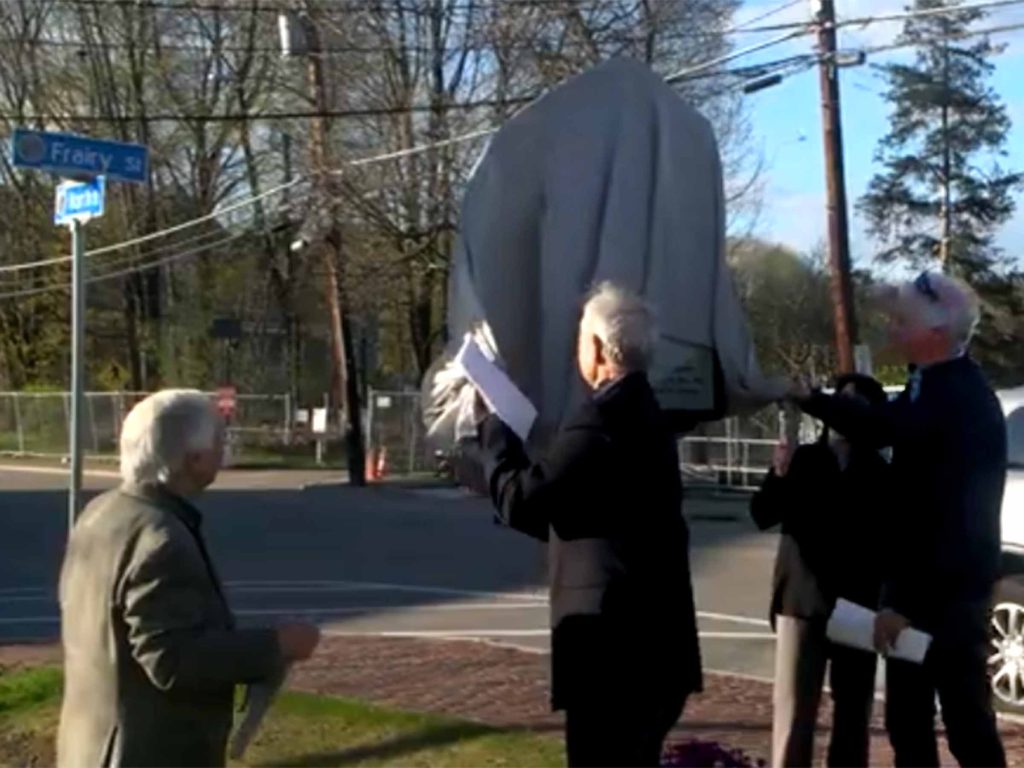
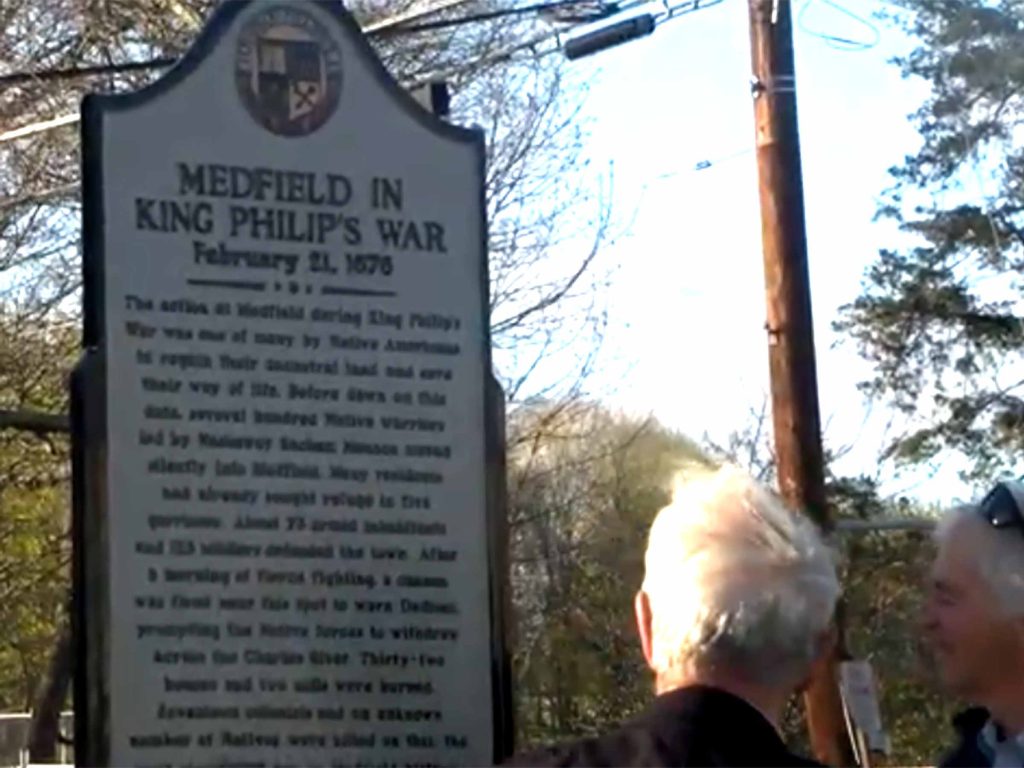
Medfield Historical Society Member Joe Opiela welcomed people to the historic site where Medfield’s first meeting house was built in 1651 and where the new marker was placed and unveiled during a ceremony held on May 29, 2026. It reads “The action of Medfield during King Philip’s War was one of many by Native Americans to regain their ancestral land and save their way of life. Before dawn on this date, several hundred Native warriors led by Nashaway Sachem Monoco moved silently into Medfield. Many residents had already sought refuge in five garrisons. About 75 armed inhabitants and 125 soldiers defended the town. After a morning of fierce fighting, a cannon was fired near this spot to warn Dedham, prompting the Native forces to withdraw across the Charles River. Thirty-two houses and two mills were burned. Seventeen colonists and an unknown number of Natives were killed on this day.”



Medfield Historical Commission Co-Chair David Temple opened the remarks from officials. State Representative Josh Tarsky then said “This day was part of a difficult and defining period during King Phillip’s War, a time of deep violence, loss, and lasting consequences for both colonial settlers and Native communities.” Medfield Select Board Member Pete Peterson added that “this event that we’re commemorating might be the most important historical event that happened in our town’s history and it may have been the most important historical event that happened in our country.”


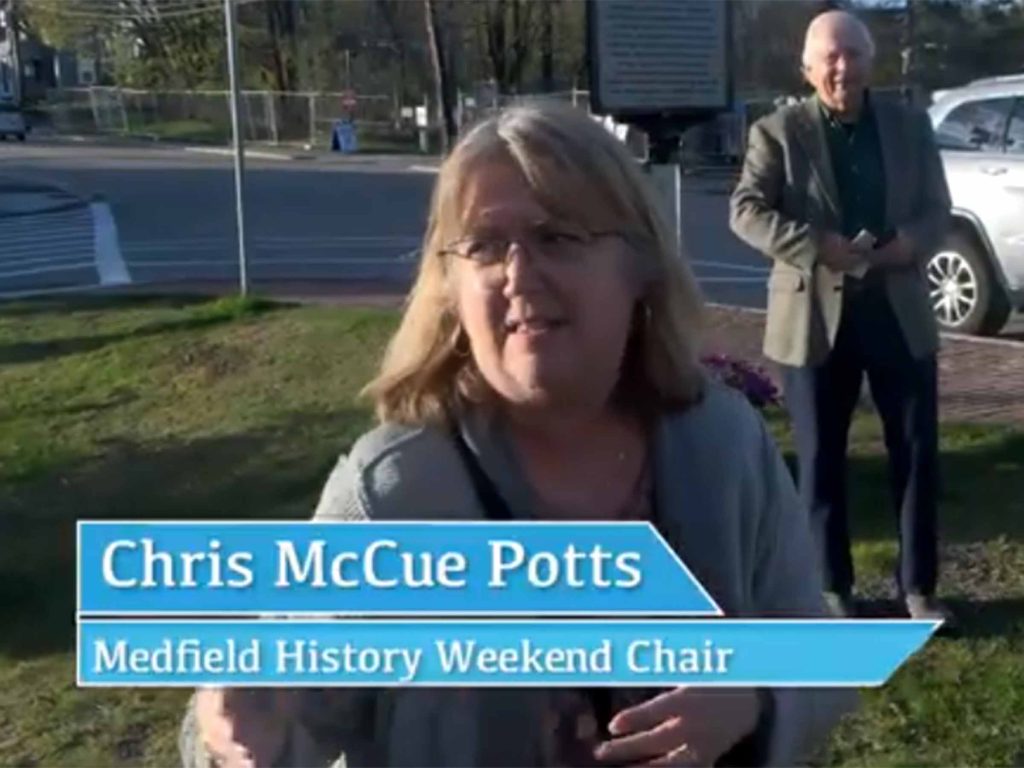
Nipmuc Hassanamisco Band Member Brittney Walley said “Recently, I’ve seen a shift in the effort to acknowledge Indigenous pasts and our presence. . . I believe that this new sign here is yet another opportunity to share stories and another step towards understanding the truth of what happened here.” Town Historian Richard DeSorgher added that “The outbreak of fighting in Swansea in June of 1675 is considered the start of the King Philip war. After that fighting took place, to be prepared, Medfield began identifying five structures as garrisons or forts where people could flee for safety.” History Weekend Chair Chris McCue Potts concluded that “The action at Medfield during the King Phillip War was one of many by indigenous Americans to regain their ancestral land and save their way of life.”