

In one of the most powerful and overlooked stories of King Philip’s War, a colonial settler received a warning from the very man leading the war against him. This is the true story of Hugh Cole and Metacomet—a relationship that began with negotiation and uneasy respect, but was ultimately torn apart by suspicion, expansion, and war. Deeply researched historical analysis reveals how two men from opposing worlds briefly found common ground—and how that fragile connection was shattered as New England descended into one of the deadliest conflicts in American history. Click here for a 30-minute video posted by Historical Novelist Eric Osstroff on Trace Your New England Roots on April 8, 2026. (Images are AI generated)
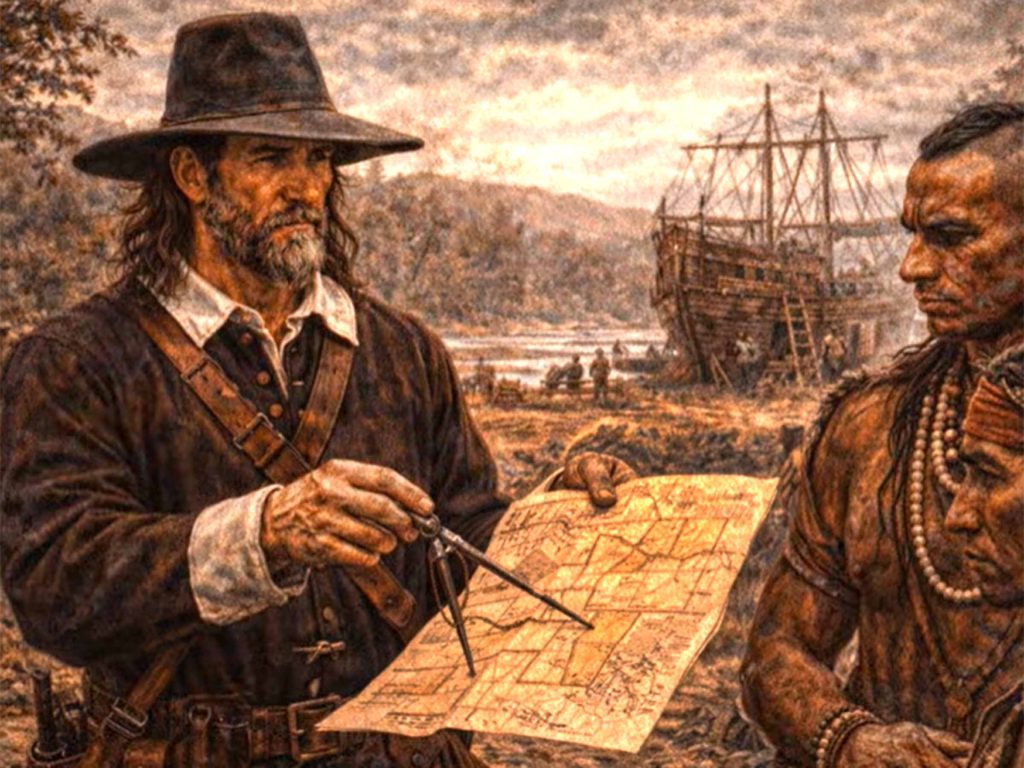
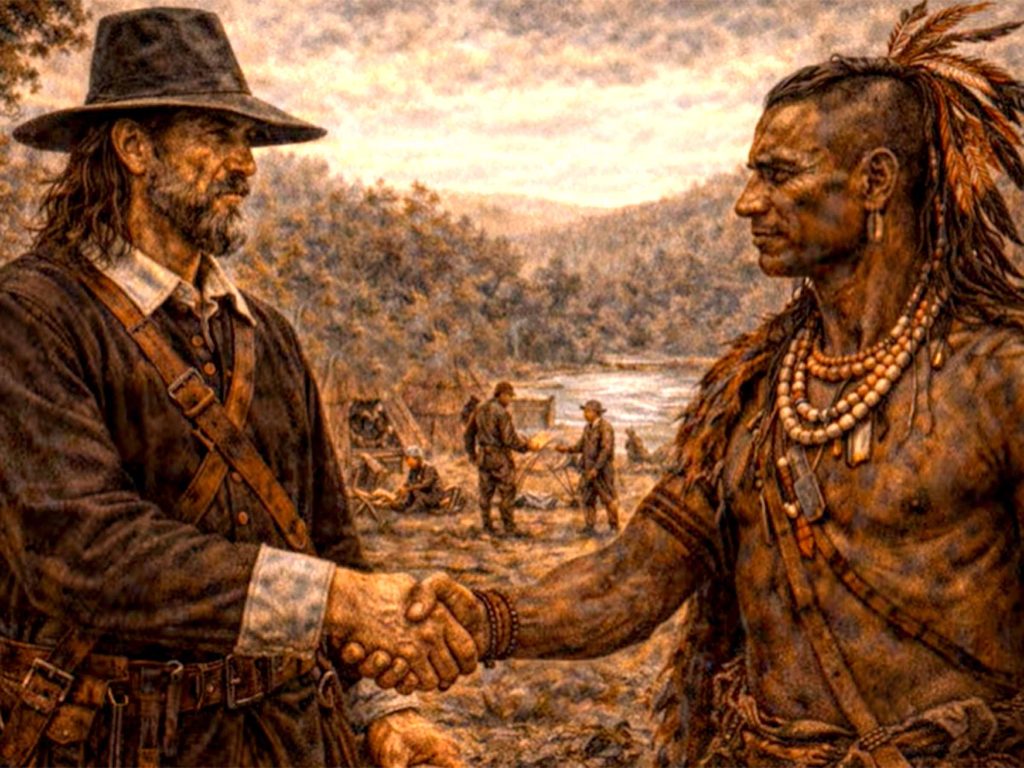
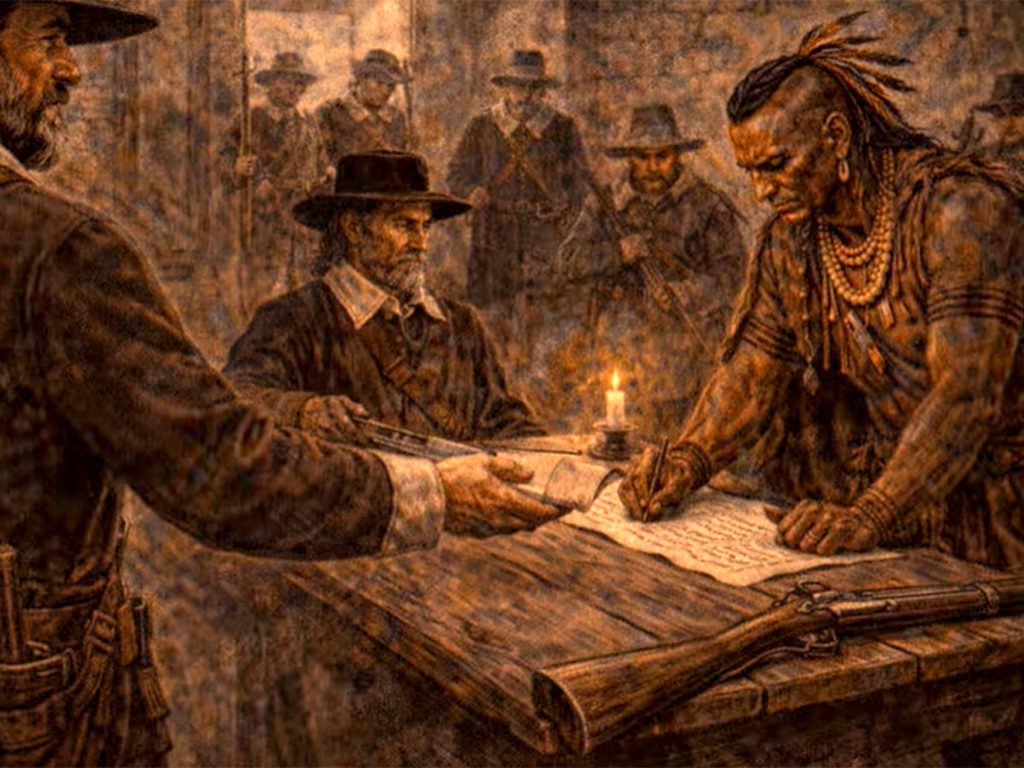
Born in Devonshire England, Cole came to Plymouth Colony in 1633 and eventually became a highway surveyor. In this role, he developed a close friendship with Pokanoket Massasoit Metacomet, later known as King Philip. In 1671, Philip was accused of planning war against the English settlers and was called to Taunton where he was made to surrender his arms. However, the War did, in fact, break out four years later in Cole’s home town of Swansea.
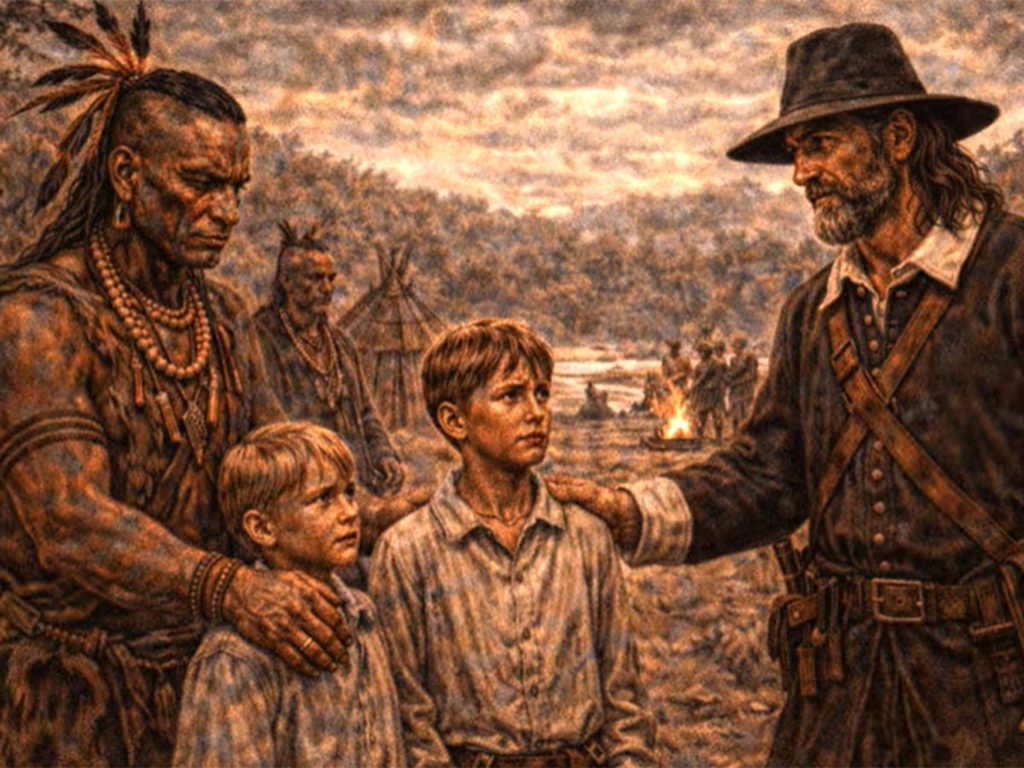
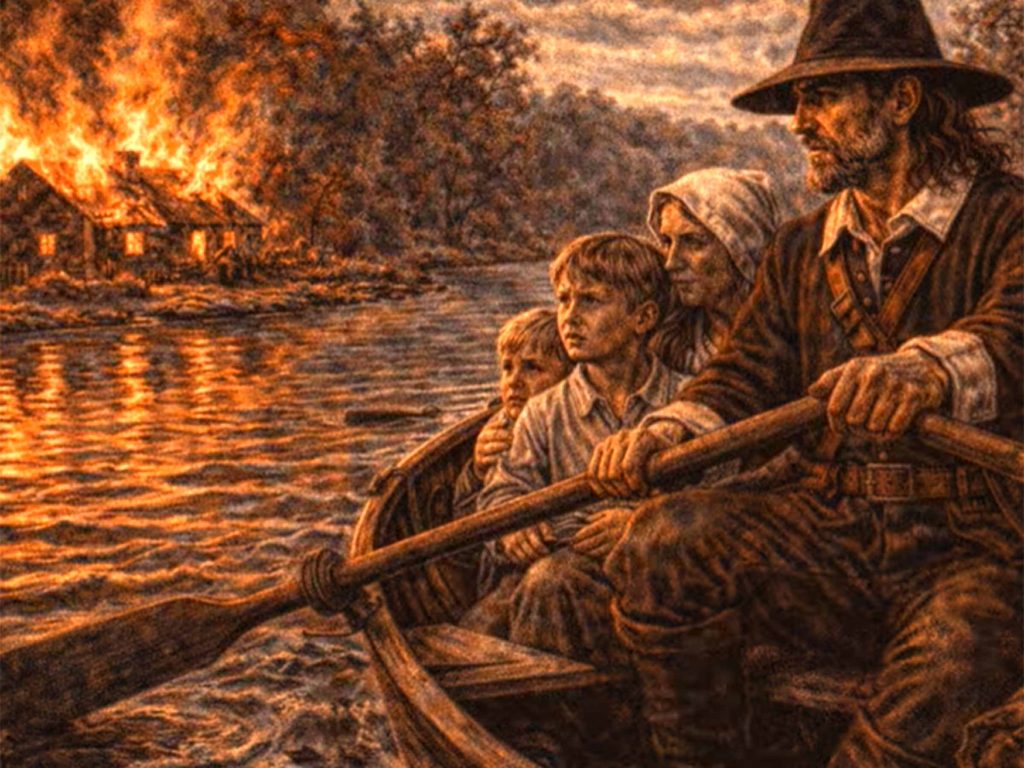
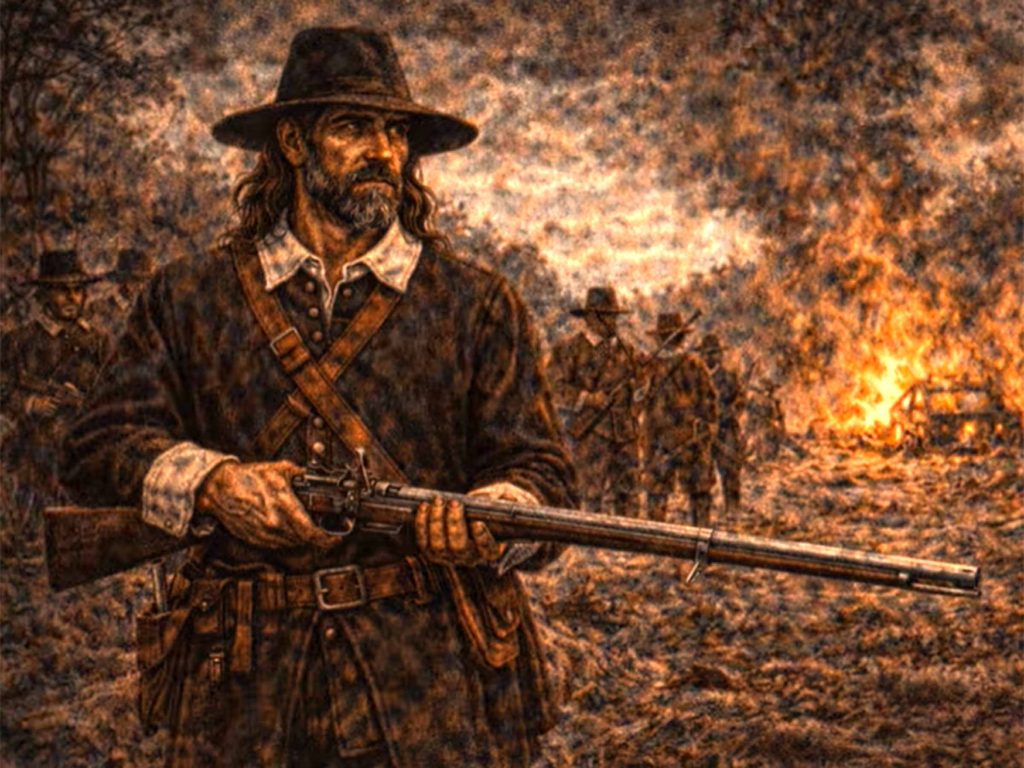
In 1675, at the beginning of the war with his friend, King Phillip, two of Hugh Cole’s sons were taken prisoner by some Pokanoket warriors and taken to Phillip at Mt. Hope. Phillip ordered them set free because he said, “Hugh Cole had always been a friend.” Philip said he could not control his warriors and told Cole that he should leave with his family. As they rowed away to Portsmouth, they watched their house burn.
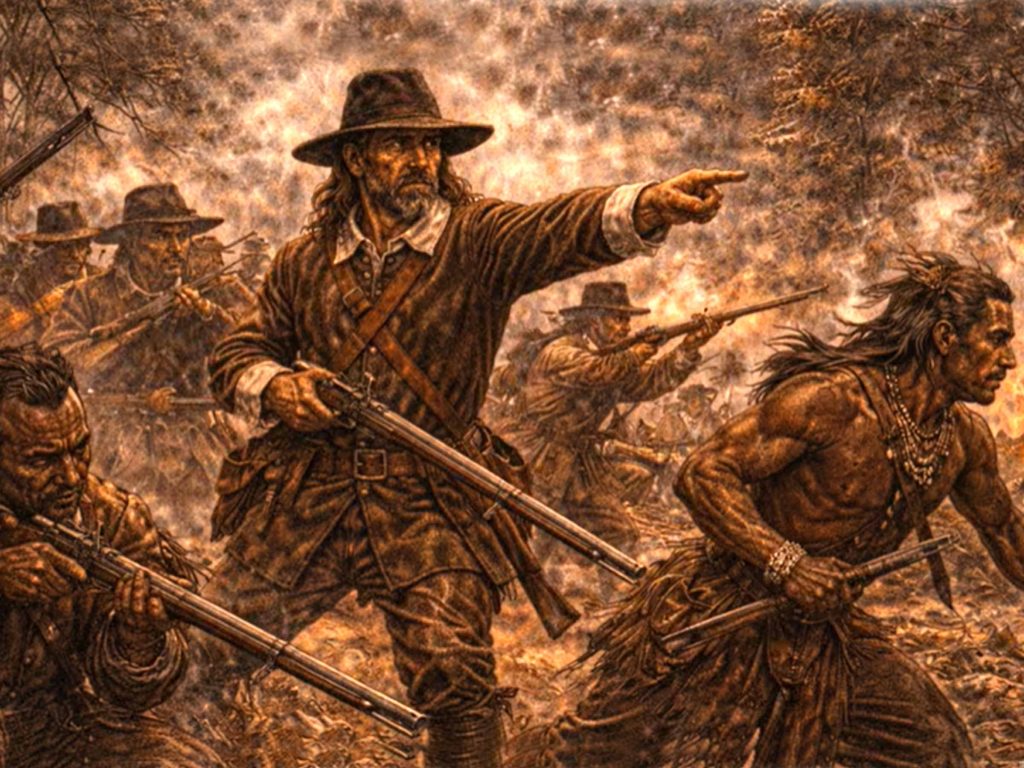
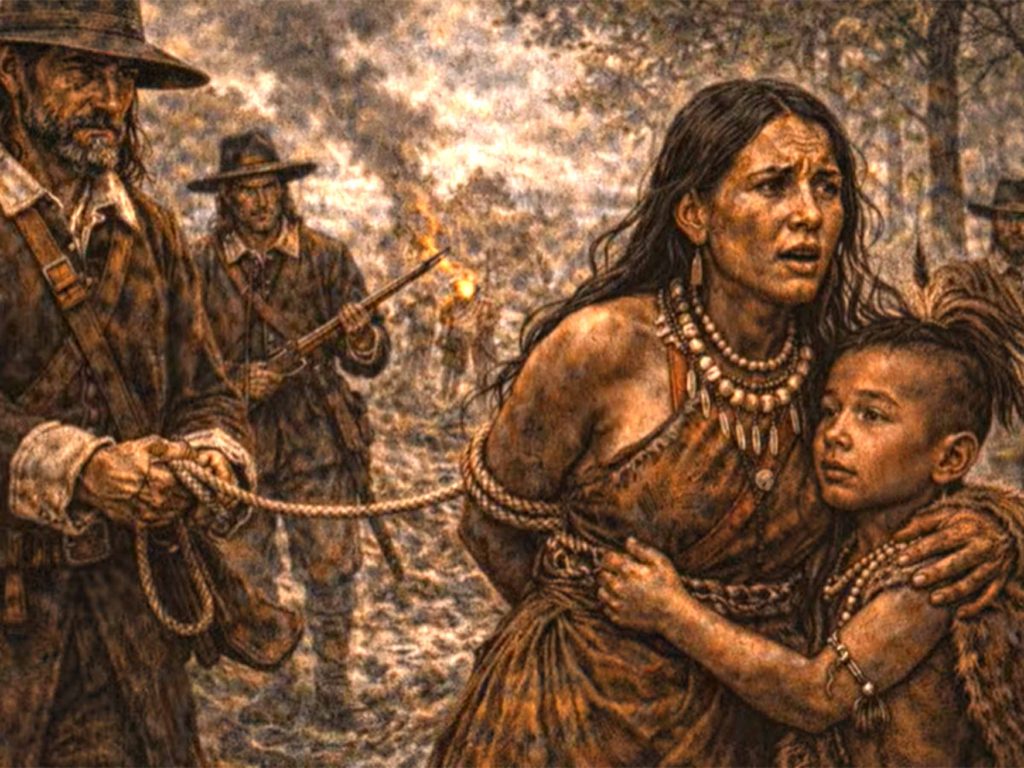
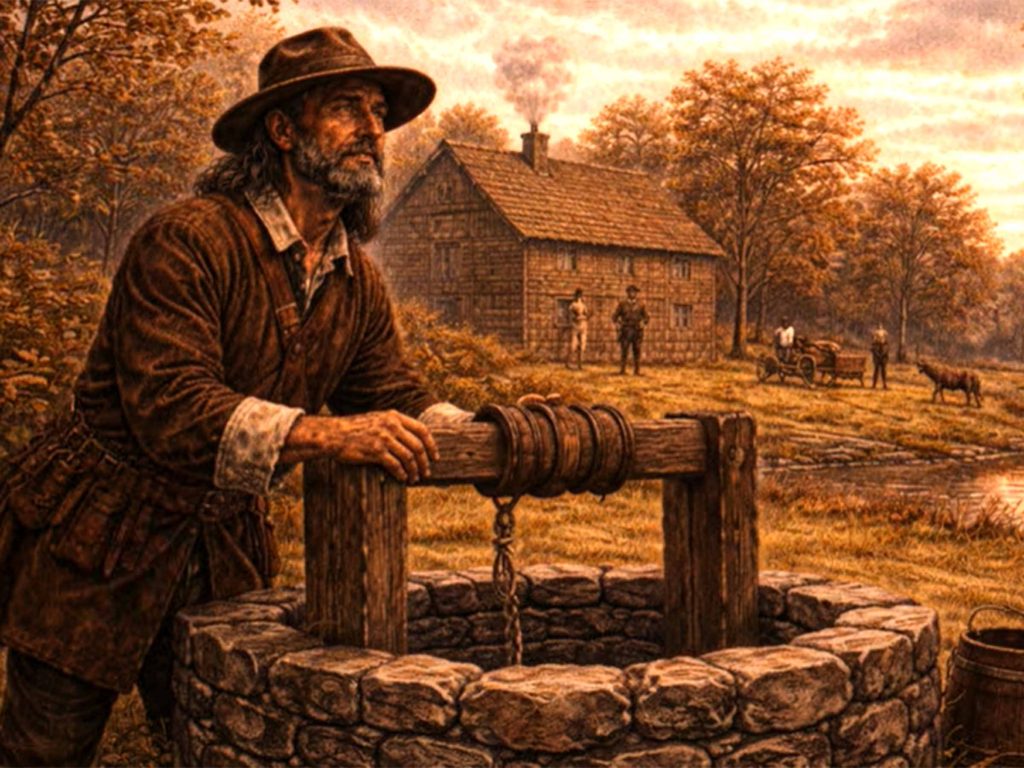
Cole was made a sergeant in the War, though it is not clear that he fought against the Pokanokets. At the end of the War, Philips wife and young son were captured and sold into slavery in Barbados. After the War, Cole returned to Swansea and built a second farm. The well on that farm can still be seen today.