
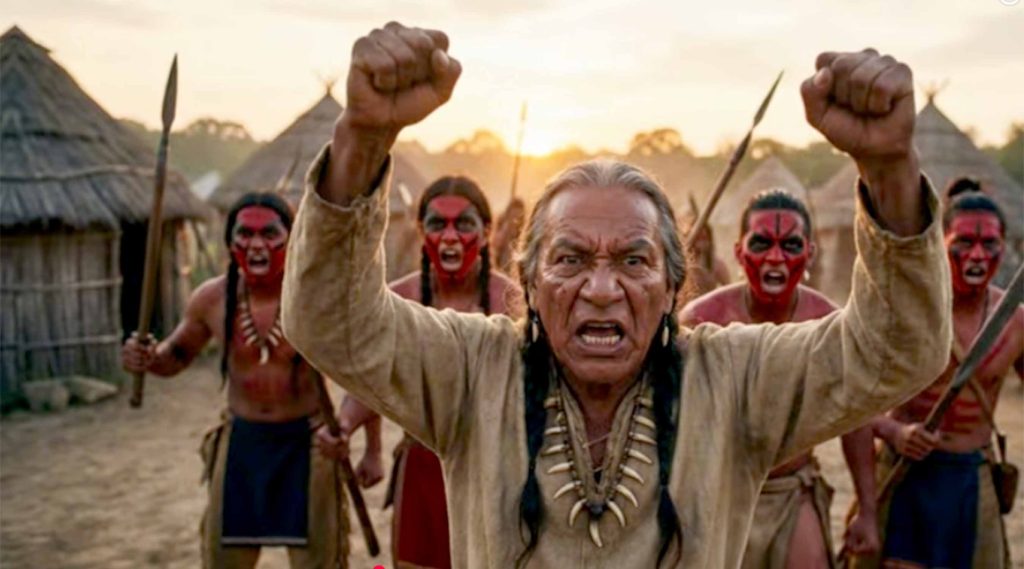
In 1675, a war began in New England that in proportion to the population became the bloodiest conflict in American history. King Phillip’s War nearly destroyed early America entirely. But to truly understand this war, we must first look at that era, the land, and the people who were involved. Click here for a 17-minute video posted on February 19, 2026 by The American Timeline that tells the story.
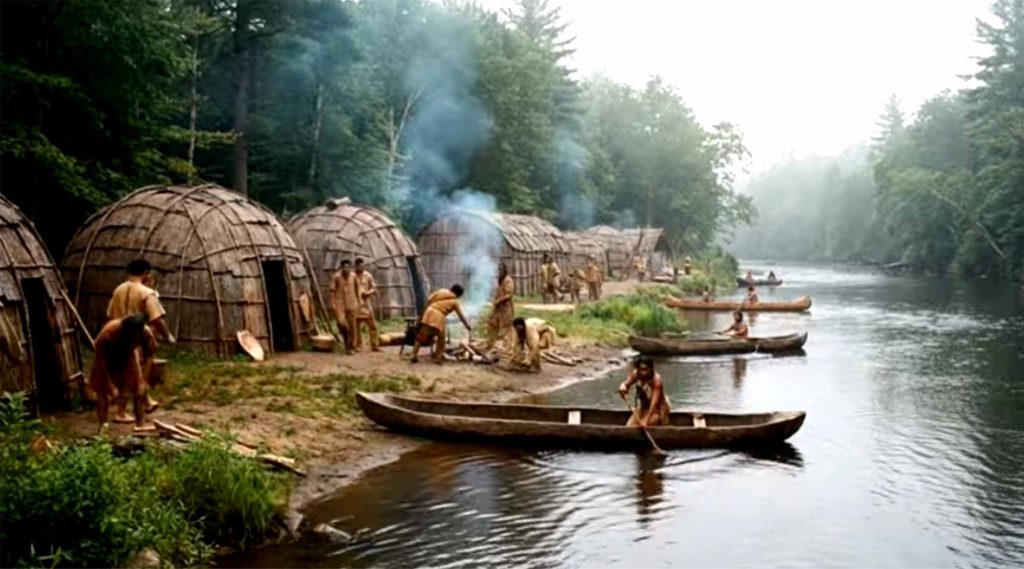
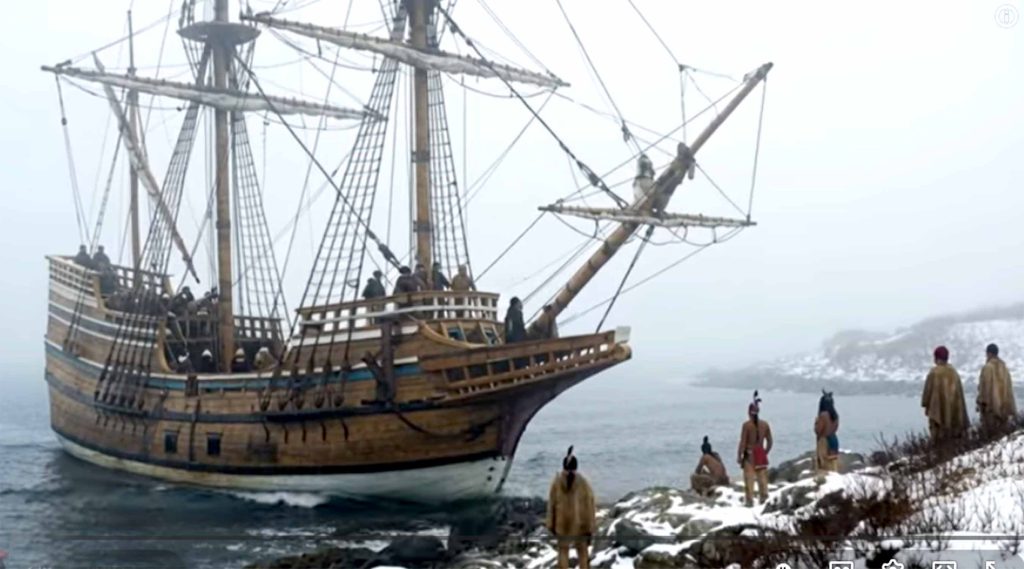
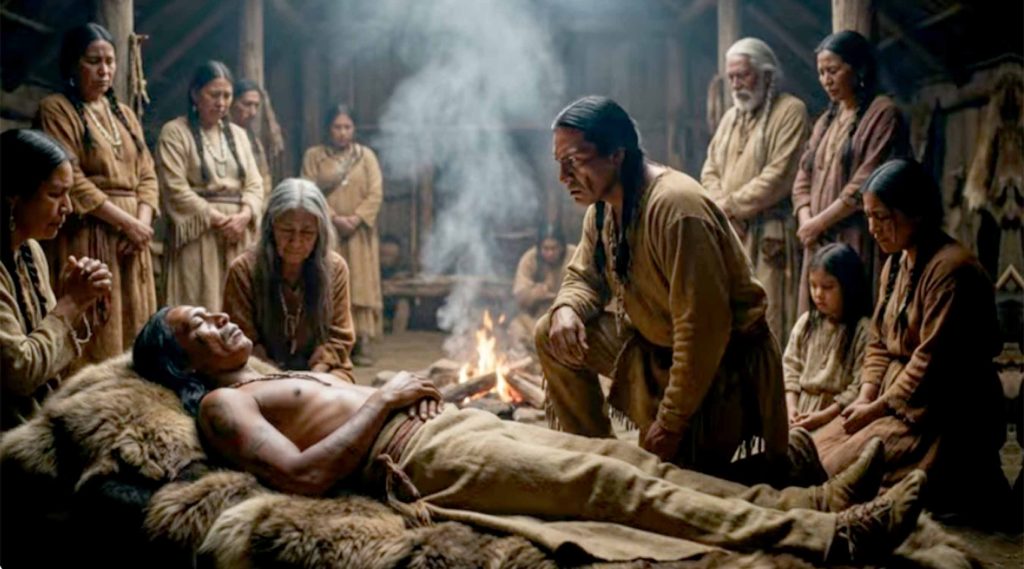
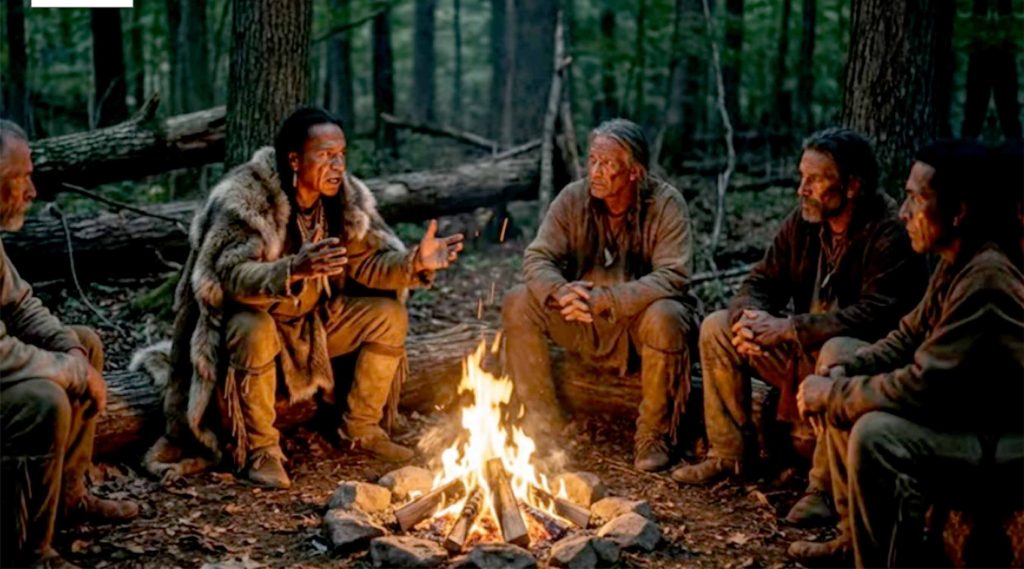
In the early 1600s, New England was a much more complex and vibrant world than Europeans imagined. The Pokanoket, Naragansett, Nipmuc, Pocumtuk, Mohegan, Pequot, and dozens of different peoples had lived on these lands for centuries, trading with one another, occasionally waring, but in any case, existing until the English arrived in 1620. While the English who arrived in 1620 were initially friendly, even helping to cure the Massasoit of an illness in 1623 (above, right), they soon became numerous and land greedy.
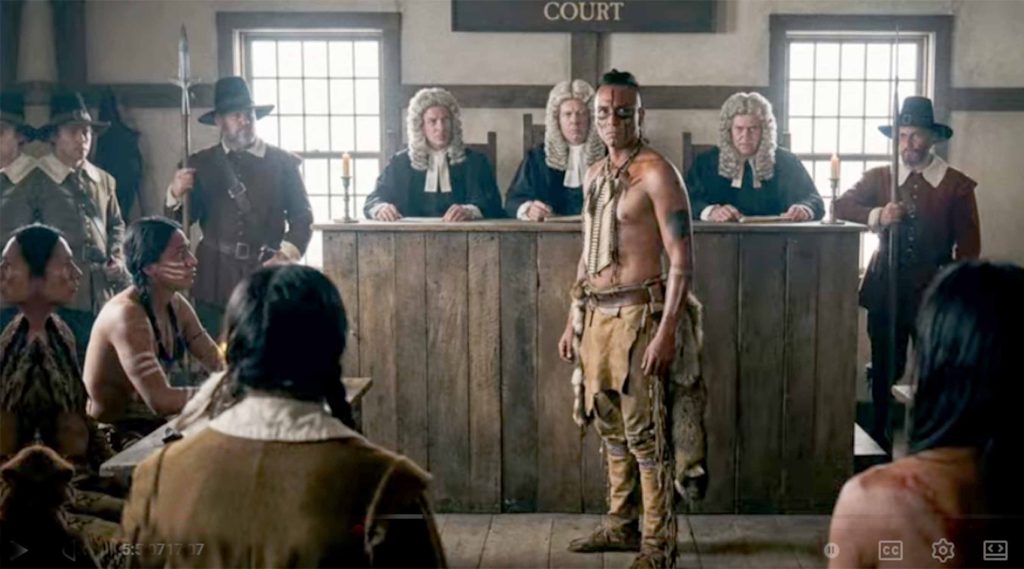
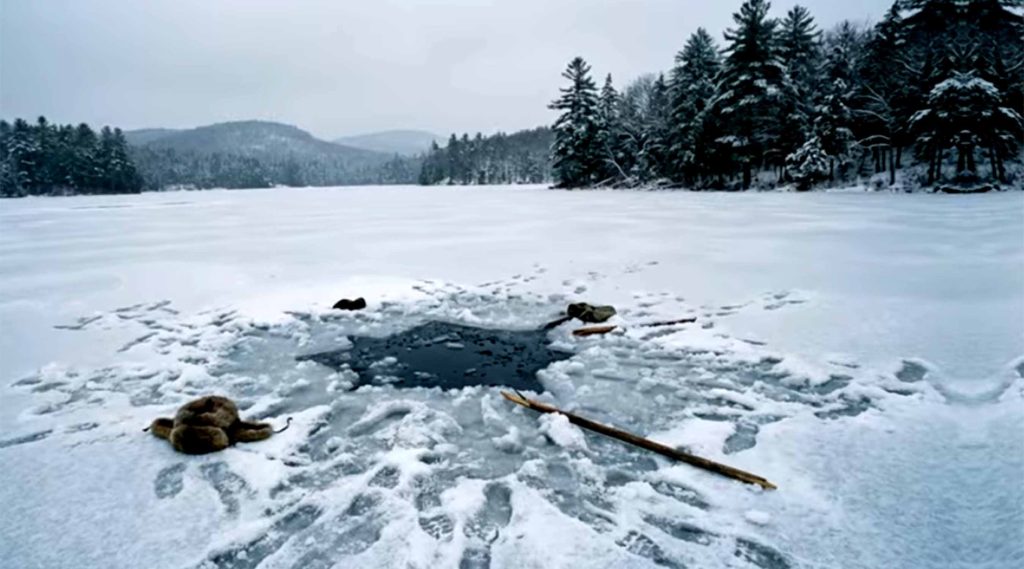
Over the years, Indigenous land systematically eroded as the English population grew every decade. Growth meant new territories, new farms, and new towns. Some land sales were voluntary, but the conditions were never equal. A Native named John Sassamon, who had converted to Christianity and established close ties with the Plymouth administration, informed Plymouth officials in January 1675 that Metacom (King Philip)was preparing for war. A few days later, Sassamon’s body was found under a frozen lake. Three Native men were accused of his murder, tried and hung despite the lack of clear evidence.
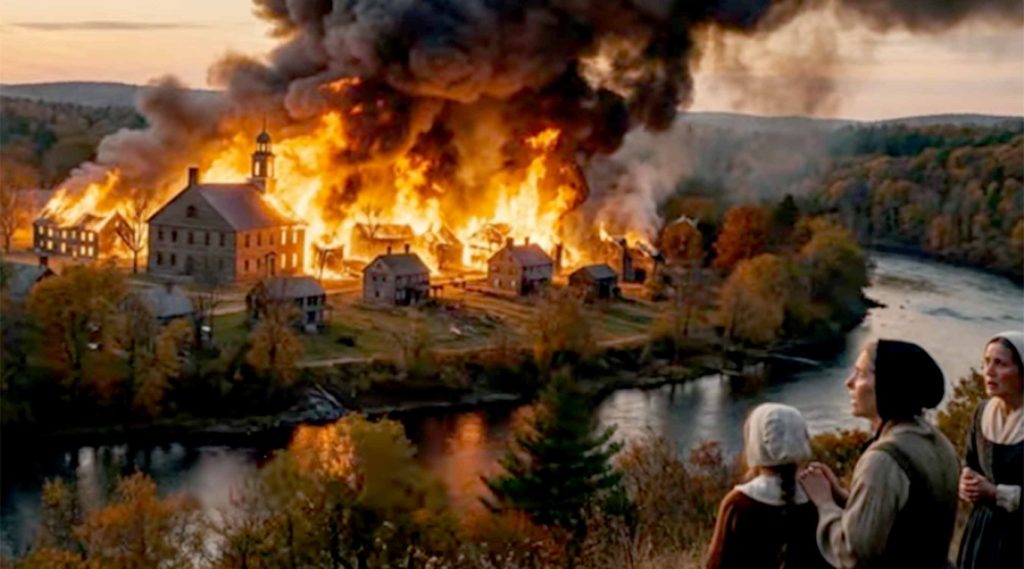
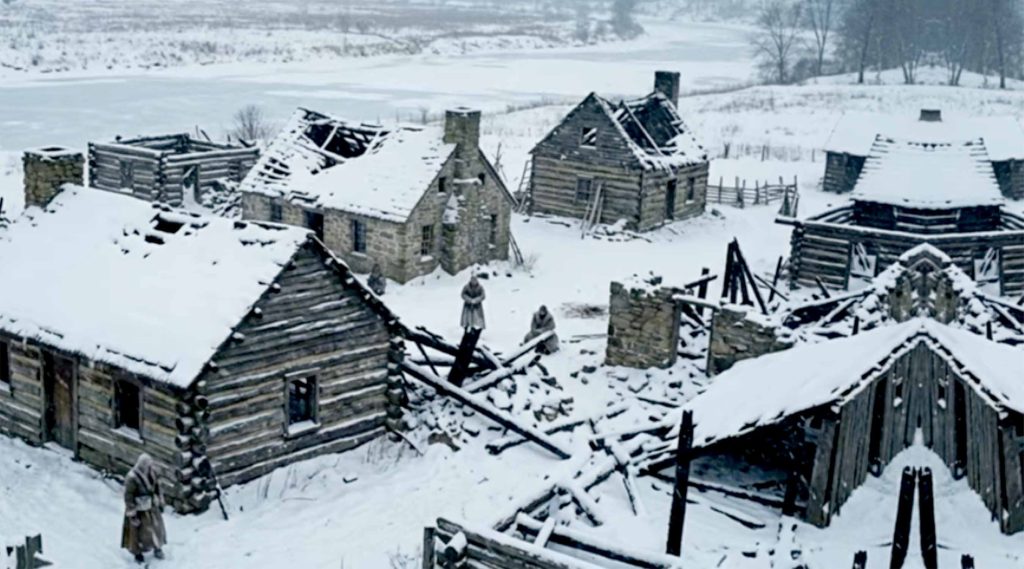
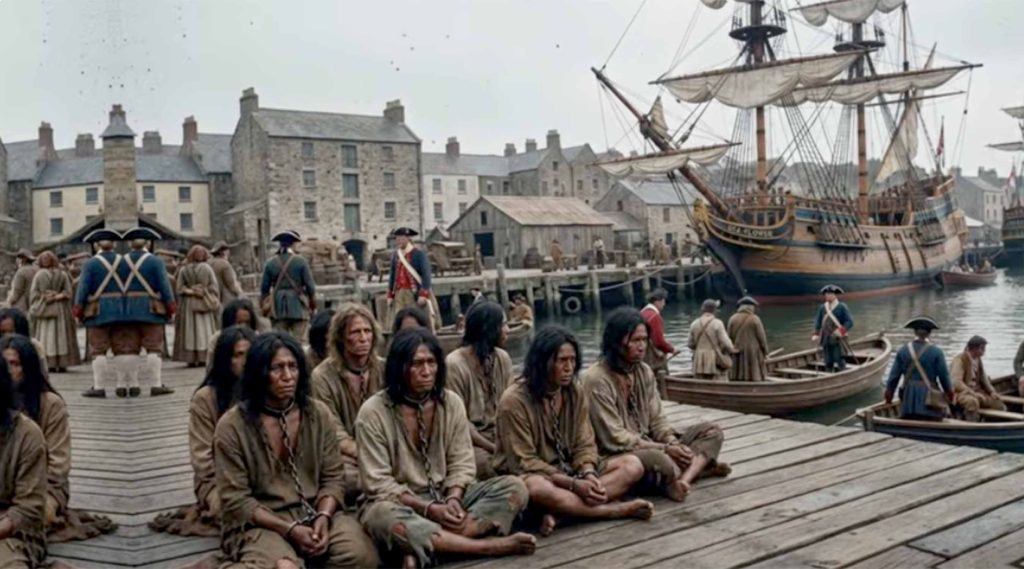
In June 1675, attacks began in the town of Swansea when a group of warriors burned several English houses. The War raged for 14 months until Metacom was killed in August 1676 after 25 English towns were burned and 600 colonists killed. An estimated 5,000 to 6,000 Native people died in the war or from disease. Thousands were taken prisoner and sold into slavery in Bermuda, the Caribbean, and even North African markets. King Philip’s war ended in 1676, but the demographic destruction, cultural rupture, and sense of injustice it created extended decades into the future.