
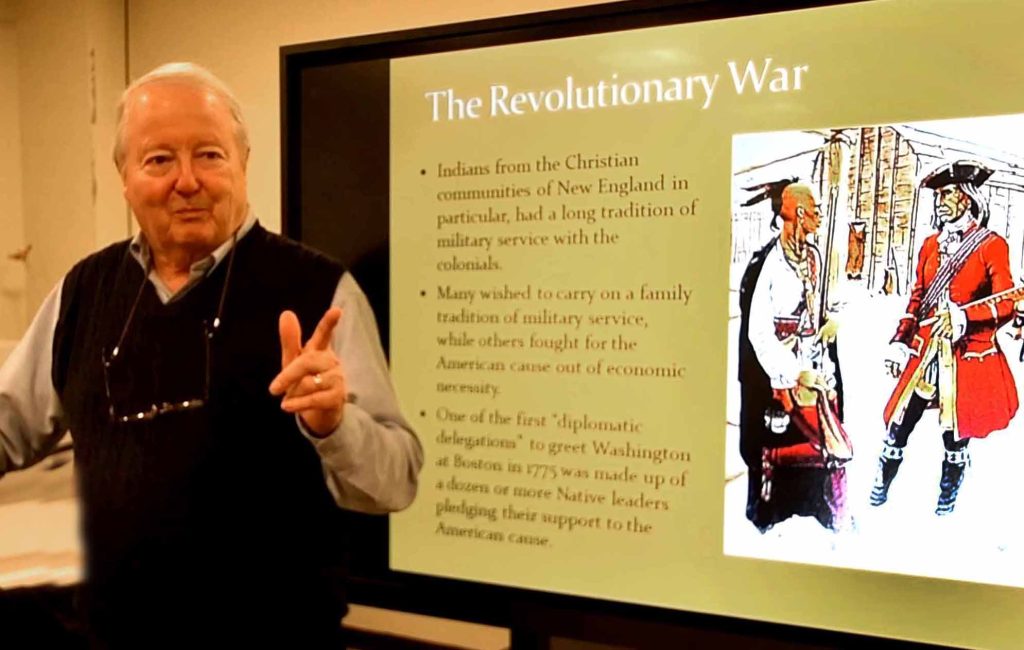
While the nation commemorates 250 years since the Declaration of Independence, this year also marks 350 years since King Philip’s War (1675–1676)—a pivotal but often overlooked conflict fought in New England. Dr. David Weed, historian for the Sowams Heritage Area Project, spoke about the causes, key events, and lasting legacy of King Philip’s War and connecting it to the growing spirit of independence that would emerge a century later. Click here for a 69-minute video of his talk at the Seekonk Public Library on January 14, 2025 to explore how this early war helped shape the road to the American Revolution.
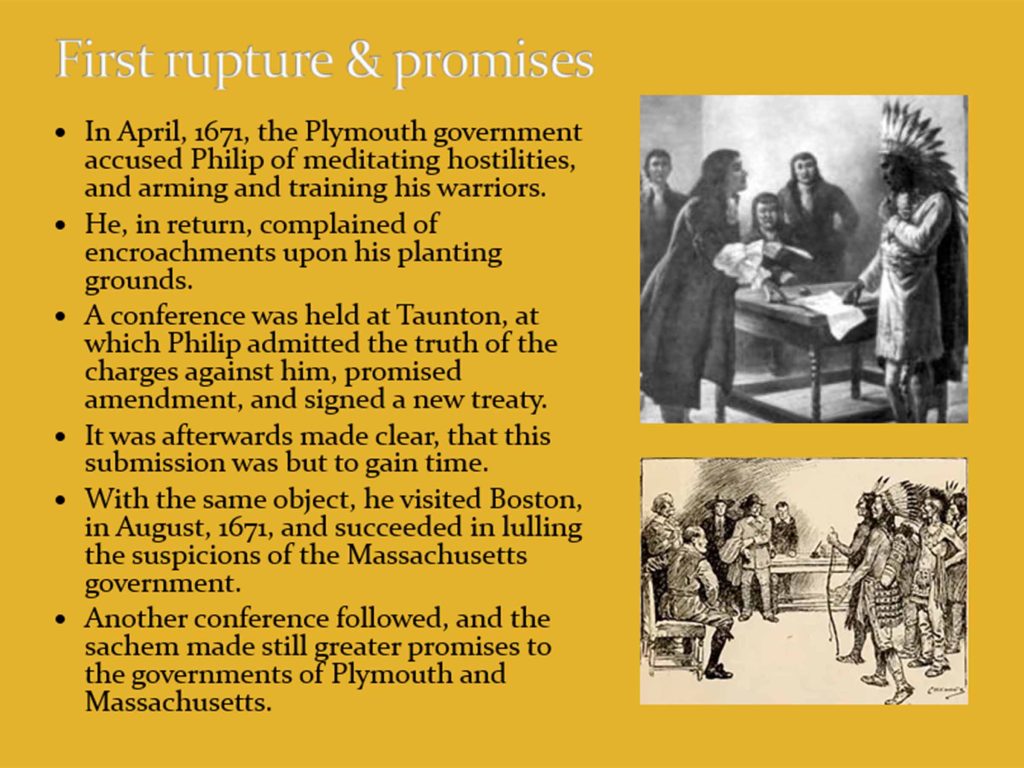
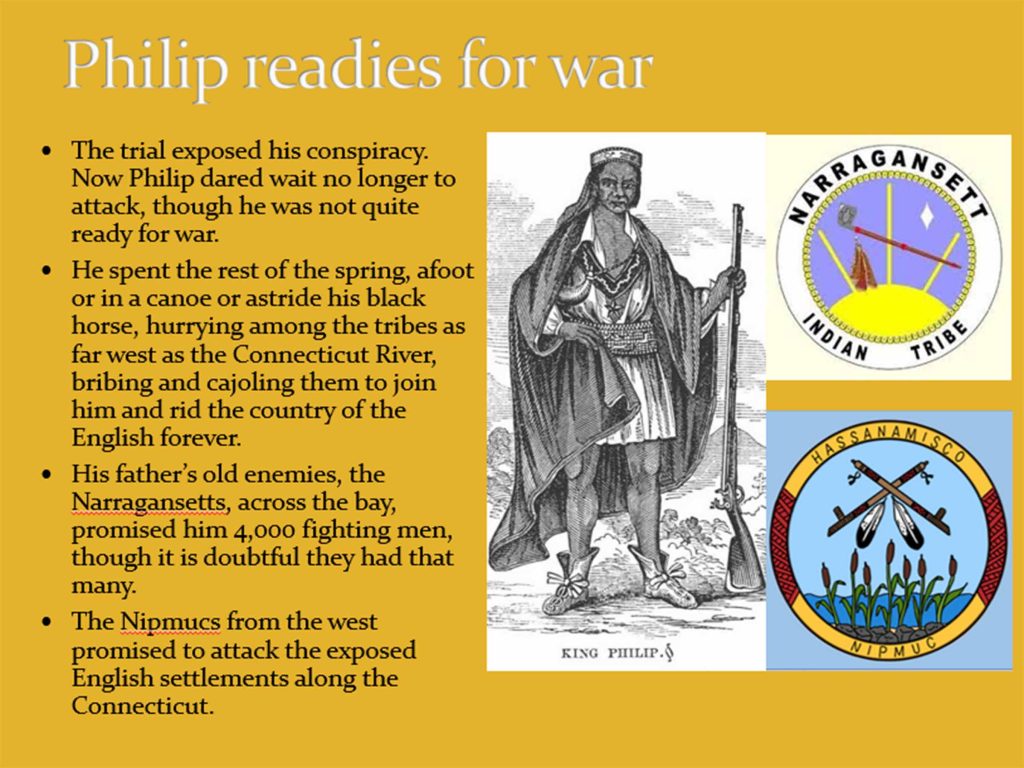
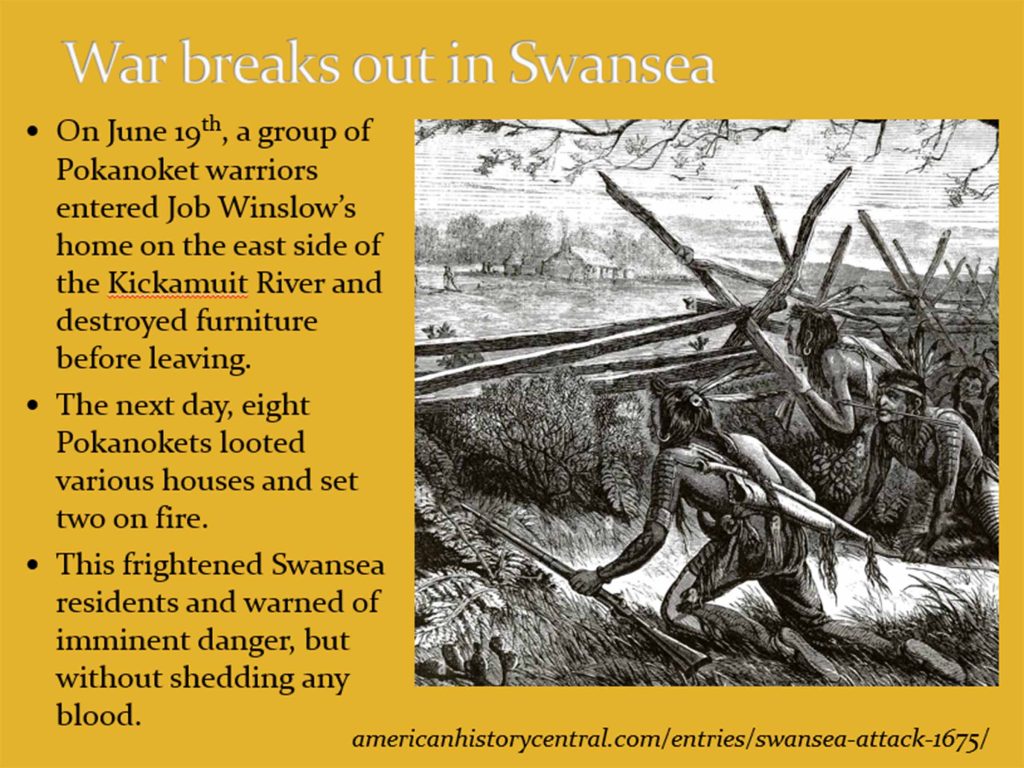
In April, 1671, the Plymouth government accused Pokanoket leader Metacomet or King Philip of meditating hostilities, and arming and training his warriors. With his conspiracy exposed, he dared wait no longer to attack, though he was not quite ready for war. On June 19, 1675, a group of Pokanoket warriors entered Job Winslow’s home on the east side of the Kickamuit River in today’s Warren and destroyed furniture before leaving. They went on to loot more empty houses and set two on fire. Frightened residents gathered in the nearby meeting house at Nockum Hill.
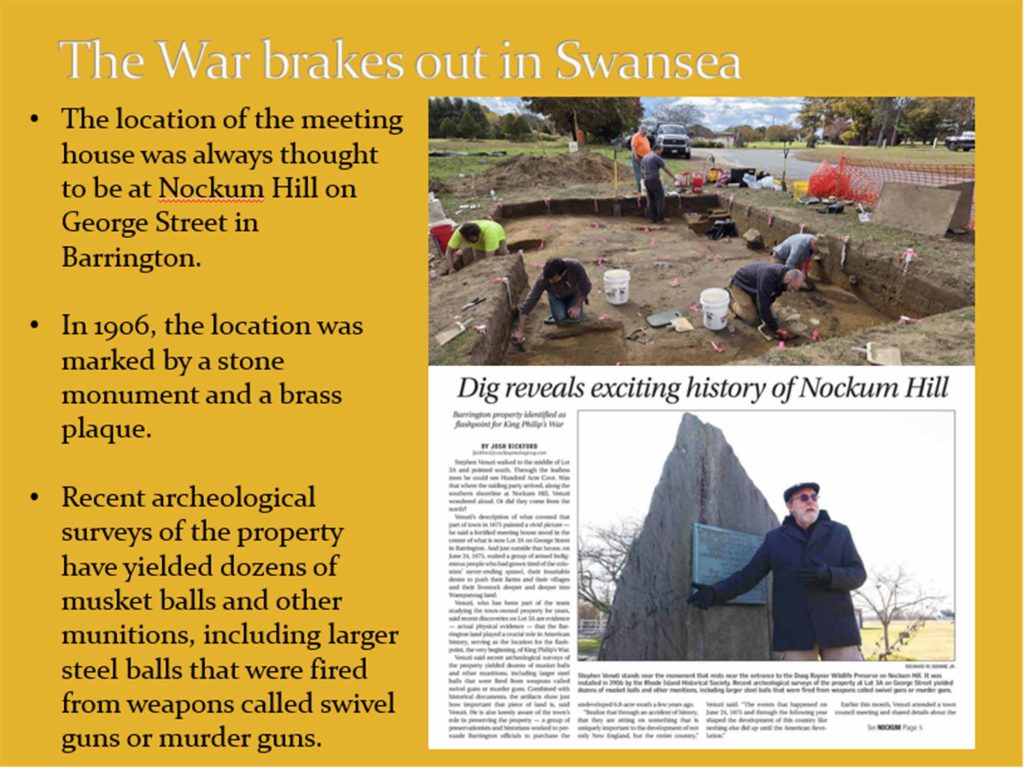
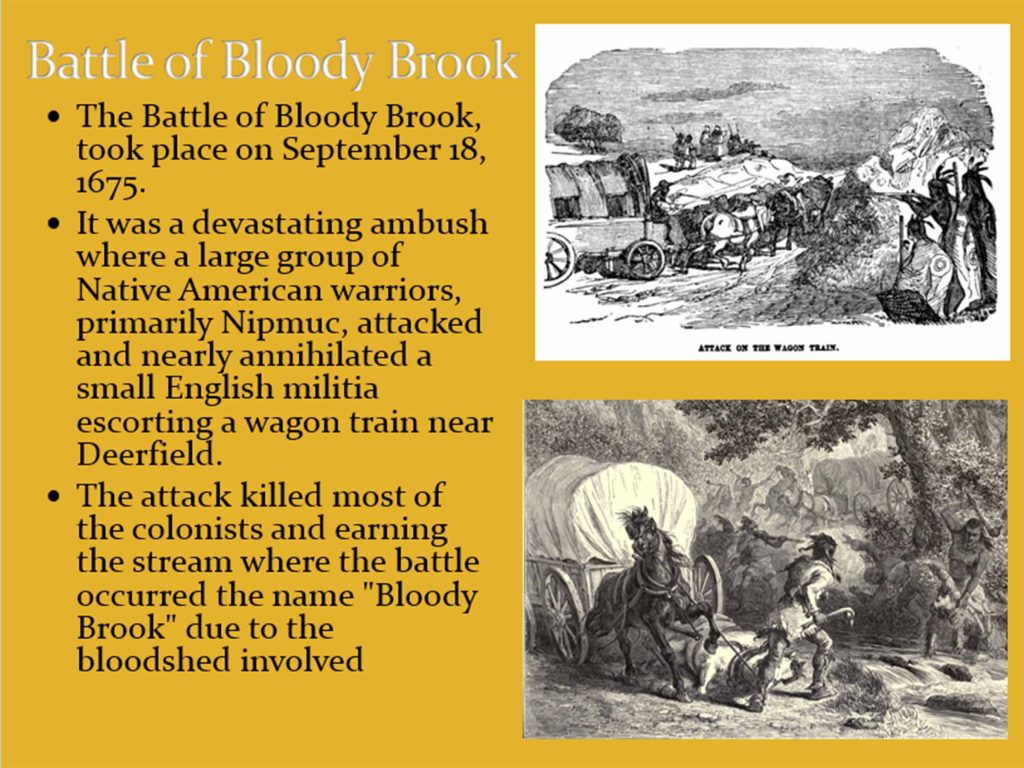
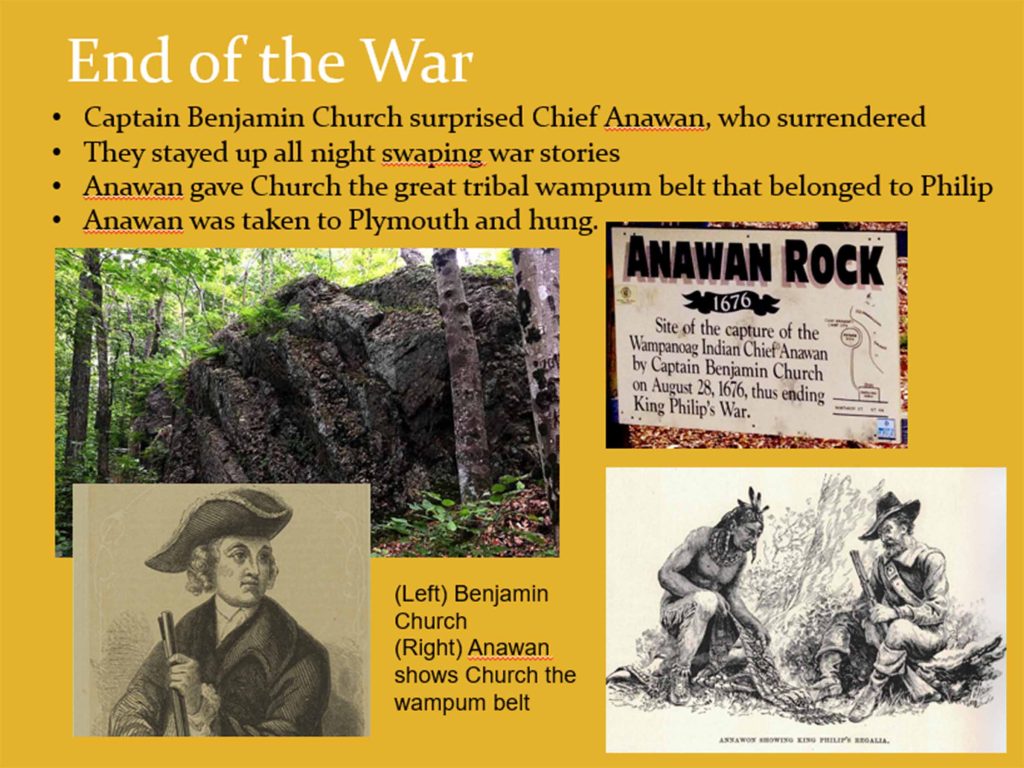
Recent archeological surveys of the location of the meeting house have yielded dozens of musket balls and other munitions that were used to attack the colonists. On September 18, 1675 a devastating ambush nearly annihilated a small English militia escorting a wagon train near Deerfield. Following 14 months of hostilities, the War came to an end with the death of King Philip and the capture of Chief Anawan.
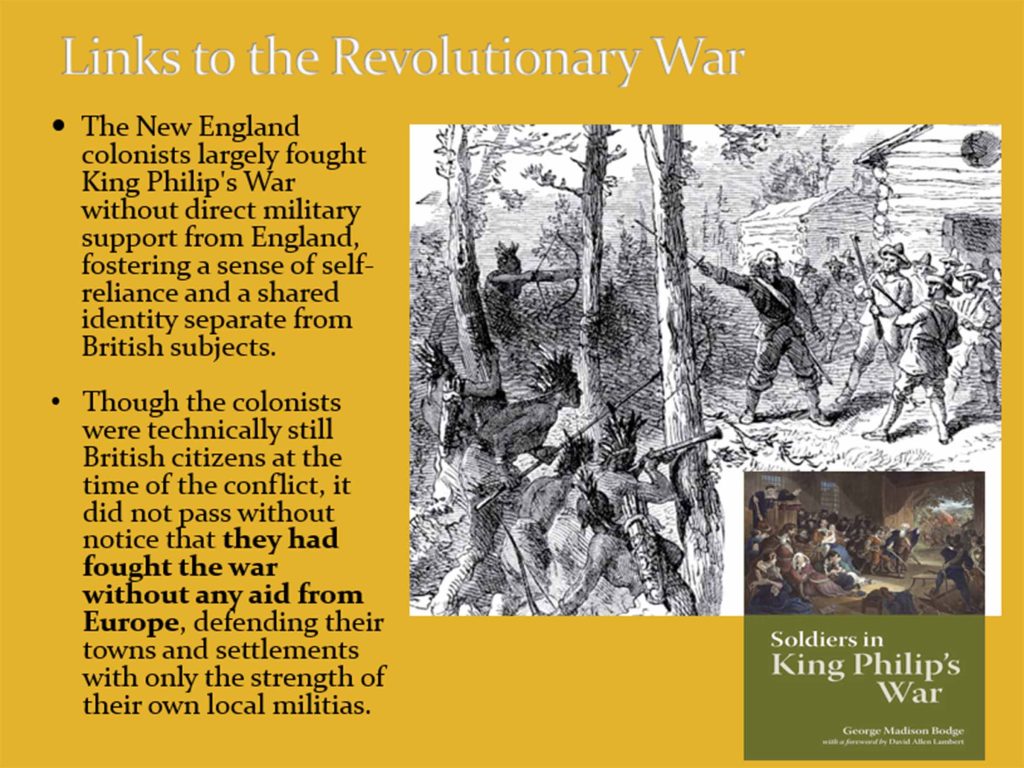
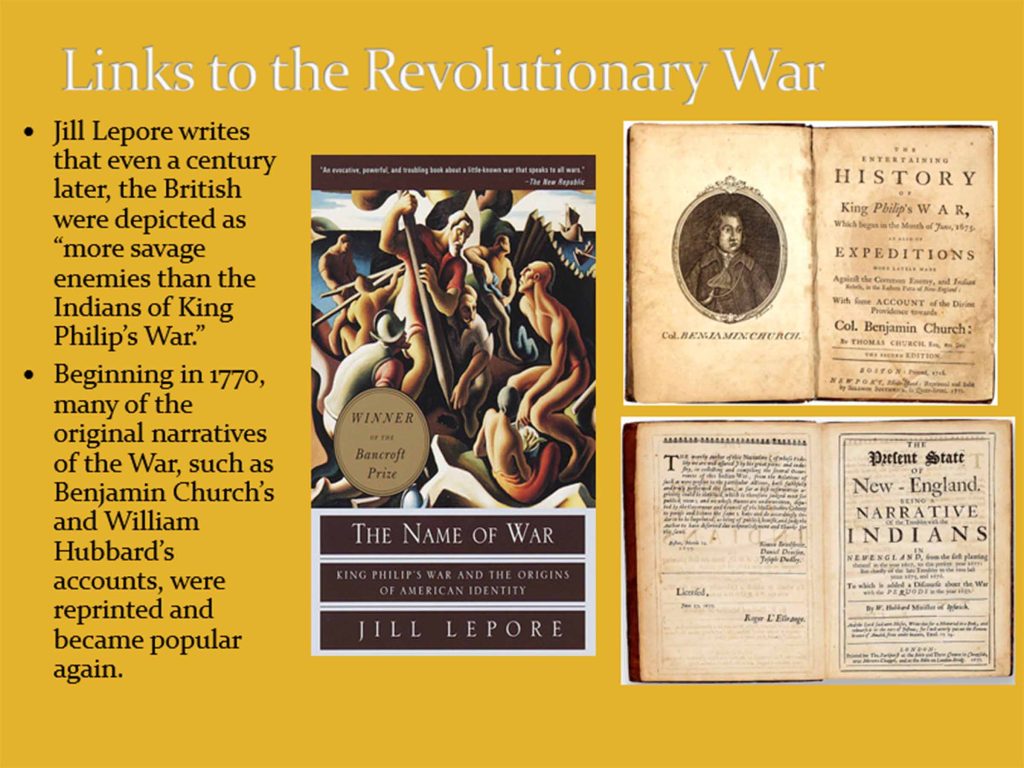
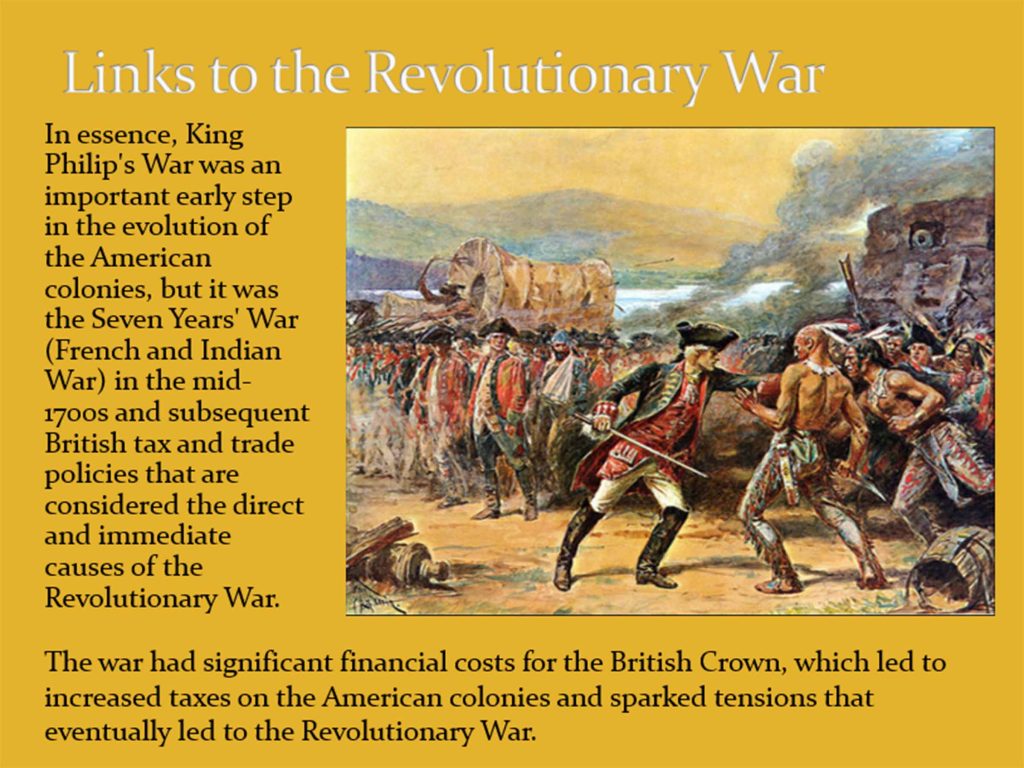
Though the colonists were technically still British citizens at the time of the conflict, it did not pass without notice that they had fought the war without any aid from Europe, defending their towns and settlements with only the strength of their own local militias. Beginning in 1770, many of the original narratives of the War, such as Benjamin Church’s and William Hubbard’s accounts, were reprinted and became popular again. In essence, King Philip’s War was an important early step leading up to the Revolutionary War.