

We think of revolutionary ideas originating in 1775/1776, but more than a century before, English political thinkers were proposing representation, elements of democracy and an end to monarchy. Historian Rachel Foxley of the University of Reading explores the unexpected, even startling, radicalism of English civil war thinkers, including Levellers such as pamphleteer John Lilburne. Fascinating, little known, and arrestingly radical, these thinkers sound revolutionary even today. Click here for a 78-minute video of her presentation posted on November 21, 2025 by the Partnership of Historic Bostons.

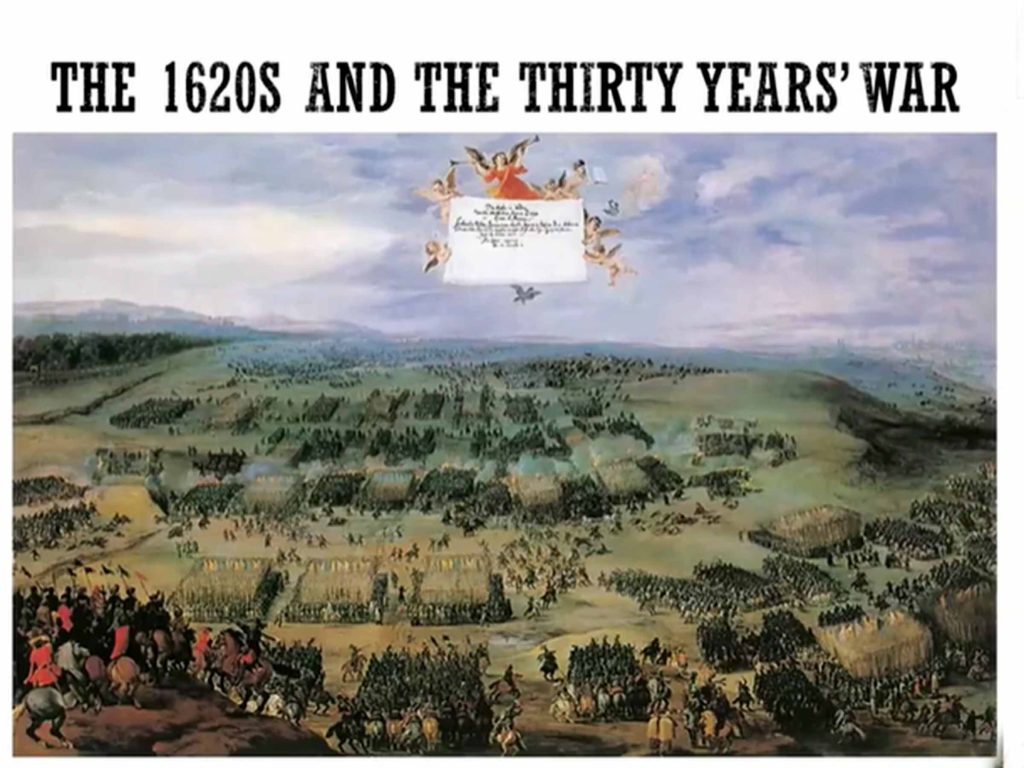
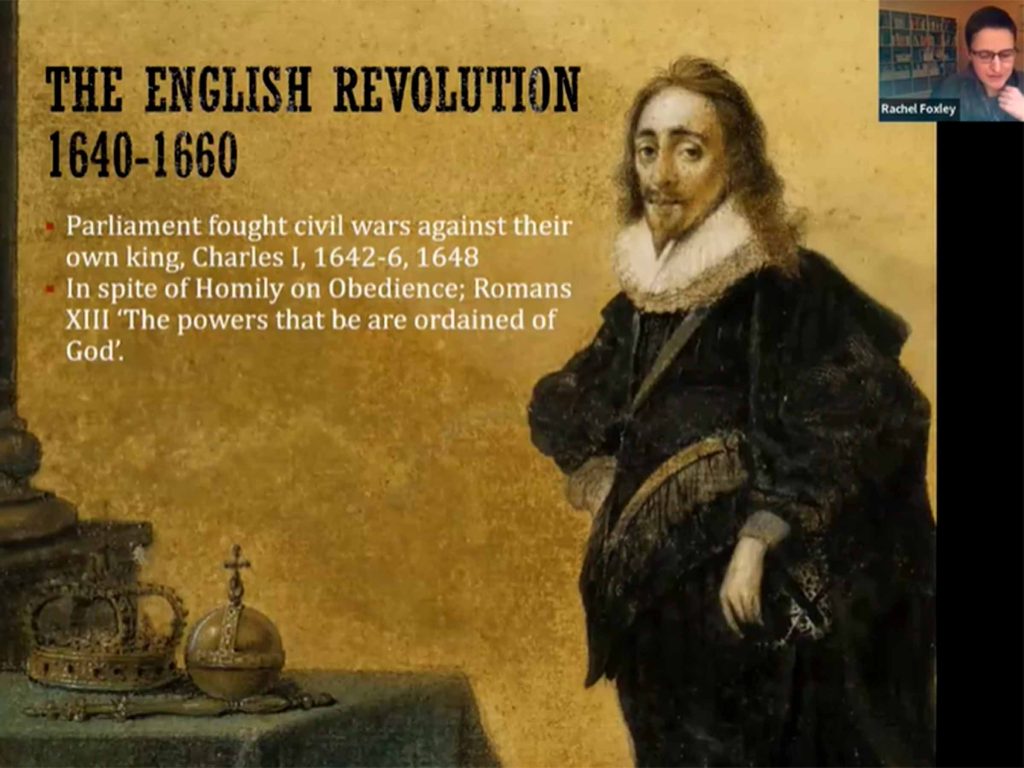
According to Foxley (above, left), it’s not a straight line, but there is a link between the ideas of 17th century England and 1776 colonial America and even today.
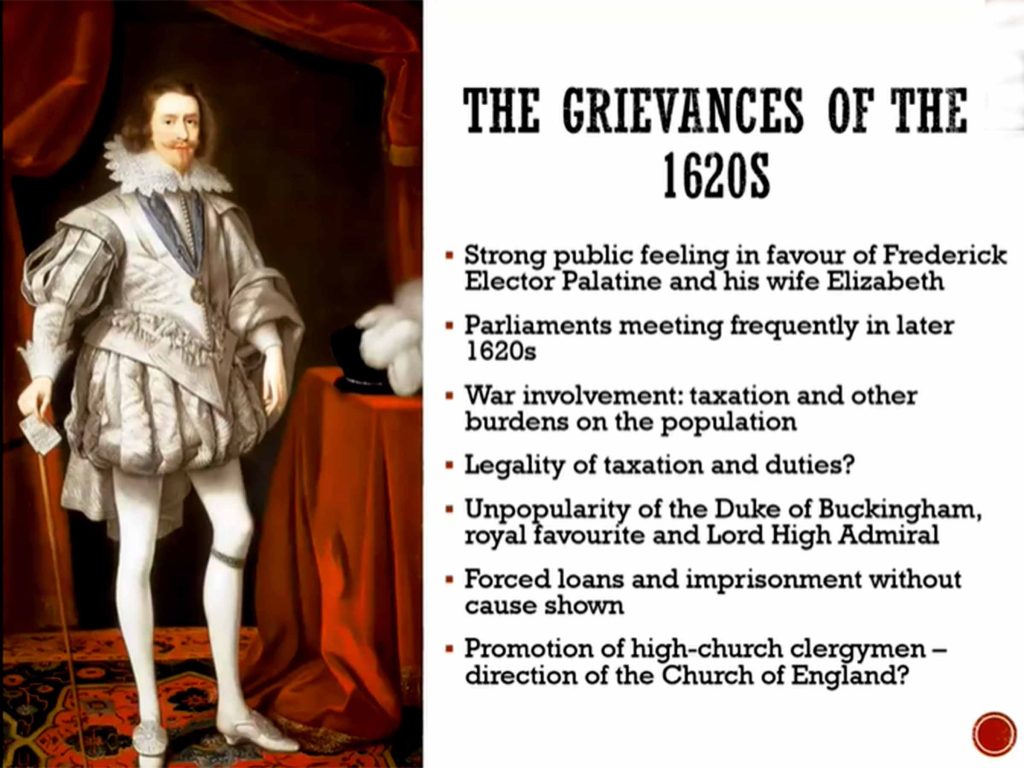
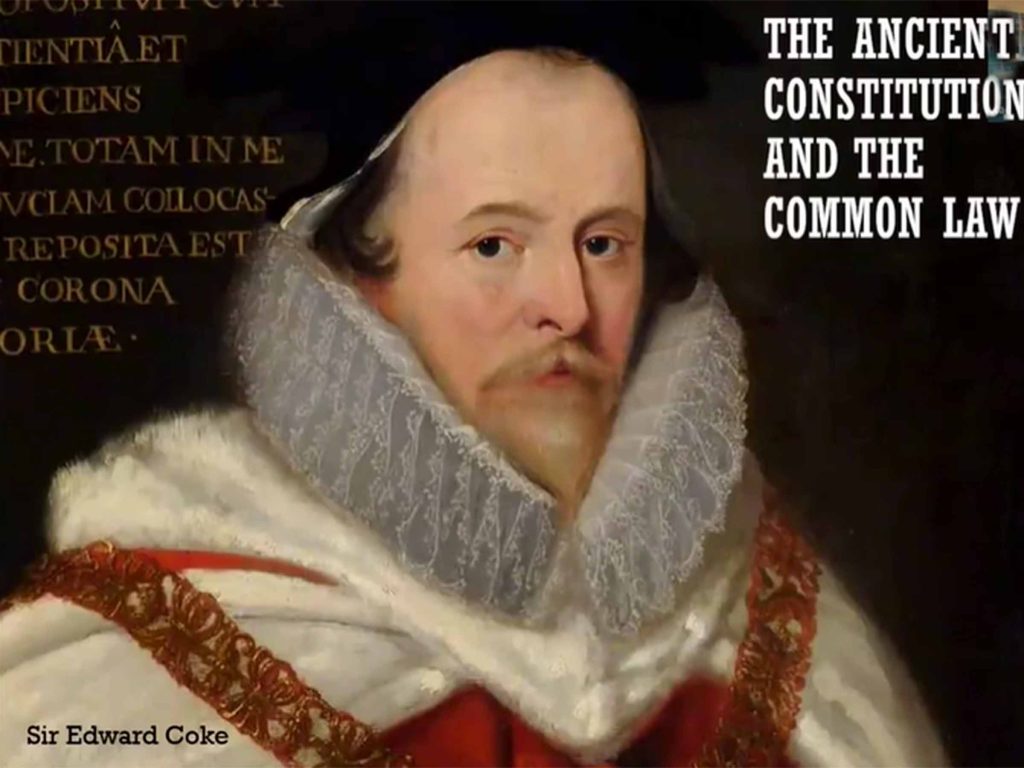
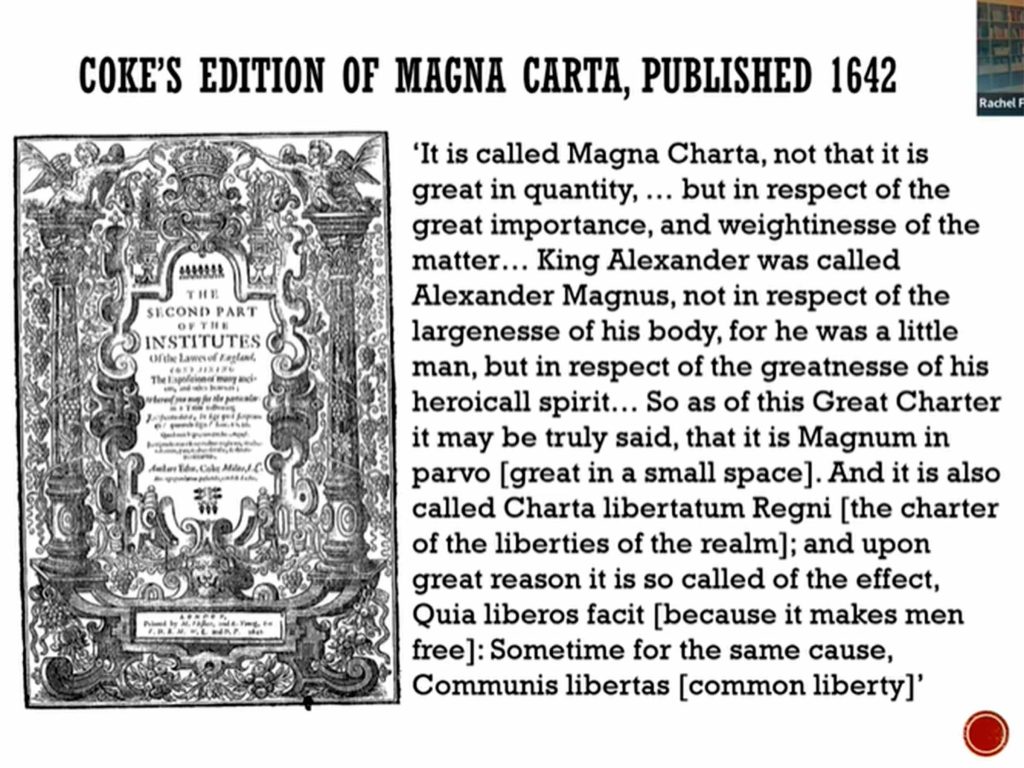
In the 1640s, radical thinkers in England argued for wider rights, representation, a republic, and these ideas helped to shape the intellectual and political environment, out of which emerged the execution of a king, Cromwell’s England, and New England’s Puritans.
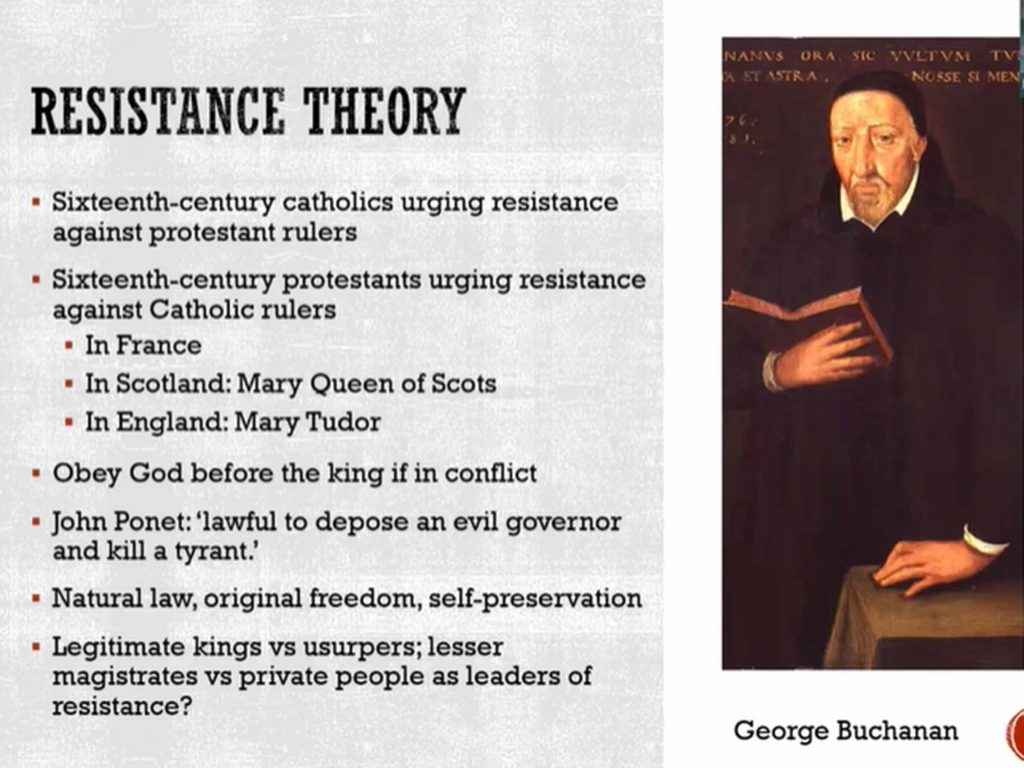
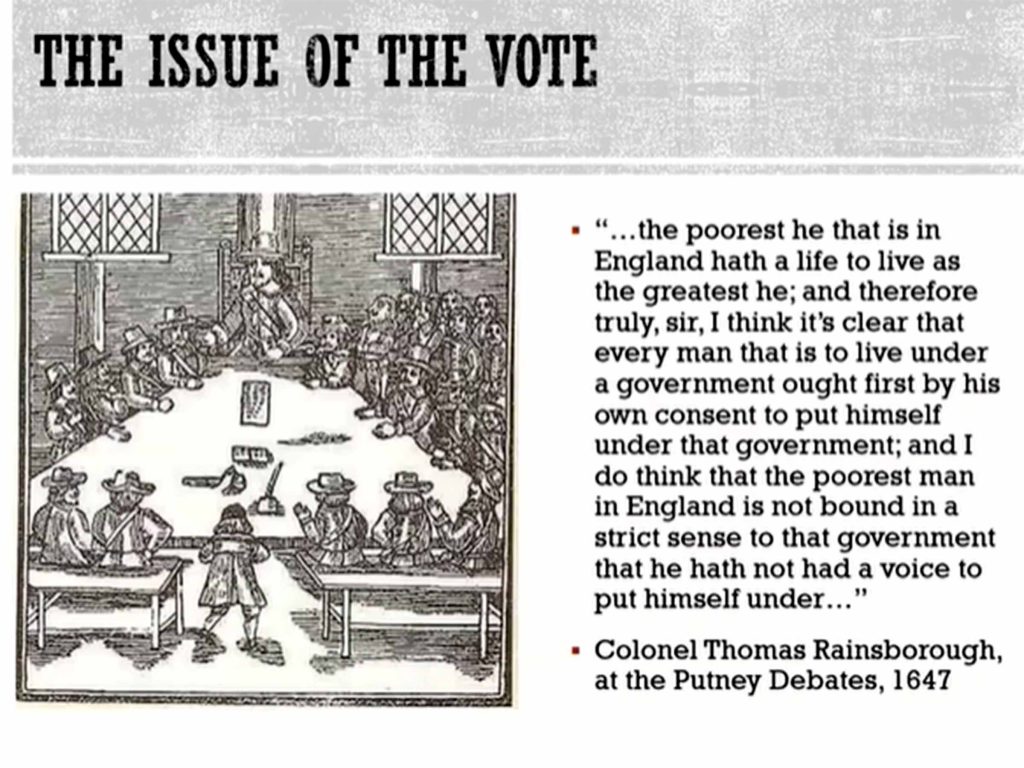
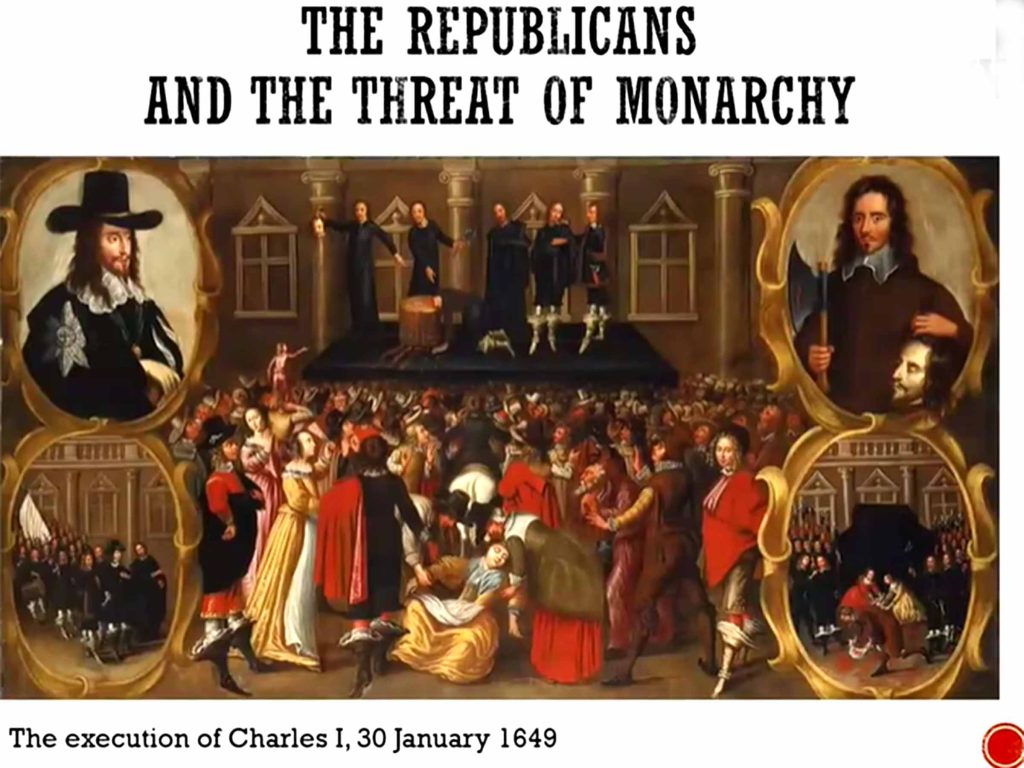
The leveler’s anti- monarchical message and suggestions for alternative constitutional arrangements may well have paved the way for the execution of the king.