
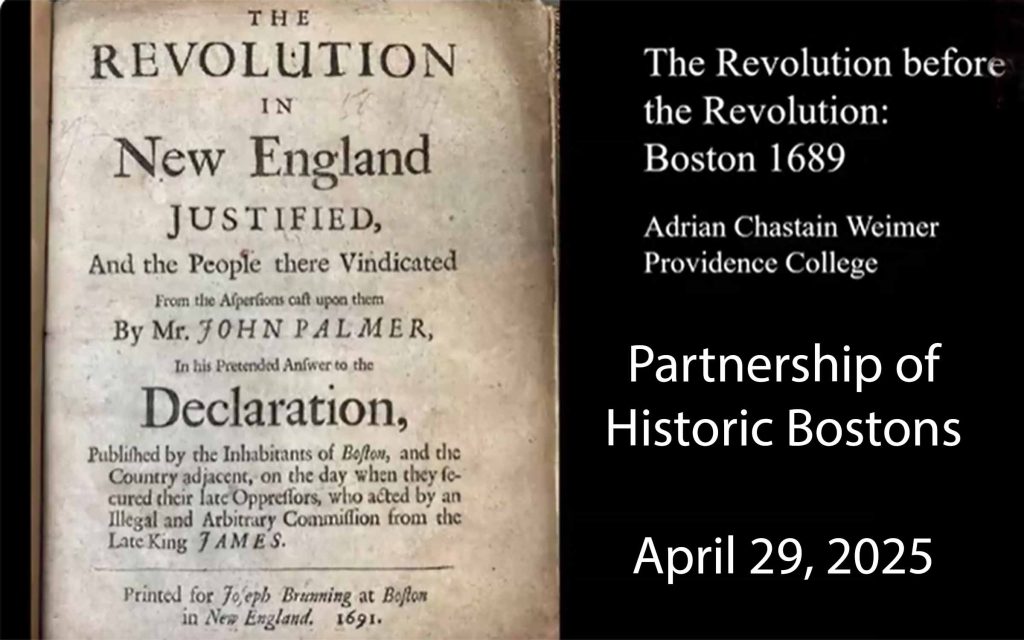
We think of the American revolutionary moment as taking place in 1776, with the signing of the Declaration of Independence. Or perhaps it was the spring and summer of 1775, when the first shots were fired and militias from across New England gathered on Cambridge Common and formed what, under George Washington, became the Continental Army. But American revolutionary ideals and practices long predate that time, by nearly a century. Join award-winning historian Adrian Chastain Weimer in discovering the revolutionary roots of 17th century New England in this 83-minute April 29, 2025 video by the Partnership of Historic Bostons.
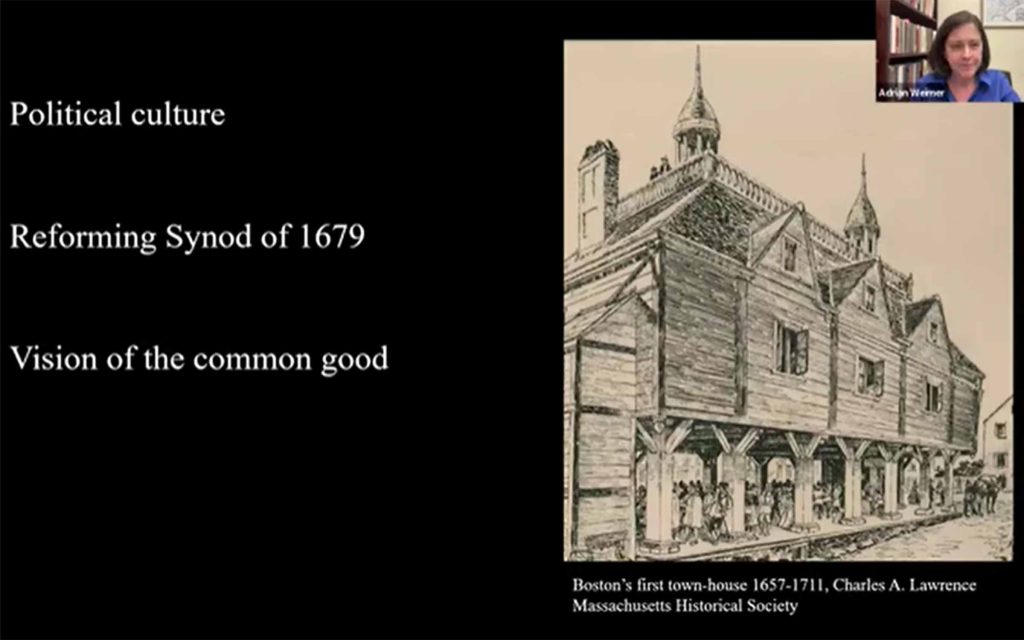
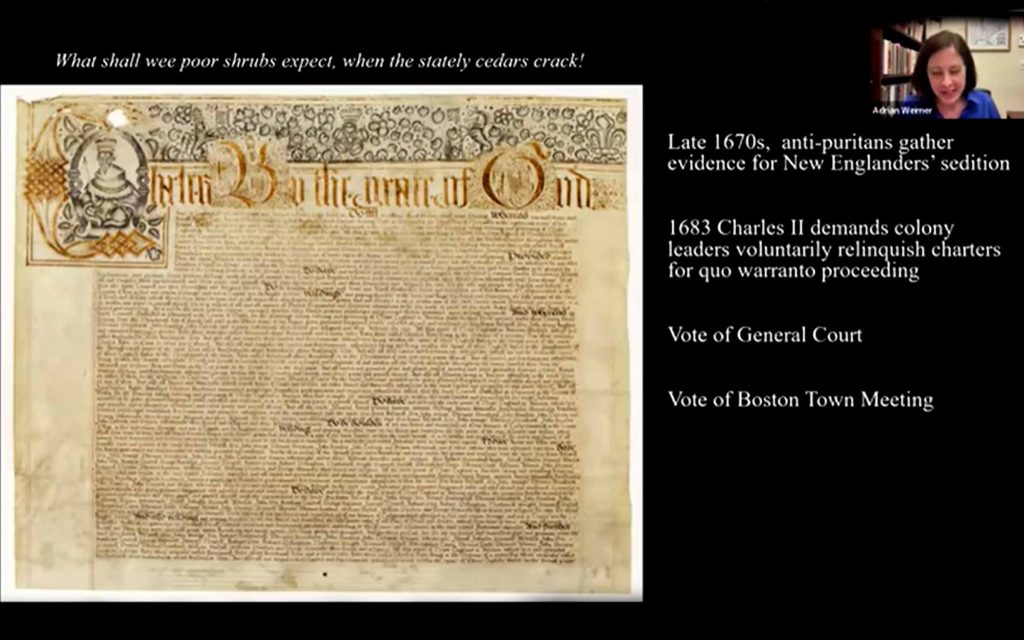
Resistance, defiance, collection action, a refusal to pay tax without being represented, a marked sense of independence from Britain – all these were present in the Puritan-Whig Revolution (also known as the Glorious Revolution) of 1689.
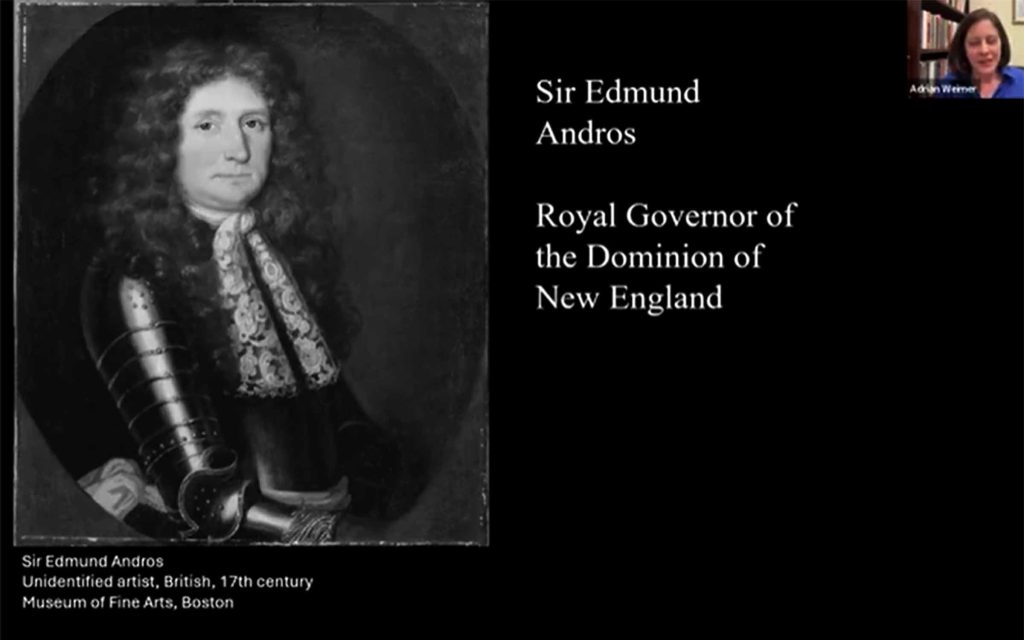
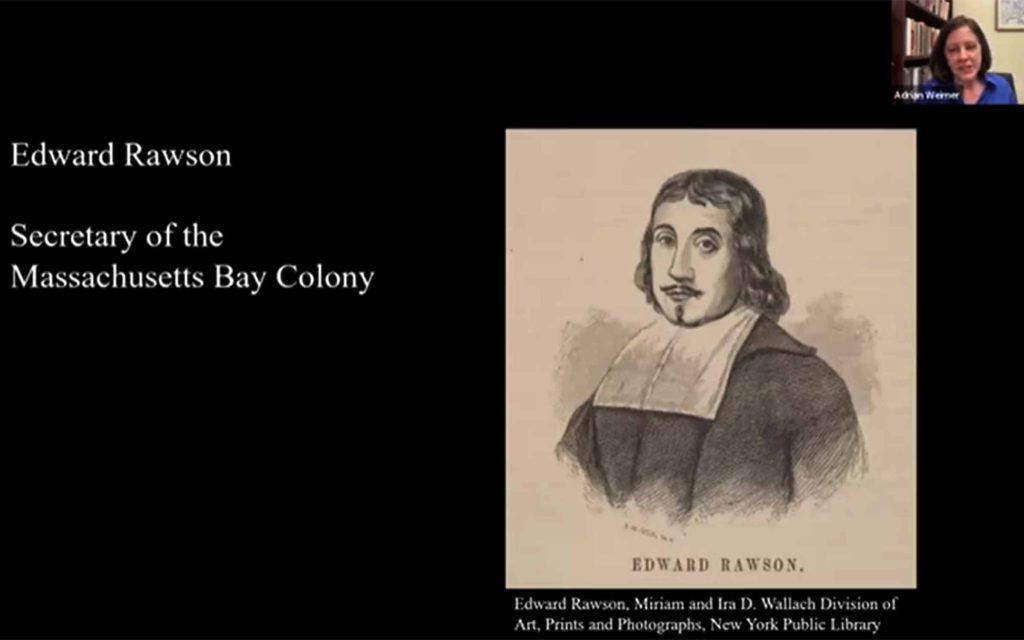
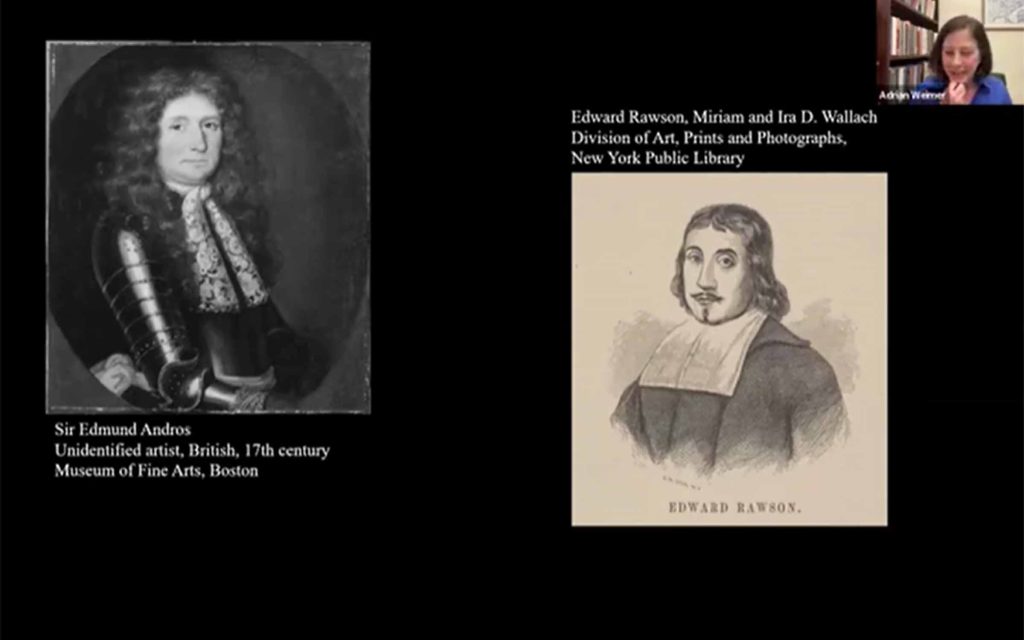
Colonists experienced increasing limits to their freedoms under Sir Edmund Andros, Governor of New England starting in 1686. Edward Rawson who was appointed Secretary of the Coluny under Andros, values charter liberties as much as anyone, but in the constitutional crisis of the 1660s he had urged limited compromise with the crown rather than open defiance.
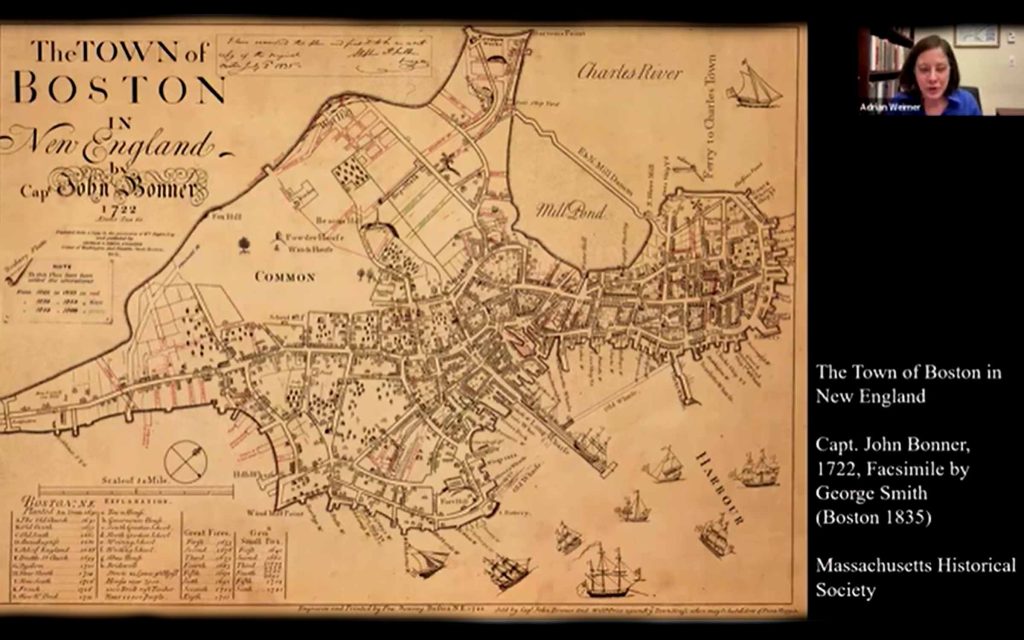
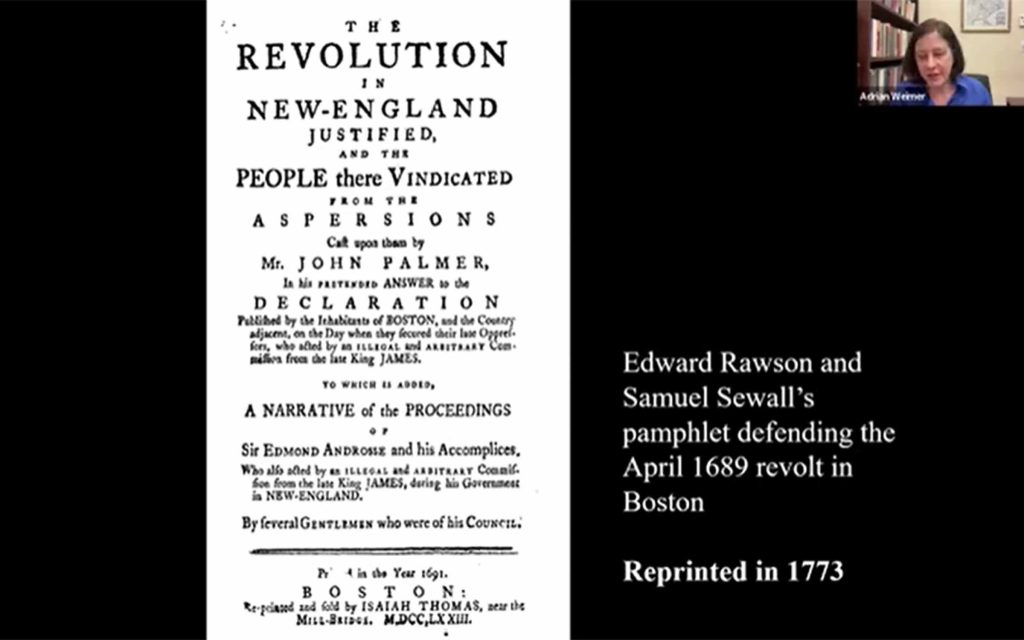
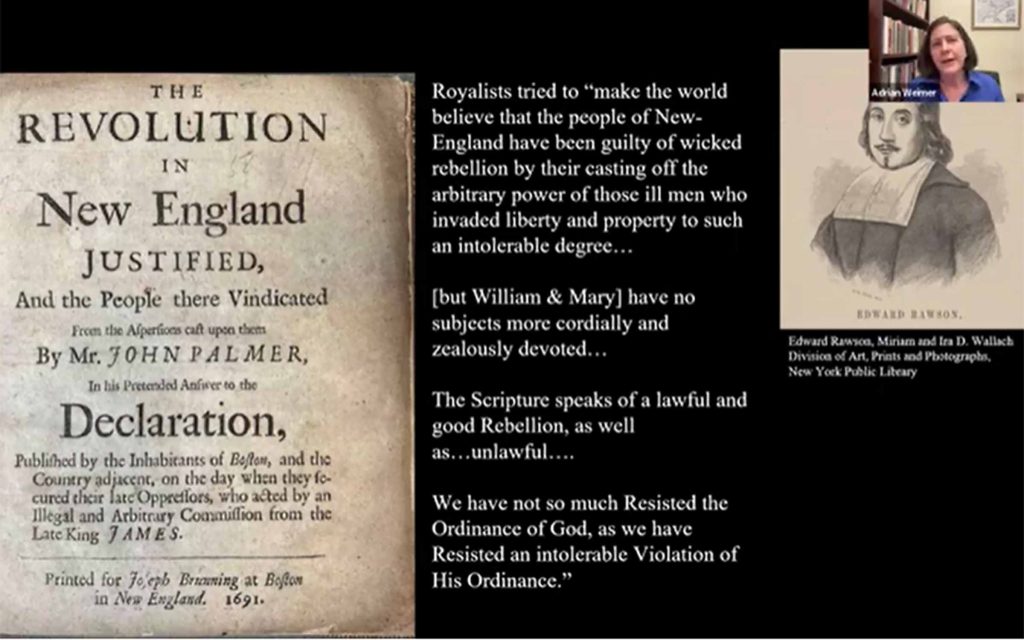
Back in Boston, there were rumors that William and Mary had mounted a coup against James II, but there was no certain information. The revolution of 1689 was relatively peaceful as, in the end, no real shots are fired, but but it’s an astonishing moment of risk when people sacrificed for what they understood as the society they had built on the principle of elected government.