
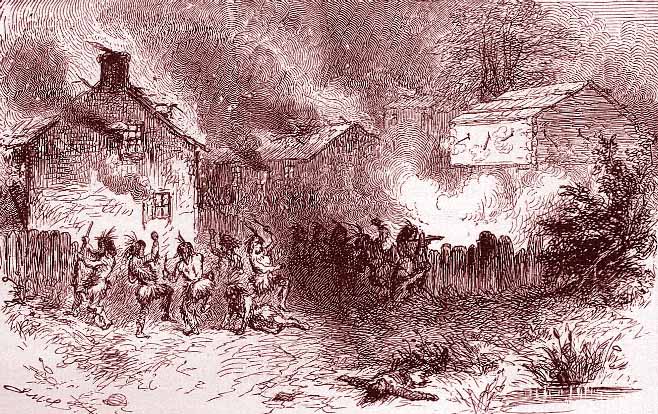
During King Philip’s War between the Pokanoket leader Metacomet (King Philip) and the English Colonists, the town of Providence was destroyed by a Native American coalition on March 29, 1676. Providence was one of two major English settlements burned to the ground – the other was Springfield, Massachusetts that was burned on October 5, 1675. On the bi-centenerary, an address on the burning of Providence and Roger Williams’ conference with the Indians in 1676 was delivered before the Rhode Island Historical Society on April 10th, 1876. Click here for a 69-minute video of William Simmons and Nancy Brown-Garcia presenting on the Burning of Providence on March 28, 2016.
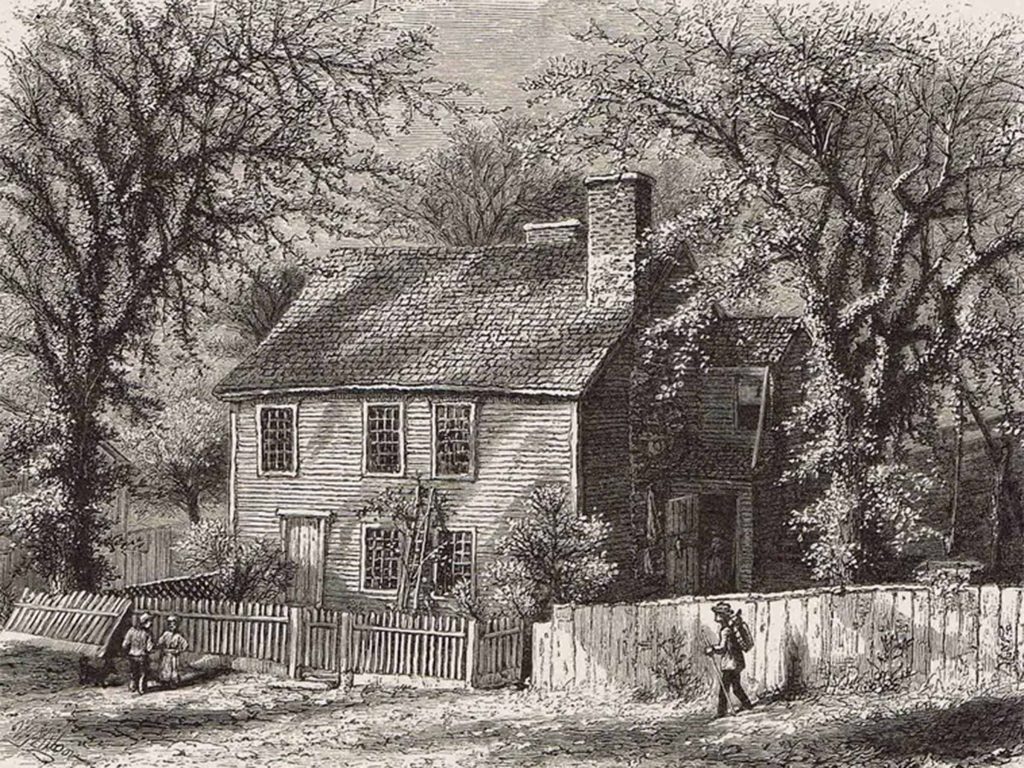
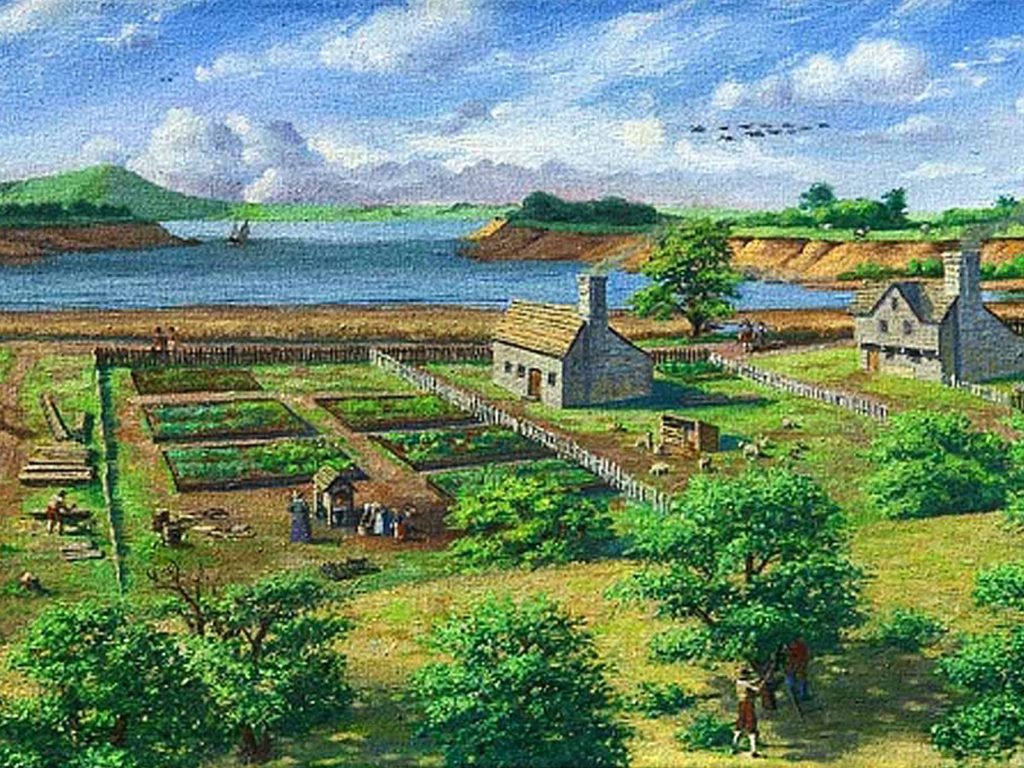
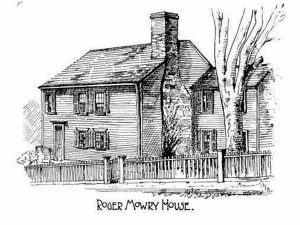
Providence was burned, including Roger William’s house. Only the Wippet House, later known as the 1653 Mowry House, remained standing. The Narragansett warriors then marched north along the coast, destroying English settlements.

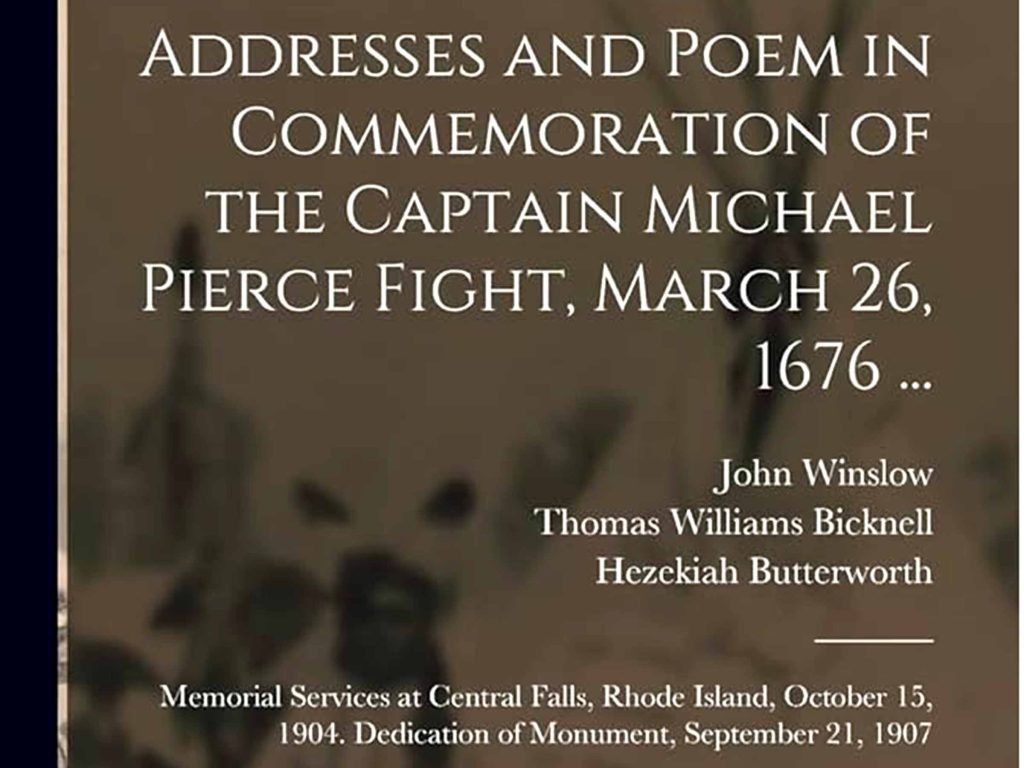
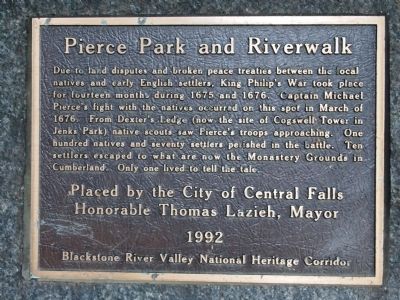
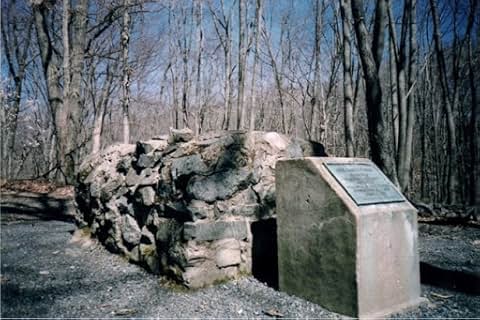
Just before the attack on Providence, on March 26th, Captain Michael Pierce and his company were ambushed by about 500 to 700 Narragansett led by chief sachem Canonchet. In an attack known as the “Pierce’s Fight“, Narragansett Indians ambushed around 60 colonists and 20 Christian Wampanoag Indians. The Indians killed almost all the colonists; however, nine men were captured and gruesomely tortured to death. By April 1676, however, the settlers had defeated the Narragansett and killed Canonchet. The tribe soon abandoned its territorial homeland, with some joining the Mohegan or Abenaki tribes and more settling among the Niantic, with the combined group taking the Narragansett name.

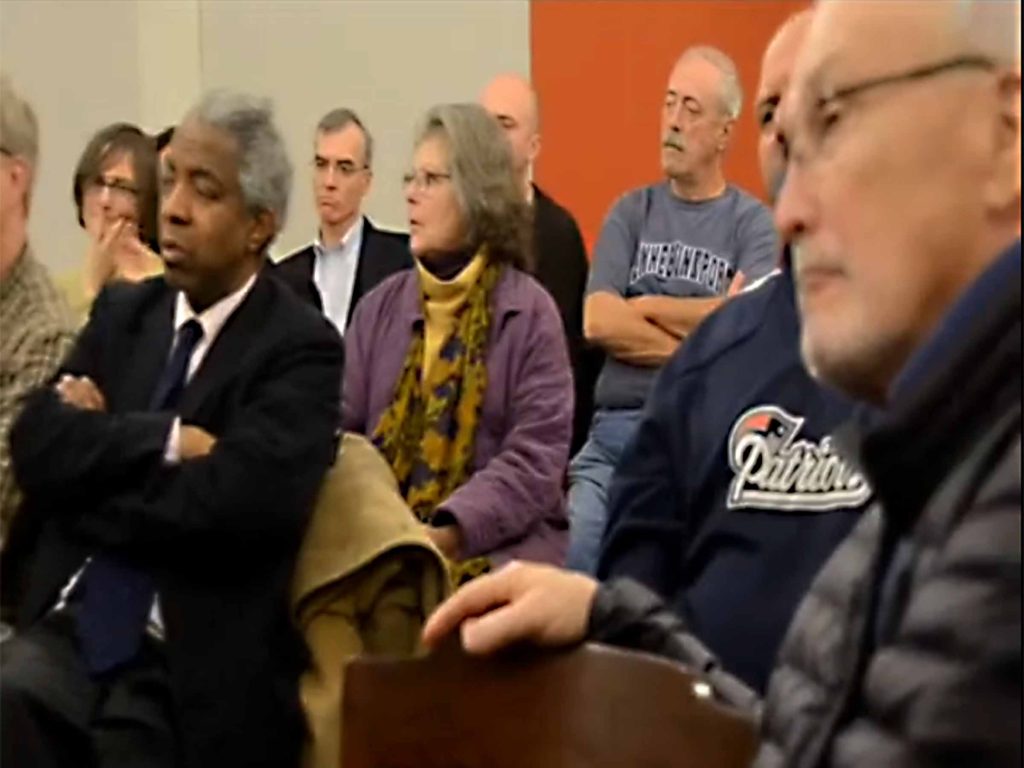
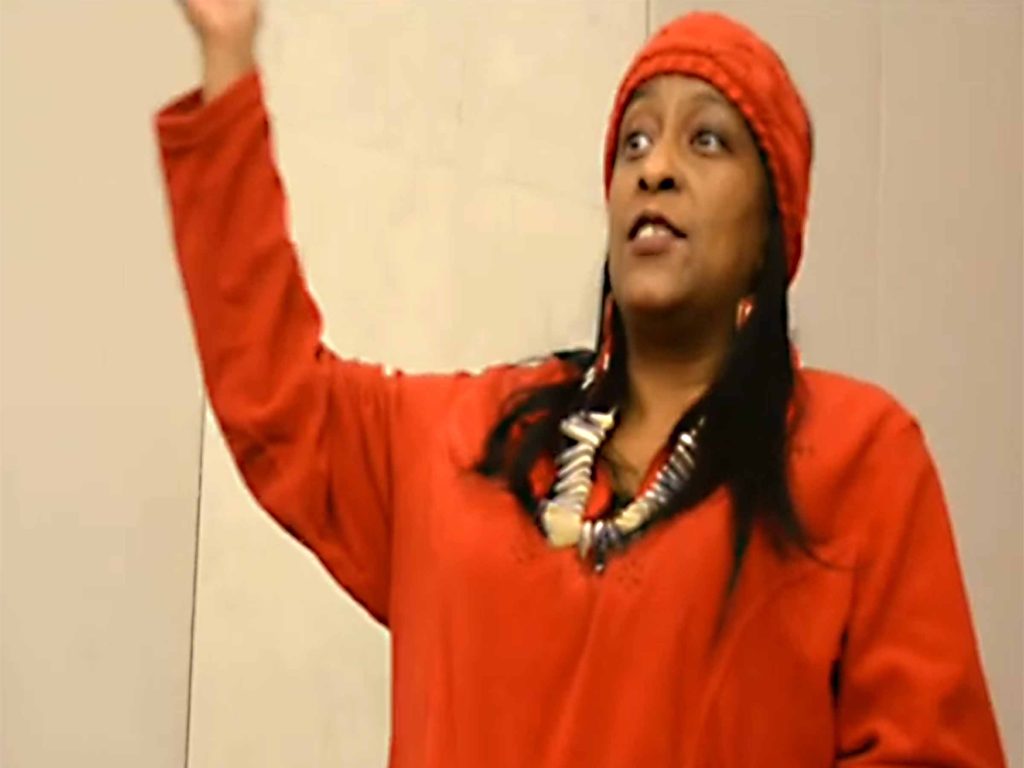
(Above) Former Brown University anthropologist William Simmons and Narragansett Tribe Member Nancy Garcia-Brown described the Burning of Providence in a presentation on March 26, 2016.