
In this video, take a look at some of the impacts of conquest and colonization on Europe and on the Native peoples in the Americas and on enslaved Africans. A number of topics in this video include the Transatlantic Slave Trade, interactions between Native Americans and Europeans, and slavery in the British colonies. Click here for an 18-minute video posted by Emilie Murray on June 24, 2026.
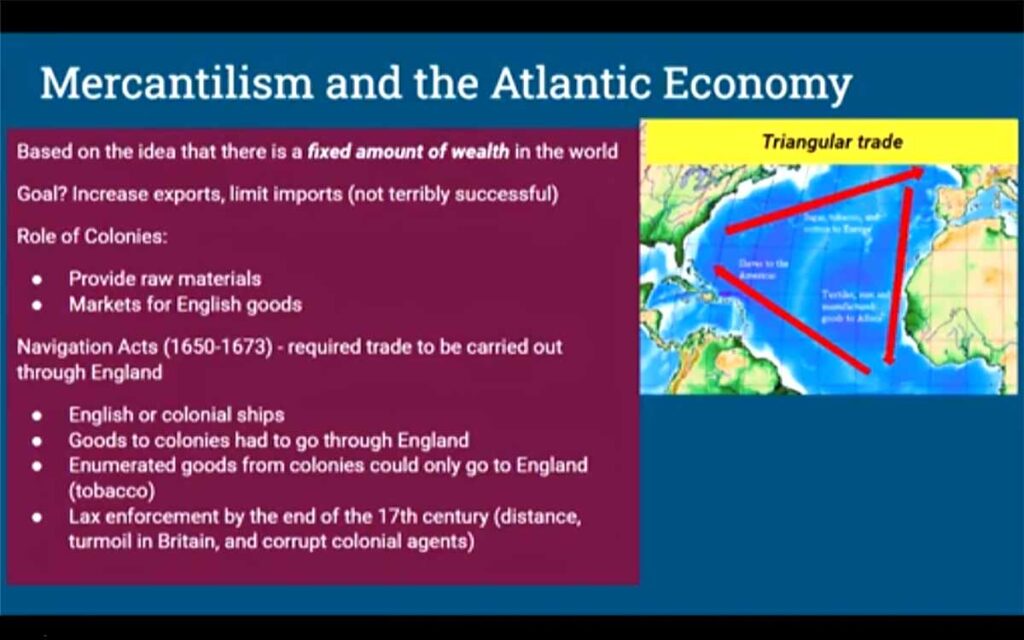
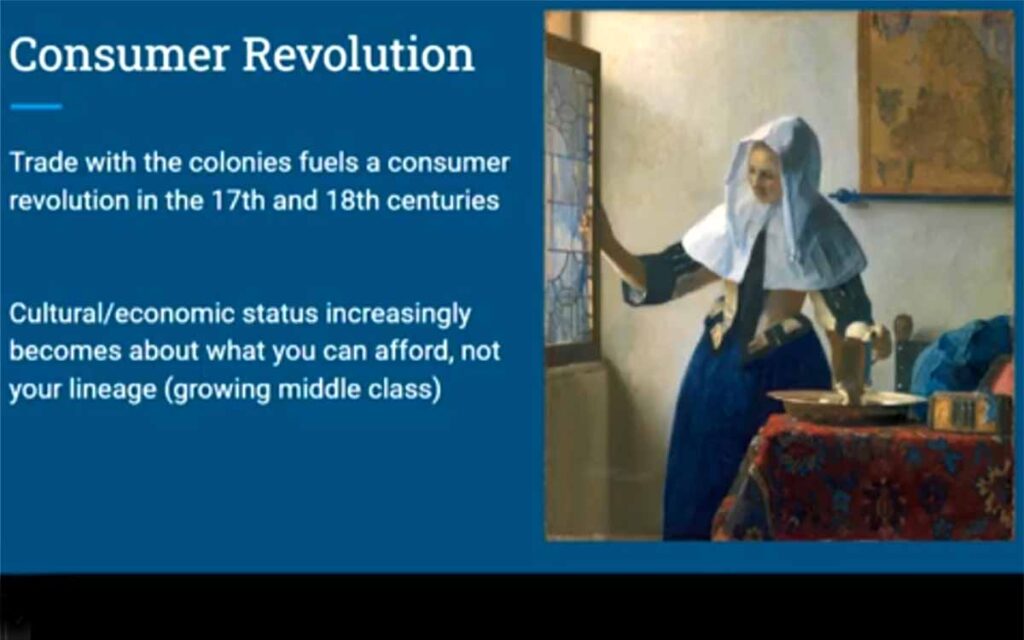
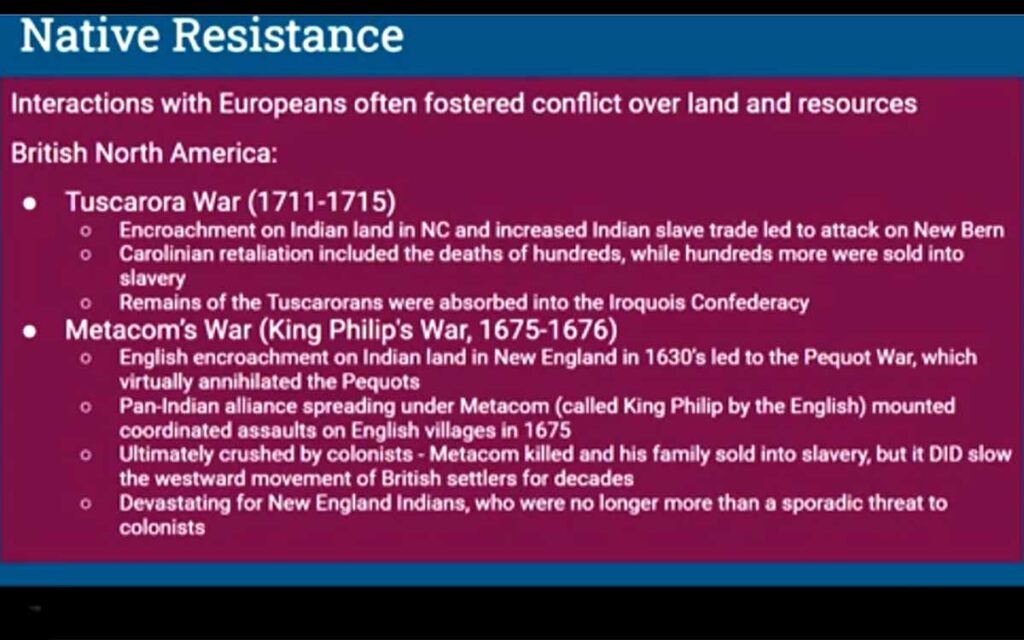
(Above, left and center) Mercantalism was based on the idea that was a prevailing economic theory in the early modern period that there was a fixed amount of wealth in the world. Since there was only so much, you had to fight for a piece of the pie. This led European states to a particular goal: to increase their supply of gold and silver to increase the amount of money that they had in their coffers. (Above, right) Metacom’s War, sometimes called King Philip’s War, occurred from 1675 to 1676. Conflict after conflict with small armed fights broke out into larger conflicts in the 1670s.
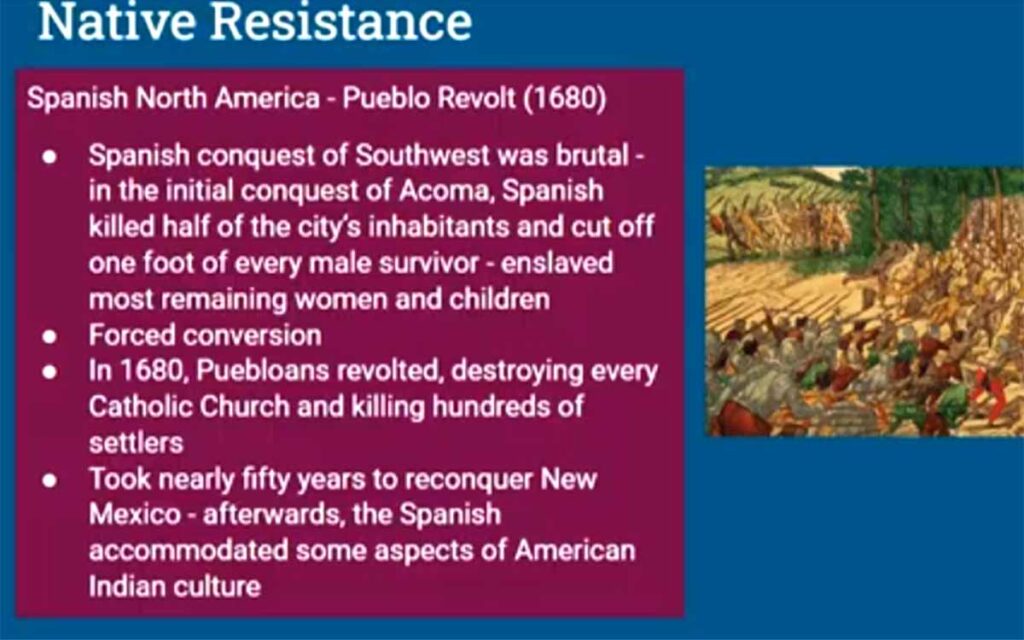
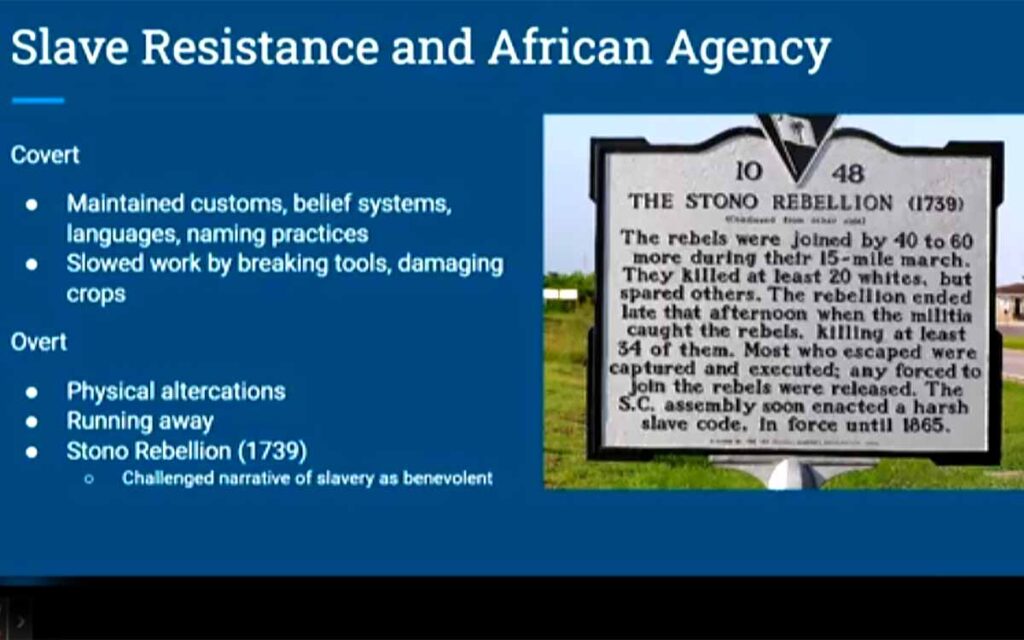
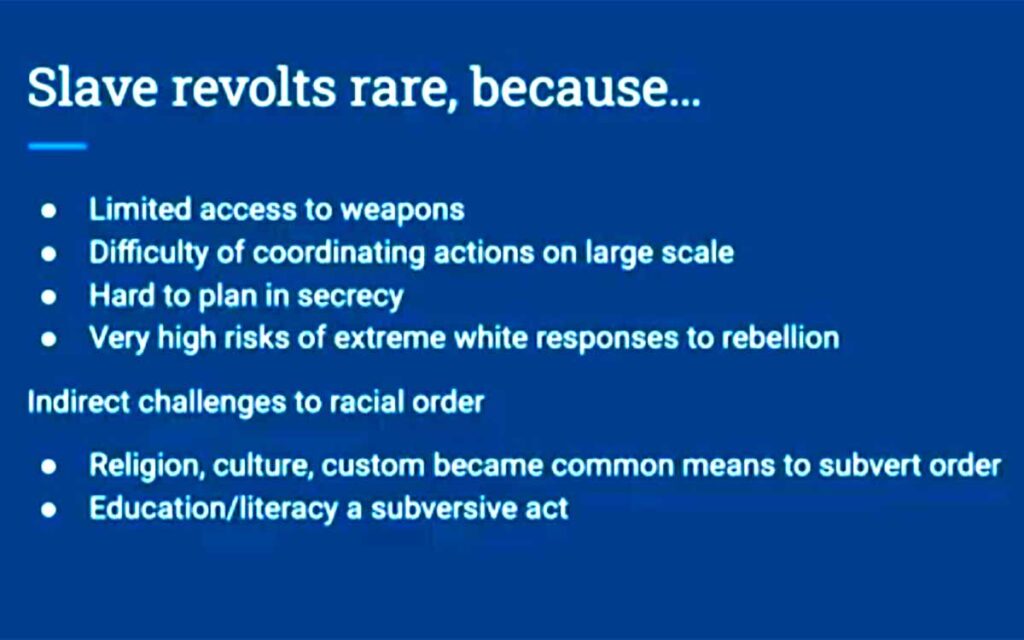
We also see similar forms of resistance in Spanish North America, such as the Pueblo Revolt in 1680, and among enslaved people in all of the British colonies.
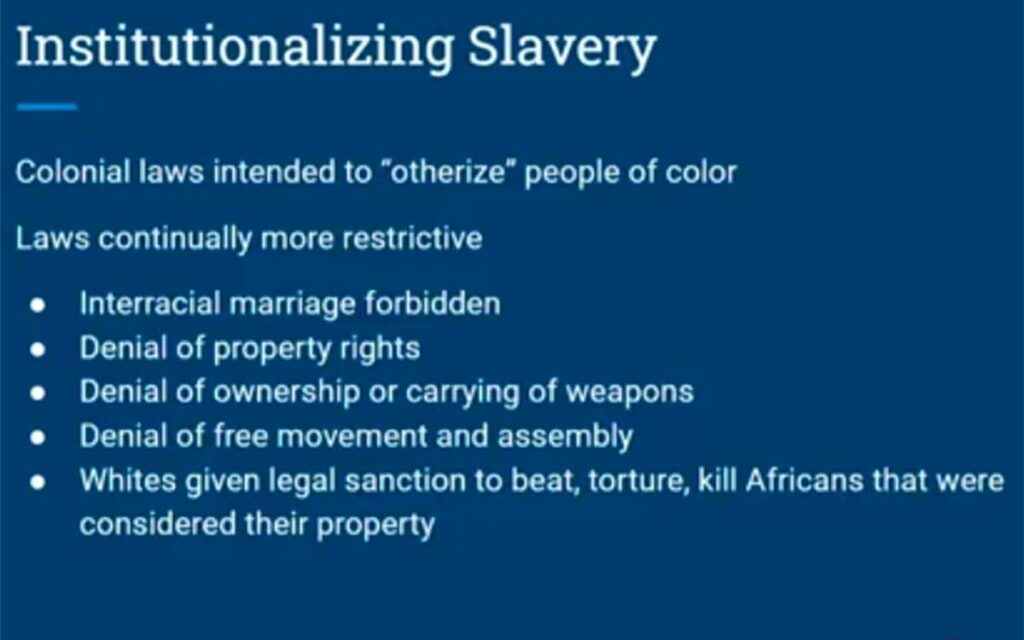
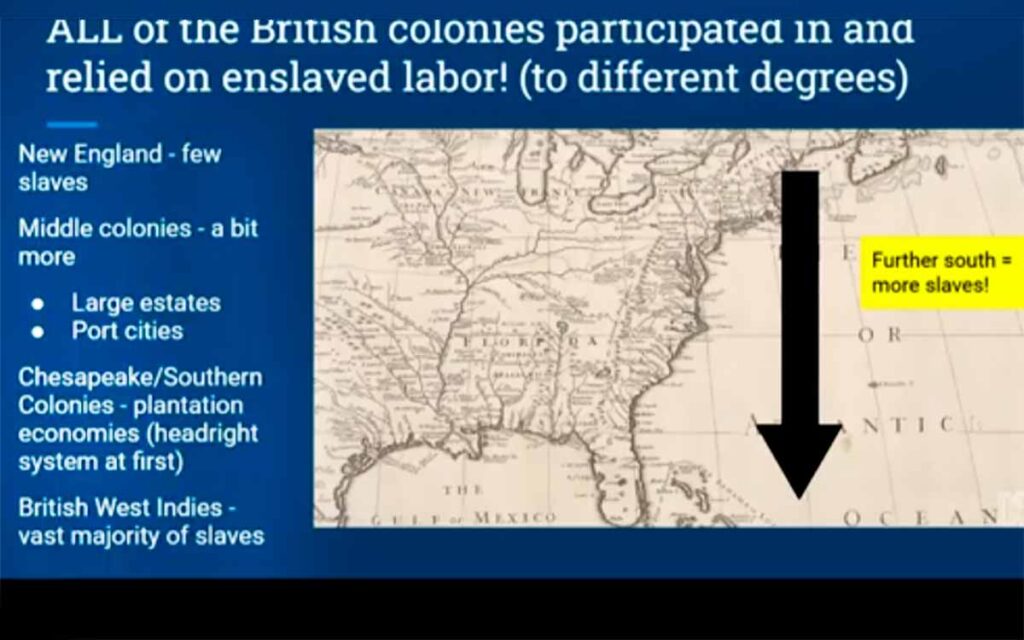
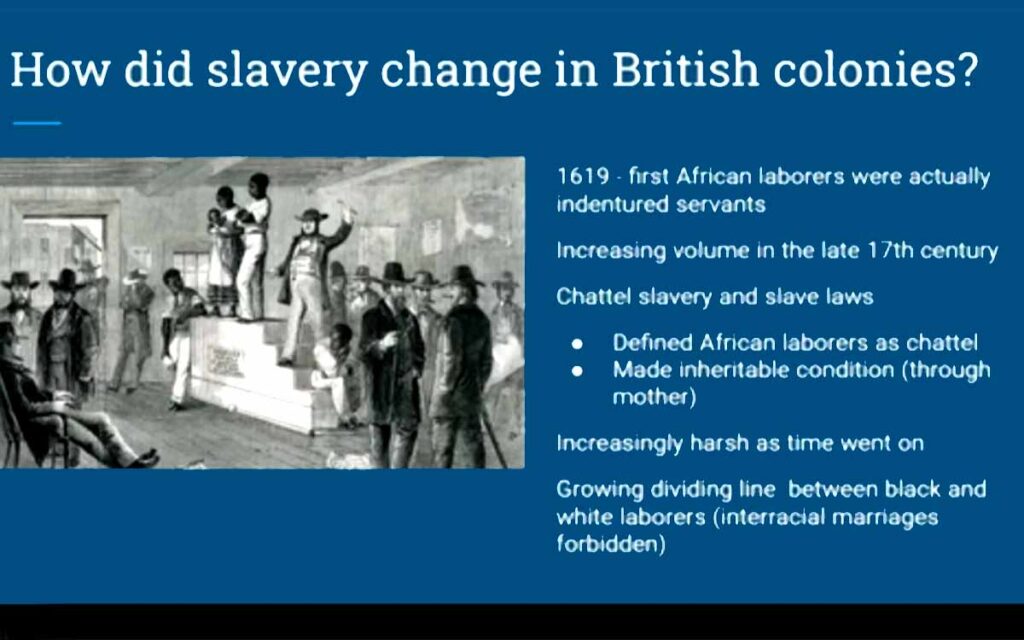
New England had fewer slaves compared with the South. In the middle colonies, there were more enslaved peoples on large estates and some working in port cities in trades especially as sailors or dock workers. Slavery becomes increasingly institutionalized across the 18th century.