
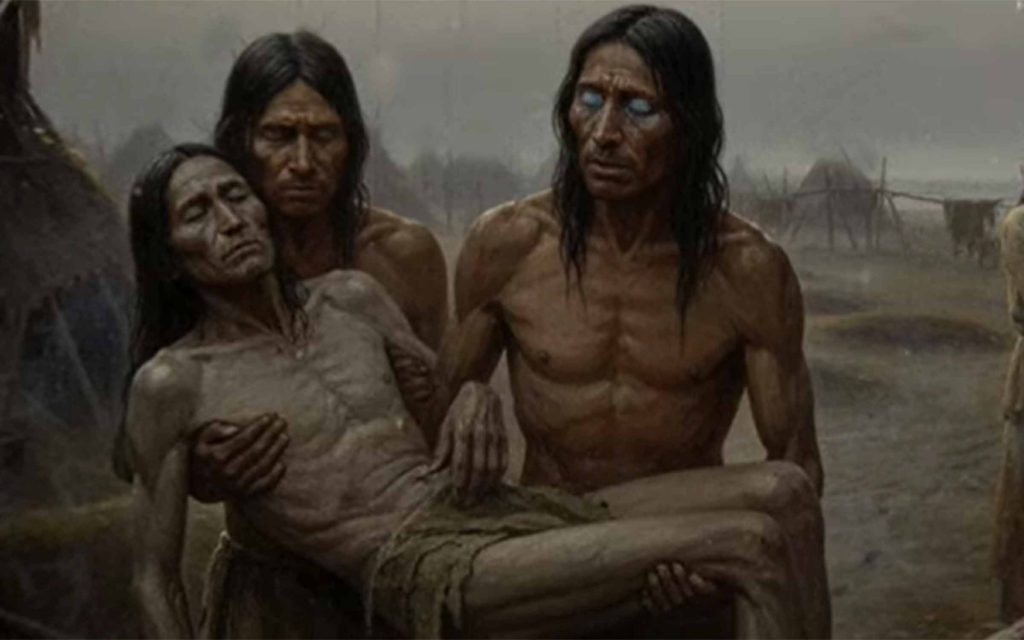
In a bitter winter in the early 17th century, an invisible storm swept across the East Coast of what would become the United States — not with swords and guns, but with something far more terrifying: epidemic disease. Between 1616 and 1619, an unknown epidemic devastated countless Indigenous communities, erasing up to 90% of their population in just a few short years. A 20-minute video posted on October 10, 2025 by Concealed Native Americans, provides an overly-dramatized and sometimes inaccurate picture of this event as it was unlikely smallpox but rather other diseases such as leptospirosis.
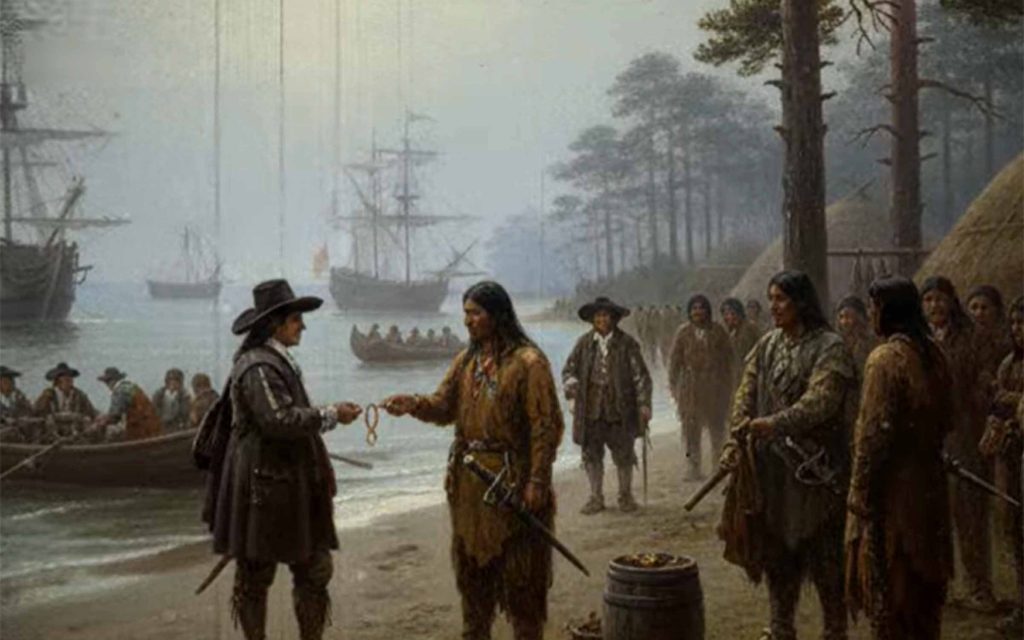
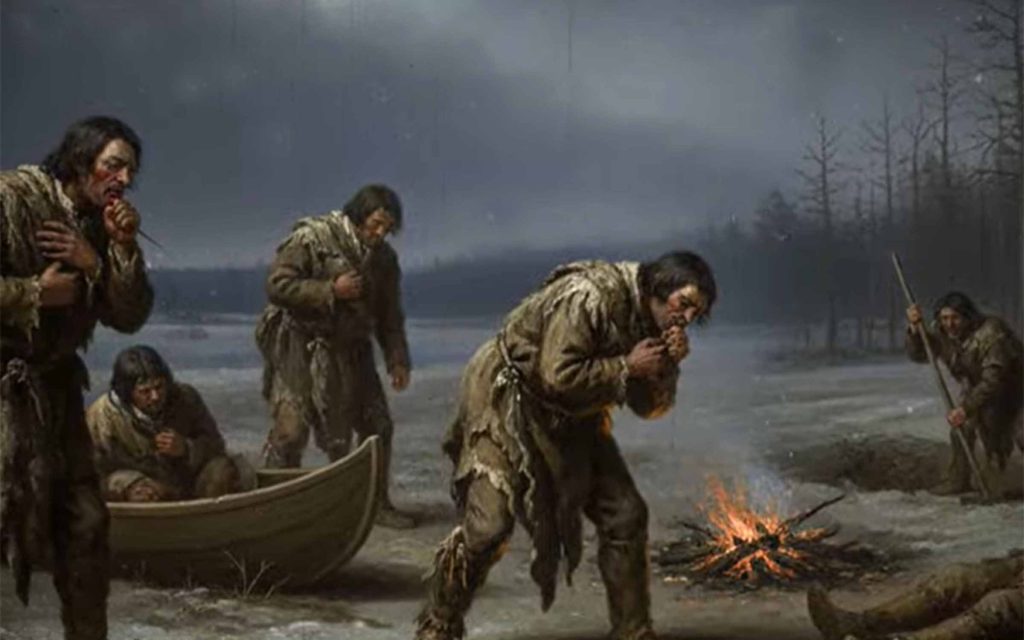
It is suspected that a French trading ship off the coast of Maine may have brought one or more contagious diseases that affected Indigenous people but not Europeans who had already been exposed to the diseases, thus making most of them immune.
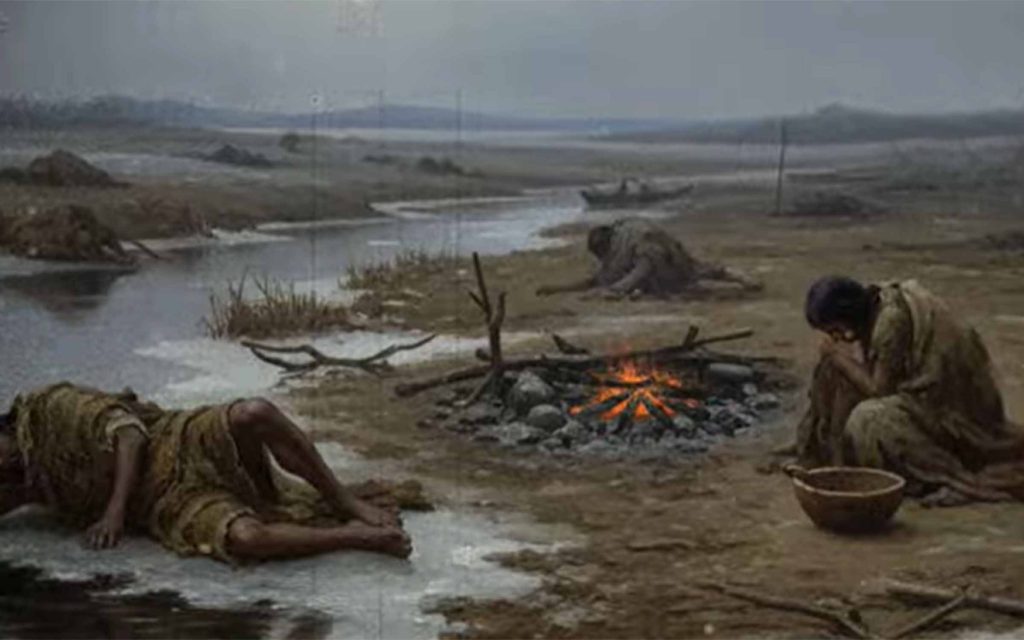
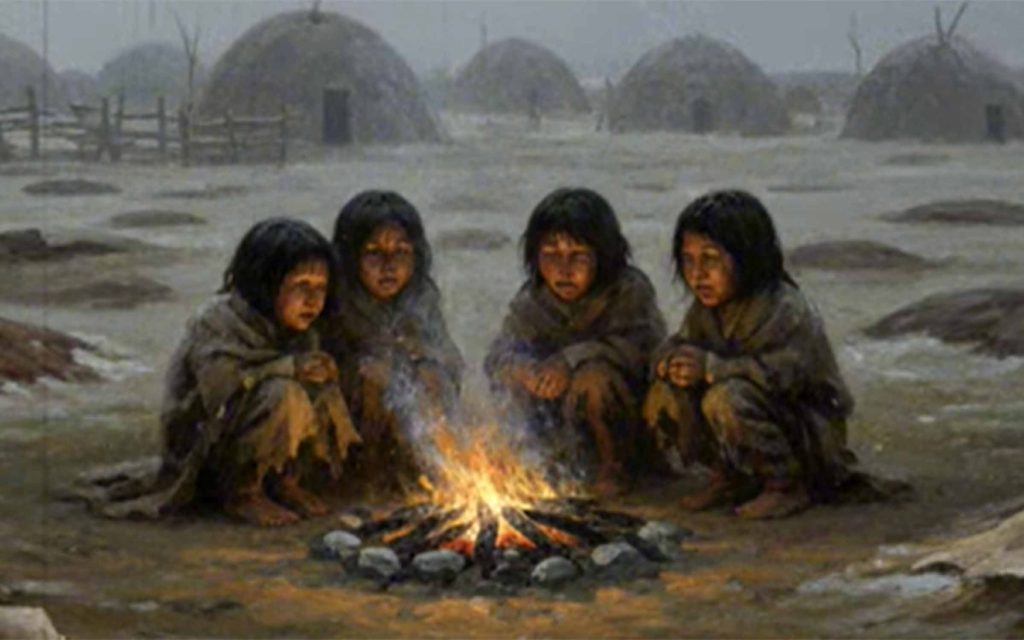
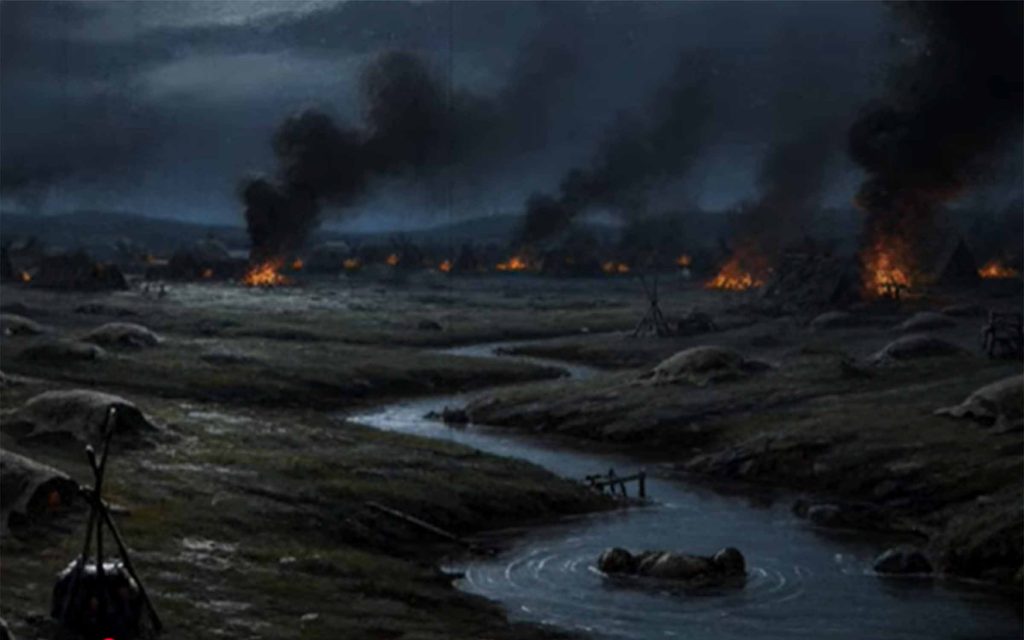
Long before the Pilgrims and English settlers expanded into the region, the epidemic had already cleared the way — leaving behind abandoned villages, cold ashes, and silent forests where drums once echoed. This was one of the darkest chapters in American history — a civilization largely erased before the world even knew their names.
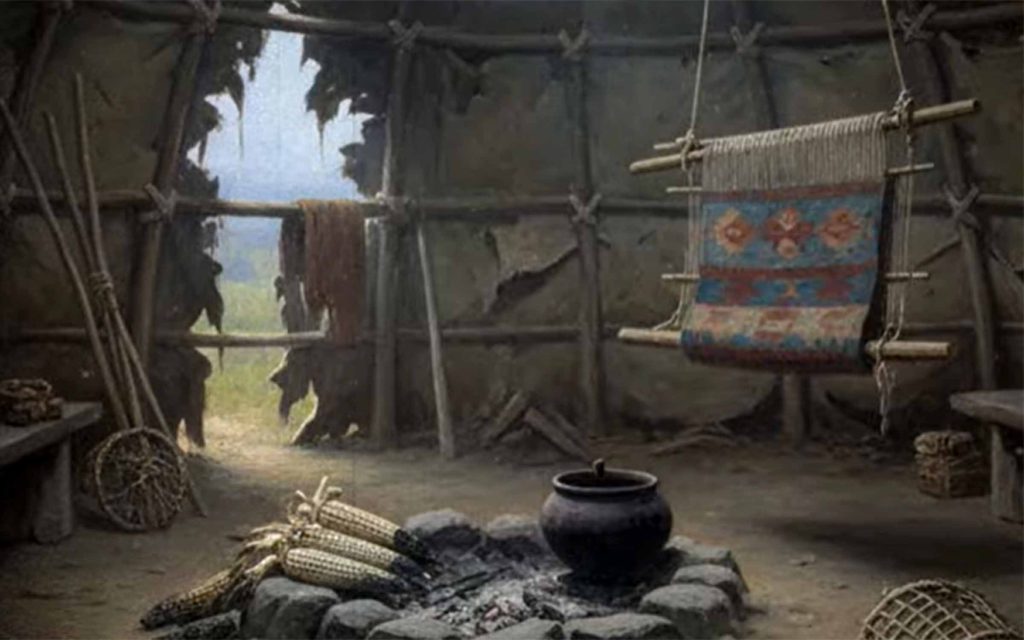
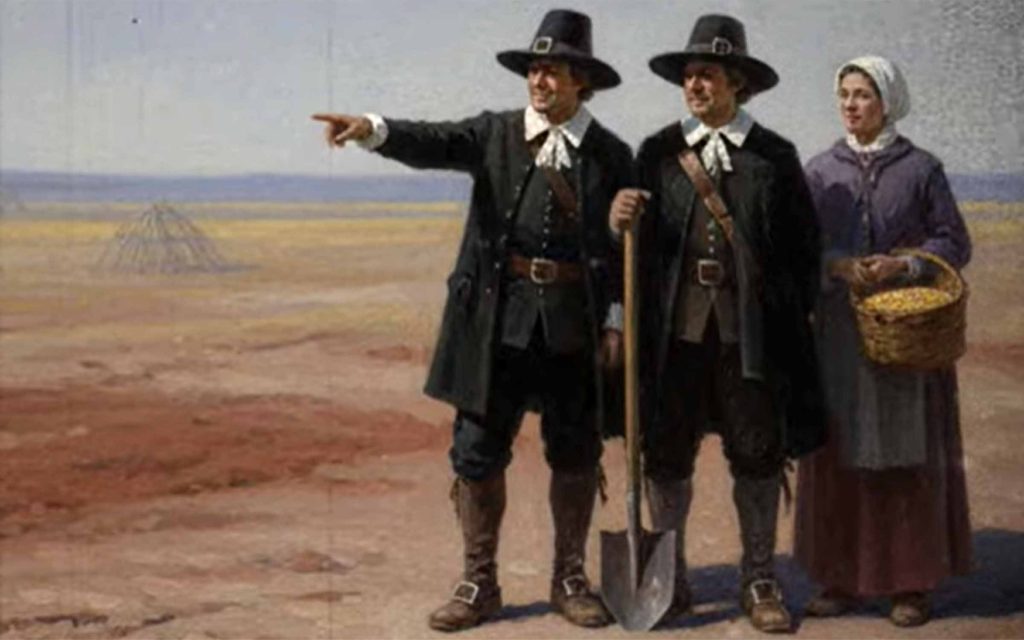
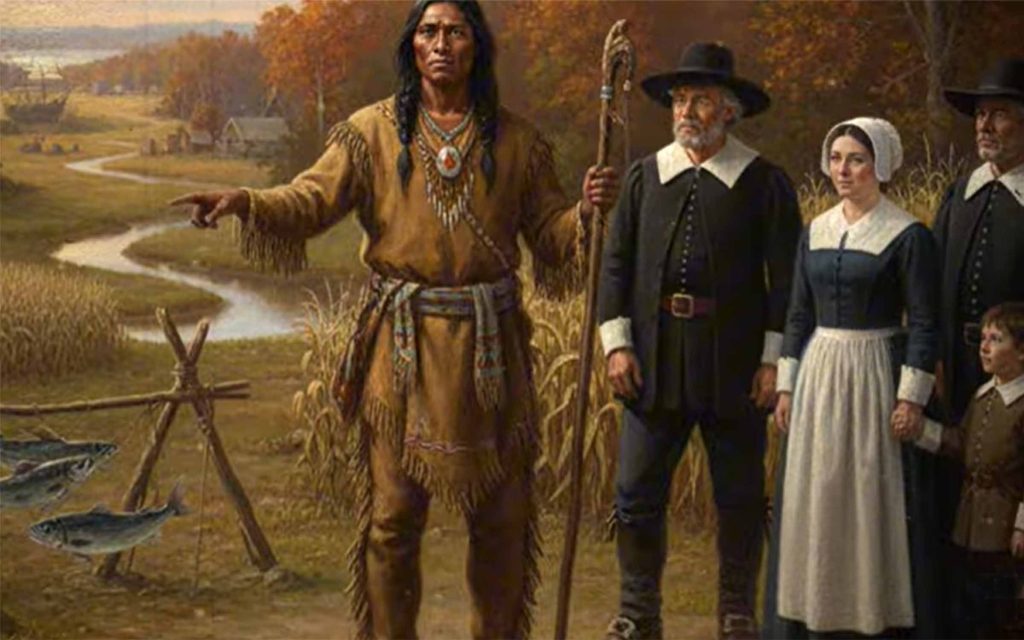
When the Separatists landed in the Native village of Patuxet in 1620, which they renamed “Plymouth”, they found only empty wetus and unburied bones on the ground. Believing that God had thus prepared the way for their arrival, they built their own town with the help of Tisquantum, or “Squanto”, who had grown up in the Patuxet, been captured, and taken to Europe before the epidemic. He returned to find everyone he knew had died a few years earlier.